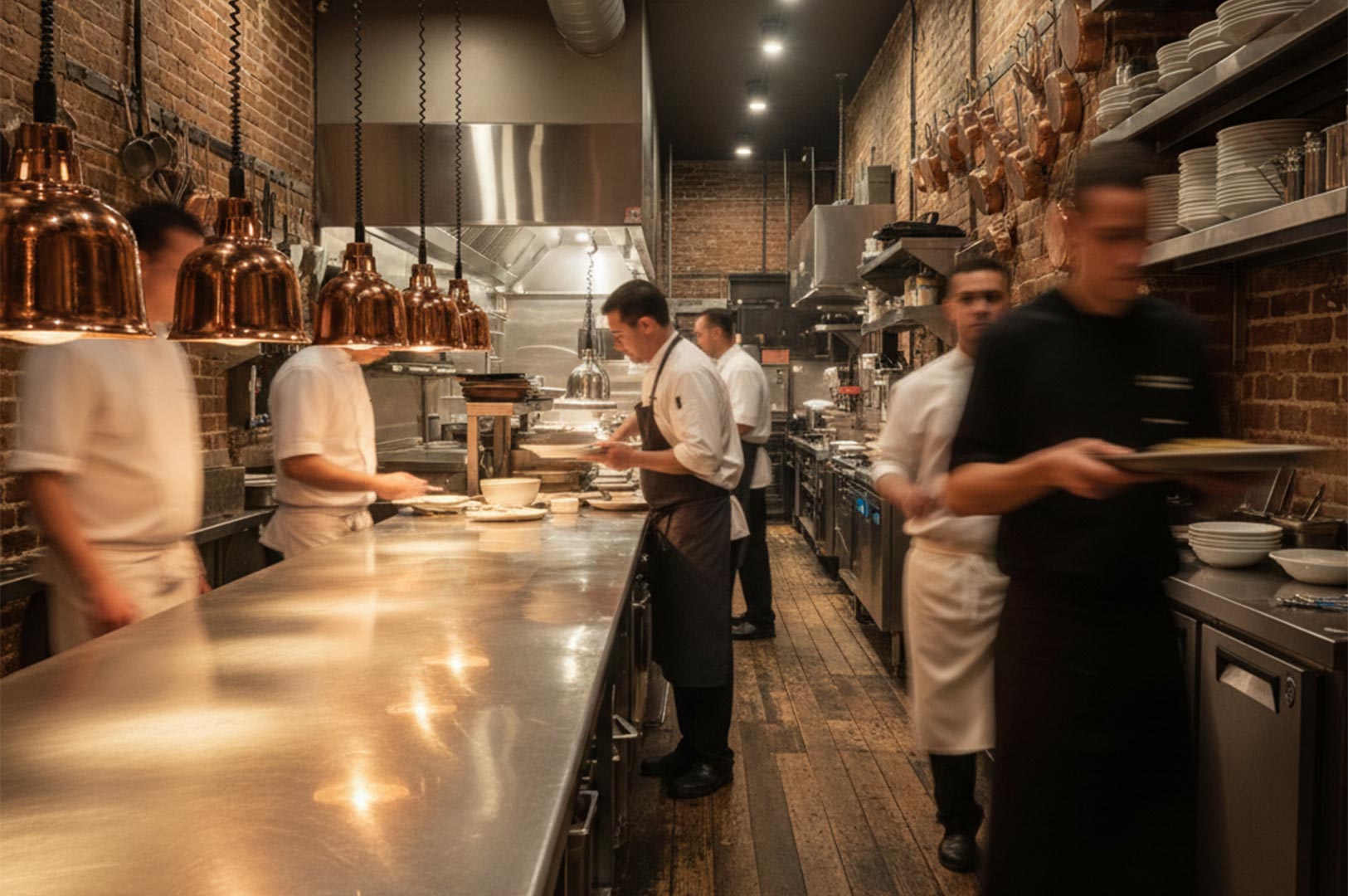

I was standing in the back-of-house corridor of a fine dining restaurant during a Saturday night service. It was not a glamorous place. The air was thick with heat, the clatter of plates was a constant percussion, and the walls were a map of scuffs from service trolleys. Yet, what I saw was a space of perfect, chaotic harmony. Every movement was economical, every placement deliberate. The flow was not accidental; it was designed.
In that narrow, unadorned hallway, I understood something fundamental about the restaurant business. The magic that happens in the dining room—the calm, the elegance, the seamless service—is entirely dependent on an unseen foundation of well-planned space. The guest’s experience is built not just on the chef’s talent, but on the width of a doorway, the durability of the flooring, and the logic of the layout.
This is where my fascination with restaurant renovations began. It was never just about the aesthetics of a dining room. It was about the architecture of an operation. It was about understanding that a restaurant is a living system, and its physical shell is the most critical component.Over the years, I have seen brilliant culinary concepts falter because their physical space worked against them. I have seen kitchens with workflows so inefficient they burned out talented chefs. I have seen dining rooms so poorly designed for acoustics that they made conversation impossible, driving away the very clientele they sought to attract. These were not failures of passion or skill; they were failures of infrastructure.
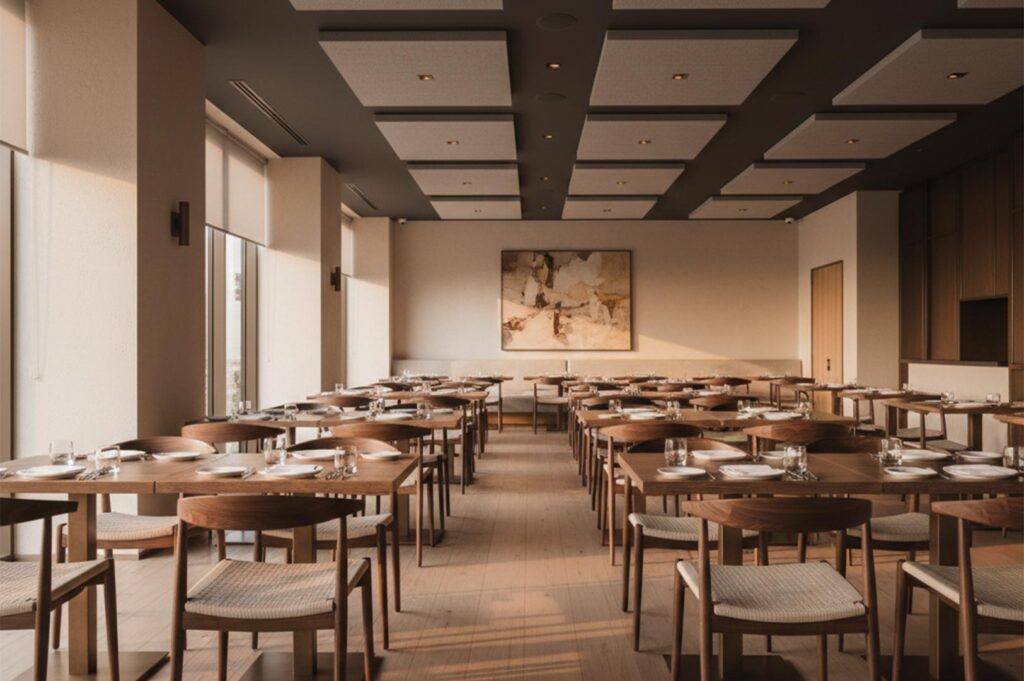
And so, I felt a growing need to shift the conversation. Too often, renovation is discussed as a matter of taste or trends—of choosing the right color palette or the most fashionable chairs. While important, these are surface-level concerns. The real, substantive work of a renovation lies in the decisions that are made about things guests will never see. It is in the upgraded electrical systems that can handle a kitchen at full capacity, the soundproofing between the bar and a private dining room, and the non-slip flooring that keeps staff safe during a hectic service.
This is why I wanted to create a platform like Restaurant Renovations. I wanted to build a resource for the serious operator, for the owner who understands that a restaurant is a complex, capital-intensive asset. It is for the person who knows that a renovation is not a decorative expense but a strategic investment in efficiency, safety, and longevity.
My approach is not to chase trends. It is to understand the consequences. It is to explore how a specific layout will affect staff fatigue over a ten-hour shift. It is to analyze how a material choice will perform after five years of heavy commercial use. It is to connect the dots between a construction decision and its long-term impact on a business’s profit and loss statement.
The work we do here is grounded in the belief that a well-designed, well-built restaurant is a more profitable and sustainable business. It is about empowering owners to make informed, financially sound decisions about their most significant physical asset.The beauty of a dining room is important. But the intelligence of its design and the quality of its construction are what will allow that beauty, and the business itself, to endure. This is the hidden blueprint. And for me, there is nothing more compelling than getting it right.