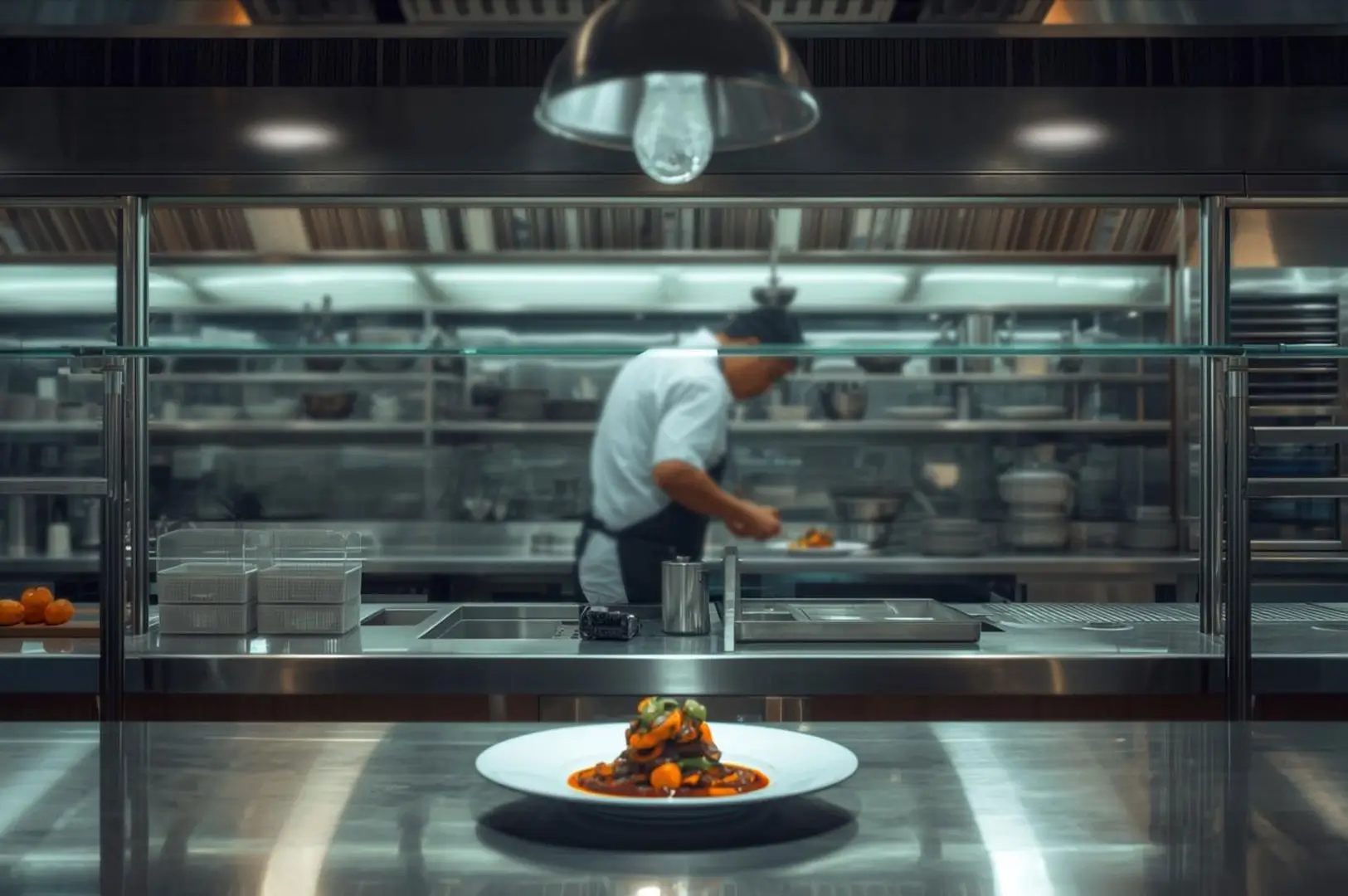

The heart of any successful restaurant is not the dining room, but the kitchen. It is a high-pressure environment where efficiency, safety, and workflow dictate the pace and quality of every dish that goes out. While high-tech ovens and skilled chefs are crucial, the unsung heroes of a high-performing kitchen are its design for kitchen furniture and kitchen units. A strategic kitchen design creates the framework that supports your entire operation, transforming a chaotic space into a streamlined engine of culinary production.
For restaurant owners in Singapore, where space is at a premium and operational costs are high, a thoughtful kitchen remodel, kitchen layout, and kitchen renovation are fundamental investments in profitability and longevity. This guide explores essential principles for kitchen interior design, custom cabinetry, and kitchen furniture that create efficient, safe, and productive workspaces tailored for the demanding Singapore F&B scene. Explore the key ideas and inspiration throughout this guide to elevate your kitchen design.
Understanding the Role of Kitchen Furniture and Units in Workflow Optimization
The layout of your kitchen units and kitchen furniture design directly impacts how your staff moves, communicates, and works. A well-planned kitchen layout facilitates a logical flow of food preparation, from receiving ingredients to plating the final dish. Proper counter space, kitchen islands, and strategically placed kitchen cabinets minimize unnecessary steps and prevent bottlenecks. This seamless workflow reduces ticket times, minimizes errors, and enhances staff efficiency during peak service.
In a poorly designed space, the needs of the cook are often overlooked, making it difficult for them to move efficiently and perform essential cooking tasks. Ensuring the design supports the cook’s workflow—such as easy access to the refrigerator, sink, or stove—reduces collision risks and saves valuable time. In a well-designed dream kitchen, every essential item, from small appliances to pans, is within easy reach, turning wasted motion into productive action.
Essential Design Principles for Kitchen Furniture
Ergonomics: Staff Comfort and Safety
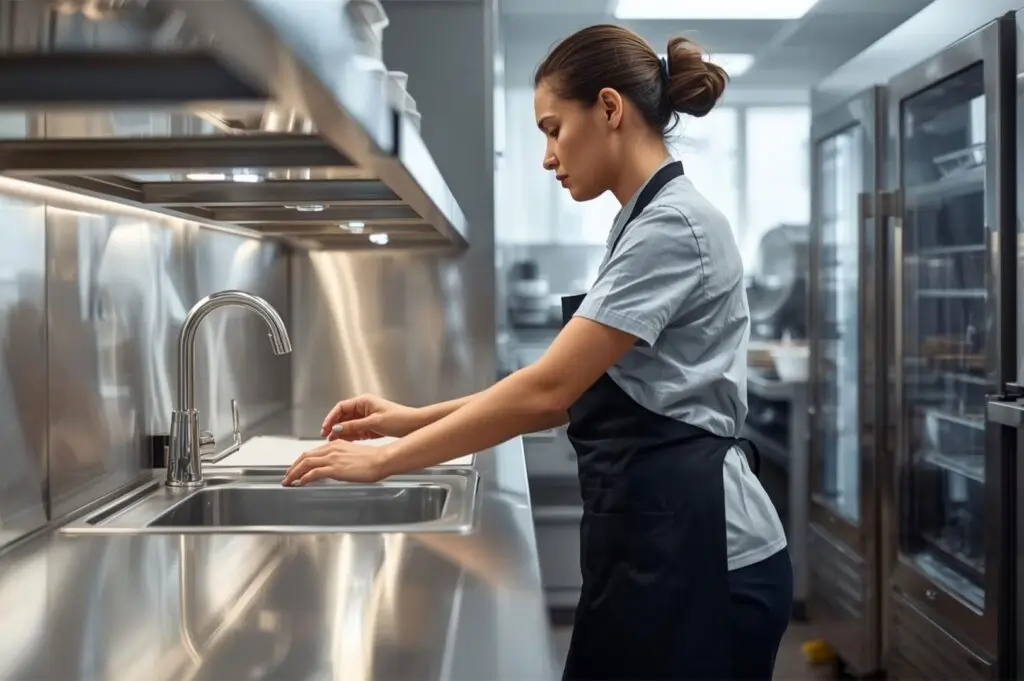
Staff spend long hours on their feet, performing repetitive tasks. Ergonomic kitchen furniture design reduces physical strain and burnout. Work surfaces should be 850–900mm high for comfortable daily life use, while cabinets, drawers, and storage must be placed for easy reach. A proper kitchen layout ensures smooth movement patterns between the sink, stove, counter space, and kitchen island.
Durability: Materials That Withstand Commercial Use
A restaurant kitchen is intense. Kitchen units must resist heat, moisture, and harsh cleaning chemicals. Food-grade stainless steel remains the gold standard, with granite, marble slab, or marble backsplash surfaces providing luxury options for dream kitchen aesthetics. Choosing materials that resist scratches, stains, and wear ensures longevity while maintaining elegance—selecting scratch-resistant surfaces is especially important in high-traffic restaurant kitchens.
Space Efficiency: Maximizing Small Singapore Kitchens
In compact Singapore kitchens, vertical space is crucial, especially when maximizing functionality in a small space. Wall-mounted cabinets, overhead racks, and multi-functional kitchen islands maximize storage and functionality. Clever modular kitchen design allows small appliances to integrate seamlessly, while custom cabinetry optimizes irregular corners. Efficient kitchen interior design ensures every square meter contributes to workflow and daily life ease.
Kitchen Styles and Trends
Today’s kitchen styles and trends offer endless inspiration for creating a space that reflects your personality and meets your needs. From sleek, modern kitchens with clean lines and minimalist cabinetry to traditional designs that exude warmth and charm, there’s a style for every taste. L-shaped layouts are popular for maximizing space and workflow, while bold colors and marble backsplashes add a touch of luxury and individuality. Custom cabinetry allows you to tailor storage and organization to your unique requirements, and details like brass hardware and pendant lights can elevate the overall look, making your kitchen stand out. Whether you prefer a classic or contemporary approach, exploring different kitchen designs and styles will help you create a space that inspires and delights.
Types of Kitchen Units Essential for Restaurant Concepts
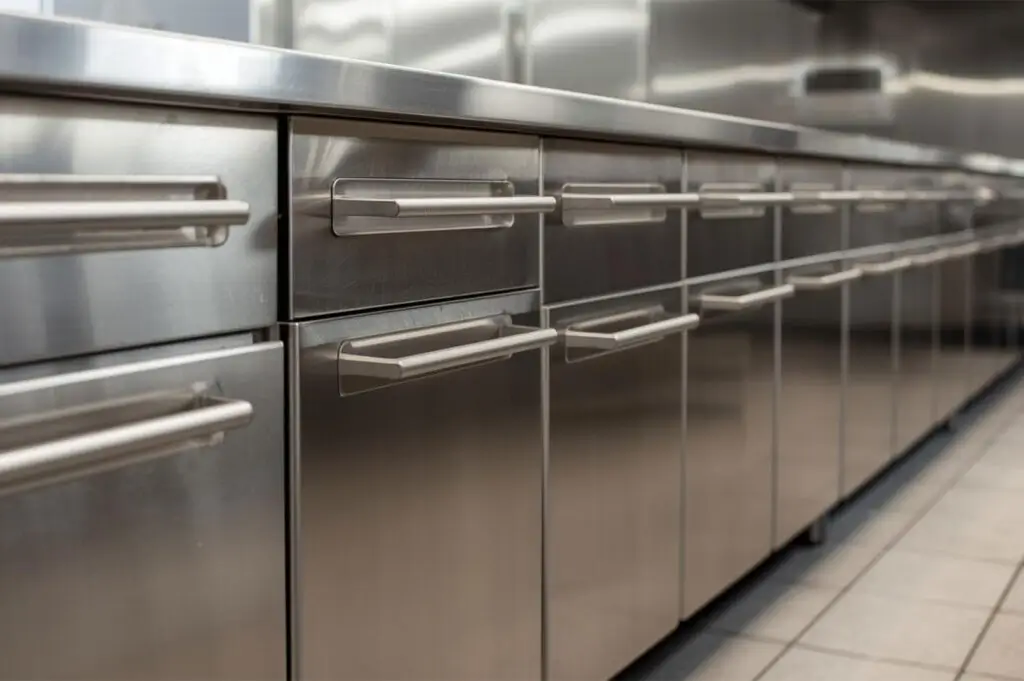
- Prep Stations: Workhorses for food preparation, featuring counter space, drawers, and storage for ingredients.
- Service Counters (Pass-Throughs): Efficient handoff points between kitchen and dining area.
- Assembly Units: Ideal for linear, assembly-line operations such as sandwich shops or modern kitchen concepts.
- Specialized Units: Cuisine-specific setups, from low-boy wok stations to kitchen islands for pastry prep or display kitchens, often featuring a cooktop as a central element in modern kitchen concepts designed for both cooking and socializing.
Material Selection for Kitchen Furniture
Selecting materials is a balance of durability, hygiene, and style:
- Framework: Stainless steel or wood for structural and visual appeal.
- Countertops: Stainless steel, granite, or marble slab/backplash for durability and elegance.
- Cabinetry: Custom cabinetry enhances workflow and kitchen interior design aesthetics. Consider incorporating glass cabinet doors or panels to reflect light and create a brighter, more open space.
Modular vs. Custom Kitchen Unit Design
Modular Kitchen Units: Cost-effective, quick to install, suitable for standard spaces.
Custom Kitchen Units: Tailored to your kitchen layout, maximizing efficiency and functional space, ideal for dream kitchen setups.
Hybrid approaches often combine modular cabinets with custom cabinetry for a fully optimized workflow.
Designing for Staff Movement and Multi-Station Kitchens
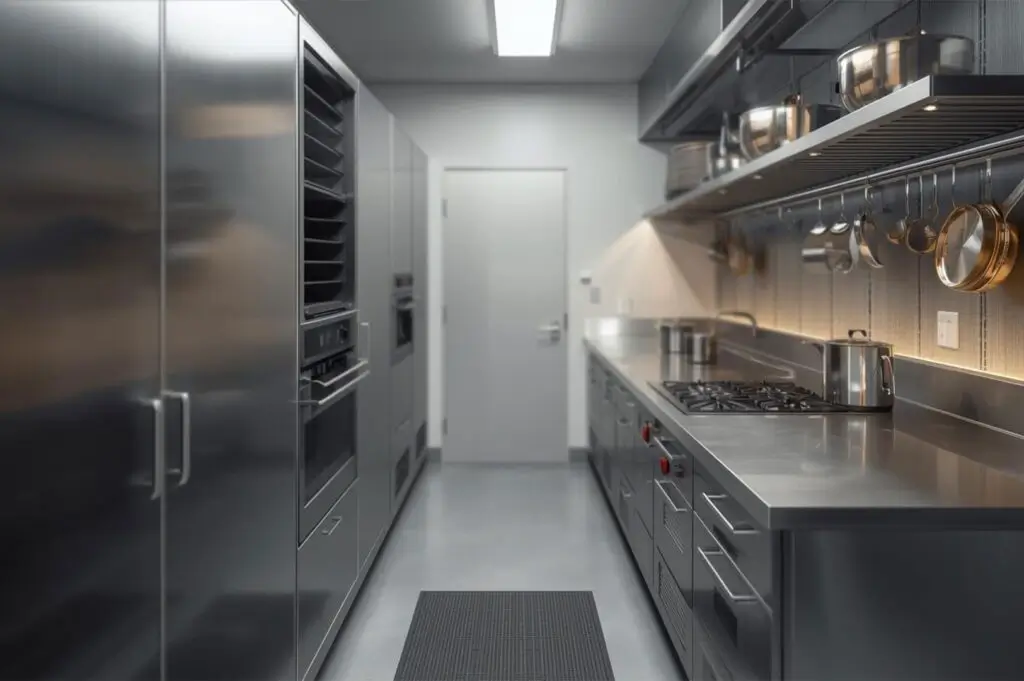
Kitchen layout should support the “dance” of service, as the arrangement and shape of kitchen furniture directly influence movement and workflow, providing wide aisles, kitchen islands, and open stations for communication. Functional kitchen furniture ensures every staff member can move efficiently while maintaining safety.
Integration with Equipment and Utilities
Kitchen design ideas must account for refrigerator placement, stove, sink, small appliances, utility connections, and the position or removal of walls to optimize equipment layout and workflow. Proper ventilation over hot-lines and thoughtful kitchen unit placement ensure compliance and safety in busy kitchens.
Height, Depth, and Spacing Standards
- Work Surface Height: 850–900mm
- Counter Depth: 600–750mm
- Aisle Widths: 900–1200mm
Adhering to these standards ensures ergonomic comfort, efficiency, and compliance.
Configurations That Maximize Small Spaces
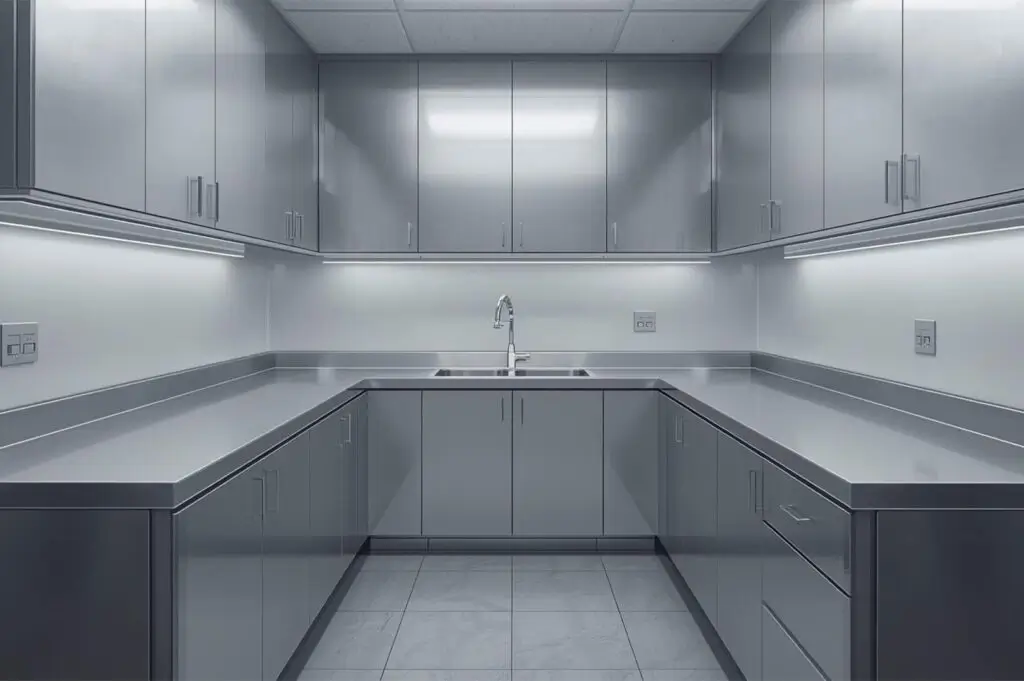
- L-Shaped: Efficient corners with kitchen cabinets and prep areas.
- Island Units: Multi-functional hub for food preparation and entertaining, ideal for preparing a variety of meals, from quick snacks to elaborate dishes.
- Wall-Mounted Units: Increases floor space and reflects light for a sense of openness.
- Mobile Units: Flexible kitchen furniture for rearrangement or deep cleaning.
Kitchen Ideas and Inspiration
Finding the right kitchen ideas can spark creativity and help you design a space that is both functional and beautiful. Inspiration can come from a variety of sources, such as design magazines, social media, and home renovation websites, as well as visits to showrooms and conversations with experienced designers. When planning your kitchen, consider how the layout will support food preparation, storage, and entertaining, ensuring the space works for your daily life.
Even a small kitchen can be transformed with clever storage solutions and efficient kitchen layouts. For practical guidance on maximizing storage and creating functional kitchen units, click here to explore our article Kitchens with Cabinets: Essential Storage Solutions for Restaurant Renovations in Singapore.By gathering ideas and focusing on what matters most to you, you can create a kitchen that is perfectly suited to your needs and filled with inspiration for every meal and gathering.
Sustainable Kitchen Design
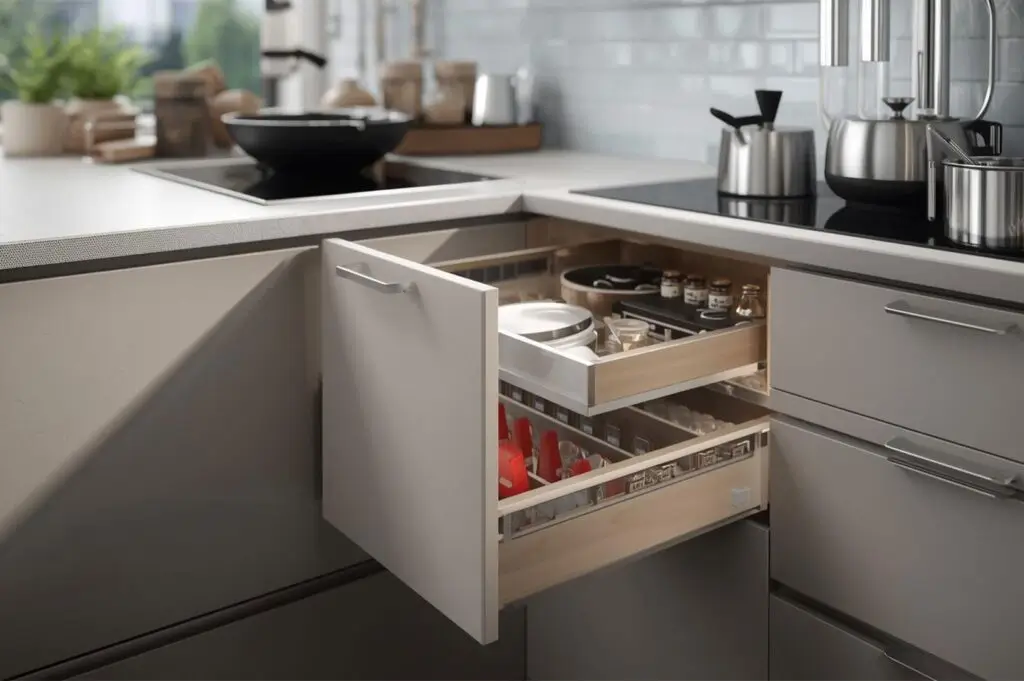
Sustainable kitchen design is gaining popularity as more homeowners seek to create spaces that are both environmentally responsible and budget friendly. By choosing eco-friendly materials, energy-efficient appliances, and smart storage solutions, you can design a kitchen that minimizes waste and maximizes functionality. Sustainable choices don’t have to compromise on style—there are plenty of attractive, affordable options for cabinets, countertops, and flooring that support a greener lifestyle. Thoughtful kitchen design can help you create a space that is not only beautiful and functional but also contributes to a healthier home and planet, all while staying within your budget.
Impact on Staff Productivity and Safety
A strategic design for kitchen furniture increases productivity and reduces risks of injury. Proper kitchen layout, spacing around hot equipment, and thoughtful placement of stove, sink, and counter space create a safe, functional, and enjoyable workspace. Staff can enjoy cooking without unnecessary strain, making the kitchen a productive living space that can inspire staff to achieve higher levels of performance and creativity.
Budget Allocation
Kitchen furniture accounts for 15–25% of renovation budgets. Invest in high-use items like prep stations, kitchen islands, and custom cabinetry, and economize on storage where durability is less critical. A long-lasting modern kitchen design saves money over time.
Shop for the best value in kitchen furniture and materials to maximize your investment.
Collaboration With Renovation Contractors
Experienced renovation contractors in Singapore ensure your kitchen remodel is executed flawlessly, whether you are looking to design and build your kitchen from scratch. Provide detailed kitchen interior design plans, coordinate installation sequences, and perform quality checks to maintain safety and aesthetics.
Conclusion
The design for kitchen furniture and units forms the backbone of operational excellence in restaurants. Thoughtful kitchen interior design, efficient kitchen layout, and durable custom cabinetry transform kitchens into dream kitchens where staff can perform at their best. Investing in talented designers and renovation contractors ensures your kitchen is both functional and elegant, making your restaurant a model of productivity, style, and efficiency, with smart storage strategies and practical cabinet solutionsthat enhance workflow and overall kitchen performance.