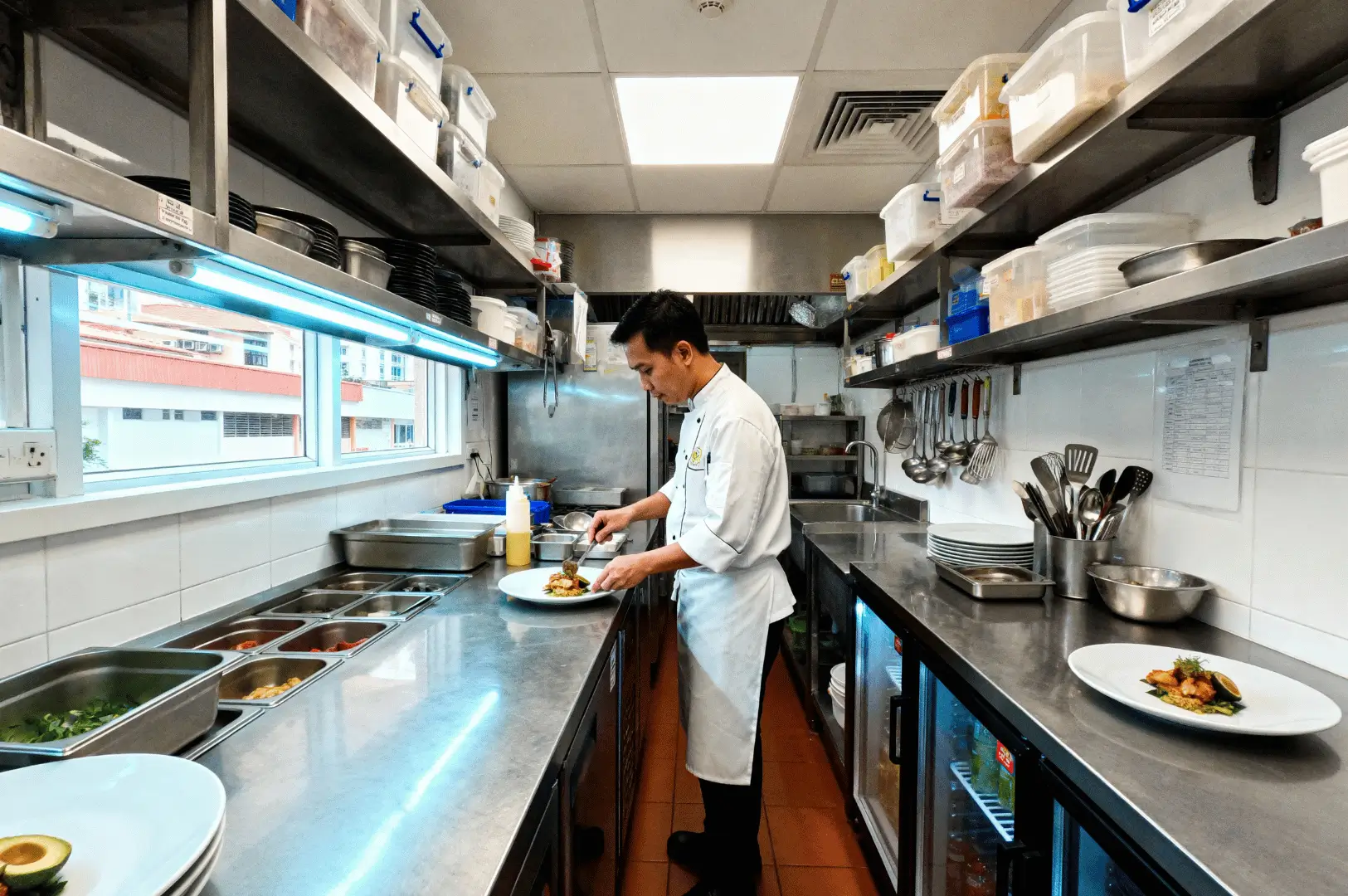

In Singapore’s dense urban landscape, where over 80% of food and beverage establishments operate in spaces under 150 square meters, making the most of every square inch is not just an option—it’s vital. Many restaurant owners dream of a larger kitchen space, but the reality is working with a small kitchen, tight spaces, and limited square footage. This physical constraint is one of the toughest challenges in the industry, leading to limited storage space, restricted counter space, and a small room that can feel endlessly crowded. Yet, through expert advice and creative kitchen design, it is possible to create a kitchen that produces more output than its size suggests.
By adopting small kitchen ideas—smart layout strategies, kitchen storage inspiration from interior design platforms like Elle Decor** or Architectural Digest**, innovative equipment, and more storage via vertical solutions—you can save space, increase natural light flow, and improve your kitchen’s aesthetic appeal. This article is your inspiration and practical guide to transforming even a tiny kitchen into a powerhouse of culinary efficiency. For those exploring kitchen ideas in Singapore or seeking kitchen design solutions, this guide covers every aspect—from assembly-line workflow and galley kitchen layouts to installing floating shelves, maximizing wall space, and making every square inch count. If your goal is to create an open floor plan, enhance storage, or simply make your small kitchen feel bigger, you’ll find proven strategies here.
Understanding Kitchen Space & Workflow Fundamentals
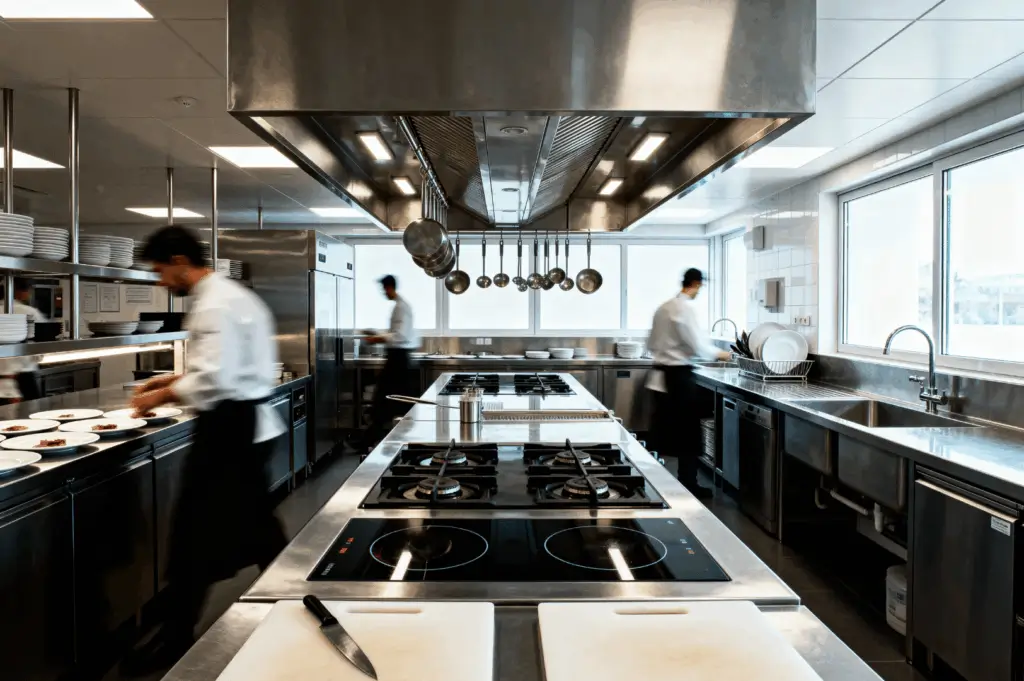
At its core, an efficient small kitchen relies on streamlined movement, clever use of space, and a clear system for food prep and finishing dishes. Kitchens should flow like assembly lines—smoothly, efficiently, and without obstruction. Focusing on designated zones in your kitchen design ensures every square inch is used intentionally, not wasted.
- Storage Zone: Dedicated place for dry goods, small appliances, large cabinet items, and refrigerated or frozen inventory. Ideally, integrated into existing cabinetry and located near the kitchen entrance for quick unloading.
- Preparation Zone (Prep): Sufficient counter space and cutting boards are essential here. Use open shelving or upper cabinets for storing meal prep essentials.
- Cooking Zone: The area containing stoves, ovens, and sinks, best kept as clutter-free as possible. Pot racks installed overhead and floating shelves are a brilliant way to keep utensils within reach without sacrificing prep area.
- Plating & Service Zone: Even in a small space, a streamlined appearance can be achieved by allocating a simple, designated counter area for final touches and plating before the food leaves the kitchen.
- Dishwashing Zone: Best kept at the periphery to avoid backup. If possible, situate near natural light to improve workflow and make the space feel larger.
Expert Advice: Use traffic flow analysis (spaghetti diagrams) to see how your staff navigates through each kitchen zone. Even small changes, like moving a sink or placing prep tables closer to the cooking zone, can save space and streamline movement.
Case Study: Transforming a Small Kitchen
A busy Tiong Bahru bistro struggled with a cramped, inefficient kitchen and not enough room for simultaneous food prep and plating. After consulting an interior designer, they shifted to a classic galley kitchen setup with open shelving, expanded counter space, and added natural light with reflective surfaces. The result: reduced service time by 20%, more storage for dishes and small appliances, and a kitchen space that finally felt like a dream kitchen instead of an obstacle course.
Small Kitchen Layouts: Galley Kitchen and Other Design Models
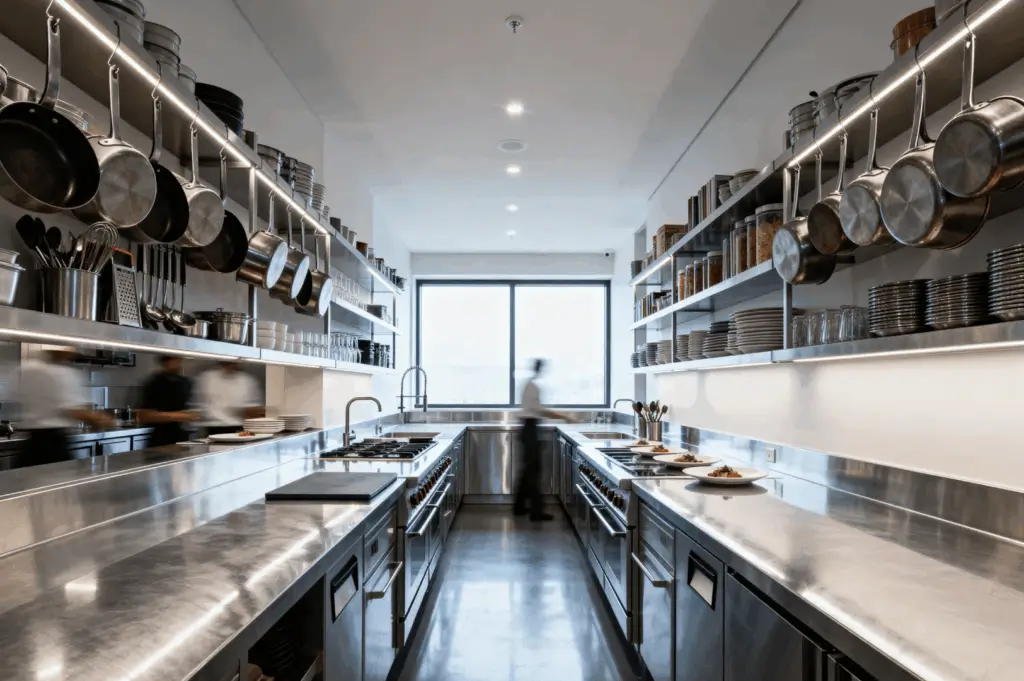
When thinking about small kitchen ideas, layout is everything. Your choice of layout should make the most of your available storage space, wall space, and floor space.
Galley Kitchen
A favorite for small space constraints, the galley kitchen design involves two parallel counters with a central aisle—ideal for maximizing both wall and counter space.
- Pros: Efficient for food prep; allows natural light flow if positioned well; creates a streamlined appearance.
- Cons: May not have enough room for a kitchen island, but clever design (e.g., small island or rolling cart) can compensate.
- Best For: Fast-casual, high-output kitchens or old shophouse conversions where every square inch is critical.
L-Shaped Configuration
Make the most of a small room by fitting counters along two adjacent walls, forming an L.
- Pros: Utilizes awkward corners for more storage (think deep corner cabinetry or rotating shelves); preserves open floor plans and improves visual interest.
- Cons: Dead zones can occur if not well-planned; custom cabinetry may be required.
- Creative Twist: Install floating shelves in corner areas to keep kitchen storage accessible and airy.
U-Shaped or C-Shaped Designs
Maximize wall space and kitchen storage by using three walls.
- Pros: Keeps everything—pots, pans, cutting boards, and food prep supplies—close at hand with minimal movement.
- Cons: May feel enclosed if the space doesn’t have enough natural light or if upper cabinets are too bulky.
- Best For: Bakeries or restaurants where food prep stations rotate roles throughout service.
Small Island or Peninsula
Even in a tiny kitchen, a small island can dramatically increase both prep area and storage space.
- Note: Use as a multi-purpose prep surface, a place to house small appliances, or add storage below. Make sure there’s enough room for staff to circulate, especially in tight spaces.
Kitchen Design: Open Shelving vs. Cabinets
- Open Shelving is perfect for displaying dishes, adding more light, and making space feel larger. It also encourages staff to keep areas tidy.
- Existing Cabinetry can be refreshed with new doors, green cabinets for a color pop, or by removing a few doors to create a partially open look. Maximize storage by adding organizers, tray dividers, and converting one large cabinet into a stack of smaller drawers.
Floating Shelves, Upper Cabinets, and Vertical Space
Making the most of vertical space is essential in any small kitchen. In addition to upper cabinets and open shelving, floating shelves are a brilliant way to save space and maintain a streamlined aesthetic.
How to Install Floating Shelves for More Storage
- Use Strong Brackets: Ensure shelves are firmly anchored in wall studs or with professional hardware to support dishes, pots and pans, or even small appliances.
- Visual Interest: Mix open shelving with closed cabinets for a kitchen design pulled from Elle Decor.
- Reflect Natural Light: Place shelves near or opposite windows to bounce daylight into the kitchen, making the room feel larger and more welcoming.
- Pot Racks and Hooks: Use wall space below shelves for utensil racks, pot racks, or for hanging cutting boards—add both functionality and kitchen inspiration.
Safety Tip:
Heavier items should stay on lower shelves; save upper shelves for lighter or less-used items. This not only keeps your kitchen safe but also helps with meal prep efficiency. project.
How to Use Every Square Inch for Food Prep and Storage
In the world of small kitchen design, every square inch must matter. Smart solutions and inspiration from professional interior designers can turn even the tiniest kitchen into one with enough room for cooking, cleaning, and more storage.
Small Appliances and Multi-Purpose Solutions
- Opt for compact, multi-tasking machines: For example, convection toaster ovens, combination microwaves, or stacked refrigerators and freezers.
- Use under-cabinet lighting: Increases both utility and visual space, enhancing food prep areas.
Maximizing Counter Space
- Cutting Boards Over Sinks: Specially designed boards that sit atop your sink instantly expand prep area in a small space.
- Pull-Out Surfaces: Hidden drawers or boards pull out for additional space during peak meal prep times, then tuck away.
Floor Space and Open Floor Plans
Mobile Carts: Rolling carts can store meal prep needs, moving where needed and parked in a small room or beside the kitchen island.
Keep pathways clear: This not only helps with movement economy but also ensures your space feels larger than it is.
Creative Kitchen Storage Solutions and Existing Cabinetry Upgrades
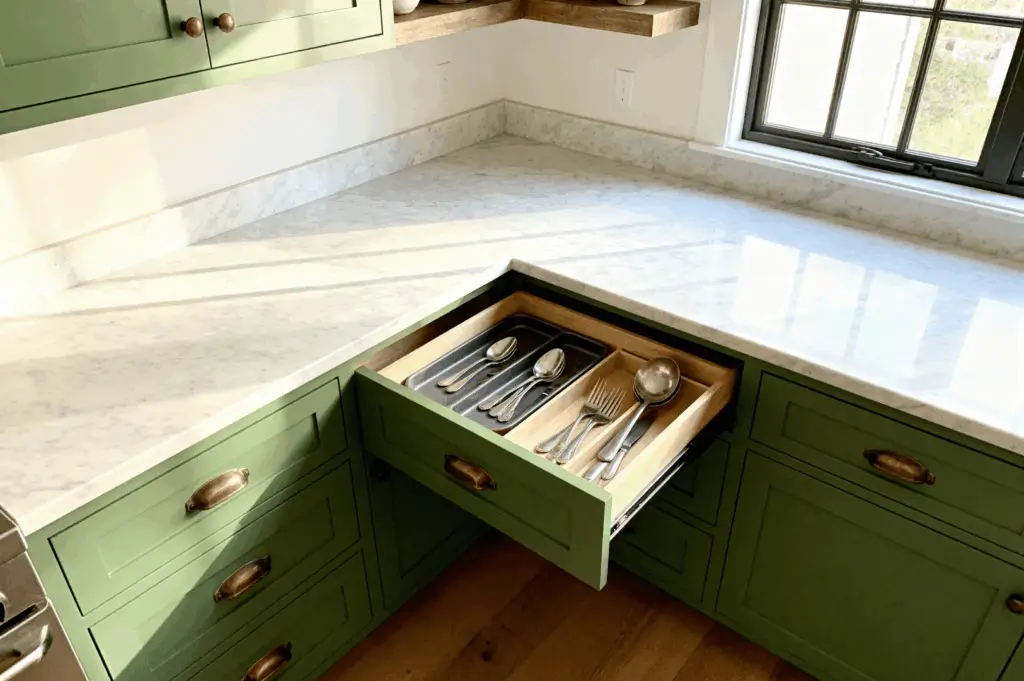
Make Use of Every Nook
- Corner Drawers: Convert corners into pull-out organizers for dishes or pantry goods.
- Toe-Kick Drawers: Use that dead space below lower cabinets for flatware or linens.
- Above-Window Shelves: For rarely-used items or decorative storage, keep the kitchen’s upper bounds in use.
Update Existing Cabinetry
- Reface or Paint: Green cabinets or bright doors add life and reflect more light.
- Dividers and Trays: Organizers help separate large utensils, cutting boards, or pots and pans within one large cabinet.
Add Inspiration & Streamlined Appearance
Small kitchen ideas aren’t just about storage—they’re about making your kitchen’s aesthetic a source of inspiration for you and your team. Use open shelving for accent pieces, display marble veining in countertops for visual interest, and work with an interior designer to fine-tune the look.
Smart Budget Kitchen Ideas
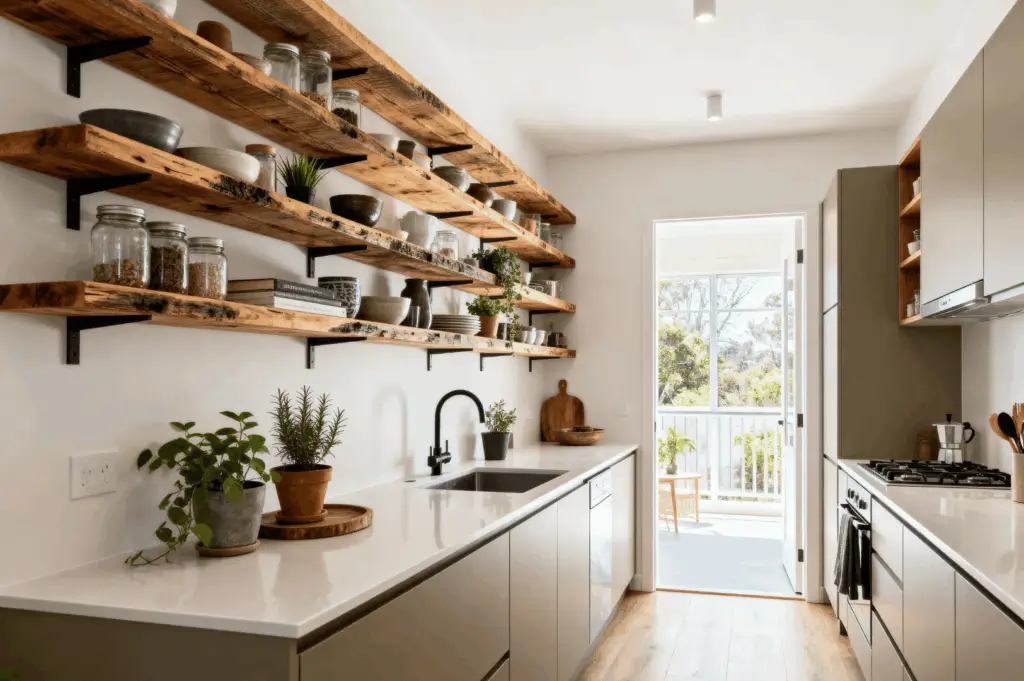
You don’t need to break the bank to realize your dream kitchen. Use a clever mix of affordable floating shelves, open floor plans, and repurposed existing cabinetry for budget-friendly upgrades that maximize both small kitchen storage and kitchen’s visual appeal.
Conclusion: Create a Dream Kitchen No Matter the Size
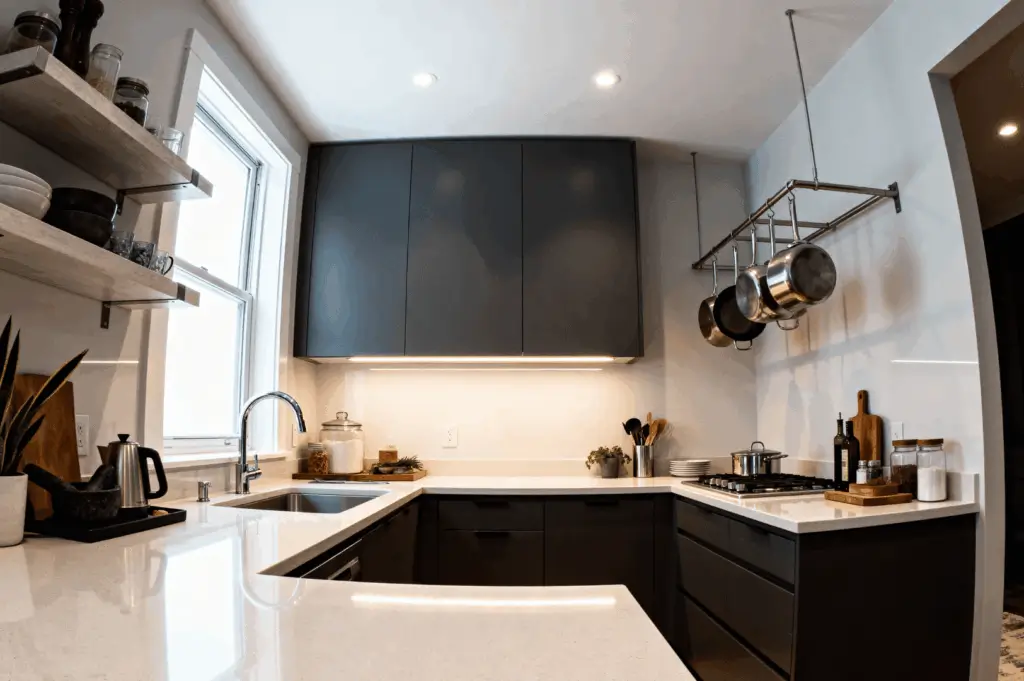
Optimizing your small kitchen means treating every square inch as valuable real estate. From wall space to floor space and every nook in between, smart kitchen ideas and storage solutions can help small rooms feel larger, more efficient, and truly inspiring. With just a few thoughtful changes—adding floating shelves, installing pot racks, or simply rearranging storage—you can transform your small space into a powerhouse of style and function.
For those seeking a streamlined appearance, consult with an interior designer for expert advice unique to your kitchen design needs. Whether you are searching for a kitchen design in Singapore or want to explore small kitchen ideas Singapore, remember that a dream kitchen is defined not by its size, but by its organization, inspiration, and how well it serves your needs.