
When you hear the term eco-friendly design, what comes to mind? For many restaurant owners, it conjures images of scratchy hemp fabrics, dull beige tones, and a general aesthetic that feels more like a compost bin than a chic dining destination. There’s a persistent myth that choosing sustainability means sacrificing style. But what if the opposite were true? What if the most beautiful, durable, and talked-about interiors came from sustainable materials that also reduce environmental impact?
The restaurant industry is at a crossroads. With climate change reshaping consumer values, today’s diners are actively seeking out sustainable restaurants that share their environmental goals. Customers want great food and a space designed with sustainable principles—restaurants that not only deliver memorable meals but also reduce waste, prioritize sustainability, and show a genuine commitment to the planet. Embracing sustainable practices can significantly enhance a restaurant’s operations and ambiance, making it more appealing to eco-conscious guests.
Sustainable restaurant design is no longer just a niche trend for organic cafes; it’s a powerful business strategy. It attracts environmentally conscious consumers, reduces energy bills, and creates interiors that are both stylish and responsible. This guide explores how to incorporate sustainable alternatives into your next project, with a focus on using recycled, natural, and regenerative materials as a key principle in sustainable restaurant design—proving that good design and sustainability can go hand-in-hand.
The Challenge: High Energy Consumption and Environmental Impact
Restaurants are resource-intensive by nature. Designing spaces without regard to sustainable practices leads to serious challenges:
- High Energy Consumption: Excessive heating, inefficient kitchens, and poor insulation drastically increase energy usage and carbon footprint.
- Water Waste: Outdated fixtures drain new resources and put pressure on the environment.
- Material Waste: Demolish-and-replace renovations send tons of debris to landfills. Many conventional materials, like vinyl flooring, also release VOCs that harm indoor air quality.
- Food Waste: Inefficient storage and poor planning can increase operational costs while worsening environmental impact.
Adopting sustainable restaurant design practices can significantly lower energy usage, waste, and overall environmental impact.
Moving beyond this disposable mindset is essential for long-term sustainability in the restaurant industry.
The Benefits of Sustainable Practices in Restaurant Design
Adopting eco-friendly practices delivers measurable returns:
- Lower Energy Bills: Energy efficient appliances, insulation, and lighting can significantly reduce operating costs.
- Marketing Power: A restaurant’s commitment to sustainability is compelling for environmentally conscious consumers and can generate valuable press.
- Healthier Spaces: Using low-VOC materials, natural fibers, and plants improves air quality and air circulation.
- Future-Proofing: Regulations on energy efficiency and waste reduction are tightening—restaurants that incorporate sustainable principles now will avoid costly retrofits later.
Flooring Ideas for Sustainable Restaurant Design
Restaurant flooring must withstand constant foot traffic, food preparation spills, and cleaning. Luckily, eco friendly options excel at both durability and aesthetics:
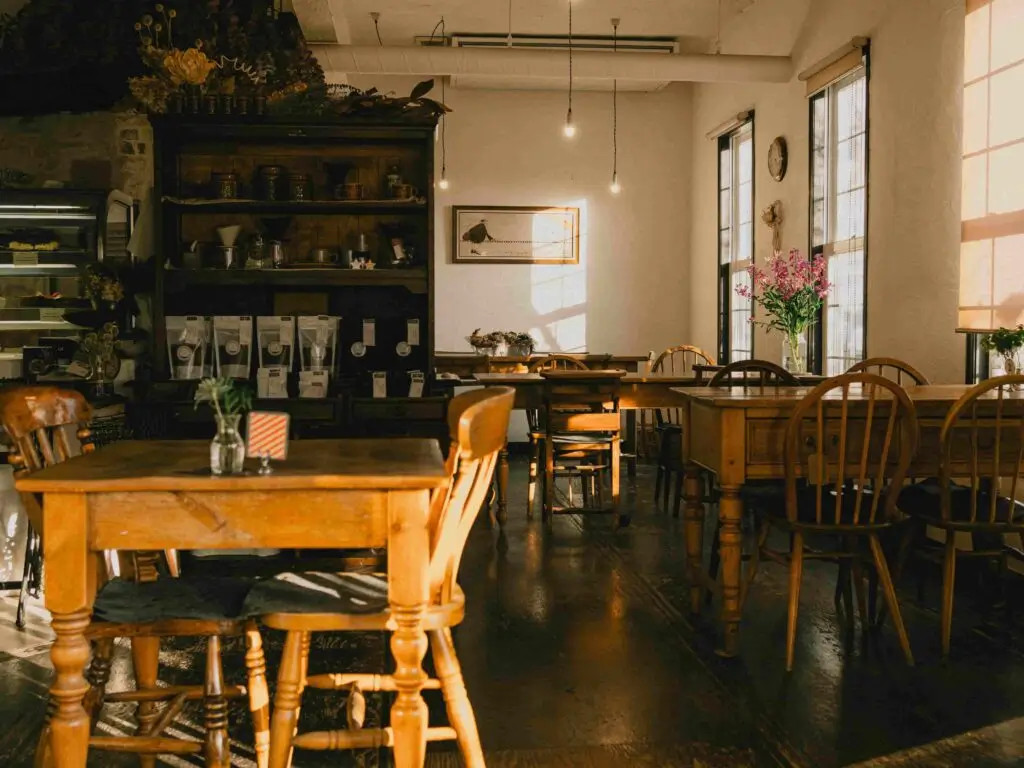
- Reclaimed Wood: Repurposed from barns, factories, and old buildings, it offers warmth and character while preventing the need for new resources. By using reclaimed wood, you help recycle materials that would otherwise go to waste.
- Cork: A rapidly renewable material harvested without harming trees, naturally antimicrobial and cushioned—perfect for reducing strain during long shifts.
- Bamboo: A fast-growing resource, especially when strand-woven, making it as hard as many hardwoods. Ensure adhesives are free from harmful chemicals.
- Polished Concrete: Using the existing slab as the finished floor drastically reduces waste. Sealed with low-VOC coatings, it offers modern style with minimal environmental impact.
Interior Design with Natural Elements
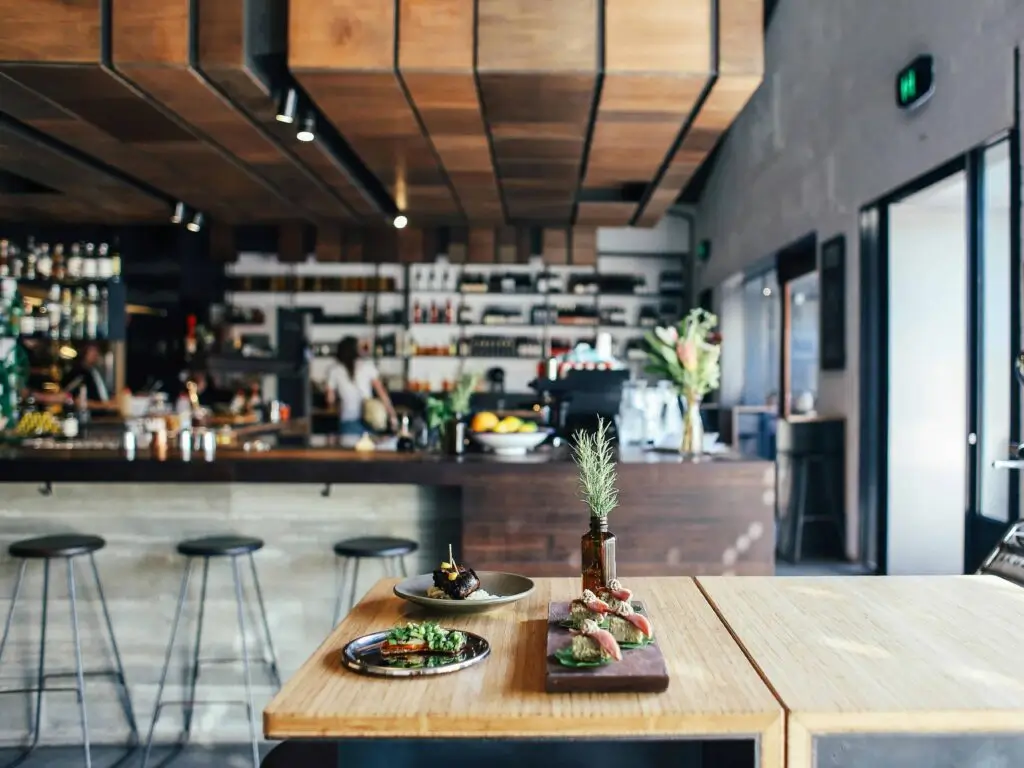
Walls and surfaces set the tone of your restaurant interior. By incorporating natural elements and sustainable alternatives, you can create spaces that impress customers while supporting long run sustainability goals.
- Low-VOC Paints: Available in every color, they improve indoor air quality without sacrificing durability.
- Reclaimed Wood Paneling: Adds warmth and texture while reducing the demand for new resources.
- Natural Plasters: Clay or lime finishes regulate humidity, reduce artificial cooling needs, and can be tinted in earthy tones.
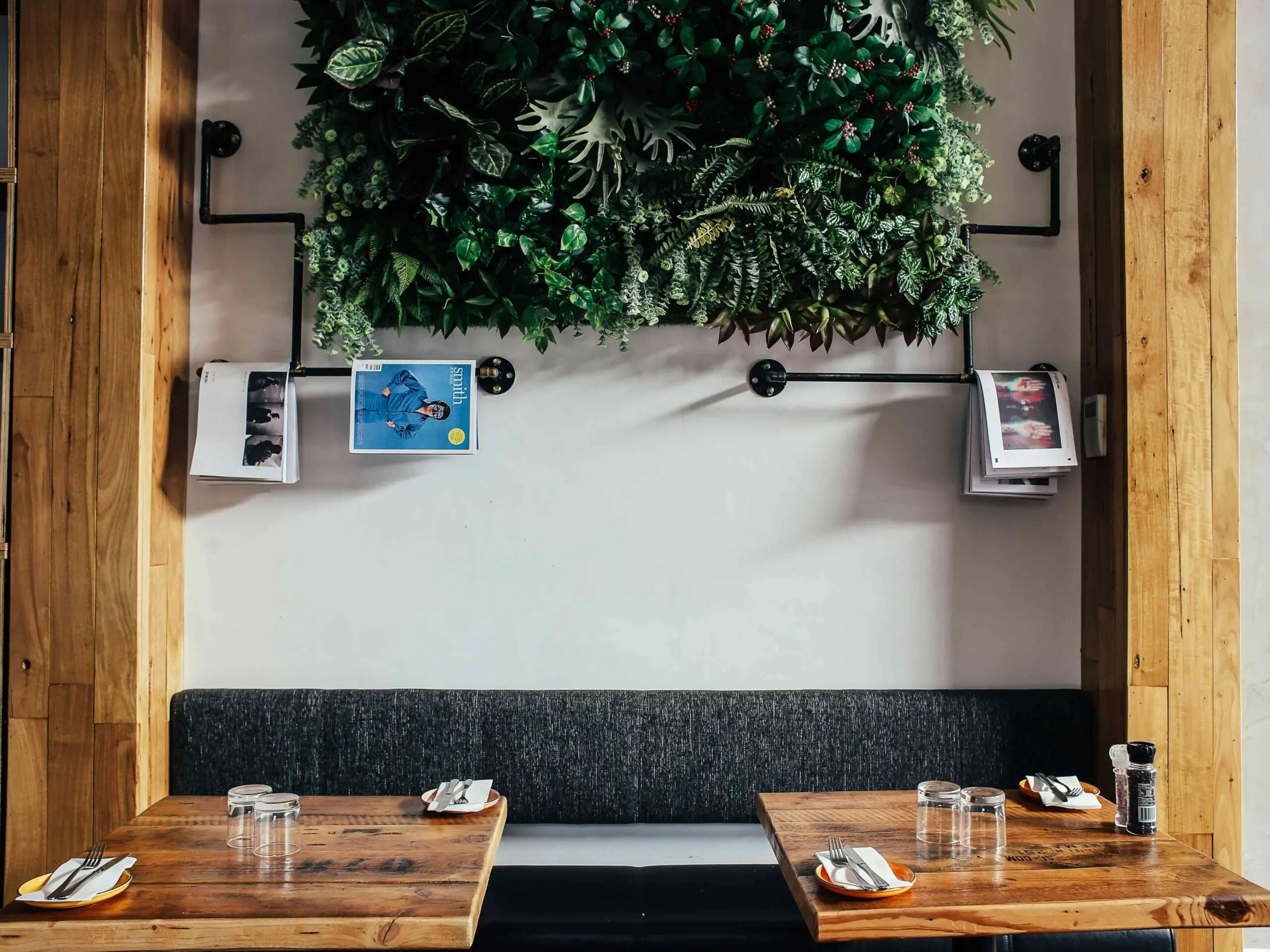
- Green Walls: Living plant installations not only add a stunning focal point but also boost air circulation, reduce excessive heating, and connect diners to natural elements.
Furniture and Fixtures: Stylish, Eco Friendly Choices
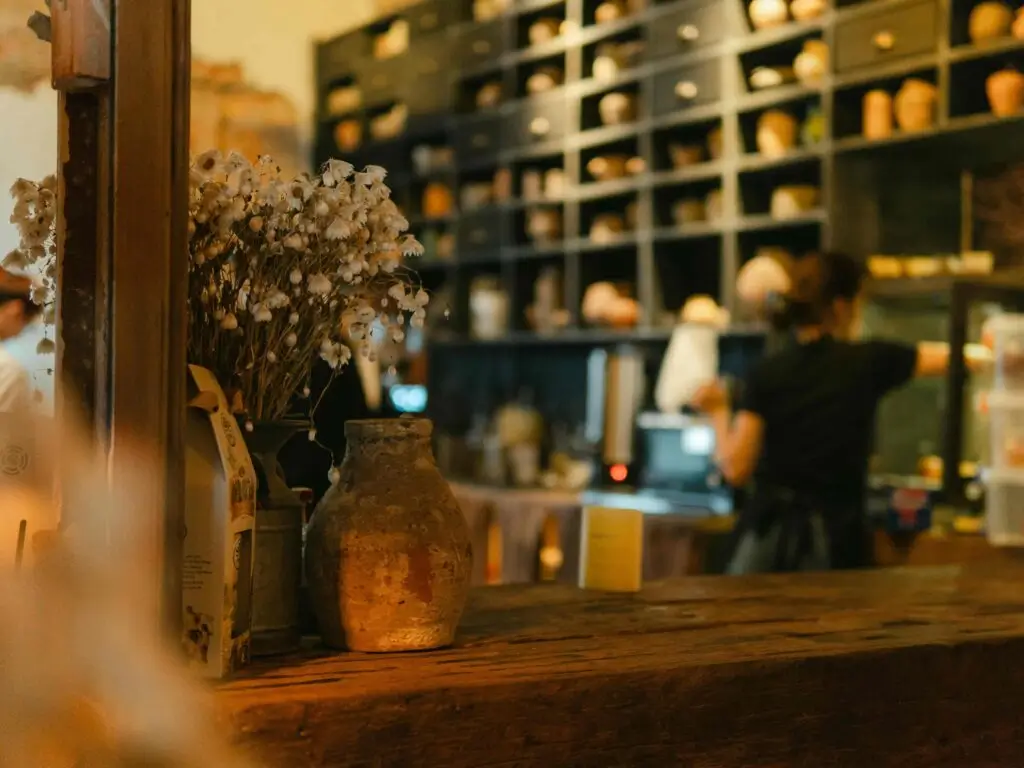
Furniture is a direct touchpoint for guests, making it the perfect opportunity to showcase sustainable practices:
- FSC-Certified Wood: Ensures responsible sourcing of tables, chairs, and countertops.
- Recycled Materials: From chairs made of recycled plastics to tabletops crafted out of reclaimed wine bottles, these sustainable alternatives combine innovation with storytelling.
- Vintage and Secondhand: Buying pre-owned is the ultimate way to reduce waste, add character, and lower transportation emissions.
Lighting, Natural Light, and Energy Efficiency
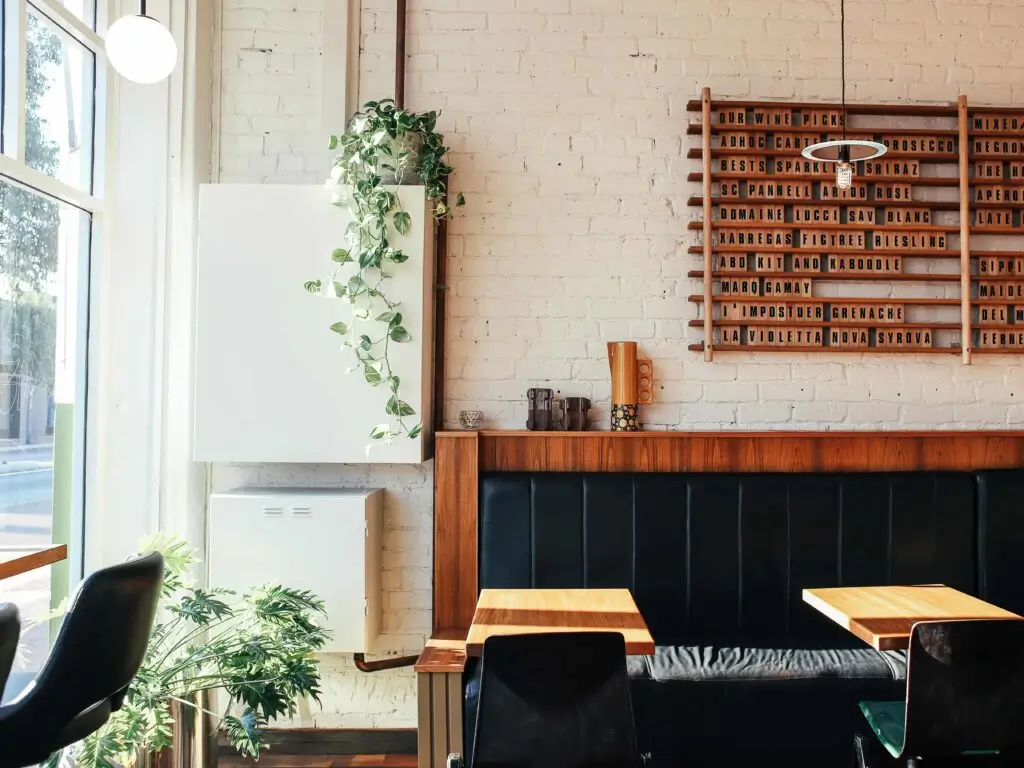
Lighting is critical for ambiance, but it’s also a major source of energy consumption. Smart eco friendly practices can drastically reduce usage:
- LED Lighting: Uses up to 80% less energy, lasts longer, and significantly lowers maintenance costs.
- Dimmers and Controls: Adjust brightness to suit meal periods while cutting unnecessary energy usage.
- Natural Light: Maximize daylight with skylights and windows to reduce artificial lighting needs. A design that welcomes natural elements improves mood and lowers the restaurant’s carbon footprint.
Case Studies: Sustainability in Action
- The Perennial (San Francisco, USA) – A pioneering sustainable restaurant design featuring reclaimed wood flooring, recycled tabletops, and an on-site greenhouse to grow herbs for food preparation. Its blend of eco friendly aesthetics and functionality offered valuable insights for the industry.
- Silo (East London, UK) – Famous as the world’s first zero-waste restaurant, Silo uses upcycled materials, fixtures made from seaweed, and wall panels of compressed packaging waste. This restaurant interior showcases how sustainable materials and waste reduction can create one of the most stylish dining spaces in London.
Sourcing Sustainable Materials and Local Suppliers
Finding sustainable options is easier than ever:
- Local Suppliers: Reduce transportation emissions while supporting community businesses. Many even collaborate with local farms to provide reclaimed wood, natural fibers, or recycled resources.
- Certifications: Look for FSC, GREENGUARD, or Cradle to Cradle for assurance of sustainable practices.
- Innovation: From recycled furniture to solar panels that drastically reduce energy usage, forward-thinking suppliers can provide cutting-edge solutions.
Measuring Sustainability: Tracking Your Impact
For restaurants committed to sustainability, tracking progress is essential to achieving meaningful results. By regularly monitoring key metrics such as energy consumption, food waste, and water usage, restaurants can gain valuable insights into their environmental impact and identify opportunities for improvement. Utilizing energy-efficient appliances and LED lighting can help significantly reduce energy consumption, while also lowering operational costs and supporting long-term sustainability.
Implementing sustainable practices like recycling, composting, and waste reduction not only minimizes a restaurant’s carbon footprint but also aligns with the growing expectations of the restaurant industry. By collecting and analyzing data on these initiatives, restaurants can make data-driven decisions that further reduce their environmental impact. This ongoing process of measurement and adjustment ensures that sustainability efforts remain effective and responsive to changing needs.
Ultimately, tracking sustainability is about more than just numbers—it’s about creating a culture of accountability and continuous improvement. By measuring their impact, restaurants can demonstrate their commitment to environmentally friendly practices, inspire staff and customers, and contribute to a more sustainable future for the industry as a whole.
Customer Experience and Perception of Sustainable Design
The way customers perceive a restaurant’s commitment to sustainability can have a profound impact on their overall experience and loyalty. By thoughtfully incorporating sustainable materials, recycled materials, and energy-efficient appliances into the restaurant’s design, owners can create a distinctive atmosphere that appeals to environmentally conscious consumers. These eco-friendly practices not only enhance the visual appeal of the space but also communicate a restaurant’s values and priorities.
By prioritizing sustainability in both design and communication, restaurants can create memorable experiences that resonate with today’s consumers—turning environmental responsibility into a powerful driver of business success.
Cost Considerations and Long-Term Sustainability
The misconception that eco friendly options are always more expensive overlooks long run ROI:
- Lifecycle Value: While a cheap laminate may last only a few years, reclaimed wood or bamboo flooring can endure for decades.
- Energy Efficiency: Installing energy efficient appliances and LED lighting can significantly reduce energy bills and quickly pay back the investment.
- Brand Value: A restaurant’s commitment to sustainability creates loyalty among environmentally conscious consumers who are willing to support businesses aligning with their values.
Implementation and Maintenance: Ensuring Lasting Results
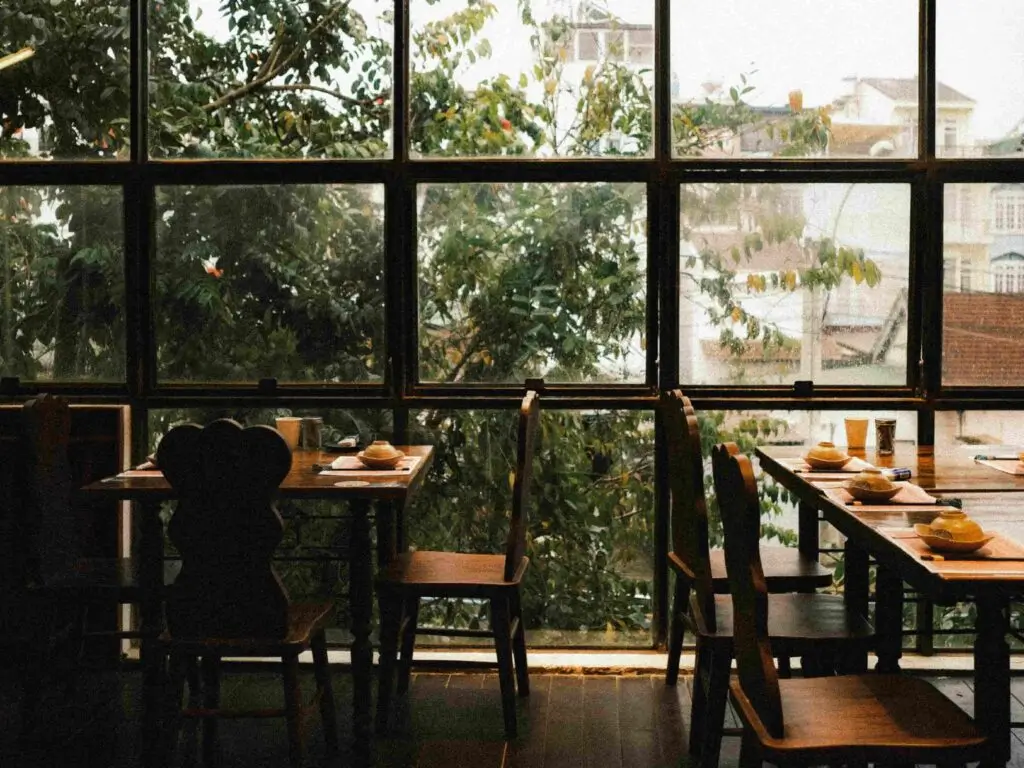
Achieving long-term sustainability in restaurant design requires more than just initial investment—it demands careful implementation and ongoing maintenance. By selecting sustainable materials such as bamboo and recycled materials, and installing energy-efficient appliances, restaurants can create spaces that are both environmentally friendly and cost-effective over time. However, the true impact of these choices depends on consistent upkeep and regular evaluation.
Establishing a maintenance routine that includes monitoring energy consumption, tracking waste reduction, and ensuring the continued performance of energy-efficient systems is essential. Ongoing staff training and education help reinforce sustainable practices and keep everyone aligned with the restaurant’s environmental goals. By staying proactive and responsive, restaurants can address challenges as they arise and ensure that their sustainable initiatives deliver lasting benefits.
Designing Spaces for a Better Future
At its best, sustainable restaurant design is the fusion of ethics, aesthetics, and functionality. It’s about designing spaces that serve delicious food while meeting environmental goals. By embracing sustainable practices, incorporating natural elements, and using eco friendly options, restaurants can drastically reduce their environmental impact and create spaces that resonate with modern consumers.
When you prioritize sustainability, you don’t just design a restaurant—you create a space that inspires, reduces waste, and connects with both community and planet. For restaurant owners, it’s not just about style or responsibility—it’s about building a legacy of long term sustainability. For inspiration on creating nature-infused, eco-conscious dining spaces, check out our Biophilic Restaurant Design article at Restaurant Renovations.