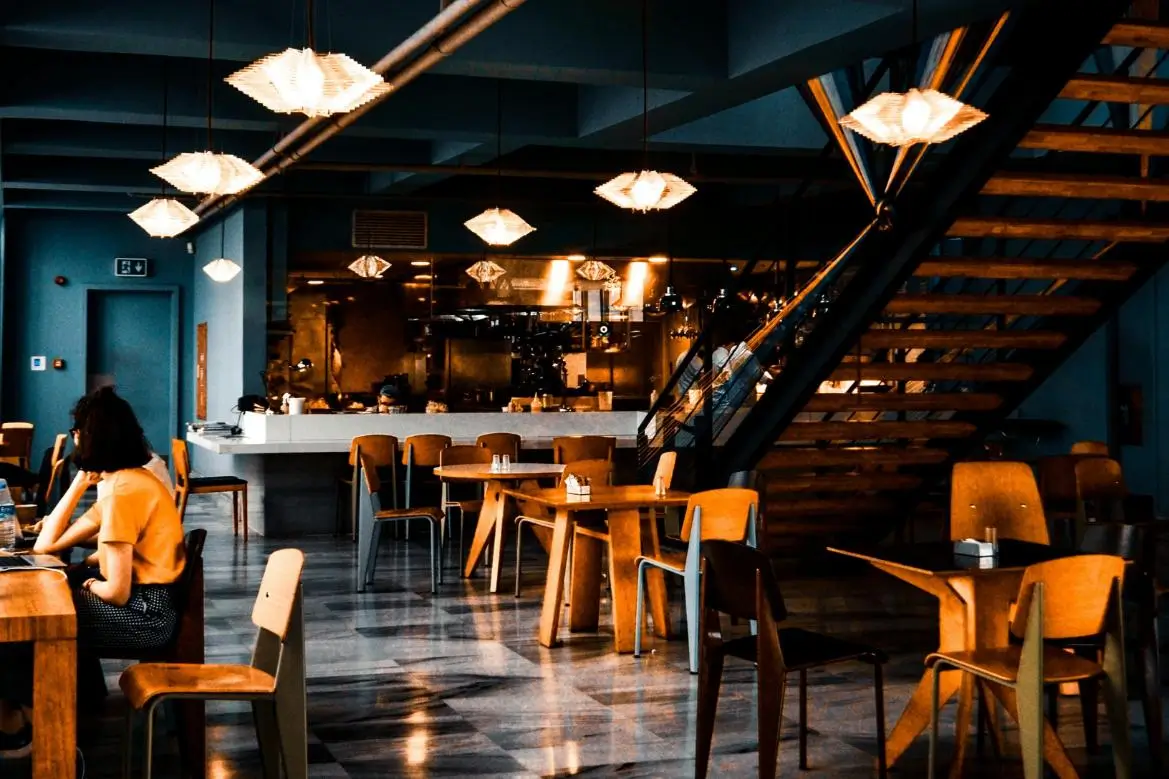

In Singapore’s ultra-competitive restaurant landscape, where over 32,000 food establishments vie for customer attention, the difference between thriving and merely surviving often comes down to one crucial factor: strategic interior design. With dining options on every corner and consumers increasingly sophisticated in their expectations, restaurants can no longer rely solely on excellent food to guarantee success. Today, the role of the interior designer has become as essential as that of the chef.
Smart interior design has evolved beyond aesthetics and now incorporates art, architecture, and technology to create unique restaurant environments. It has become a powerful business tool that directly impacts customer behavior, operational efficiency, and ultimately, your bottom line. From the psychology of color choices that influence spending patterns to space optimization that maximizes table turnover, every design decision contributes to a complex ecosystem of customer experience and business performance.
Restaurant Renovation SG provides you a comprehensive guide explores how industry professionals, architects, and design studios in Singapore are leveraging interior design to create competitive advantages, navigate complex regulatory requirements, and future-proof their projects. Whether you’re planning a complete renovation or considering targeted improvements, understanding these strategies will help you make informed decisions that transform your space into a revenue-generating asset.
How Interior Designers Drives Restaurant Performance in Singapore
Strategic interior design delivers measurable business results that extend far beyond visual appeal. According to research by the Design Singapore Council and Bloom Intelligence, effective restaurant interior design plays a major role in increasing customer dwell time and sales. By enhancing elements like ambiance, seating comfort, and spatial flow, restaurants can encourage guests to stay longer — leading to higher order values and repeat visits (Designing Dining, DesignSingapore Council; Bloom Intelligence, 2024).
The relationship between design and financial performance becomes particularly evident in table turnover optimization. While conventional wisdom suggests faster turnover always means more profit, successful Singapore restaurants use interior design to achieve the perfect balance between efficiency and customer satisfaction. Strategic lighting transitions, comfortable yet purposeful furniture, and subtle environmental cues guide customers through their dining experience at an optimal pace.
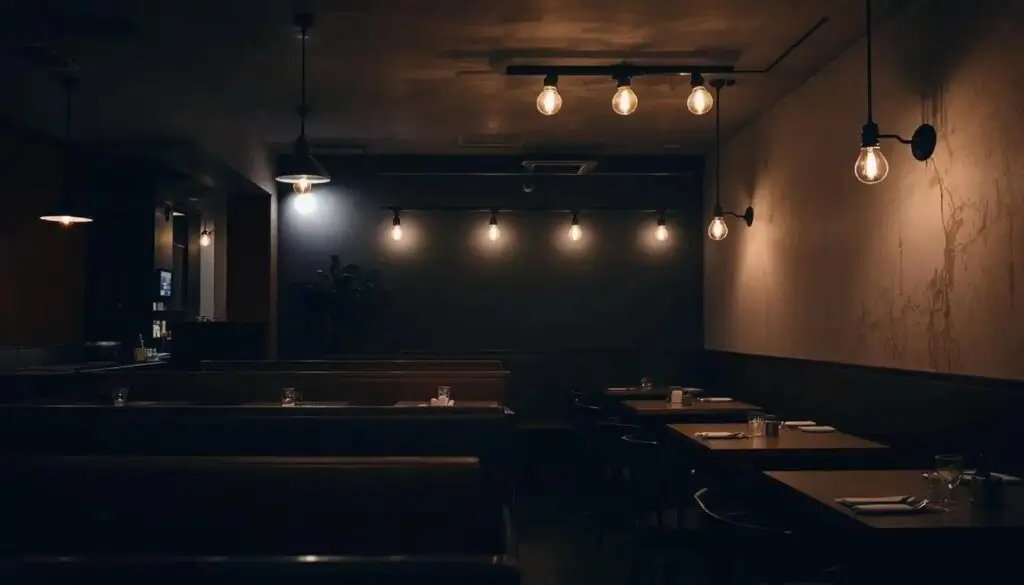
Color psychology and lighting design wield significant influence over customer spending patterns. Studies conducted across Singapore’s diverse dining scene demonstrate that warm lighting increases order values by 15–20% compared to harsh fluorescent alternatives. This occurs because warm, amber-toned lighting makes food appear more appetizing while creating a relaxed atmosphere that encourages customers to explore menu options and add-ons. Lighting, color, and furniture choices complement each other to create a cohesive and inviting room environment, enhancing both the aesthetic and the overall customer experience.
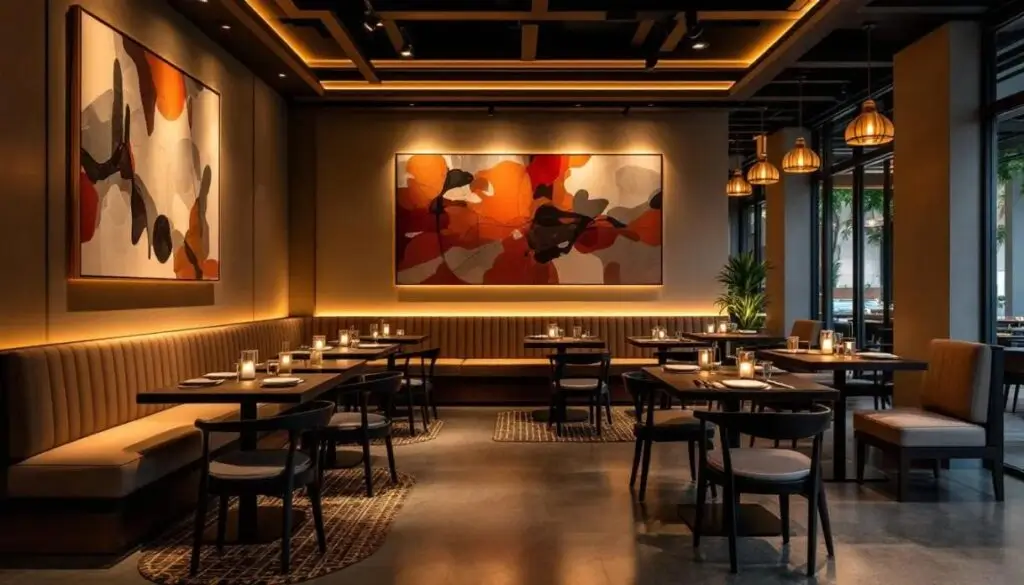
Functional design also reduces operational costs through improved staff efficiency and reduced maintenance requirements. A well-planned layout minimizes unnecessary staff movement, reduces order errors, and creates intuitive workflows that new team members can quickly master. These operational improvements compound over time, creating substantial cost savings that directly improve profit margins.
The impact extends to brand perception and customer loyalty. Restaurants with thoughtfully designed interiors command higher prices, generate more positive reviews, and achieve greater customer retention rates. In Singapore’s image-conscious dining culture, where social media sharing drives significant word-of-mouth marketing, visually appealing spaces become powerful marketing tools that generate organic promotion.
Psychology of Restaurant Interior Design and Customer Behavior
Understanding the psychological impact of interior design elements allows restaurant owners to influence customer behavior in subtle yet powerful ways. Color psychology forms the foundation of this approach, with different hues triggering specific emotional and physiological responses that directly affect dining decisions.
Warm color palettes featuring reds, oranges, and yellows stimulate appetite and encourage faster dining, making them ideal for quick-service restaurants and casual dining concepts targeting high turnover. These colors increase heart rate slightly and create a sense of urgency that keeps customers moving efficiently through their meals. Conversely, cool colors like blues and greens create calm, relaxed environments suitable for fine dining and longer meal experiences where customer comfort and leisurely dining enhance the perceived value.
Ceiling height significantly impacts customer perception and behavior. Higher ceilings promote creativity and relaxed dining, encouraging customers to linger and explore menu options. Research shows that diners in spaces with ceilings above 10 feet are 40% more likely to order dessert and beverages beyond their main course. Lower ceilings create intimacy and focus, making them effective for romantic dining concepts or business meeting environments where conversation privacy is valued. The chosen style of the restaurant—whether modern, rustic, or traditional—also shapes the overall atmosphere and customer experience, influencing how guests perceive the space and interact within it.
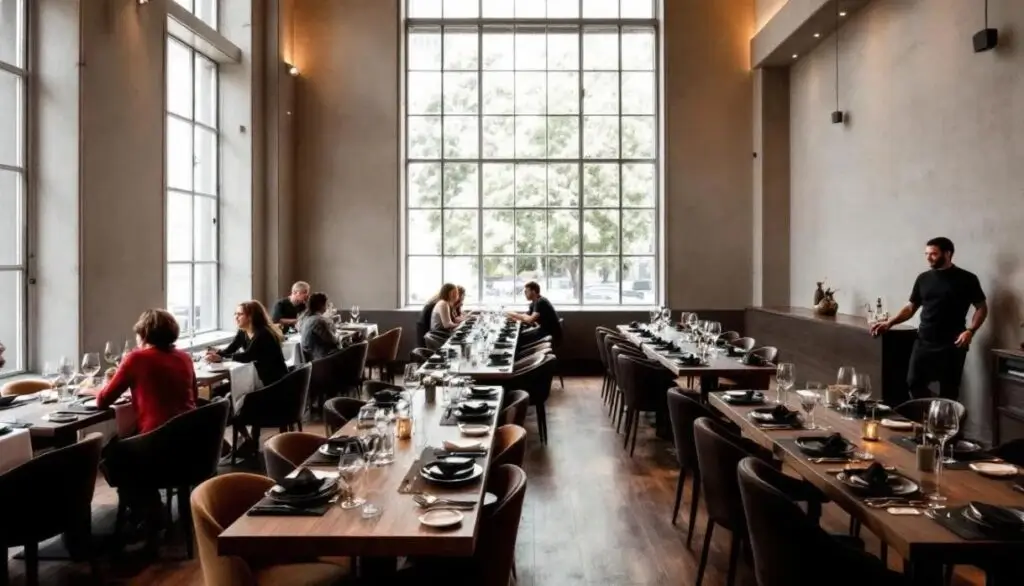
Music volume and acoustics design should maintain 55-65 decibels for optimal conversation and dining comfort. Sound levels above 70 decibels increase stress hormones, leading to faster eating and reduced satisfaction scores. Effective acoustic design uses a combination of soft furnishings, strategic wall treatments, and sound-absorbing materials to create environments where conversation flows naturally without strain.
Strategic mirror placement creates the illusion of larger spaces and encourages social dining behaviors. Mirrors positioned to reflect attractive design elements or natural light can make compact Singapore restaurant spaces feel significantly more spacious. However, placement requires careful consideration – mirrors reflecting diners can create self-consciousness, while those reflecting food preparation areas or attractive design features enhance the overall experience. Different rooms or zones within the restaurant can be designed with unique styles and layouts, allowing guests to enjoy varied experiences depending on where they are seated.
The integration of natural elements through biophilic design principles taps into fundamental human preferences for nature connection. Even in Singapore’s urban environment, incorporating plants, natural materials, and water features reduces stress and increases time spent in the space. Customers in restaurants with significant natural elements report 25% higher satisfaction scores and demonstrate increased willingness to return.
Optimizing Operational Efficiency Through Design Layout
Efficient restaurant layout design directly impacts service quality, staff productivity, and operational costs. The kitchen-to-dining flow represents the circulatory system of restaurant operations, and strategic design reduces food delivery time by 20-30% through optimized service corridor placement and logical traffic patterns.
Effective layouts minimize crossover points where staff members must navigate around each other, reducing collision risks and service delays. The ideal design creates dedicated pathways for food service, customer movement, and staff circulation, with clear sight lines allowing managers to oversee operations efficiently. The strategic placement and design of doors—including concealed or integrated doors—can further enhance operational efficiency and contribute to a seamless, refined aesthetic by blending entryways into the overall design. This systematic approach to space planning transforms chaotic service periods into smooth, choreographed performances.
POS system positioning and staff movement patterns require careful consideration to minimize order processing delays. Strategic placement near service areas reduces the time servers spend away from tables, while backup systems positioned in different zones prevent bottlenecks during peak periods. Modern restaurant design integrates handheld POS devices with charging stations distributed throughout the space, enabling servers to process orders and payments tableside.
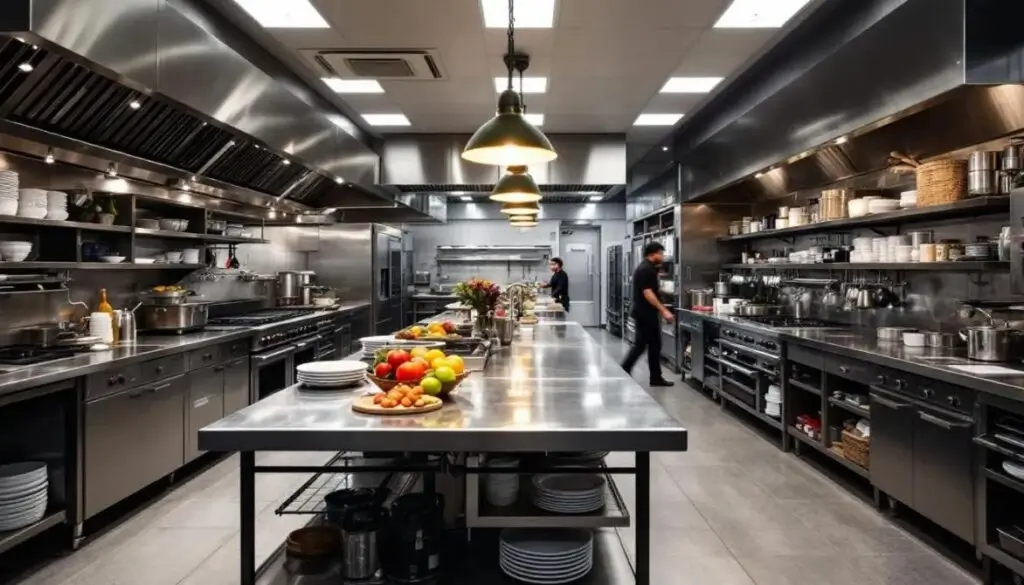
Storage integration within dining areas maximizes space utilization in Singapore’s compact restaurant spaces. Built-in storage solutions, hidden compartments, and multi-functional furniture pieces create additional capacity without compromising aesthetics. Banquette seating with integrated storage, service stations with concealed supplies, and modular furniture that can be reconfigured for different service needs exemplify this integrated approach.
Cleaning and maintenance accessibility through modular furniture and accessible flooring materials reduces operational downtime and labor costs. Design choices that facilitate easy cleaning and maintenance prevent the accumulation of wear and damage that can compromise hygiene standards and aesthetic appeal. Removable seat cushions, accessible plumbing and electrical systems, and durable surface materials specifically chosen for Singapore’s humid climate ensure long-term operational efficiency.
Emergency exit compliance while maintaining seamless customer flow requires creative design solutions that integrate safety requirements with aesthetic goals. Effective emergency planning uses directional lighting, intuitive pathway design, and clearly marked yet unobtrusive exit signage. The best implementations make emergency routes feel like natural parts of the design rather than afterthoughts that detract from the dining atmosphere.
Singapore Restaurant Regulations and Design Compliance
Navigating Singapore’s comprehensive regulatory framework requires early planning and close collaboration between designers, contractors, and regulatory specialists. URA guidelines for restaurant space allocation include minimum 1.2m² per customer capacity requirements that directly impact seating layout and revenue potential. The choice and layout of the restaurant unit play a crucial role in meeting these requirements, as the specific unit’s configuration can influence compliance and design decisions. These regulations also govern signage placement, outdoor seating arrangements, and modifications to heritage buildings that house many of Singapore’s distinctive dining establishments.
SCDF fire safety regulations significantly affect escape route design and emergency lighting placement. Exit corridors must maintain minimum widths, remain unobstructed, and provide adequate illumination during emergencies. Modern restaurant design integrates these requirements seamlessly, using emergency lighting that doubles as ambient lighting and creating exit routes that feel like natural traffic flow patterns rather than obvious safety measures.
NEA requirements for kitchen ventilation, grease trap accessibility, and waste disposal area integration demand careful coordination between interior design and mechanical systems. Effective ventilation design prevents cooking odors from overwhelming dining areas while maintaining energy efficiency. Grease trap placement and waste disposal areas must be accessible for regular maintenance while remaining invisible to customers and not detracting from the overall design aesthetic.
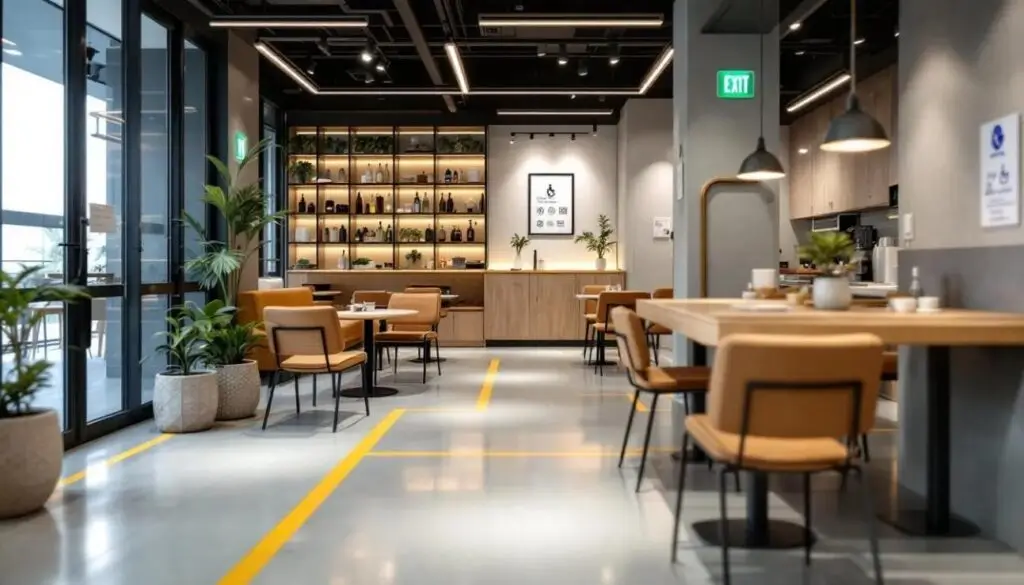
BCA accessibility standards for wheelchair access, accessible toilets, and barrier-free dining areas reflect Singapore’s commitment to inclusive design. These requirements present opportunities rather than constraints for creative designers who can integrate accessibility features that enhance the experience for all customers. Ramps with attractive landscaping, accessible seating that doesn’t segregate users, and accessible restrooms that exemplify universal design principles demonstrate how compliance can elevate rather than compromise design quality.
Liquor licensing space requirements affect bar design and alcohol storage areas, particularly for establishments seeking late-night operation permits. Bar positioning, storage accessibility for inventory management, and separation from food preparation areas must all align with licensing requirements while supporting efficient service and attractive presentation. Successful implementations create bar areas that serve as focal points and revenue centers rather than regulatory necessities.
Understanding permit timelines and approval processes prevents costly delays that can impact opening schedules and budget projections. The typical timeline for restaurant renovation permits in Singapore ranges from 6-12 weeks, depending on project complexity and compliance requirements. Early engagement with regulatory consultants and thorough documentation preparation can significantly reduce approval times and prevent expensive redesign requirements.
Current Interior Design Trends Transforming Singapore Restaurants 2024-2025
Singapore’s restaurant design landscape continues evolving rapidly, with 2024-2025 trends reflecting both global influences and local cultural preferences. Biophilic design integration with living walls, natural materials, and abundant natural lighting has moved from novelty to necessity, with customers increasingly drawn to spaces that provide respite from urban intensity. Living walls not only create striking visual focal points but also improve air quality and acoustics, addressing multiple design challenges simultaneously.
Industrial-chic aesthetics featuring exposed concrete, steel fixtures, and Edison bulb lighting systems appeal to Singapore’s young professional demographic while offering practical benefits. Exposed structural elements reduce construction costs and ceiling maintenance, while industrial materials prove particularly durable in Singapore’s humid climate. This trend succeeds because it balances edgy aesthetic appeal with functional advantages that benefit both operators and customers.
Instagram-worthy design elements including neon signage, textured walls, and photogenic food presentation areas have become essential marketing tools in Singapore’s social media-driven dining culture. Strategic placement of visually striking elements creates natural photo opportunities that customers eagerly share, generating organic marketing worth thousands of dollars in advertising value. However, successful implementation ensures these elements integrate naturally with the overall design rather than appearing forced or gimmicky. Incorporating scratch or distressed finishes on walls or furniture can add character and depth, making spaces even more visually engaging.
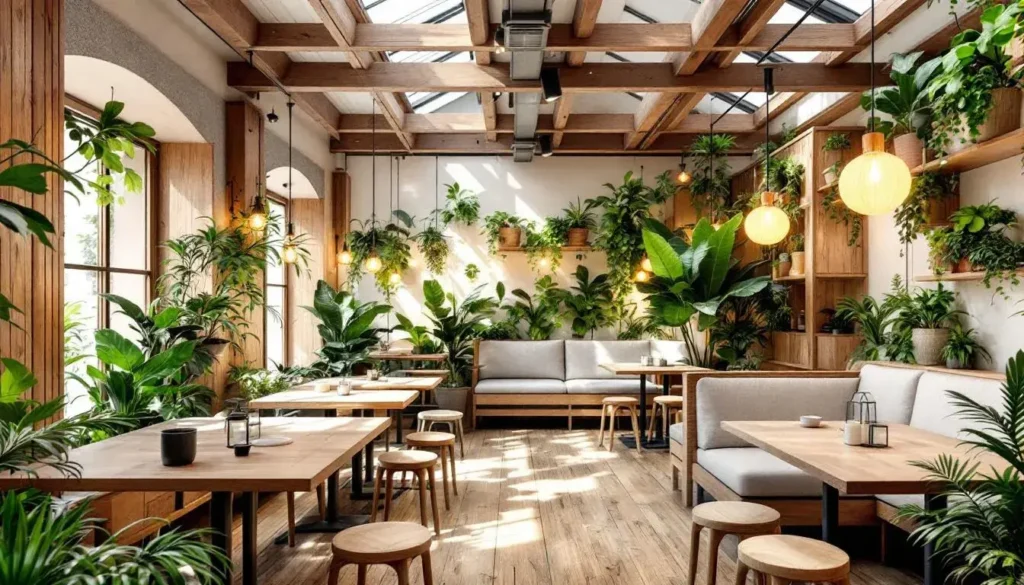
Sustainable materials like reclaimed wood, recycled metal fixtures, and energy-efficient LED lighting systems address growing environmental consciousness among Singapore diners while often providing cost savings through reduced energy consumption and material costs. Bespoke carpentry, such as custom-made cabinets, panels, and woodwork, plays a key role in creating unique restaurant interiors that stand out and reflect a tailored aesthetic. Sustainability storytelling becomes part of the brand narrative, allowing restaurants to connect with environmentally conscious customers who increasingly factor sustainability into dining decisions.
Flexible seating arrangements accommodating solo diners, families, and business groups reflect changing dining patterns in post-COVID Singapore. Modular furniture systems, convertible table configurations, and varied seating heights create adaptable spaces that optimize capacity and customer comfort. In kitchen design, the inclusion of a central island not only enhances functionality but also serves as a stylish gathering spot, seamlessly integrating with the overall restaurant concept. This flexibility proves particularly valuable during the transition from lunch to dinner service when customer demographics and group sizes shift significantly.
Design elements inspired by the past, such as vintage fixtures or nostalgic color palettes, can evoke a sense of history and timelessness, appealing to diners seeking an authentic and memorable experience.
Technology Integration in Modern Restaurant Design
QR code menu systems require strategic table design for smartphone placement and scanning, moving beyond pandemic necessity to permanent fixture status. Successful integration includes dedicated device holders, adequate lighting for scanning, and backup systems for customers uncomfortable with digital ordering. Table design must accommodate both digital and traditional dining implements while maintaining aesthetic appeal.
Digital ordering kiosks and their integration into restaurant flow and queue management represent significant opportunities for efficiency improvement and customer convenience. Strategic placement reduces staff workload while providing customers greater control over their ordering experience. The most successful implementations integrate kiosks seamlessly into the design while maintaining human service options for customers who prefer traditional ordering.
Smart lighting systems adjusting throughout service periods for optimal ambiance allow restaurants to optimize energy consumption while enhancing customer experience. Programmable systems can gradually shift from bright, energetic lighting during lunch service to warm, intimate lighting for dinner, maximizing revenue potential for each service period while reducing energy costs. Designers employ various techniques to integrate these smart lighting solutions and sound masking technologies without compromising the overall aesthetics of the space.
Sound masking technology maintaining privacy while controlling noise levels enables restaurants to manage acoustic environments actively rather than relying solely on passive design elements. These systems can adjust background sound levels and frequency ranges to optimize conversation comfort while maintaining the energetic atmosphere that drives customer engagement and spending.
Aligning Interior Design with Restaurant Brand Identity
Successful restaurant interior design serves as a three-dimensional expression of brand identity, creating immediate recognition and emotional connection with target customers. Fast-casual concepts utilize bright colors, communal seating, and open kitchen designs for transparency that builds trust while communicating efficiency and value. Open kitchens allow customers to witness food preparation quality while creating theater that enhances perceived value and justifies premium pricing.
Fine dining establishments incorporate luxury materials, intimate lighting, and sophisticated furniture selections that justify higher price points while creating environments where customers feel special and valued. Material choices like natural stone, quality woods, and custom metalwork communicate attention to detail and craftsmanship that extends to food preparation and service. Intimate lighting and private seating arrangements create the exclusivity that fine dining customers seek.
Heritage-themed restaurants use traditional materials, cultural artifacts, and nostalgic design elements to create authentic experiences that resonate with both local residents and tourists seeking authentic cultural experiences. Successful heritage design balances historical accuracy with modern comfort requirements, creating spaces that feel genuinely rooted in tradition while providing contemporary amenities and conveniences.
Curated pictures and photo galleries of the restaurant’s interior can reinforce brand identity and inspire customers by visually showcasing the design story, unique features, and atmosphere. These images help communicate the intended brand message and can spark decor ideas for guests.
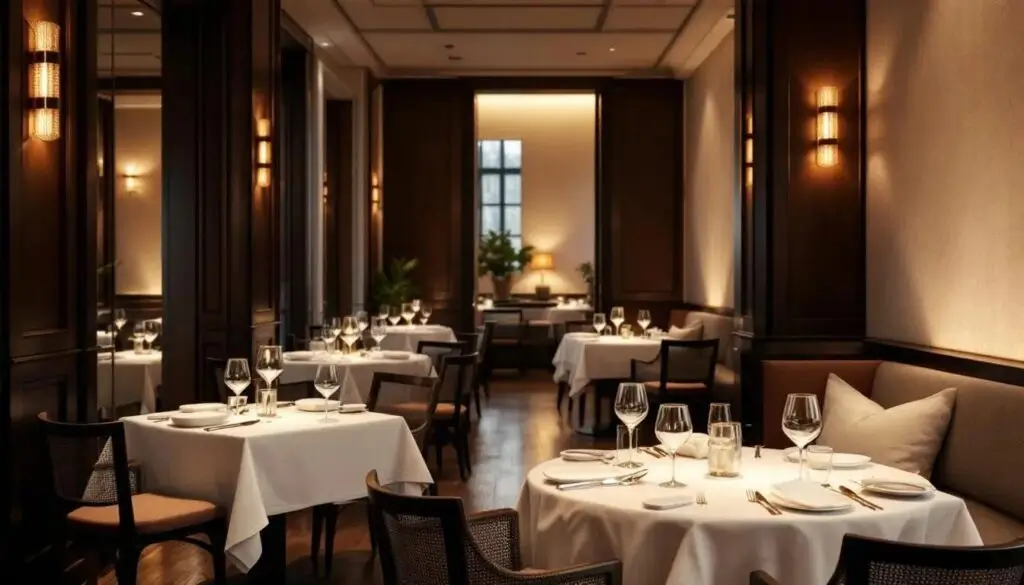
Modern minimalist concepts featuring clean lines, neutral palettes, and statement lighting fixtures appeal to professionals and design-conscious diners who appreciate sophisticated simplicity. Minimalist design requires exceptional attention to detail and quality since every element receives greater scrutiny. Statement lighting fixtures and carefully chosen accent pieces provide visual interest without compromising the clean aesthetic that defines this approach.
Family restaurants designing kid-friendly spaces while maintaining adult dining comfort face unique challenges requiring creative solutions. Successful family restaurant design creates distinct zones that serve different needs – quiet areas for business diners, interactive spaces for children, and flexible areas that can accommodate various group configurations. Material choices prioritize durability and easy cleaning while maintaining visual appeal for adult customers.
Brand consistency across multiple locations requires systematic design approaches that maintain recognizable identity while allowing for local adaptation. Successful restaurant chains develop design standards that specify core elements while providing flexibility for local customization. This approach ensures customers receive familiar experiences while allowing individual locations to reflect local preferences and constraints.
Budgeting for Restaurant Interior Design in Singapore
Restaurant interior design budgeting in Singapore requires understanding both typical cost ranges and the factors that drive significant variations in project expenses. Typical interior design costs range from $15,000-$45,000 for 1,000 square foot restaurant spaces, with wide variations based on concept complexity, material choices, and existing space conditions. Heritage buildings often require additional structural work that can increase costs by 20-30%, while new construction offers greater flexibility for cost optimization.
High-impact, low-cost improvements provide excellent return on investment for restaurants operating with limited budgets. These strategies help restaurants save on renovation costs while maximizing visual impact. Strategic lighting upgrades costing $3,000-$8,000 can dramatically transform atmosphere and customer perception, while wall treatments ranging from $2,000-$6,000 create focal points and visual interest without requiring major structural modifications. Paint, graphics, and decorative elements offer maximum visual impact per dollar invested.
Custom furniture versus off-the-shelf options significantly affect budget allocation and design timeline. Custom pieces can cost 2-3 times more than comparable off-the-shelf alternatives but provide perfect fit, unique aesthetic appeal, and often superior durability. The decision requires balancing budget constraints against brand differentiation goals and long-term durability requirements. Many successful projects combine custom statement pieces with carefully selected off-the-shelf items to optimize both budget and design impact.
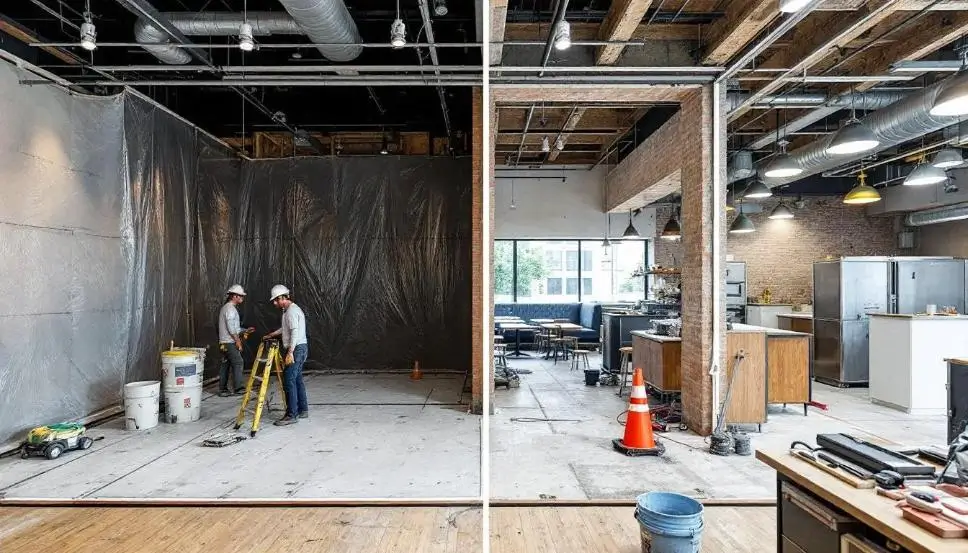
Phased renovation approaches allow restaurants to maintain operations during upgrades while spreading costs over time. Successful phasing typically begins with customer-facing areas that provide immediate revenue impact, followed by operational improvements and finally aesthetic enhancements. This approach requires careful planning to ensure each phase integrates seamlessly with subsequent improvements while providing immediate business benefits.
ROI considerations show that design investments typically recover costs within 12-18 months through increased revenue from higher average transaction values, improved customer retention, and enhanced pricing power. Well-designed restaurants command 15-25% higher prices than comparable establishments with generic interiors, while customer satisfaction improvements reduce marketing costs and increase repeat business frequency.
Cost-Effective Design Strategies
Focus on statement walls and feature lighting rather than comprehensive renovations provides maximum visual impact with minimal budget requirements. Strategic accent walls using bold colors, textures, or graphics create focal points that transform space perception without requiring expensive comprehensive renovations. Feature lighting installations can completely change atmosphere and customer perception at a fraction of the cost of complete lighting system replacement.
Repurposing existing furniture with reupholstering and refinishing services extends useful life while achieving fresh aesthetic appeal. Quality furniture pieces can be transformed through new fabrics, refinishing treatments, and hardware updates that cost 40-60% less than replacement while providing opportunities for customization that new furniture cannot match. This approach also supports sustainability goals that resonate with environmentally conscious customers.
DIY decorative elements and local artist collaborations create unique, budget-friendly artwork that adds personality and local connection to restaurant spaces. Local artist partnerships often provide original artwork at reasonable costs while creating community connections and marketing opportunities. DIY elements like custom graphics, painted murals, or handcrafted decorative pieces add personality while keeping costs minimal.
Strategic plant placement and green walls provide natural ambiance at minimal ongoing cost while offering significant atmospheric benefits. Plants improve air quality, reduce noise levels, and create biophilic connections that enhance customer comfort and satisfaction. Maintenance costs remain minimal with proper plant selection for Singapore’s climate and lighting conditions.
Designer-Contractor Collaboration for Restaurant Projects
Successful restaurant renovation requires seamless collaboration between interior designers and contractors, with early coordination preventing costly design changes and project delays. Successful restaurant projects often require collaboration across multiple design disciplines, including interior design, architecture, and engineering, to address the complex needs of the space. The most effective projects begin with joint site assessments where designers and contractors identify potential challenges and opportunities before design development begins. This collaborative approach prevents designs that look attractive on paper but prove difficult or expensive to execute in reality.
MEP (mechanical, electrical, plumbing) integration requires close collaboration for seamless execution that maintains both functionality and aesthetic appeal. Restaurant spaces demand complex mechanical systems for ventilation, refrigeration, and cooking equipment that must integrate invisibly with design elements. Early coordination ensures adequate space allocation for systems while maintaining design integrity and code compliance.
Timeline coordination ensures design delivery aligns with construction milestones and opening schedules. Successful projects develop integrated schedules that account for design development, permit approval, material procurement, and construction phases. Buffer time for unexpected discoveries and permit delays prevents last-minute compromises that can affect both design quality and opening readiness.
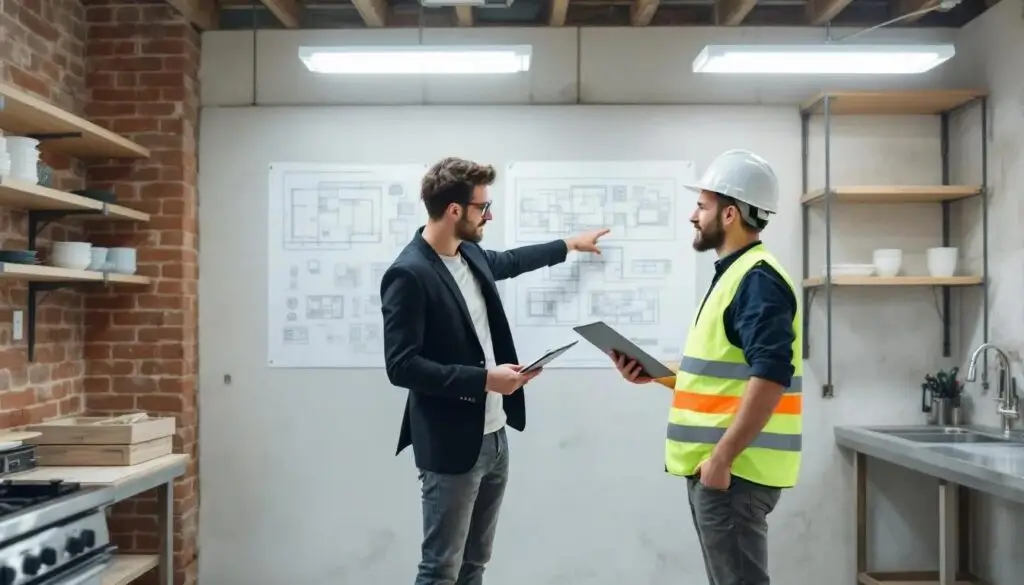
Material procurement responsibilities and quality control throughout the renovation process require clear communication and defined responsibilities. Designers typically specify materials and finishes while contractors handle procurement and installation, but successful projects establish quality control checkpoints and approval processes that ensure specification compliance. Regular progress meetings and material samples approval prevent substitutions that can compromise design vision.
Post-completion support for design adjustments and operational fine-tuning ensures restaurants can optimize their spaces based on actual operating experience. Most restaurants discover minor adjustments needed during initial operations – lighting levels that need tweaking, traffic flow improvements, or storage modifications. Ongoing designer-contractor collaboration facilitates these adjustments efficiently and cost-effectively.
The design-build approach, where a single firm handles both design and construction, can streamline communication and reduce project timeline, but requires careful contractor selection to ensure design quality standards. This approach works particularly well for renovation projects where construction challenges require design adaptations and where integrated project delivery provides timeline advantages for restaurant openings.
Common Interior Design Mistakes in Restaurant Renovations
Inadequate lighting planning represents one of the most frequent and impactful mistakes in restaurant renovations, resulting in poor food photography and uncomfortable dining experiences that directly affect customer satisfaction and social media marketing potential. Many restaurants install generic lighting systems without the guidance of an experienced interior designer, overlooking how lighting influences both art and architecture within the dining space. Successful lighting design is both artistic and technical, requiring multiple layers — ambient, task, and accent lighting — that can be adjusted throughout different service periods. A skilled designer or design studio uses knowledge, research, and hands-on techniques to ensure every room achieves the perfect balance between atmosphere and functionality. In Singapore, where diners frequently document their meals online, lighting has become an essential design discipline that directly affects brand image and customer engagement.
Overlooking acoustics design leads to excessive noise levels and reduced customer satisfaction, particularly in Singapore’s compact restaurant environments where sound reflection and amplification create significant challenges. Hard materials such as concrete or glass walls may look attractive but often cause noise issues that interfere with conversation and comfort. Effective acoustic interior design incorporates soft furnishings, wall treatments, carpentry, and ceiling modifications to manage sound and improve ambiance. Industry professionals and architects collaborate closely to create comfortable, conversation-friendly spaces that enhance dining experiences while maintaining aesthetic integrity. The integration of sound-absorbing materials and crafted furniture demonstrates how thoughtful design can complement function, achieving the desired style while addressing real-world operational needs.
An inefficient kitchen-dining layout increases service times and operational stress while reducing staff productivity and customer satisfaction. Many renovation projects focus too heavily on dining aesthetics while neglecting the workflow that determines efficiency. Smart interior design requires close coordination between architects, designers, and restaurant operators to ensure space planning supports both service quality and staff well-being. Key considerations such as kitchen placement, service pathways, and storage cabinets directly affect performance. By applying practical techniques learned from professional programmes or university-level curriculums, industry professionals can develop efficient layouts that balance creativity and functionality. Interior designers often engage with clients to explore how technology, furniture, and architecture can enhance workflow while reinforcing the restaurant’s visual identity.
When thoughtfully planned, lighting, acoustics, and layout collectively define the importance of interior design in shaping customer experience. Whether handled by a boutique Pte Ltd design firm or a multidisciplinary team of industry professionals, these elements determine how well a restaurant performs — both operationally and aesthetically. By integrating art, research, and technology into every phase of design, restaurateurs can achieve cohesive, functional, and visually inspired environments that reflect Singapore’s world-class interior design industry.
Ignoring Singapore’s humidity and climate in material selection leads to premature wear and maintenance issues that compromise both appearance and profitability. Materials that perform well in temperate climates may deteriorate rapidly in Singapore’s humid environment, leading to increased maintenance costs and aesthetic degradation. Successful material selection considers local climate conditions, maintenance requirements, and long-term performance in addition to initial appearance and cost.
Insufficient storage integration forces visible clutter and unprofessional appearance that detracts from customer experience and operational efficiency. Many restaurant designs prioritize seating capacity over storage needs, leading to visible supplies, equipment, and cleaning materials that compromise aesthetic appeal. Integrated storage solutions that maintain clean appearances while providing adequate capacity for operational needs represent essential investment in both aesthetics and efficiency.
Neglecting accessibility requirements results in compliance issues and excluded customer segments that reduce potential revenue and create legal liabilities. Accessibility requirements provide opportunities to create inclusive environments that serve broader customer bases while demonstrating social responsibility. Universal design principles often improve usability for all customers while meeting accessibility requirements efficiently and cost-effectively. Properly designing the common bathroom is especially important to ensure functionality, accessibility, and compliance for all guests, as this shared space is frequently used by families and visitors.
What Singapore Design Studios and Pte Ltd Firms Know About Restaurant Renovation
Singapore’s top design studios and Pte Ltd firms understand that successful restaurant renovation goes far beyond aesthetics—it’s about creating a seamless blend of functionality, creativity, and brand identity. These industry professionals use a hands-on approach that balances design innovation with practical considerations such as space optimization, furniture selection, and material durability in humid climates.
By integrating architecture, technology, and thoughtful interior design, these firms develop cohesive concepts that enhance customer experience while supporting efficient operations. Whether updating a single room or transforming an entire dining unit, leading Singapore design studios emphasize collaboration, research, and craftsmanship to achieve the perfect balance between style and performance—delivering spaces that inspire, engage, and endure.
Future-Proofing Restaurant Interior Design for Evolving Customer Expectations
Flexible seating configurations adapting to changing group sizes and dining preferences post-COVID represent essential considerations for restaurant design that can accommodate evolving social behaviors and health concerns. Modular furniture systems, convertible table arrangements, and varied seating options enable restaurants to optimize capacity while providing customers the spacing and privacy they desire. This flexibility proves valuable during different service periods and seasonal variations in customer preferences.
Technology infrastructure planning for emerging payment systems and digital menu innovations requires forward-thinking design that accommodates rapid technological change without requiring expensive renovations. Power distribution, network connectivity, and device integration points should anticipate technologies that may not yet be widely adopted. Planning for technology evolution prevents costly retrofitting while ensuring restaurants can adopt innovations that enhance customer experience and operational efficiency.
Sustainability considerations meeting growing environmental consciousness among Singapore diners influence material choices, energy systems, and operational practices that affect both design and ongoing operations. Sustainable design extends beyond material selection to include energy-efficient systems, water conservation, and waste reduction strategies that reduce operational costs while appealing to environmentally conscious customers. Green building certifications and sustainability narratives become important marketing tools that justify premium pricing.
Multi-functional spaces accommodating dining, retail, and event hosting create diversified revenue streams that provide financial resilience during challenging periods. Flexible interior design enables restaurants to generate income through retail sales, private events, cooking classes, and other activities that maximize space utilization and customer engagement. This diversification reduces dependence on traditional dining revenue while creating additional customer touchpoints and community engagement opportunities. Industry professionals, architects, and interior designers often collaborate to develop these concepts from scratch, balancing aesthetic and functional considerations within a realistic budget.
Health and wellness design elements, including air purification systems, antimicrobial surfaces, and ergonomic furniture, address ongoing health concerns while creating customer confidence and competitive advantages. Advanced ventilation systems, antimicrobial materials, and touchless interfaces demonstrate a hands-on commitment to architecture and technology integration. These design disciplines enhance operational efficiency through reduced cleaning requirements, while providing a safer, more comfortable environment for staff and guests — a critical service feature in Singapore’s forward-thinking design industry.
Modular design approaches enabling easy updates and refreshes without major renovations provide cost-effective methods for maintaining current aesthetics and customer interest. Removable design elements, adaptable graphic systems, and modular furniture allow regular updates that keep spaces feeling fresh and current without the disruption of comprehensive home renovation-style overhauls. This interior design approach supports ongoing brand evolution, encourages creativity, and helps restaurant owners save on long-term costs. It also gives designers the ability to explore new ideas, develop brand-specific concepts, and continually enhance customer engagement.
The restaurant industry’s rapid pace of change demands design approaches that balance current needs with future adaptability. Successful restaurants invest in infrastructure and flexible systems that evolve with customer expectations, technological advancement, and market conditions, while maintaining the core design elements that define their brand identity. Design studios and Pte Ltd consultancies in Singapore now focus on this future adaptability, blending art, architecture, and practical techniques to create sustainable business environments.
Strategic interior design represents one of the most powerful tools available to Singapore restaurant operators seeking competitive advantages in an increasingly crowded market. From the psychological impact of color, decor, and lighting that influence spending, to operational layouts that optimize room flow and profitability, every design decision contributes to business success or failure. Interior designers play a vital role in helping clients achieve this perfect balance of aesthetics and efficiency.
The restaurants that thrive in Singapore’s demanding market understand that interior design extends far beyond aesthetics to encompass customer psychology, operational efficiency, and architecture-driven innovation. By approaching design as a strategic business investment rather than a cosmetic enhancement, restaurant operators can create spaces that not only attract customers but also enhance profitability, support operational excellence, and adapt to evolving market conditions. Industry professionals use research, knowledge, and hands-on experience to ensure every unit and corner of a restaurant contributes to brand success.
The key to success lies in balancing style and functionality while maintaining the flexibility to evolve with changing customer expectations and design trends. Whether planning a new restaurant or renovating an existing space, the principles and strategies outlined in this guide offer valuable insights for homeowners, architects, and designers alike. With the right programme, curriculum, and team, you can discover how thoughtful interior design merges art, life, and creativity to complement any concept — a true reflection of Singapore’s thriving architecture and design community.
For more insights on transforming your dining space, visit Restaurant Renovations Singapore— your trusted partner for restaurant renovation in Singapore.