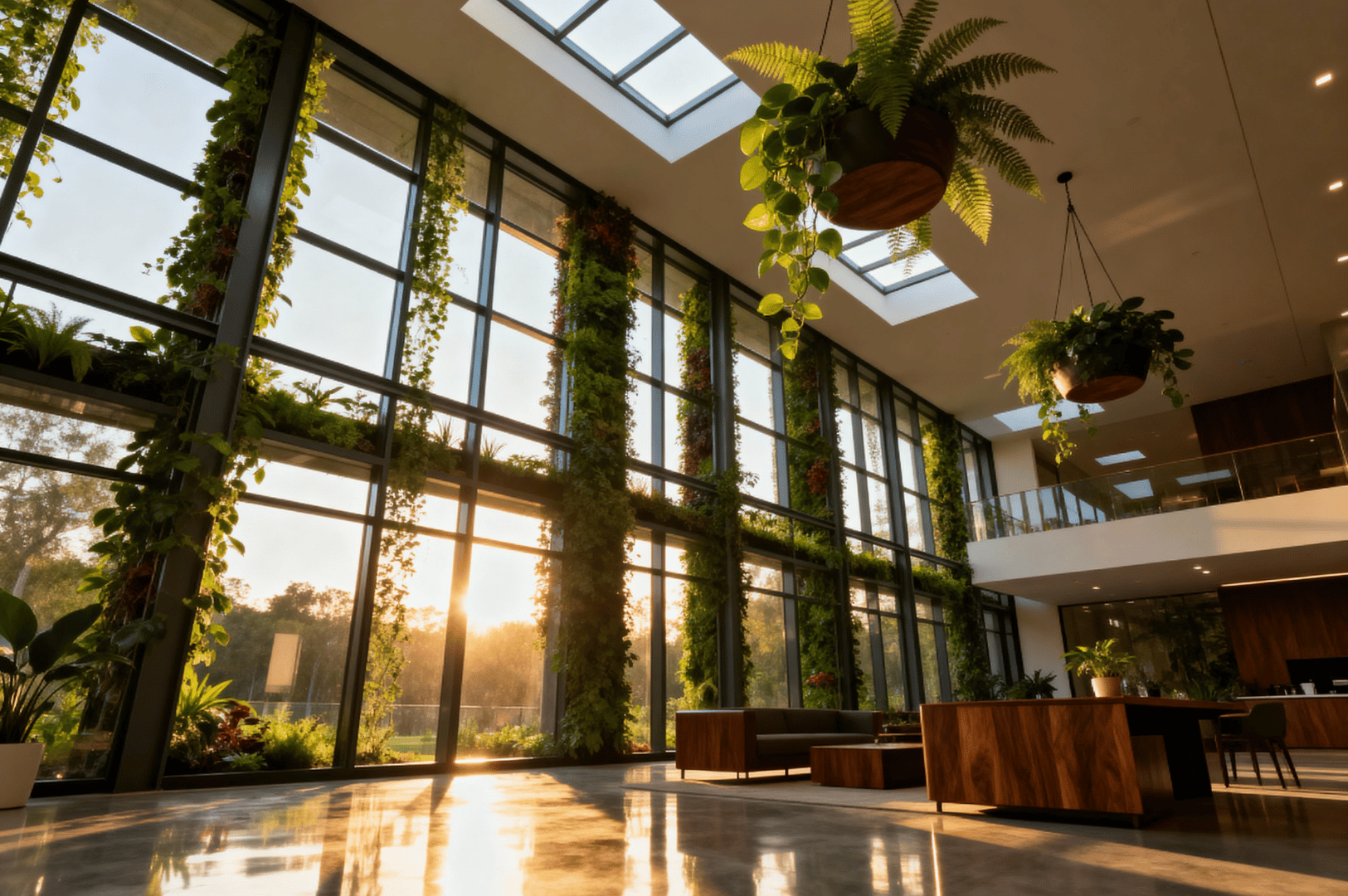

Have you noticed how meals enjoyed outdoors—like a casual picnic or dinner on a sunlit patio—often feel more satisfying than dining inside? This isn’t just about fresh air or scenery. Humans are biologically wired to feel better when surrounded by nature, a phenomenon known as biophilia. The connection to the natural world can lower stress, improve well being, and heighten sensory experiences. Bringing nature indoors through biophilic restaurant design offers all these benefits and transforms the dining experience, making it more immersive and memorable. The overarching aims of biophilic restaurant design are to reduce environmental impact, enhance community engagement, and innovate dining experiences for a more sustainable future.
What Is Biophilic Design in Restaurant Spaces?

Concept and Core Principles
Biophilic design in restaurant design is more than placing a few potted plants or a decorative tree. It focuses on incorporating biophilic design elements into furniture, materials, and layout to create a space that mimics the natural environment. This approach aligns with the restorative design framework, which emphasizes spaces that enhance health, well being, and comfort.
Key principles include:
- Direct Connection to Nature: Using natural elements like plants, water features, and sunlight to immerse guests in the surrounding environment.
- Indirect Connection: Integrating natural materials, textures, and patterns inspired by the natural world to evoke calm and familiarity.
- Space and Place: Designing interior spaces that feel open, airy, and welcoming, inspired by the flow of ecosystems.
- Engaging the Senses: Incorporating elements that stimulate multiple senses—such as the sight of greenery, the sound of water, the scent of fresh herbs, and the tactile feel of natural materials—to create a restorative and immersive dining environment.
In a restaurant, this could mean large windows that flood the space with natural light, dining near green walls, or featuring stone plates and wood furniture to enhance the tactile connection to nature.
The Science Behind Nature’s Impact on Dining

Studies show that exposure to natural elements reduces cortisol, the stress hormone, resulting in calmer and happier customers. For restaurants and coffee shops, this translates into improved customer satisfaction and potentially increased sales.
Psychological and Business Benefits:
- **Stress Reduction:**Green tones, plants, and natural materials create a relaxing ambiance.
- Enhanced Satisfaction: Guests enjoy a sense of comfort and positivity, enhancing the overall dining experience.
- **Longer Dwell Times:**Biophilic design elements encourage guests to stay longer, boosting revenue.
- Focus on Natural Elements and Community Connection: Successful biophilic restaurant design places a strong focus on integrating natural features and fostering community connection as key priorities.
A study from Cornell University found that restaurants with greenery and nature-inspired interior design achieved a 15% increase in customer satisfaction compared to traditional designs.
Key Biophilic Design Elements for Restaurants
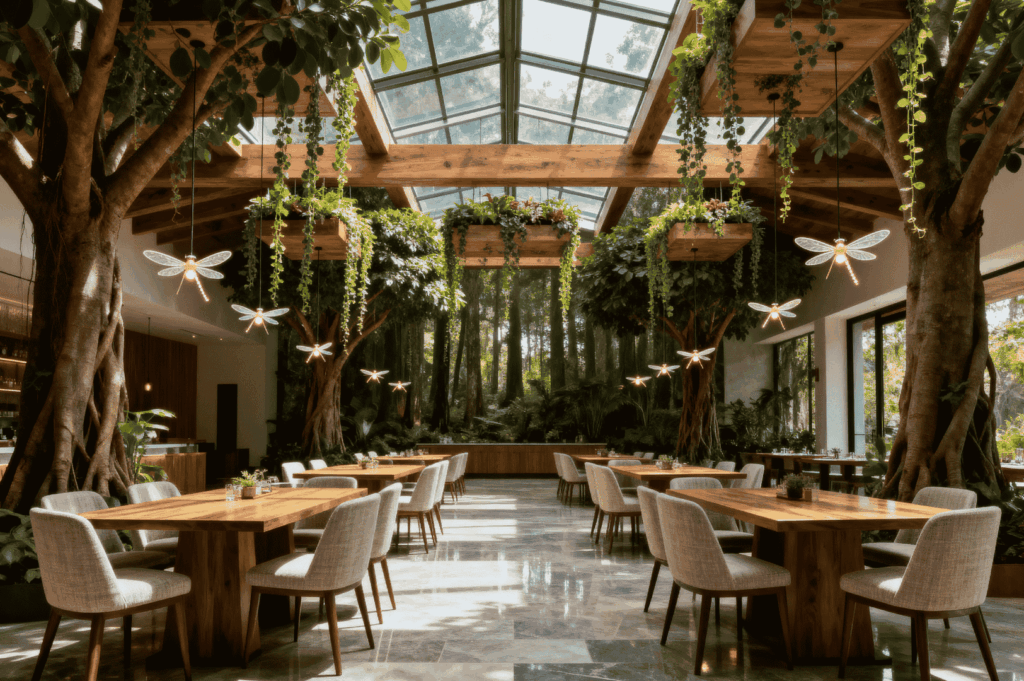
Office renovations present unique challenges, including structural changes, plumbing adjustments, and energy efficiency conIntegrating biophilic design elements in restaurant design can be achieved with practical strategies. Biophilic restaurant design pushes the boundaries of traditional restaurant interiors by integrating innovative and sustainable features.
1. Green Walls and Vertical Gardens
Living walls serve as stunning visual decor, improve air quality, and reduce noise pollution, enhancing the well being of diners.
2. Natural Materials
Use wood, stone, bamboo, recycled materials, or stone plates to build restaurant spaces that reflect nature-inspired design and sustainability in furniture and interior decor. These sustainable materials evoke a tactile connection to the natural environment.
3. Water Features
Small fountains or reflective pools bring a sense of calm and enhance auditory appeal, offering a multi-dimensional dining experience.
4. Maximized Natural Light
Large windows, skylights, or retractable roofs allow natural light to flood the space, reducing energy consumption and improving mood.
5. Views and Nature-Inspired Decor
Locate restaurants near landscapes, parks, or waterfronts, or simulate outdoor views with murals, green tones, and natural imagery, creating a restorative environment.
Practical Tips for Incorporating Biophilic Design Elements
Even small restaurants, cafes, and bars can leverage biophilic design. For bars, consider sustainable and eco-friendly design tips such as using recycled materials for bar counters, incorporating green features like living walls behind the bar, or choosing sustainable furniture and lighting.
For Smaller Budgets:
- Add plants, potted greenery, or tabletop herbs.
- Use nature-inspired artwork or green tones.
- Incorporate stone plates, linen tablecloths, or bamboo utensils.
For Larger Budgets:
Use recycled materials and sustainable furniture to reduce carbon footprint.
Install living walls, vertical gardens, or skylights.
Integrate water features or custom natural stone flooring.
Energy Efficiency in Biophilic Restaurant Design
Energy efficiency is a crucial pillar of biophilic restaurant design, seamlessly blending sustainability with an enhanced dining experience. By thoughtfully incorporating natural elements—such as large windows, green walls, and skylights—restaurants can maximize the use of natural light, significantly reducing the need for artificial lighting during the day. This not only lowers energy consumption and operational costs but also creates a warm, inviting atmosphere that strengthens the connection between diners and the natural world.
Additionally, integrating energy-efficient lighting systems, like LED bulbs, and appliances further minimizes a restaurant’s carbon footprint. Green walls and plant-based features can also help regulate indoor temperatures, reducing reliance on heating and cooling systems. By embracing these sustainable design principles, restaurants create a more eco-friendly environment for their customers while setting a new benchmark for responsible restaurant design. The result is a dining space that feels vibrant and alive.
Reducing Waste Through Biophilic and Sustainable Practices
Reducing waste is at the heart of sustainable restaurant design, and biophilic principles offer creative ways to achieve this goal. By choosing recycled materials—such as reclaimed wood for tables or stone for countertops—restaurants can give new life to resources that might otherwise go to waste. These natural materials not only add character and warmth to the space but also reinforce a commitment to sustainability.
Biophilic design elements like green walls and living roofs provide natural insulation, which can decrease the need for synthetic materials and reduce overall waste. Additionally, implementing sustainable practices such as composting food scraps and recycling packaging materials helps restaurants move toward a circular economy, where resources are reused and repurposed rather than discarded.
By adopting these strategies, restaurants can minimize their environmental impact while creating a dining experience that resonates with eco-conscious customers and supports a healthier planet.
Sustainability and Biophilic Restaurant Design
Sustainable design and biophilic principles go hand-in-hand. Restaurants can reduce energy consumption, conserve water, and support local biodiversity by:
- Leveraging natural light to reduce artificial lighting.
- Installing efficient irrigation for indoor plants and edible gardens to grow herbs.
- Choosing recycled or locally sourced materials to minimize carbon footprint.
Repurposing existing buildings or incorporating elements from older buildings can further enhance sustainability and add unique character to the restaurant space.
Sustainable restaurant design creates a positive impact on both customers and the community, while enhancing the dining experience. A sustainable restaurant can also serve as a valuable resource for the local community by supporting local culture, hosting events, and fostering connections.
Measuring Success in Biophilic Restaurant Design
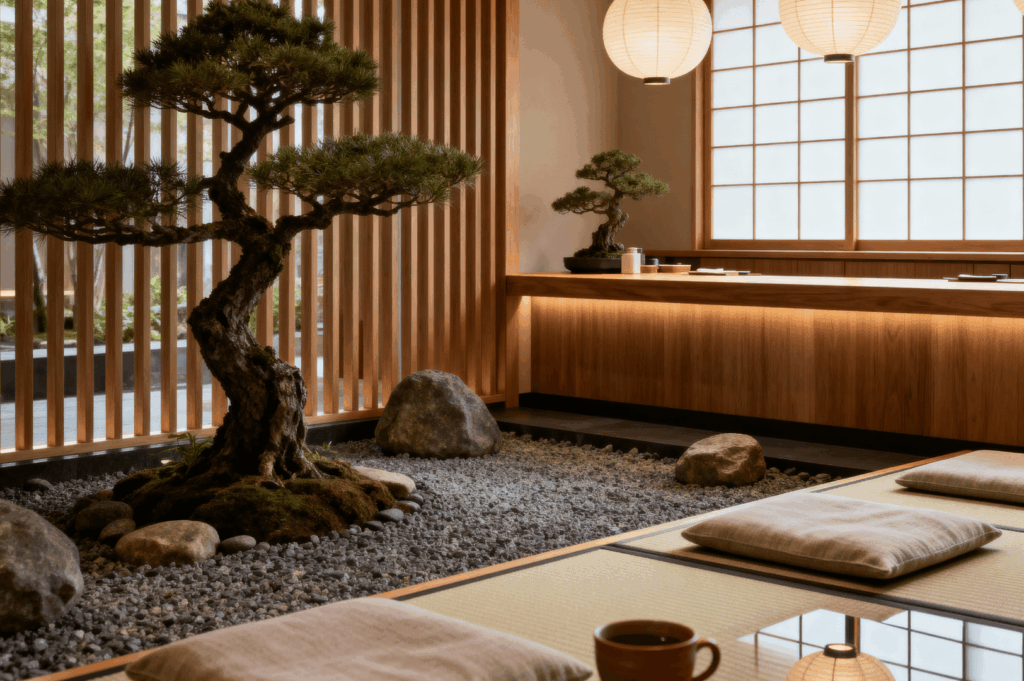
To truly understand the impact of biophilic restaurant design, it’s important to measure success across multiple dimensions: environmental performance, customer experience, and business outcomes. Tracking energy consumption and waste reduction provides clear data on how sustainable design choices—like natural materials, green walls, and maximizing natural light—benefit both the environment and the bottom line.
Customer feedback is another valuable tool. Surveys and reviews can reveal how biophilic design elements influence guests’ well-being, satisfaction, and overall dining experience. Additionally, monitoring sales and customer retention rates helps restaurants assess the financial benefits of creating a welcoming, nature-inspired space.
By using a restorative design framework, restaurants can ensure their approach is holistic—supporting not just sustainability, but also the health and happiness of customers. Ultimately, the success of biophilic design is reflected in spaces that feel alive and inviting, where both people and the planet can thrive.
Overcoming Challenges in Biophilic Design
Maintaining biophilic elements can be challenging, but manageable:
- Automated irrigation systems keep plants thriving.
- LED grow lights compensate for insufficient sunlight.
- Regular cleaning and maintenance ensure water features remain functional and hygienic.
With careful planning, a restaurant can thrive while maintaining a connection to the natural world.
Future Trends in Biophilic Restaurant Design
Restaurants of the future will blend technology, nature, and sustainability seamlessly:
- Augmented reality (AR) can simulate outdoor landscapes.
- Smart systems monitor plant health and lighting.
- Climate-adaptive materials regulate temperature and reduce energy consumption.
- Expanding use of green walls, natural materials, and recycled furniture will enhance sustainability and well being.
Conclusion: Bring Nature to the Table
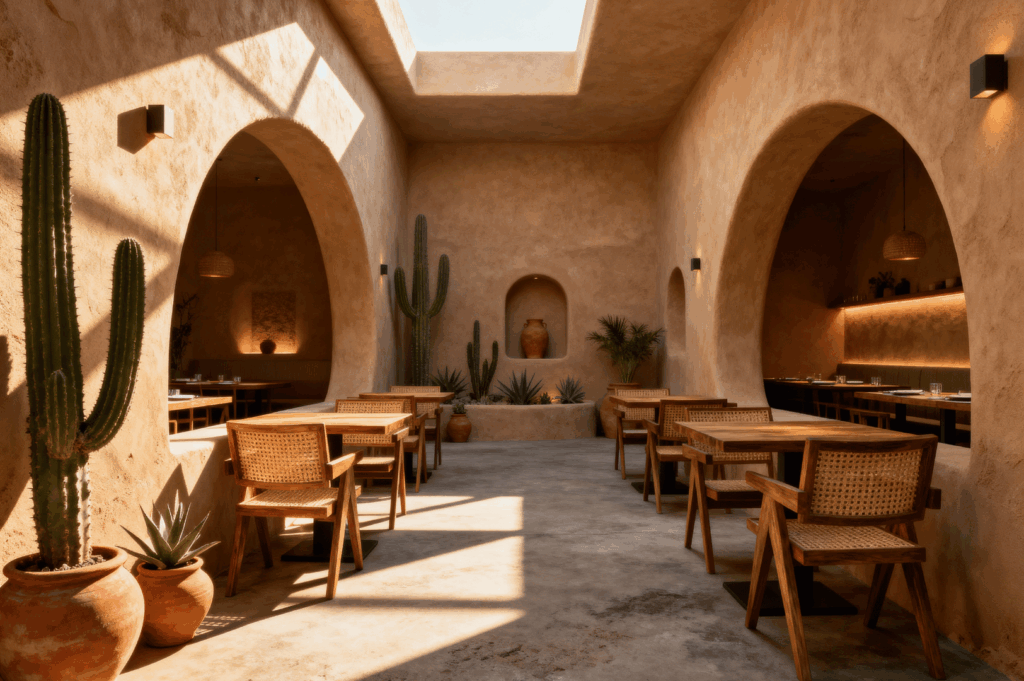
Biophilic restaurant design is not just a trend—it’s a paradigm shift in how we think about dining spaces. By weaving in natural elements like plants, stone, wood, and green walls, restaurants can create environments that feel both welcoming and restorative, enhancing customer well-being and loyalty.
For restaurant owners, café operators, and designers, the value goes beyond aesthetics. Biophilic design delivers practical sustainability benefits, stronger customer connections, and measurable business growth. By integrating nature-inspired principles, you not only reduce environmental impact but also craft memorable dining experiences that resonate with today’s eco-conscious guests.
Ultimately, by bringing nature indoors, you cultivate spaces where people feel at ease, communities flourish, and businesses thrive. It’s a holistic approach to hospitality—one that celebrates beauty, fosters resilience, and positions restaurants as leaders in shaping a healthier, more sustainable future for both people and the planet. For inspiration on designing eco-conscious dining spaces, discover our Sustainable Restaurant Design Ideas at Restaurant Renovations.