
Some restaurants are renovated.
Others are interpreted.
The difference is subtle, but it changes everything.
When a dining space carries heritage, renovation is no longer about improvement. It becomes an act of translation. Culture must move forward without losing its accent. Architecture must evolve without rewriting the story it inherited.
Singapore offers rare examples of this tension, especially in restaurants that reinterpret Straits cuisine within historically sensitive environments. These spaces are never neutral. The land remembers. The architecture carries posture. Even the light feels deliberate.
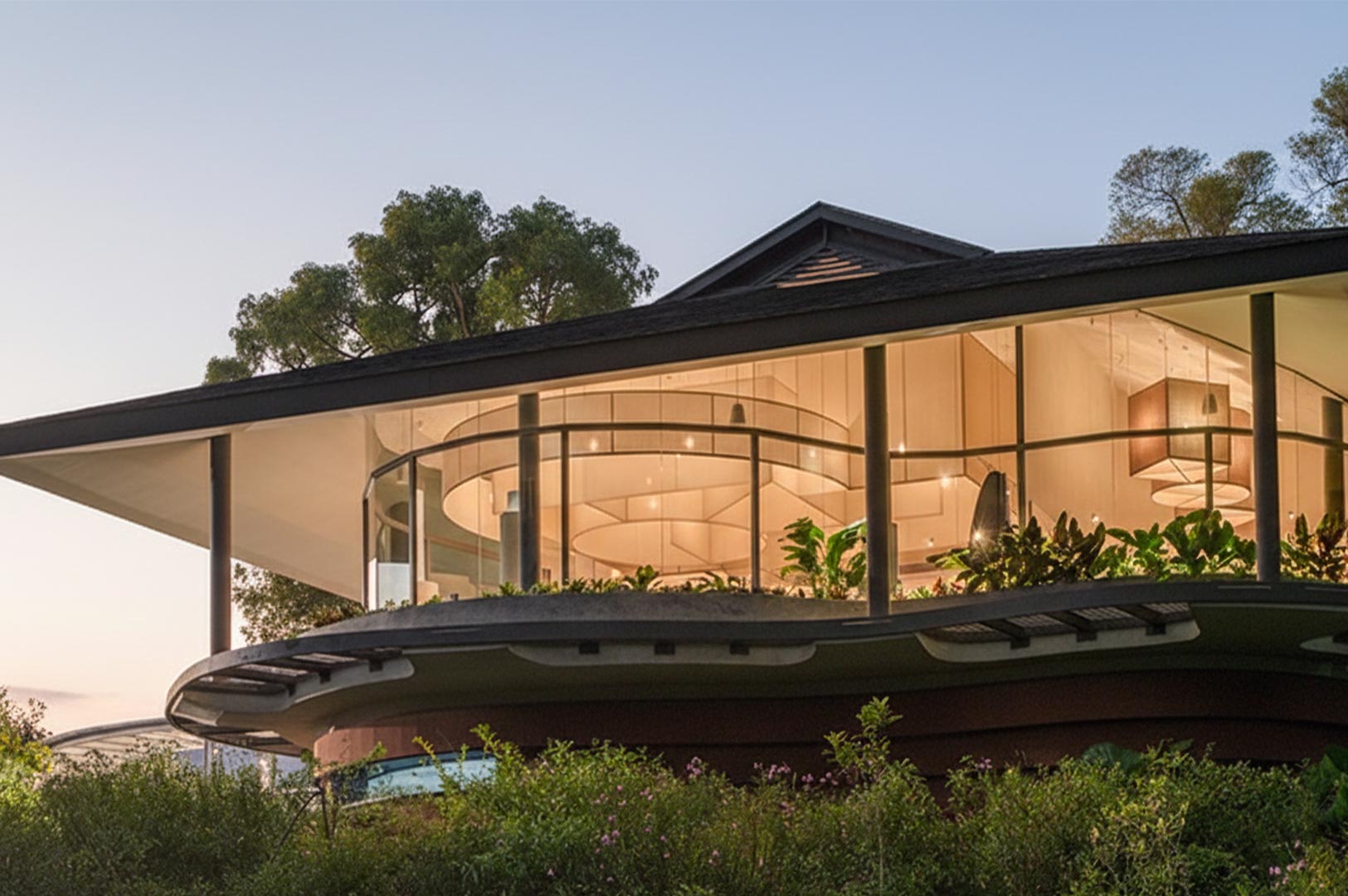
In places like Pangium at the Singapore Botanic Gardens, the experience is not defined by spectacle. It is defined by restraint. The restaurant sits within a landscape that predates it, and that hierarchy matters. A recent feature on the space captures this quiet dialogue between food, architecture, and setting: https://menuexplorer.mystrikingly.com/pangium-botanic-gardens.
What becomes clear is that the design does not attempt to dominate. It listens.This is where renovation becomes delicate. Heritage concepts often tempt excess. Pattern invites pattern. Texture invites ornament. Cultural references multiply quickly when not moderated by discipline. Yet true confidence in renovation is rarely decorative. It is spatial. It shows in proportion. In negative space. In what is intentionally left unspoken.
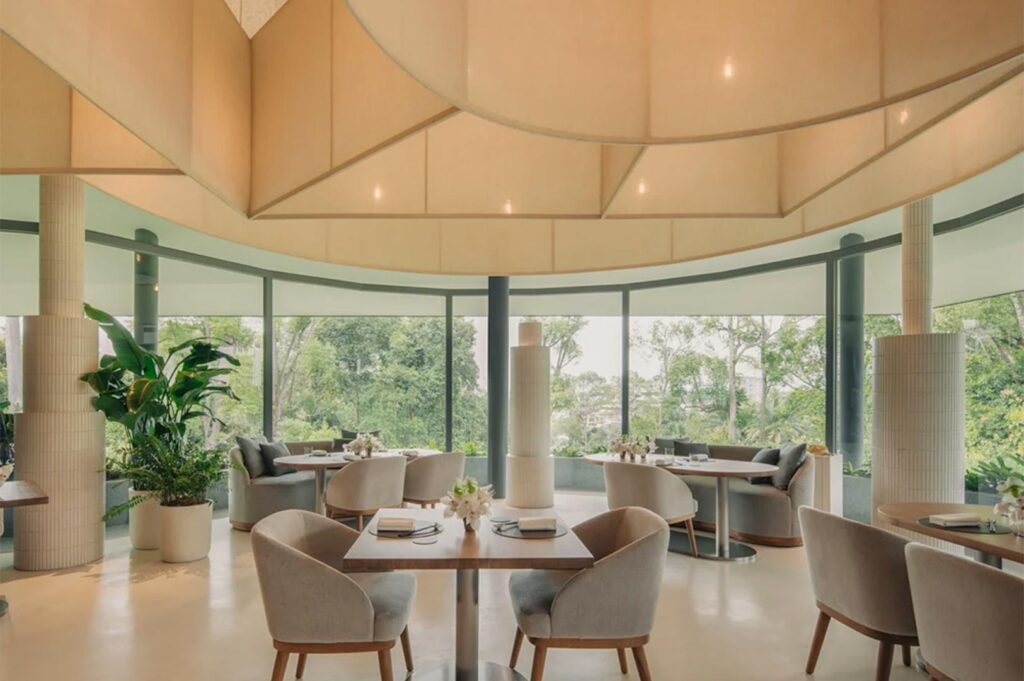
Lighting cannot be theatrical. It must shift gently from daylight to dusk without disturbing the surrounding landscape. Materials must respond to the climate, absorb sound, and soften conversation. In garden settings, natural light becomes an active design partner rather than a background condition.
Operational quietness must also be preserved. Kitchens interpreting heritage cuisine demand precision. Ventilation, workflow, and heat management cannot intrude visually. The guest experience must remain seamless, even if the infrastructure behind it is complex.
A heritage-driven renovation is not successful because it is beautiful. It is successful because it feels inevitable. As though the space arrived at its current form through patience rather than ambition. This restraint is harder than spectacle. Spectacle announces itself. Restraint holds its breath.
When heritage is involved, renovation becomes editing rather than expansion. Removing noise. Refining transitions. Allowing the architecture to frame its environment rather than compete with it. The most compelling examples never declare themselves as renovated. They feel continuous. Almost untouched. And yet every surface has been reconsidered.
Perhaps that is the quiet achievement of thoughtful renovation in culturally rooted spaces. It does not seek applause. It seeks alignment. And alignment, when done well, is something you feel long before you see it.
Written in quiet observation,
Elena Davine