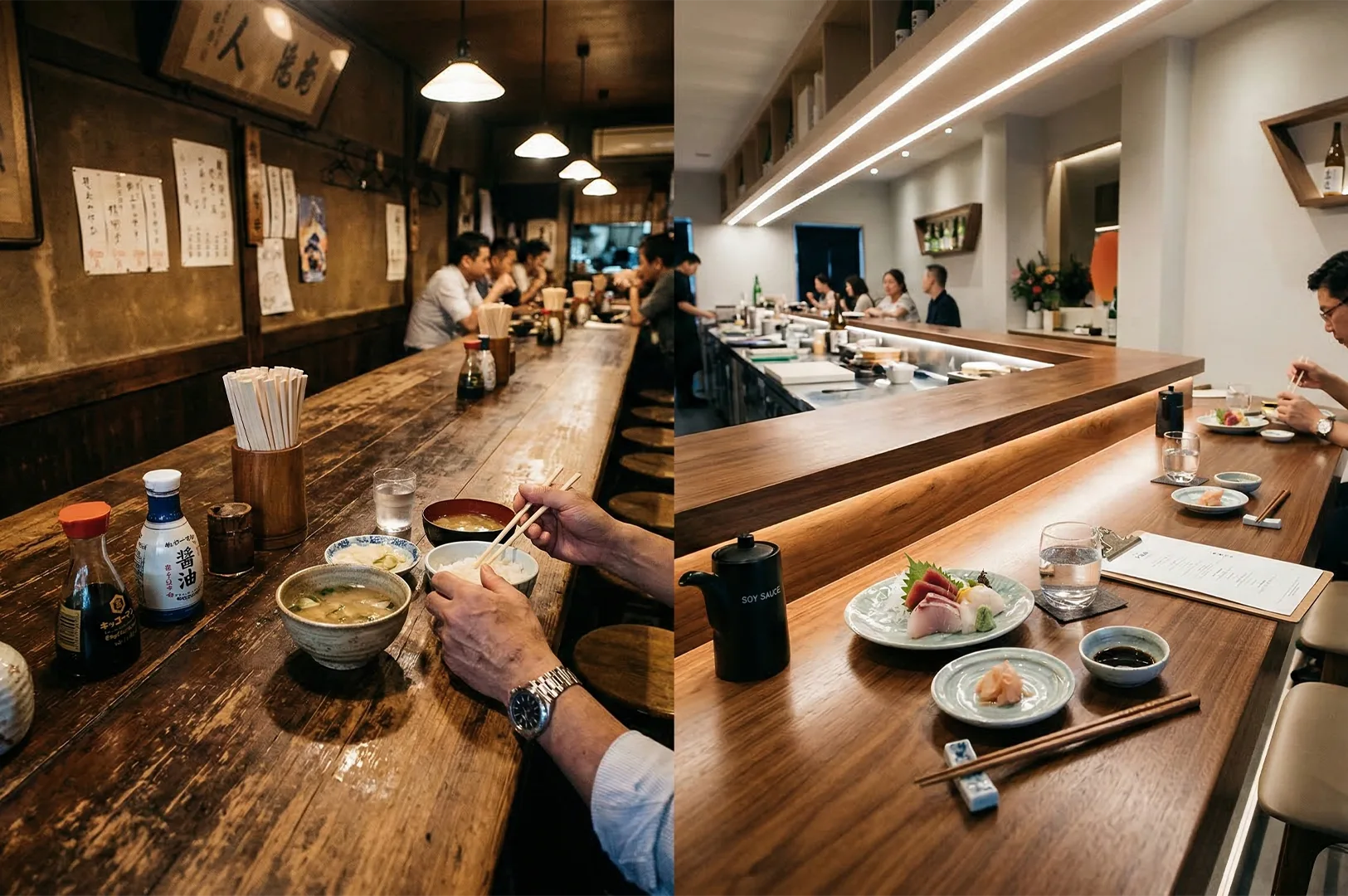

When Your Restaurant Needs to Change, But Your Guests Love It As It Is
The Compliment That Becomes a Question
There is a particular kind of compliment that restaurant founders hear often.
“Please never change this place.”
It usually arrives with affection. A regular guest says it while looking around the dining room that has become familiar to them. The lighting feels right. The tables sit where they always have. The menu still carries dishes they recognize.
For a founder, those words are both heartwarming and complicated.
Because every restaurant eventually reaches a moment when change becomes necessary.
The kitchen equipment grows tired. The seating arrangement no longer fits the pace of service. The space that once worked perfectly begins to feel slightly out of step with how the restaurant has evolved.
Yet the guests love it exactly as it is.
This is where the dilemma begins.
Nostalgia Lives in Small Details
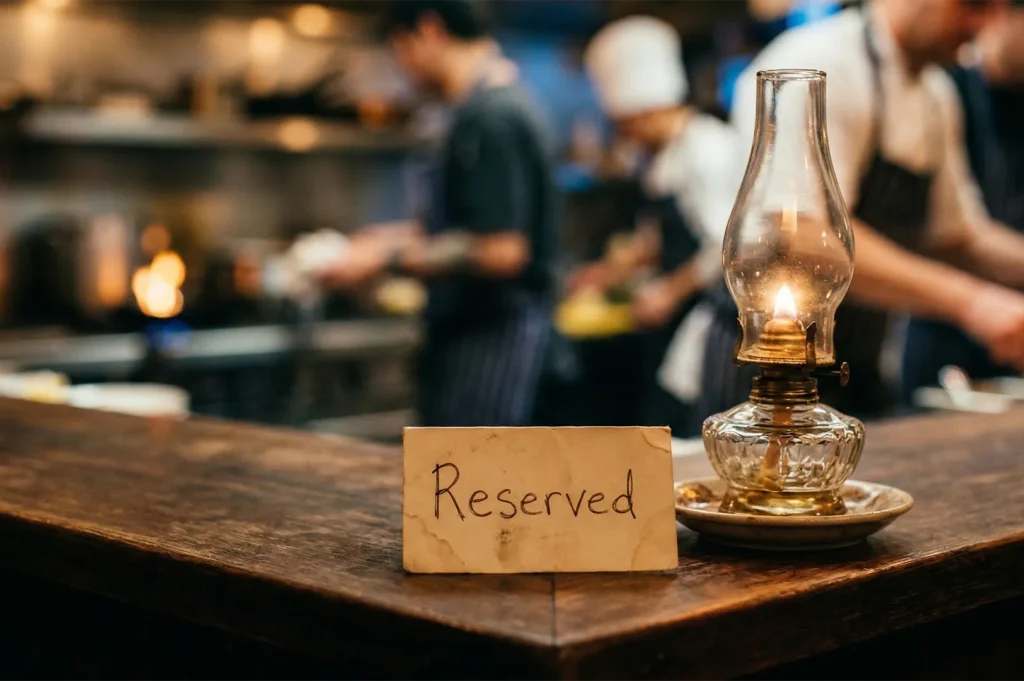
Restaurants accumulate memories faster than most spaces.
A particular corner table might be where a couple celebrated their anniversary every year. The worn wooden counter may carry years of quiet conversations between guests and staff. Even the slightly uneven floor tiles can become part of the character people remember.
When owners begin thinking about renovation, they are not only adjusting walls and layouts.
They are touching pieces of memory.
Guests often form emotional attachments to details that designers might overlook. A sign on the wall, the color of the lights, the arrangement of seats near the entrance. Remove one small element and someone will notice.
This is why thoughtful founders approach renovation carefully.
They ask themselves an important question.
What exactly are people loving when they say they love this place?
Improving Without Erasing
The goal of renovation is rarely to start over completely.
More often it is about refinement.
A kitchen might need a more efficient workflow so the team can serve dishes faster. Tables may need slightly more spacing to make the room comfortable during busy evenings. Lighting might be adjusted to create a softer atmosphere.
These changes sound practical, yet they can reshape the personality of a restaurant if handled without care.
Experienced founders look for ways to preserve the spirit of the space while improving how it functions.
Perhaps the original bar counter remains but gains better storage behind it. Maybe the seating layout shifts subtly while the familiar materials stay in place. Sometimes the renovation becomes an opportunity to highlight features guests already love.
Change becomes quieter when it respects the identity that existed before.
The Conversation With Guests
Renovations also require communication.
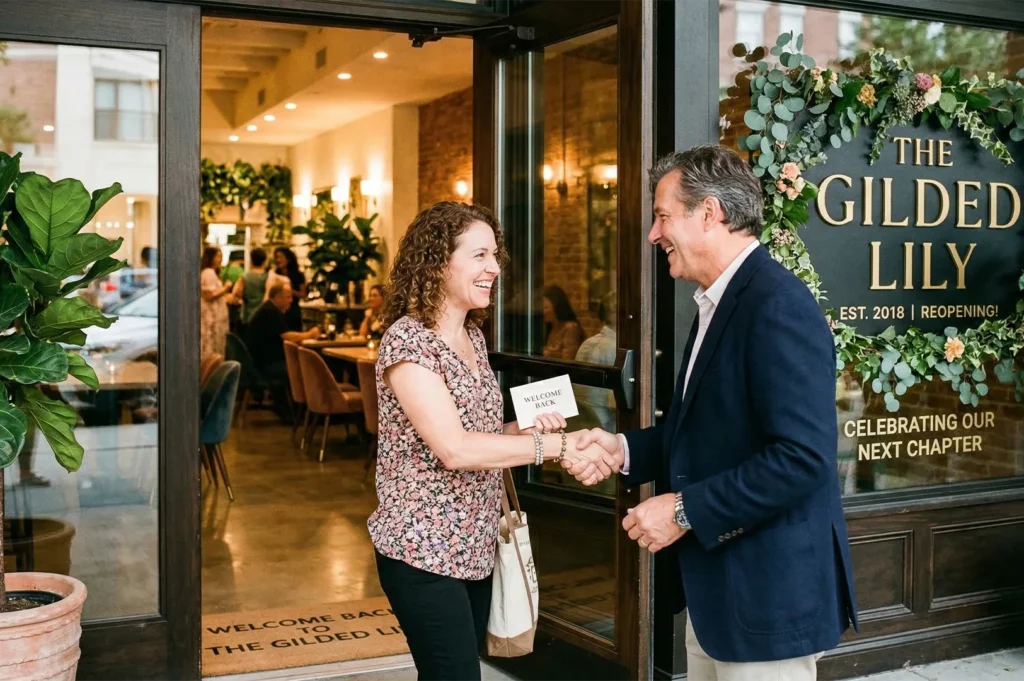
When a restaurant temporarily closes for renovation, regular guests naturally become curious. Some worry that their favorite place will return completely different.
This is where founders often share the story behind the decision.
They explain that the kitchen needs improvement to support the growing team. They mention small upgrades that will make the space more comfortable. Sometimes they reassure guests that certain details will remain untouched.
These conversations matter more than many people realize.
When guests understand the intention behind a renovation, they often become supportive. They feel included in the journey rather than surprised by the outcome.
And in many cases they return with curiosity and excitement when the doors reopen.
Change as Part of the Story
Restaurants are living spaces.
They evolve alongside the people who run them and the communities that gather inside them. What began as a small dining room may slowly grow into a place with deeper history and stronger identity.
Renovation does not erase that story.
In thoughtful hands, it becomes the next chapter.
The familiar elements remain, but they sit inside a space that works better for the team and welcomes guests more comfortably. The spirit that people loved continues, just supported by a stronger foundation.
Founders learn that the real task is not protecting the past from change.
It is carrying the essence of the restaurant forward while allowing the space to grow.
And when that balance is right, guests usually return, look around the refreshed room, and smile.
Because somehow, even after the changes, the place still feels like home.