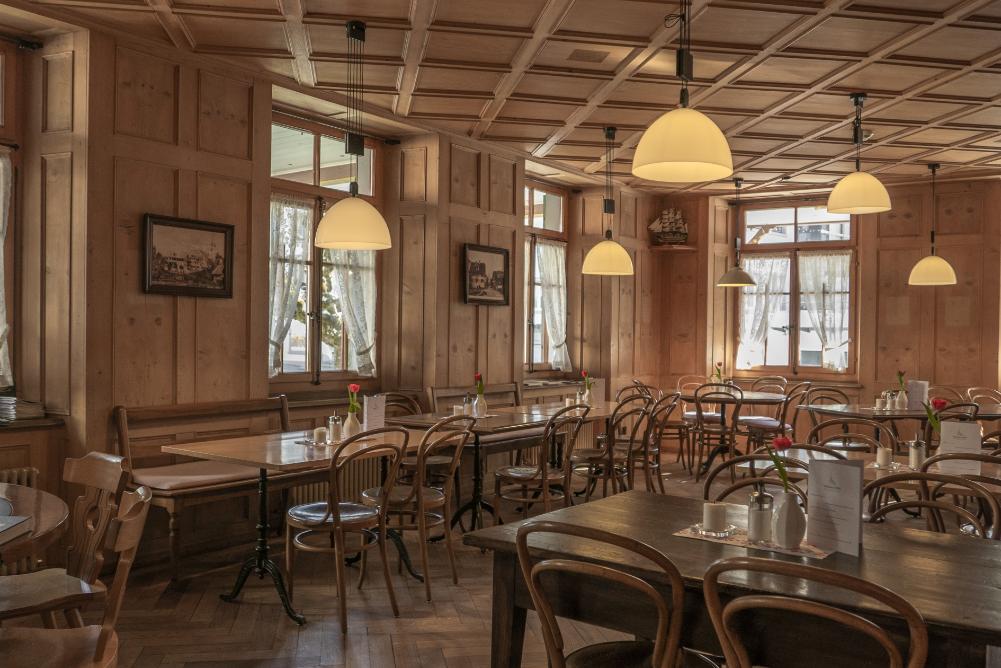

A restaurant’s success depends on more than its menu. The importance of design and interior cannot be overstated, as these elements shape the overall restaurant experience from the very first impression. From the moment guests enter, they embark on a sensory journey shaped by deliberate choices in design and interior planning. For restaurant owners, understanding these fundamentals is essential for creating a space that’s not only beautiful but also functional, profitable, and memorable.
This guide explores the core principles of restaurant interior design—from spatial flow and lighting to color, texture, and acoustics. Each element, along with the distinctive features that define a successful restaurant interior, contributes to a cohesive environment that enhances brand identity and influences customer behavior.
Design and Interior Planning: Building the Foundation of Restaurant Spaces
Many assume that “design” refers to aesthetics and “interior” to decoration, but successful restaurants integrate both from the beginning. Incorporating various design elements and materials is essential to achieve a cohesive restaurant concept. Design defines the concept and brand story, while interior planning executes that vision through layout, materials, and functionality.
A skilled interior designer ensures these layers align. For example, a “fast-paced lunch spot” concept might use bright lighting, durable materials, and compact seating to support quick turnover. When design and interior decisions are unified, the result is an experience that balances functionality, beauty, and operational ease.
Core Elements of Interior Design: Spatial Planning, Flow, and Functionality
Every great restaurant begins with effective spatial planning. The flow of space—from entrance to dining to kitchen—impacts both customer comfort and staff efficiency. Clear pathways, balanced table layouts, and logical service routes are essential key elements of any good interior design. These are also key features that contribute to successful spatial planning and flow, helping to define an effective restaurant interior.
A successful interior lab approach combines creativity and practicality, ensuring aesthetics never compromise functionality. Attention to detail, architecture, and balance allows your restaurant to perform beautifully and efficiently every day.
How Interior Design Style Influences Customer Behavior and Brand Experience
Your interior design style directly influences how customers feel, dine, and spend. Every design choice—lighting, color palette, and furniture—is designed to create specific experiences, contributing to your restaurant’s aesthetic and emotional impact.
Private booths foster intimacy and longer stays, while open layouts with energetic colors encourage movement and faster service. A consistent and thoughtful design and interior concept helps define your brand’s style and personality, encouraging repeat visits and loyalty.
The Role of Color Palette and Lighting in Restaurant Design and Interior
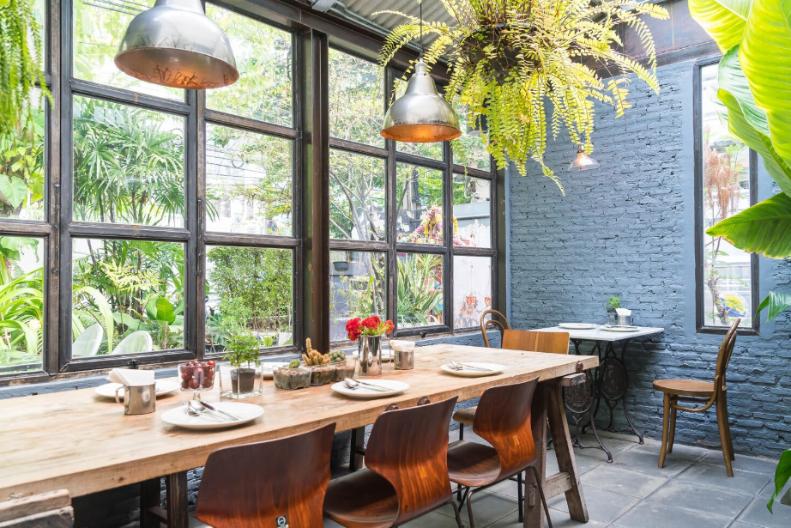
Color and lighting are among the most influential elements of design in a restaurant. Each hue and light intensity communicates mood and identity:
- Reds and Oranges: These warm, energetic colors are known to stimulate appetite and conversation. They are often used in fast-casual restaurants to encourage turnover.
- Blues: While calming, blue is often considered an appetite suppressant. It is used sparingly in dining rooms but can be effective in bars or lounges where food is not the primary focus.
- Greens and Earth Tones: These colors evoke feelings of nature, health, and tranquility. They are perfect for restaurants focused on fresh, organic, or plant-based cuisine.
Incorporating pattern in wall treatments, wallpaper, or upholstery can further enhance the mood and identity of a restaurant space, adding visual interest and personality.
In Singapore’s vibrant dining landscape, a neutral color palette with natural materials such as wood and stone can emphasize simplicity and minimalism, while bold tones showcase modern different aesthetics and trends.
Texture, Natural Materials, and Quality Craftsmanship in Interior Design
Texture adds depth and character, transforming a restaurant from a visual concept into a tactile experience. Combining smooth, leather, wood, and stone finishes brings contrast and warmth. Incorporating sleek surfaces enhances the contemporary restaurant aesthetic, creating a minimalist and sophisticated atmosphere.
Practicality is just as important. Materials must withstand commercial use and humidity. Opt for quality craftsmanship, natural materials, and smart detailing—hallmarks of timeless design and interior success. In tropical climates, light woods, rattan, and breathable fabrics help maintain comfort and a relaxed aesthetic.
Lighting Design and Functionality: Creating Mood and Focus
A well-planned lighting design enhances both atmosphere and practicality. Layer your lighting for best results:
- Ambient Lighting: The overall, general light that fills the space and establishes the base mood.
- Task Lighting: Focused light for specific functions, such as illuminating kitchen prep areas, the host stand, or bar workstations.
- Accent Lighting: Directional light used to highlight architectural features, artwork, or table settings, adding drama and visual interest.
By layering these types of light and using a control system with dimmers, you can create different atmospheres for different times of day—a bright and energizing feel for lunch, and a warm, intimate glow for dinner.
Adjustable lighting systems create smooth transitions from day to night, capturing the elegance and balance essential to a sophisticated dining experience. Energy-efficient LED technology also adds sustainability and cost control to your renovation process.
Furniture and Interior Designer Insights: Layouts that Define Dining Style
Your furniture layout determines how space is used and perceived. The right mix reflects your design and interior style:
- Fine Dining: Luxurious seating, neutral color palettes, and elegant spacing. Must-have pieces include upholstered chairs and statement lighting fixtures.
- Casual Dining: Flexible arrangements with booths or movable tables. Must-have features are communal tables and cozy banquettes.
- Fast-Casual: Streamlined setups that encourage quick turnover. Must-have elements are stackable chairs and compact tables for efficient use of space.
An experienced interior designer considers every detail—from room flow to patterns and textures—ensuring both guests and staff experience comfort and efficiency.
Different Aesthetics: Traditional, Scandinavian, and Industrial Interior Design Styles
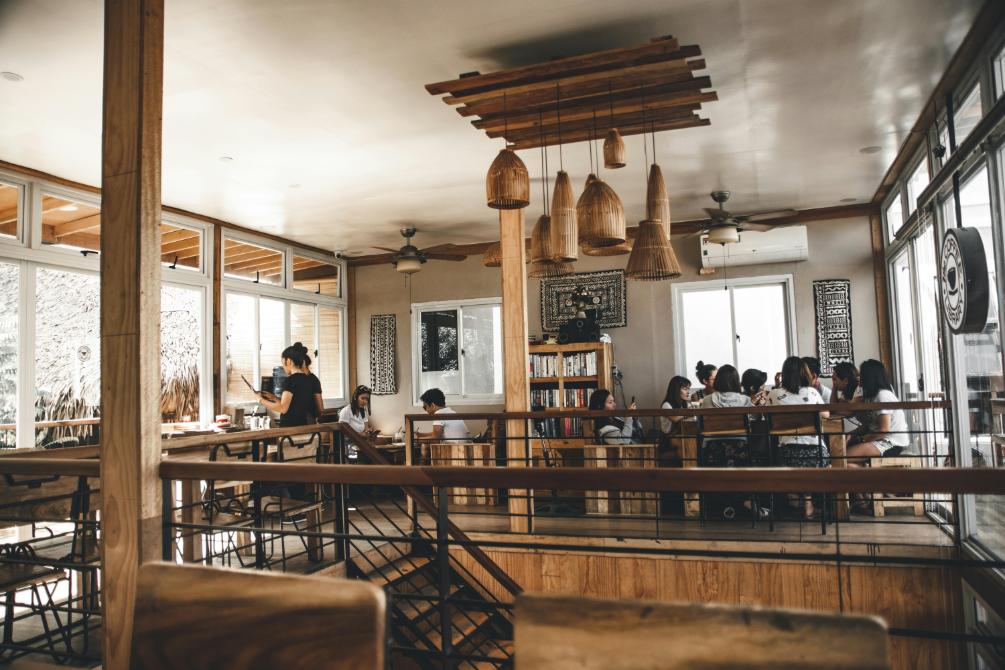
Restaurant interiors can adopt many different aesthetics, each telling a unique story. Different designs reflect the latest fashion trends in restaurant interiors, showcasing how style and craftsmanship evolve with popular tastes:
- Traditional Interior Design Style: Warm tones, rustic cabin influences, and handcrafted wood details evoke heritage and comfort.
- Scandinavian Interior Design Style: Minimalism, natural light, and smooth neutral palettes emphasize simplicity and nature.
- Industrial Design: Exposed materials, metal finishes, and stone accents highlight urban sophistication and raw beauty. This design often incorporates elements inspired by contemporary fashion, making it both trendy and functional.
Blending or adapting these unique interior design styles allows your restaurant to express its brand personality while staying modern and relevant.
Branding Through Design and Interior: Creating a Cohesive Experience
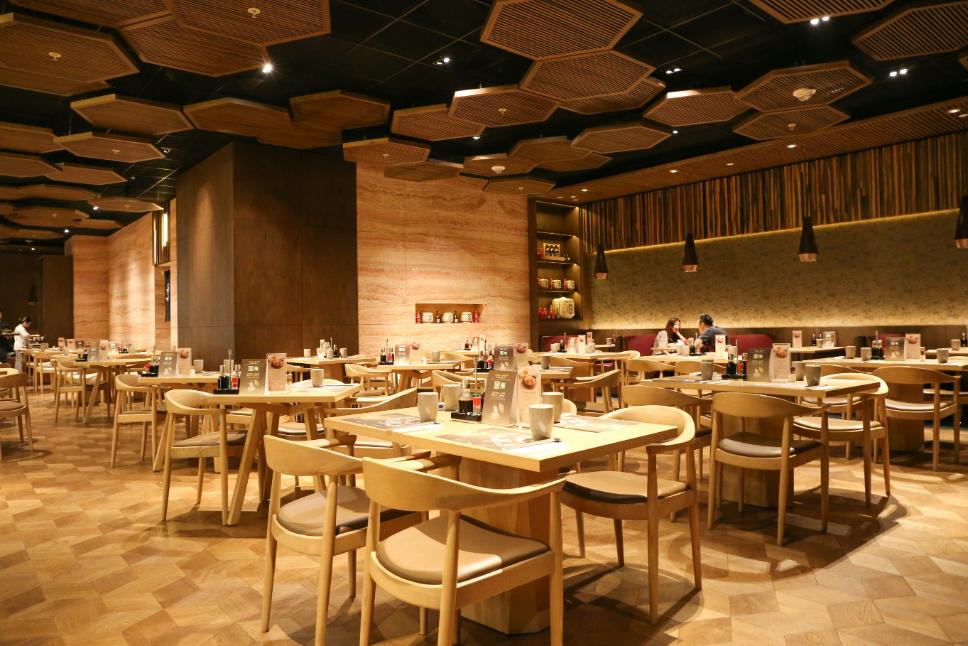
Your restaurant’s design and interior should reflect your creative journey. Every element—from wall finishes and furniture to menus and staff uniforms—should align with your brand’s story, so that a cohesive experience is created through thoughtful design and interior choices.
A cohesive interior design style creates an emotional link between your space and your guests. Whether your project emphasizes simplicity, elegance, or contrast, consistency builds recognition and loyalty.
This consistency should extend across all customer touchpoints. The font on your menu, the style of your staff uniforms, and the design of your website should all feel like they belong to the same family as your physical interior. This creates a strong, memorable brand identity that customers can connect with. For example, a brand built on rustic, farm-to-table principles should be reflected in an interior featuring natural wood, earthy tones, and handcrafted elements.
Common Pitfalls in Restaurant Design and Renovation Process
Many restaurant owners fall into avoidable mistakes during the renovation process:
- Over-designing or under-designing—either too cluttered or too plain.
- Ignoring function—beauty must not hinder daily operations.
- Poor budgeting—lack of planning leads to delays and overspending.
A complete design and renovation plan is essential to prevent these common pitfalls and achieve a well-rounded, functional space.
Keeping focus on core elements, simplicity, and balance ensures that your space remains both beautiful and practical.
Working with an Interior Lab Team: Designers and Contractors in Collaboration
Choosing between an interior designer and a renovation contractor depends on your goals—but collaboration is key.
- Interior Designers: Handle aesthetic vision, layout, and key design elements.
- Contractors: Execute the build, manage materials, and deliver the finished space.
Our team tailors their services to meet the unique needs and preferences of each client, ensuring a personalized approach and client satisfaction throughout the process.
Working with a trusted interior lab team ensures every feature, from lighting to finishes, aligns with your vision—executed with art, craftsmanship, and technical expertise. We offer a comprehensive range of services, including consultation, customization, project management, and renovation, to support your project from start to finish. With numerous completed projects in our portfolio, we have the experience and reliability to bring your dream restaurant to life. A highly recommended team brings your dream restaurant to life.
Conclusion: Exploring the Beauty and Function of Modern Restaurant Design
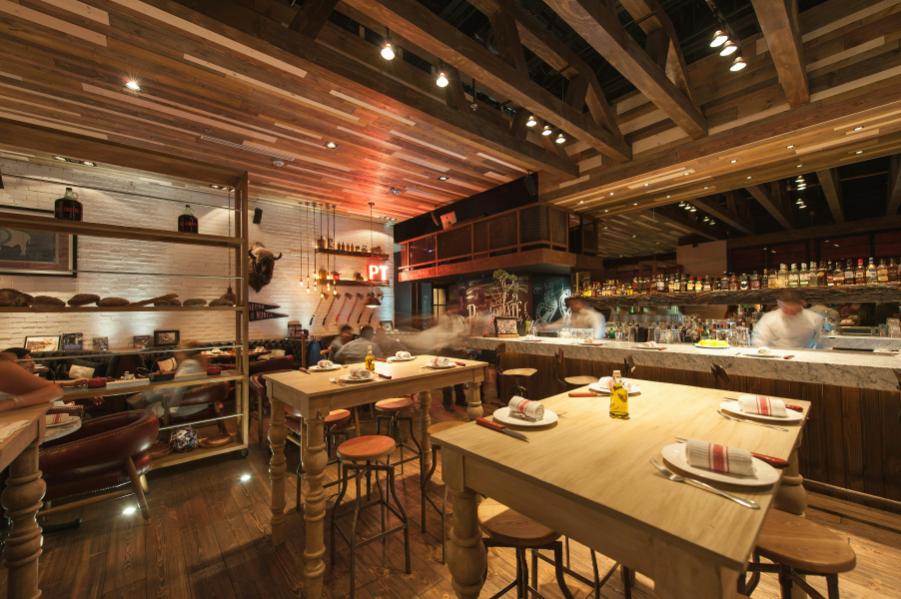
Successful restaurants achieve balance between design and functionality—where every color, texture, and light serves a purpose. Understanding these basics helps you make smart design choices that support both creativity and profitability. When planning your own space, seek inspiration from successful restaurant designs to guide your choices and create a cohesive, appealing environment.
To explore deeper insights on applying these principles within Singapore’s F&B industry, visit our companion guide: Interior Design Strategies for Restaurant Success in Singapore in Restaurant Renovations.