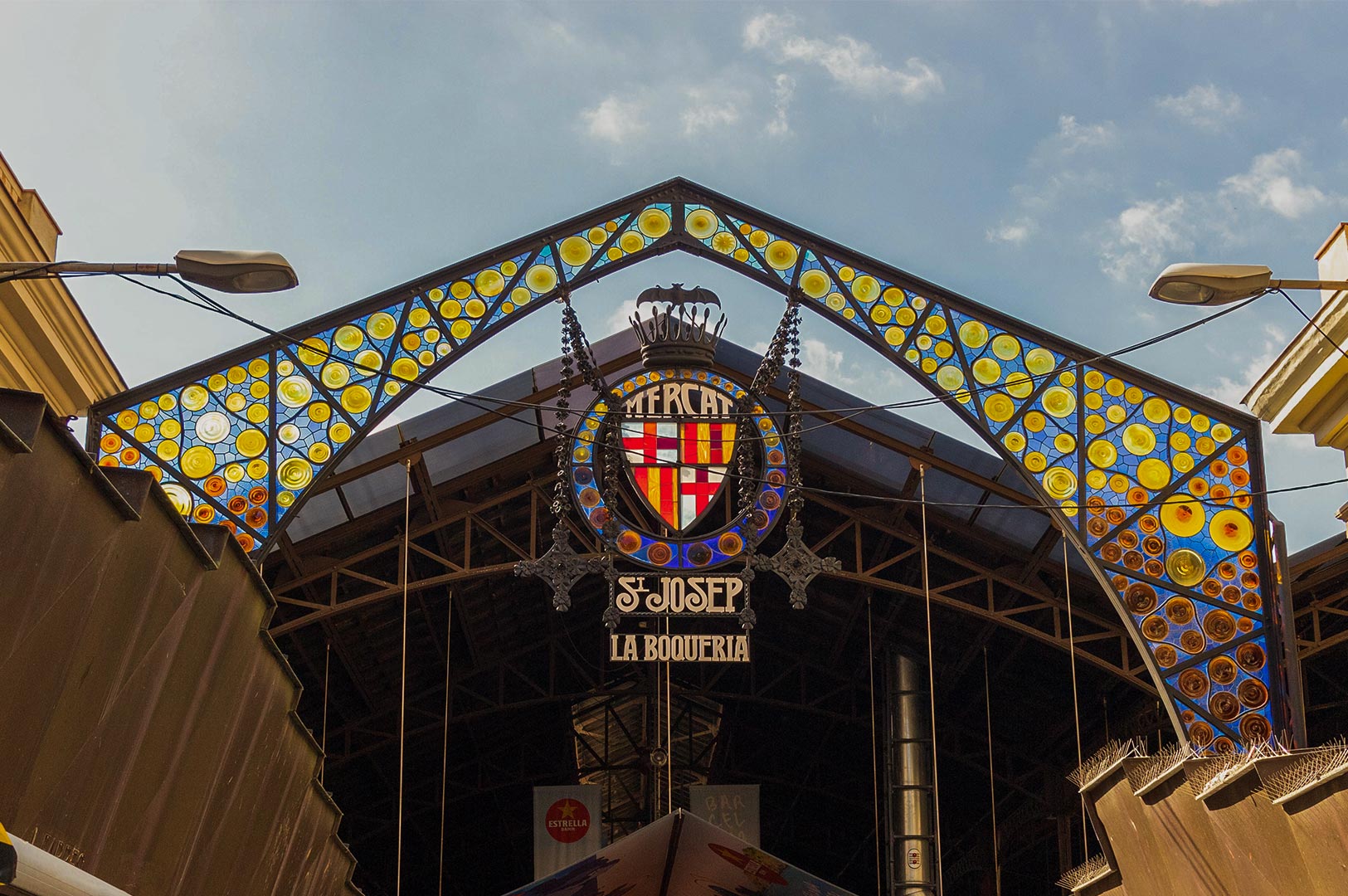

The first light of day falls softly across La Boqueria, and the market seems to breathe. The chatter of early vendors mixes with the clatter of crates and the faint, salty scent of the sea drifting from the fishmongers’ stalls. At first glance, it dazzles with stacked fruit cups and glossy tapas counters. But if you pause, step beyond the entrance, and let your senses adjust, the market’s true character begins to reveal itself.
Vendors here have rhythms all their own. They know the flow of the space, the moment when the freshest prawns arrive, and when heirloom tomatoes are at their peak. Walking through, you notice small details. Handwritten signs hint at seasonal treasures, knives move in precise arcs, and quiet nods are exchanged between chefs and stall owners. It is a choreography perfected over generations.
The seafood section feels like a hidden stage. Ice glistens under morning light, and fishermen’s catch, from red prawns to plump anchovies and spiny sea urchins, waits to be examined and sent home. Nearby, charcuterie masters slice Jamón Ibérico with reverent care, serving locals who know the difference between ordinary ham and something exceptional. Even simple juice stalls offer surprises, pressing fresh oranges or pomegranates to order.Navigating the market is a lesson in observation. Early mornings are best, before the tourist crowd arrives. Follow the locals, chefs with clipboards, families with trolleys. The hidden gems are worth the extra step, and noticing the flow, the rhythm of movement and exchange, makes the market feel alive.
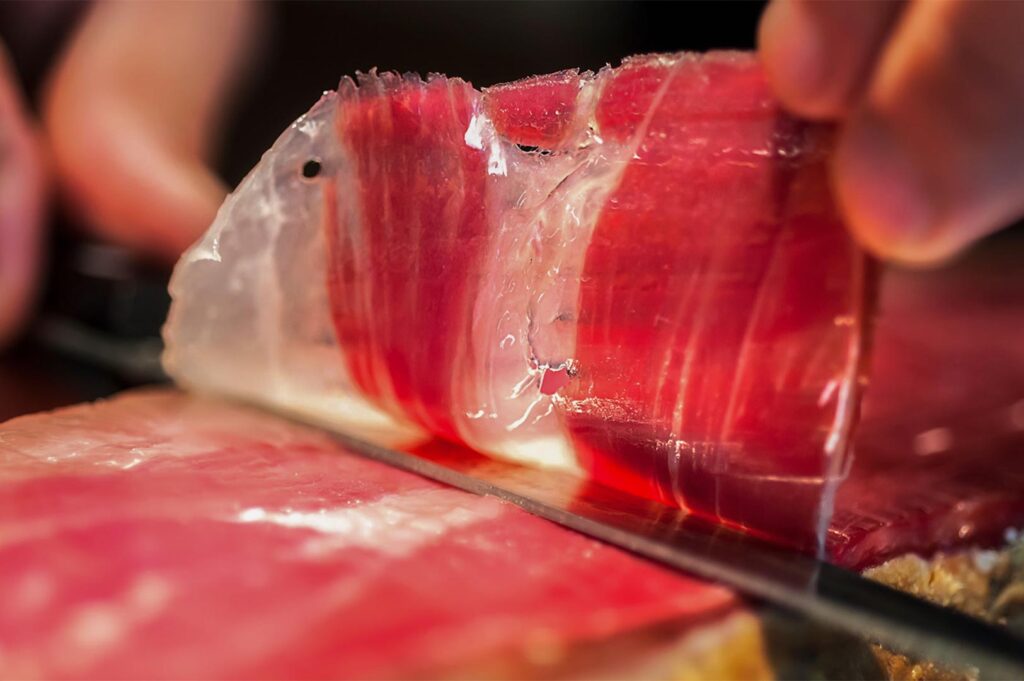
This attention to detail, to rhythm, and to human experience reminded me of the philosophy behind Dishes and Scenes. Just as the market’s vendors craft their spaces thoughtfully, observing every interaction, we learn to appreciate how rhythm, light, and human movement create a story worth returning to.
By mid-morning, the market settles into its rhythm. Noise softens into hums, aisles flow with measured pace, and sunlight highlights textures you might have missed. It is easy to forget the hours of planning, attention to detail, and invisible work behind the experience, but these are precisely what make it feel effortless.
See how every material choice shapes experience in restaurants by exploring sustainable design with Restaurant Renovations.
La Boqueria teaches us that the most extraordinary spaces are quietly orchestrated. Whether through centuries-old market practices or careful design choices, spaces that harmonize with human movement, light, and sound tell stories that linger long after you leave.
Liora Finds