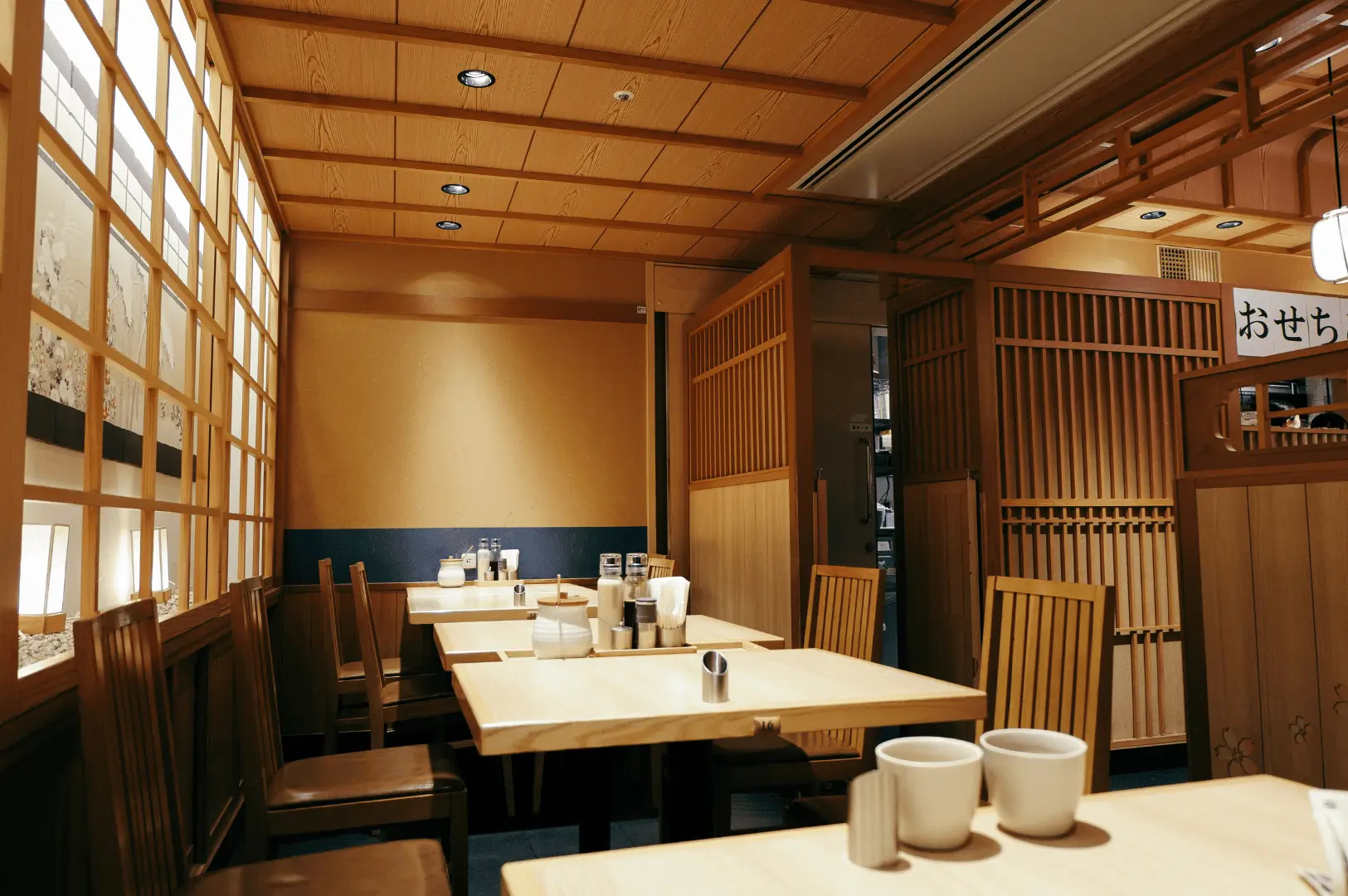

In a bustling city like Singapore, creating a dining sanctuary where guests can escape and focus on their culinary experience is a powerful differentiator. It is important to consider interior restaurant design in Singapore, as the location greatly influences both the design approach and guest expectations. Japanese minimalist design offers a compelling solution, transforming a simple meal into a serene and memorable event, whether in an intimate sushi counter setting or a private tea room in Singapore.
This approach goes beyond just aesthetics; it’s a philosophy that prioritizes tranquility, quality, and an uncluttered atmosphere, allowing your food to take center stage. For restaurant owners, this is an effective restaurant interior design strategy that fosters a unique and calming ambiance.
This design philosophy is rooted in principles like wabi-sabi—the art of finding beauty in imperfection and transience—and ma, the concept of negative space. Wabi-sabi encourages the use of natural, authentic materials that age gracefully, while ma emphasizes the importance of the empty space between objects, creating a sense of calm and order.
By embracing these ideas, you can craft a dining environment that feels both sophisticated and deeply restorative. This ensures a seamless and memorable dining experience for every guest.
Key Elements of Japanese Minimalist Restaurant Design and Interior Design
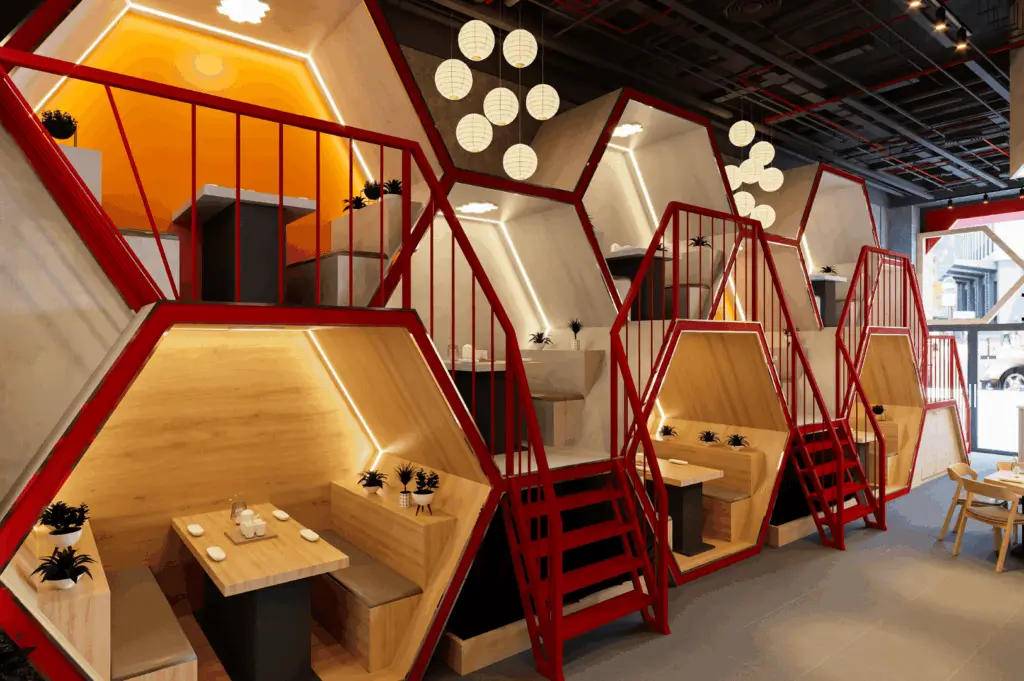
Achieving a Japanese minimalist aesthetic involves careful planning and having a clear plan to reach the ideal interior restaurant design. It is essential to strike the right balance between aesthetics and functionality, ensuring that decor, lighting, and furniture work harmoniously to create an inviting yet practical space. Each component should contribute to a cohesive and tranquil atmosphere that enhances the dining experience. The following tips will help guide you through the restaurant interior design process to achieve the ideal Japanese minimalist restaurant design.
Natural Materials in Interior Design
The foundation of this style is a deep respect for nature. Incorporating plants and natural decor elements, such as leaves in art installations or design motifs, can further enhance the connection to nature and reinforce the minimalist aesthetic. Incorporate materials like light-colored woods (such as hinoki, maple, or bamboo), stone, paper, and natural textiles. These materials add warmth, texture, and a connection to the outdoors, creating a space that feels grounded and authentic. Think about wooden tabletops, stone counters, or linen upholstery.
Neutral Color Palettes in Restaurant Interior
Minimalism thrives on a restrained color scheme. Stick to neutral and earthy tones like beige, gray, white, and soft browns. These colors create a serene backdrop that doesn’t compete with the food or the diners. Accent colors can be introduced subtly through art or tableware, but the overall palette should remain calm and muted.
Clean Lines and Simplicity in Restaurant Design
This design for a restaurant is defined by its clean, uncluttered lines. Furniture and architectural details should be simple, functional, and free of excessive ornamentation. Minimalist architecture, along with features such as galleries or arches, can further enhance the sense of order and harmony by integrating structural elements that support both aesthetic appeal and functional flow.
The focus is on the form and function of each piece, contributing to an overall sense of order and harmony within the space.
Thoughtful Lighting in Interior Design
Lighting plays a crucial role in setting the mood. Use soft, ambient lighting to create a warm and inviting glow. Natural light is paramount, so maximize it where possible. For artificial lighting, consider fixtures made from natural materials like paper washi lamps or simple, sculptural pendants that provide focused light over tables without overwhelming the space. Avoid lighting that is too dim, as inadequate illumination can negatively impact the restaurant’s atmosphere and guest comfort.
Practical Features to Consider
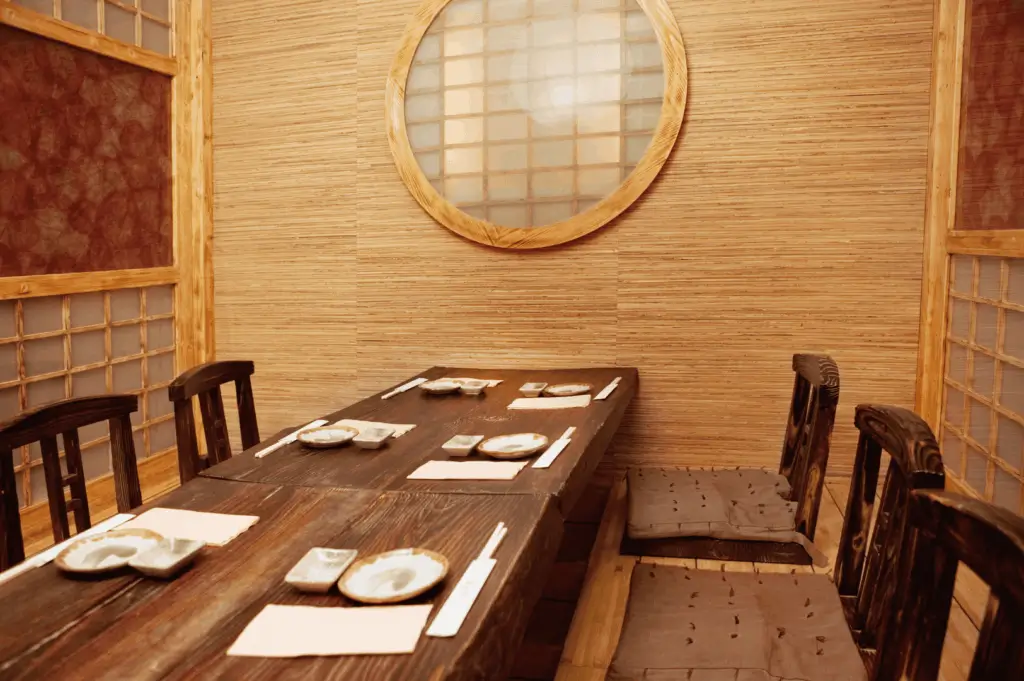
Bringing the Japanese minimalist aesthetic to life involves incorporating specific, iconic features. These elements not only enhance the visual appeal but also contribute to the unique dining experience you want to offer. Careful planning of different areas, such as the kitchen, bar, and back-of-house, is essential to cater to both guests and staff, supporting smooth operations and efficient service. This interior restaurant design approach ensures the restaurant interior balances functionality with a pared back aesthetic that reflects the culture and charm of Japanese tradition while fitting seamlessly into Singapore’s vibrant scene.
- Low Dining Tables: Incorporate a section with zaisu, traditional Japanese legless chairs paired with low wooden tables. This seating offers authenticity and fosters intimate, communal dining, encouraging guests to engage deeply with their meal and companions. It suits families and groups seeking a unique cultural experience, aligning with minimalist restaurant design by reducing visual clutter and emphasizing simplicity. The warm wood tones of the tables and chairs enhance the overall interior design, creating a comfortable space that invites diners to stay longer.
- Shoji Screens: Use shoji screens—translucent paper panels framed in wood—to divide dining areas without blocking natural light or the open feel. Their lightweight design supports adaptable space management for various service needs and helps prevent bottlenecks in guest flow. Shoji screens also aid acoustic management by softly diffusing sound, creating a quiet, study-like ambience that enhances the guest experience. These screens enhance the lighting by allowing natural light to filter indoors, contributing to a warm and inviting atmosphere that reflects the brand’s commitment to quality and comfort.
- Minimal Floral Arrangements (Ikebana): Embrace the traditional Japanese art of ikebana, which highlights harmony, balance, and simplicity through minimalist floral designs. Choose carefully curated pieces with a single branch or a few blooms to complement the minimalist interior design, evoking tranquility and mindfulness without sensory overload. Seasonal updates of ikebana arrangements support personalized content and ads, enhancing the restaurant’s online presence and showcasing its dedication to culture and design.
- Handcrafted Ceramics: Enhance the dining experience with handcrafted ceramics that reflect the wabi-sabi philosophy—celebrating imperfection and natural textures. These artisanal pieces add authenticity and tactile richness, reinforcing quality and craftsmanship. Selecting ceramics from local artisans supports sustainability and community, aligning with eco-friendly interior restaurant design principles and boosting the brand identity.
- Tatami Flooring: Incorporate tatami mats in select private dining areas to offer guests a traditional Japanese experience. Partial tatami areas provide tactile contrast and a visual nod to cultural heritage, enhancing sensory ambiance with natural textures and subtle fragrance. They also improve acoustics by softening footsteps, creating a quieter atmosphere. Design tatami spaces with accessibility in mind, ensuring smooth transitions for all guests. This thoughtful inclusion promotes a welcoming, safe environment, reflecting the quality of service and supporting operational efficiency. The size and layout of these areas should be carefully planned to fit the site and avoid bottlenecks, contributing to a long-lasting positive impression.
This interior restaurant design guide illustrates how a pared back approach can bring warmth, intimacy, and comfort to a modern restaurant while respecting traditional Japanese aesthetics. Using natural materials like wood and steel, along with well-considered lighting and ventilation, helps create a space that is both functional and inviting. Thoughtful design choices, such as the bar placement and kitchen layout, enhance workflow and service, ensuring diners enjoy a seamless and memorable experience that reflects the city’s dynamic food scene and cultural richness. Ultimately, this minimalist interior design not only elevates the restaurant interior but also strengthens the brand’s identity, making it a home away from home for guests seeking authenticity and elegance in Singapore’s competitive market.