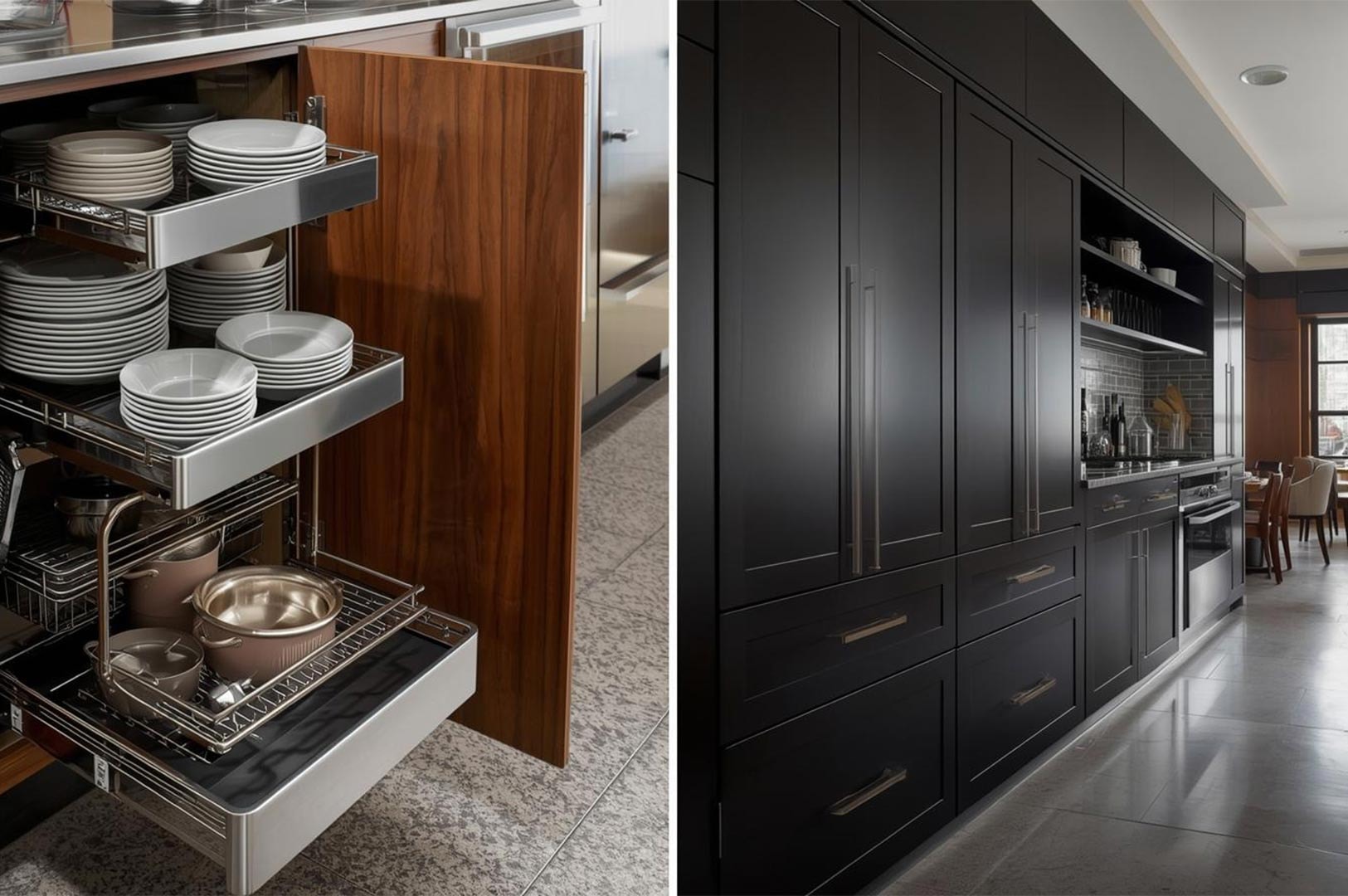

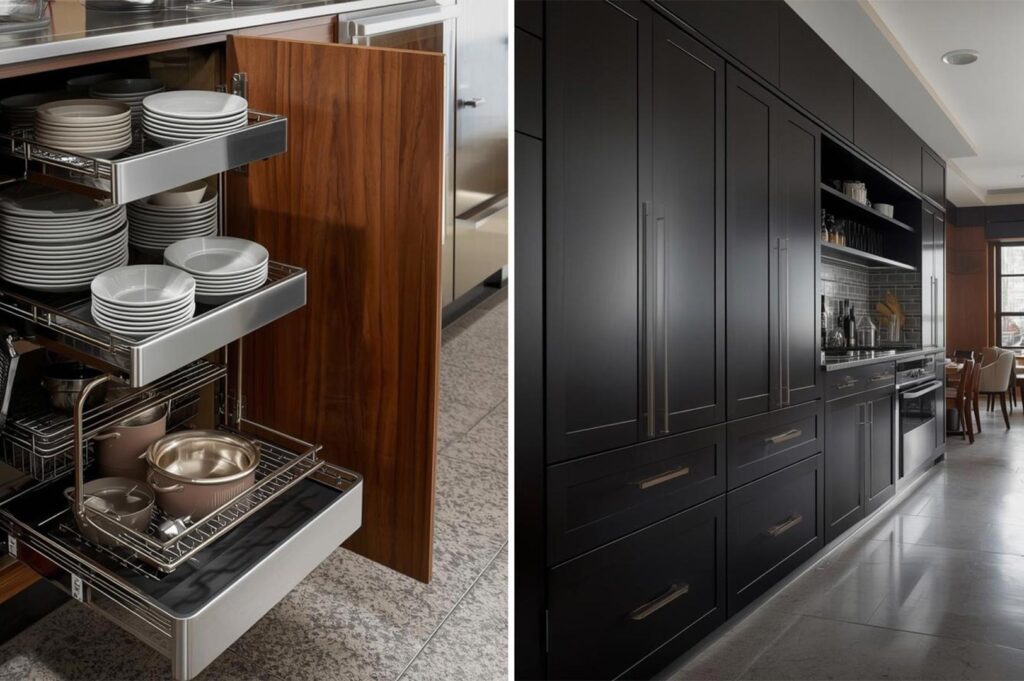
This comprehensive guide explores the strategic integration of kitchen design and cabinets, moving beyond simple storage to a holistic approach. For restaurant owners navigating Singapore’s unique and competitive renovation landscape, understanding these principles is essential for achieving both operational efficiency and your desired design vision. This guide also offers inspiration for restaurant owners seeking innovative kitchen cabinet design solutions.
With the right team and thoughtful planning, you can achieve a harmonious balance of style and functionality, turning your kitchen into a dream space where food preparation, storage, and social interaction all serve your lifestyle beautifully. Don’t worry about the cost; smart choices in materials and design will maximize your investment, letting you spend less while gaining more in quality and life. Let your homeowner pride shine through every photo of your stylish and efficient kitchen.
The Dual Role of Kitchen Cabinets in Kitchen Design and Interior Design
In any commercial kitchen design, kitchen cabinets play a dual role. Functionally, they provide essential, organized storage that keeps a busy kitchen running smoothly. Aesthetically, they are one of the largest visual components in the space, defining its character and style. Viewing cabinets as mere storage boxes is a common mistake that can lead to a kitchen that is either inefficient or visually disconnected from your restaurant’s brand.
A thoughtful kitchen cabinet design influences the overall identity of your kitchen. Sleek, handle-less cabinets in a matte black finish might communicate a modern, upscale concept, while warm wood Shaker-style cabinets could evoke a rustic, farm-to-table feel. The choice of colours—whether bold, neutral, or coordinated with your brand palette—further enhances the kitchen’s visual identity and supports the restaurant’s brand. This visual language connects directly to your brand positioning and shapes customer perception, especially in an open-kitchen concept.
Kitchen Cabinet Design Principles for Commercial Restaurant Environments: Creating Your Dream Kitchen
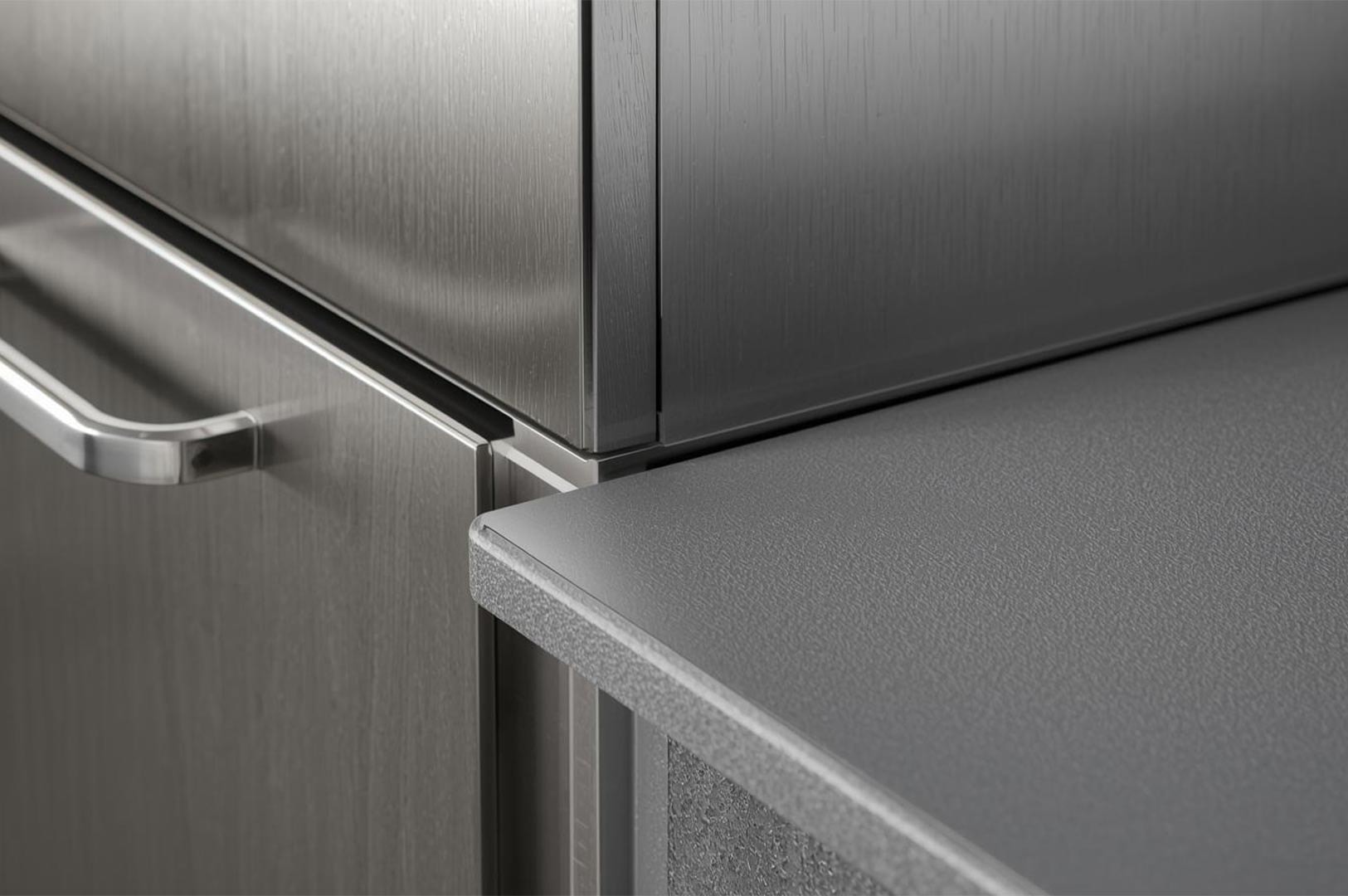
Designing cabinets for a commercial kitchen requires a different mindset than for a residential space. Three principles are paramount. A thoughtful mix of cabinet types, finishes, and configurations allows you to customize the setup to meet the unique demands of a commercial kitchen.
Durability Meets Design in Kitchen Cabinets for a Dream Kitchen
Commercial cabinets must endure intense use, high heat, and constant moisture. Materials like 304-grade stainless steel, high-pressure laminates, and powder-coated metals are standard. Finishes must balance style with easy maintenance, resisting scratches, stains, and harsh cleaning chemicals. Regular upkeep is essential to maintain both the appearance and functionality of commercial kitchen cabinets over time. This is a non-negotiable aspect where commercial-grade standards far exceed residential expectations.
Scale and Proportion in Commercial Kitchen Design for Small Kitchen Spaces
The scale of a commercial kitchen is much larger than a home kitchen. Cabinet sizing must reflect this, not just for storage capacity but for visual balance. Tall, full-height cabinets can make a space feel grand and organized, while improperly scaled residential-sized units can look lost and undersized. A professional designer will consider the height, depth, and visual weight to create a harmonious and imposing professional setting.
Design Cohesion with Restaurant Concept in Kitchen Cabinet Design and Interior Design
The best kitchen design and cabinets feel like a natural extension of the restaurant’s overall theme. An industrial-chic eatery in a Singapore shophouse might feature raw stainless steel cabinets and open shelving, while a traditional Peranakan restaurant could opt for custom cabinets with classic details and colors. The design choices in the back-of-house should always feel connected to the front-of-house experience, creating a cohesive brand story that complements the rest of the restaurant’s interior.
Cabinet Configuration Strategies for Different Kitchen Layouts in Small Kitchen and Commercial Kitchen Design
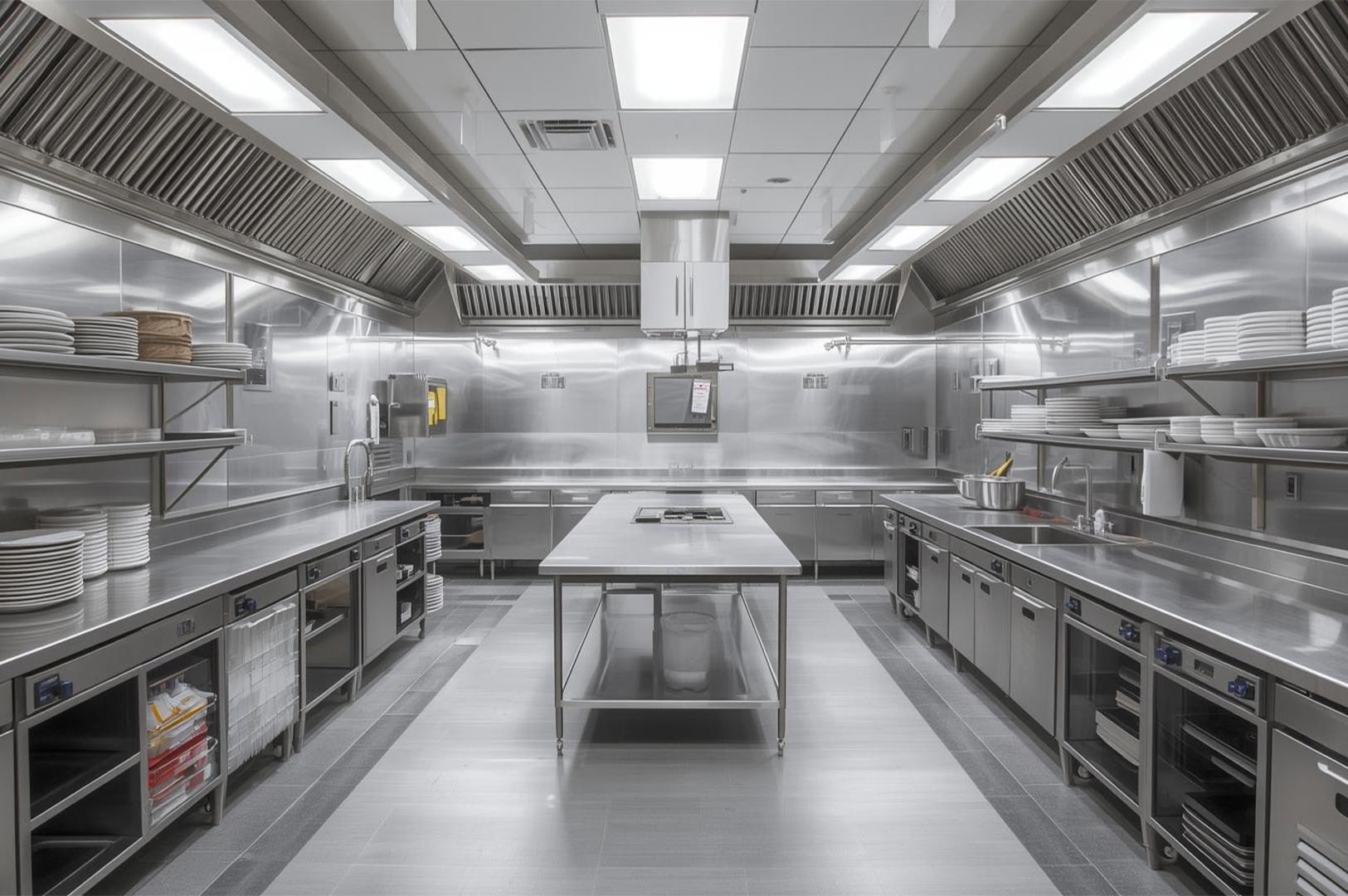
The layout of your kitchen dictates the most effective cabinet configurations.
Galley Kitchen Cabinet Design for Small Kitchen Efficiency
In the linear, corridor-style galley kitchens common in many Singapore restaurants, efficiency is key. Maximize storage with parallel rows of upper and lower kitchen cabinets. Ensure aisle width is sufficient (at least 900-1200mm) to allow staff to pass each other without creating bottlenecks.
Kitchen Island Cabinet Design: The Heart of Your Dream Kitchen
An island is a powerful multi-functional hub. The cabinetry within an island can be designed for prep station storage, integrated waste bins, or even under-counter refrigeration. A well-designed island serves as a central point for prep, plating, and communication.
L-Shaped and U-Shaped Kitchen Cabinet Design for Small Kitchen Practicality
These layouts are excellent for creating efficient work triangles. However, they present corner challenges. Smart corner cabinet solutions, like lazy Susans or pull-out shelving systems designed for commercial loads, are essential to make these difficult-to-use spaces fully functional.
Upper vs. Lower Kitchen Cabinets Design Decisions in Small Kitchen and Commercial Kitchen Design
Balancing upper and lower cabinets is crucial for both function and aesthetics, especially in compact Singapore kitchens where vertical space is a valuable asset. Cabinet design can also be tailored to support kitchens where staff cook frequently, requiring easy access to appliances and ingredients, or for spaces where minimal cooking is done and storage needs are different.
- Upper Cabinets: Prioritize these for frequently accessed, lightweight items like spices, standard tableware, and prep tools.
- Lower Cabinets: Design these to hold heavy equipment (mixers, food processors) and bulk ingredients. Deep drawers are often more ergonomic than deep cupboards for lower storage.
- Open vs. Full-Height: Leaving upper spaces open can make a small kitchen feel larger, but it sacrifices storage. Full-height pantry-style cabinets can be incredibly efficient for dry storage.
For a deeper exploration of storage-specific solutions and cabinet organization strategies, see our companion article on Kitchens with Cabinets: Essential Storage Solutions for Restaurant Renovations in Singapore, which complements the design considerations discussed here.
Kitchen Cabinet Door Styles, Hardware, and Finish Options for Stylish Kitchen Design
Door Styles for Commercial Appeal in Kitchen Cabinet Design
- Flat-Panel: Sleek, modern, and easy to clean, making it a popular choice.
- Shaker: A timeless style with a simple frame, versatile enough for both traditional and contemporary concepts.
- Glass-Front: Can be used strategically to display clean glassware or high-end ingredients, adding visual interest. Not recommended for high-mess areas.
Hardware Selection for Kitchen Cabinets in Commercial Kitchen Design
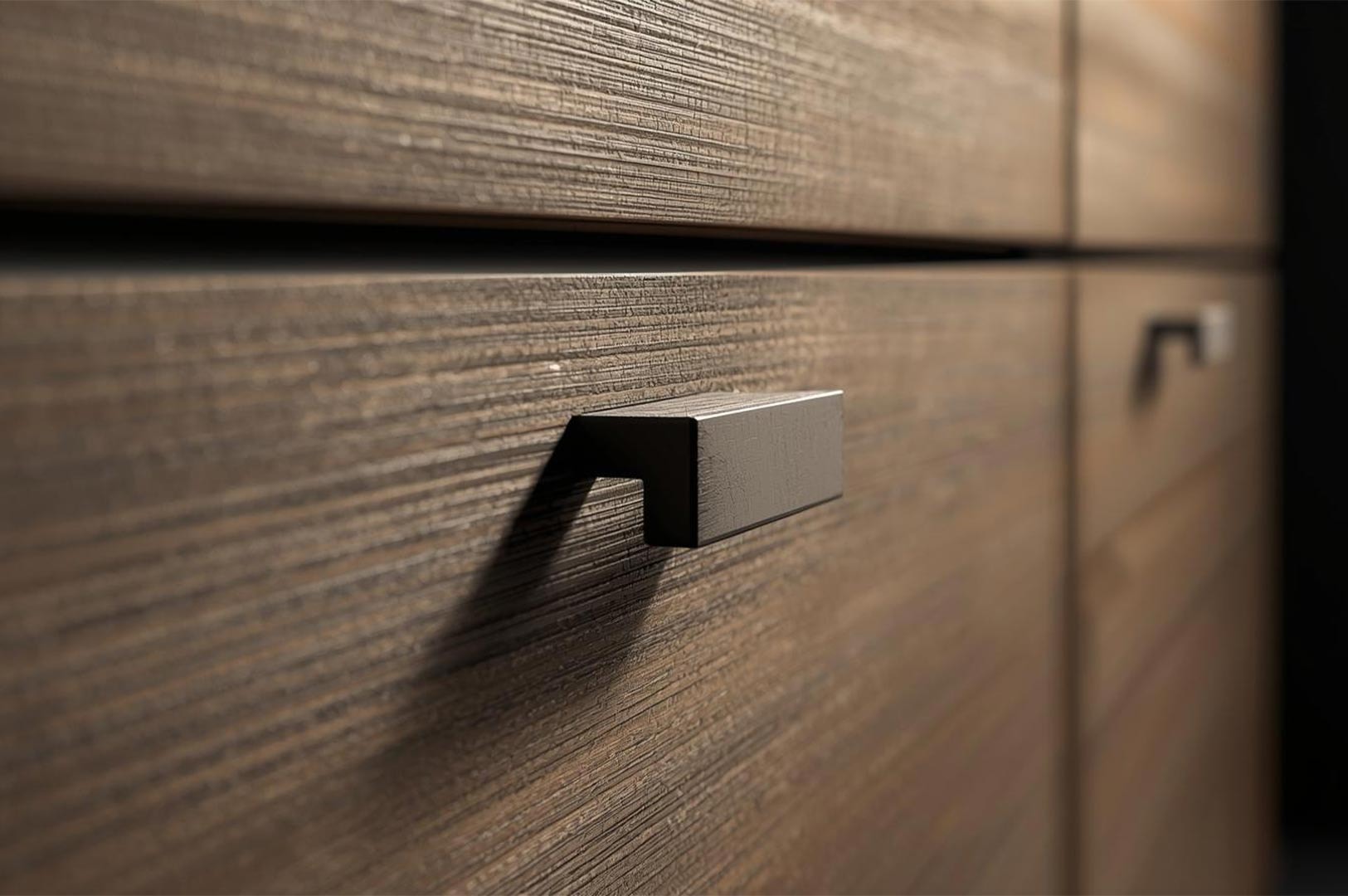
Handles, pulls, and knobs are functional design accents. Choose durable hardware that can withstand constant use. For a minimalist look, touch-latch systems eliminate the need for external hardware but must be commercial-grade to be reliable. Ergonomics are key; staff should be able to open cabinets easily, even with full hands.
Finish Options to Enhance Your Kitchen Cabinet Design and Interior Design
- Stainless Steel: The ultimate choice for durability and hygiene.
- Powder-Coated Metal: Offers a wide range of color options for a more stylized look.
- Laminate: High-pressure laminates (HPL) are durable, easy to clean, and available in countless colors and patterns.
- Wood Veneer: Can provide a warm, upscale look but must be properly sealed for a commercial kitchen’s high-moisture environment. Matte finishes are better at hiding fingerprints and small scratches than glossy ones.
Custom Kitchen Cabinet Design vs. Modular Systems: Choosing the Right Kitchen Cabinets
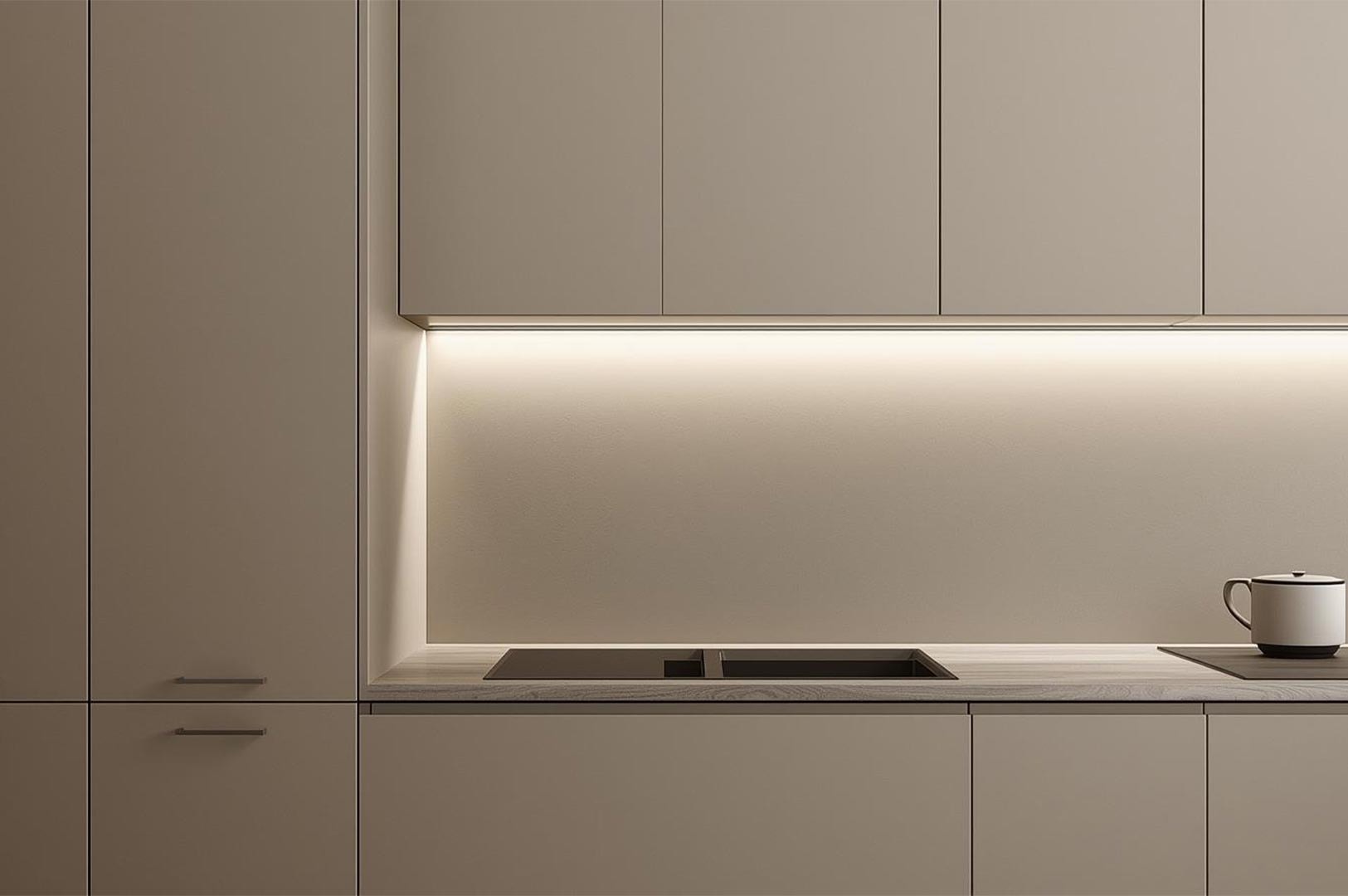
When it comes to sourcing, you can choose custom-built cabinetry or pre-sized modular systems. When making a purchase, consider factors such as delivery, assembly, and the overall value and cost-effectiveness, especially for big-ticket items.
- Custom Cabinetry: This offers complete design freedom, tailored to your unique space and operational needs. It is the best way to maximize every inch of a compact Singapore kitchen but comes at a higher cost and with longer lead times.
- Modular Systems: These are a cost-effective solution with good design flexibility. While you are limited to standard sizes, they can be configured in many ways. Lead times are much shorter.
Often, a hybrid approach makes the most sense: use modular systems for standard runs and invest in a custom piece for a difficult corner or a unique island design.
Working with Renovation Contractors In Store in Singapore for Kitchen Cabinet Design

Executing a successful kitchen cabinet design requires a skilled contractor. Look for renovation contractors in Singapore with proven experience in commercial kitchen design.
- Provide them with highly detailed technical drawings and specifications.
- Ensure they understand SFA compliance requirements for materials and installation.
- Collaborate effectively between your designer, contractor, and equipment supplier.
- Establish clear quality control checkpoints during the installation phase.
When vetting potential renovation contractors in Singapore, ask to see their portfolio of F&B projects and speak with past clients.
Conclusion
Strategic kitchen cabinet design is an essential component of a successful restaurant renovation. It is an investment that pays dividends every single day in improved efficiency, enhanced staff morale, and a stronger brand identity. By thoughtfully integrating kitchen design and cabinets, you create a workspace that empowers your team to deliver their best. To bring this vision to life, it is essential to partner with experienced renovation contractors in Singapore who understand how to merge brilliant design with the uncompromising demands of a commercial kitchen.To bring this vision to life, it is essential to partner with experienced renovation contractors in Singapore who understand how to merge brilliant kitchen cabinet design with the uncompromising demands of a commercial kitchen. These professionals help you decide on the right kitchen cabinets and materials that balance style, functionality, and durability. Whether you prefer solid wood or sleek, modern finishes, they can guide you through designing kitchen cabinets that optimize storage and workflow, making your dream kitchen both practical and stylish.
A well-thought-out kitchen design integrates kitchen appliances like the stove, sink, and kitchen island seamlessly with cabinetry, ensuring ample space for kitchen essentials and smooth cooking operations. The use of natural light and bright colour schemes can create an inviting room that feels open and airy, even in a small kitchen. Incorporating straight lines and streamlined doors and drawers contributes to a clutter free environment, enhancing both functionality and elegance.
In addition to custom made options, many contractors offer assembly services and in store consultations, helping you explore budget friendly ideas and solutions tailored to your liking and budget. From selecting durable boards and finishes to planning the setup that best suits your workflow, investing the money wisely ensures your kitchen will stand the test of time and daily use.