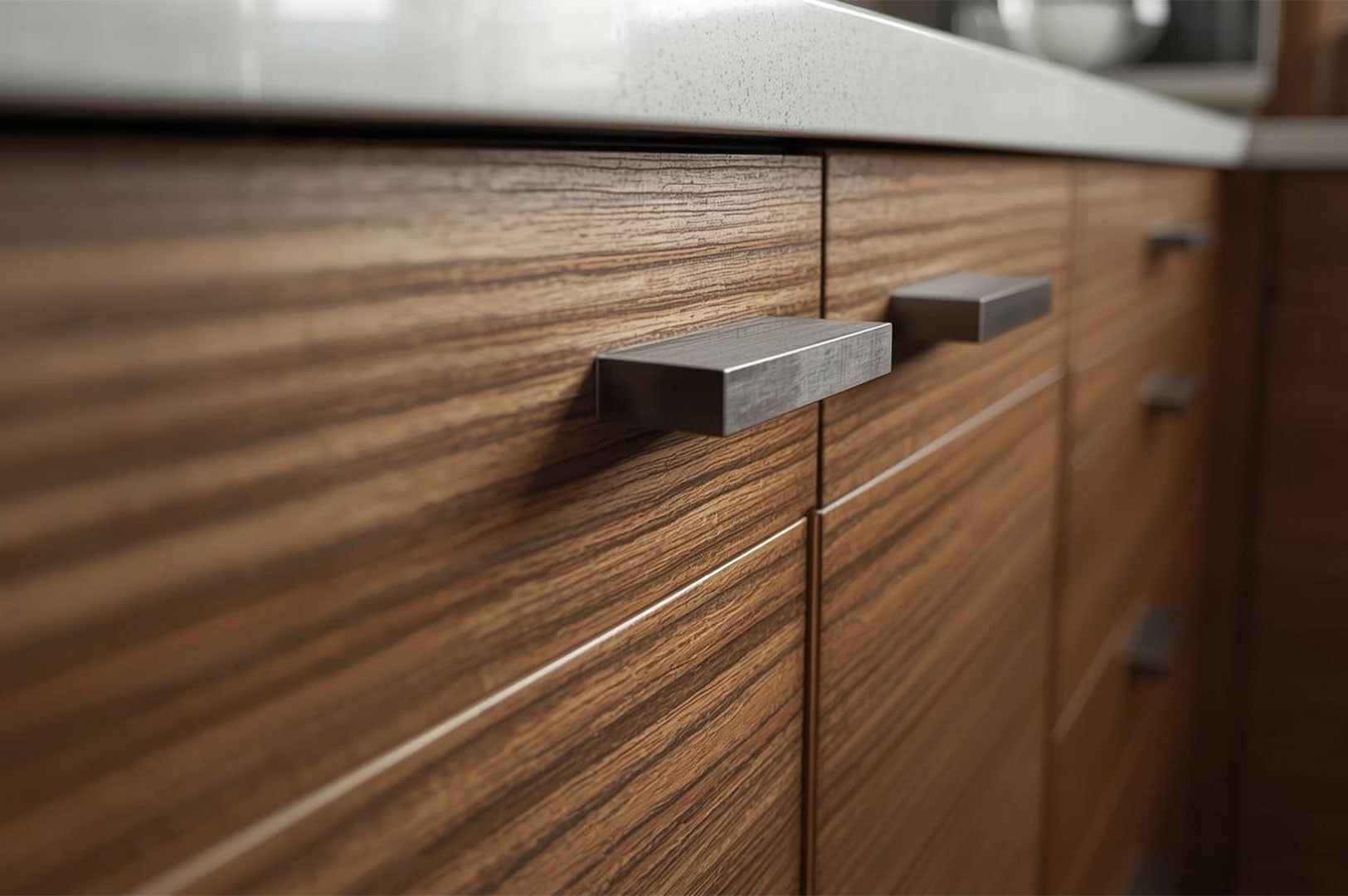

In Singapore’s competitive restaurant landscape, every square meter counts, and nowhere is efficient storage more critical than in your kitchen. The difference between a thriving restaurant and a struggling one often comes down to organization, workflow, and smart storage solutions that maximize available space while ensuring compliance with strict food safety standards.
When restaurant owners embark on renovation projects, kitchen cabinets represent far more than simple storage. These essential systems define workflow efficiency, support hygiene compliance, and directly impact your bottom line through improved staff productivity and reduced operational waste. In Singapore’s unique environment—characterized by limited space, high humidity, and stringent regulations—selecting the right cabinetry becomes a strategic decision that influences your restaurant’s long-term success.
This Restaurant Renovation Guide explores how professional cabinet planning transforms commercial kitchens into efficient, compliant, and profitable operations. From understanding material requirements for Singapore’s challenging climate to navigating SFA compliance, we’ll provide the insights needed to make informed decisions about your kitchen’s most critical storage infrastructure, unlocking endless possibilities for your dream kitchen.
Understanding Kitchen Cabinets and Upper Cabinets for a Dream Kitchen in Singapore
Commercial kitchen cabinets serve as the backbone of restaurant operations, fundamentally different from residential solutions in their construction, durability, and design philosophy. While home kitchen cabinet systems prioritize aesthetics and basic storage, commercial cabinetry must withstand the rigors of professional food service—constant use, high temperatures, moisture exposure, and aggressive cleaning protocols.
The critical role of cabinet systems extends beyond mere storage to encompass workflow optimization, food safety compliance, and staff efficiency. In Singapore’s compact commercial spaces, where restaurant owners typically work with 1.5-2.5 square meters per kitchen staff member—significantly less than the 3-5 square meters common in Western markets—every cabinet decision impacts operational flow and profitability.
Proper cabinetry differs from residential kitchens in several key areas. Commercial cabinet construction utilizes heavier-duty materials, reinforced joints, and hardware rated for 25,000+ open/close cycles compared to residential standards of 10,000 cycles. The cabinet box construction typically features 18-20mm thick panels versus 15mm residential standards, providing the structural integrity needed for heavy commercial loads.
Cabinet selection impacts overall restaurant renovation success through its integration with essential systems. Electrical outlets positioned above prep stations, plumbing connections for under-sink storage, and HVAC considerations for proper ventilation all depend on thoughtful cabinet planning. In Singapore’s shophouse conversions and modern commercial spaces, these integration challenges require specialized expertise to navigate building limitations while maximizing functionality.
Singapore’s unique commercial kitchen requirements center on space optimization and regulatory compliance. The Singapore Food Agency (SFA) mandates specific storage requirements that directly influence cabinet design, from minimum clearances around food storage areas to materials approved for commercial use. Additionally, Singapore’s tropical climate demands moisture-resistant materials and finishes that maintain structural integrity despite constant humidity and temperature fluctuations.
Custom Furniture Cabinet Requirements by Restaurant Type
Different restaurant formats demand distinct cabinet solutions tailored to their operational needs, service styles, and customer expectations. Understanding these requirements helps restaurant owners specify appropriate storage systems that support their business model while optimizing space utilization and staff efficiency.
Fine Dining Restaurant Cabinet Solutions Featuring Wood Grain and Drawer Dividers
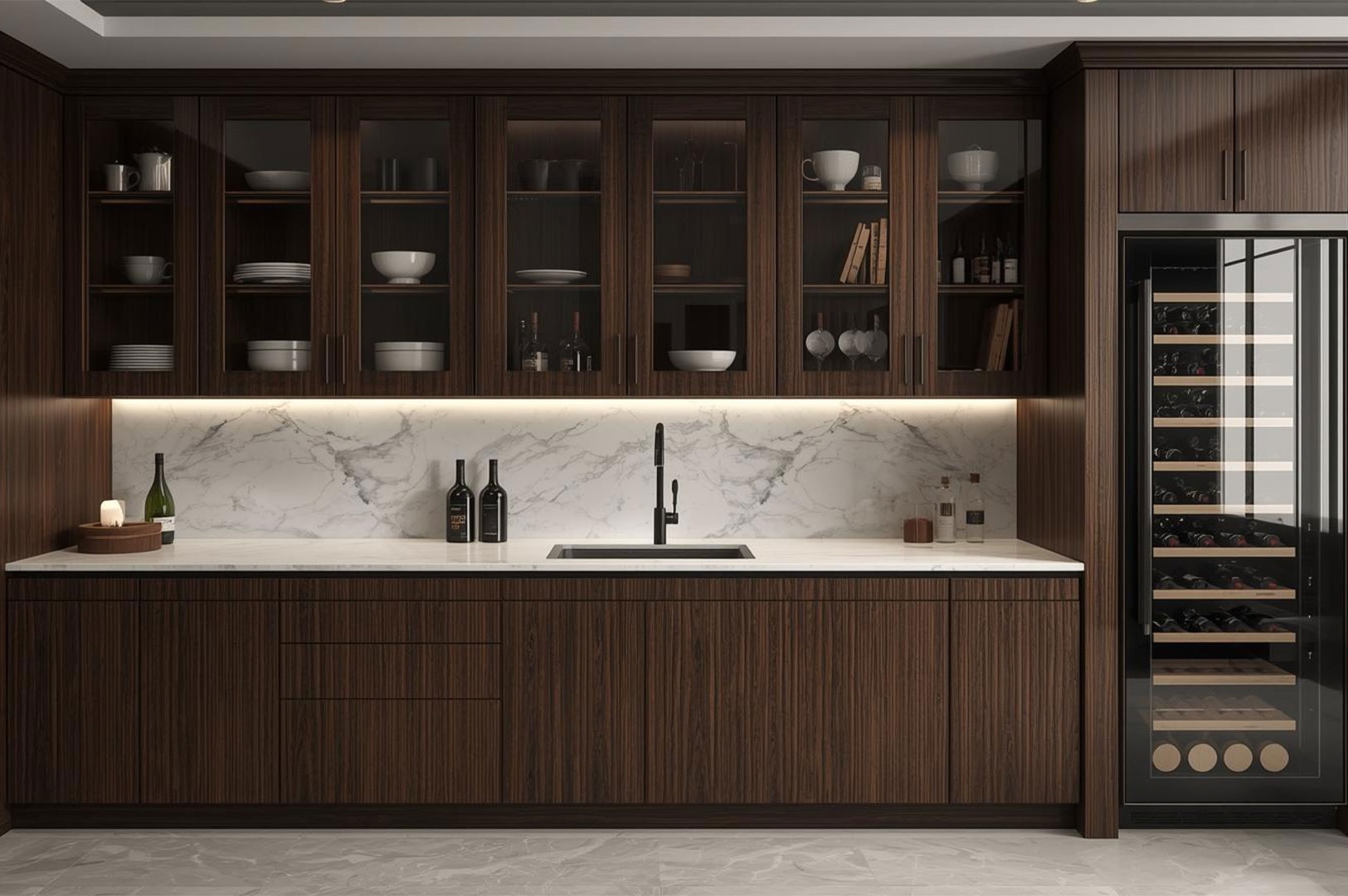
Fine dining establishments require sophisticated storage solutions that support complex menu execution while maintaining the elegant atmosphere expected by discerning clientele. These restaurants typically need specialized storage for extensive glassware collections, with custom furniture incorporating temperature-controlled sections for wine storage and delicate stemware protection. Marble countertops and backsplashes are often used in fine dining kitchens to create a luxurious and cohesive look that elevates the overall design.
Upper cabinets in fine dining kitchens often feature glass doors for easy identification of premium serving pieces, while lower cabinets provide secure storage for valuable china and silverware. A carefully chosen overall palette, including options like black cabinets, can enhance the sophistication of the space and serve as a focal point in the kitchen. Temperature-controlled wine storage cabinets maintain optimal conditions for expensive wine collections, often integrated seamlessly with kitchen design to create an inviting atmosphere for both staff and guests in open kitchen concepts.
Discreet service cabinets store linens, silverware, and presentation materials, ensuring these essential items remain pristine and readily accessible during service. Custom millwork integration creates seamless transitions between functional storage and aesthetic elements, supporting the overall decor vision while maintaining practical accessibility for service staff. Minimalist design principles and an organic feel can be achieved through the use of warm wood grain textures and streamlined cabinetry, contributing to a modern yet inviting environment.
The perfect space utilization in fine dining requires cabinet systems that balance style with functionality, often incorporating features like soft-close doors and drawer dividers to minimize noise during service. Under cabinet lighting enhances visibility while contributing to the sophisticated ambiance expected in upscale establishments.
For design inspiration and ideas, consider how elements like marble countertops, backsplashes, black cabinets, and a harmonious overall palette can be combined to create a modern, elegant fine dining kitchen that is both functional and visually stunning.
Casual Dining and Bistro Cabinet Systems with Modern Kitchen Appeal
Casual dining restaurants and bistros require flexible storage solutions that accommodate higher turnover rates while maintaining food quality and presentation standards. These establishments benefit from high-volume plate and glassware storage solutions designed for quick table turnover, with easy access to frequently used items during peak service hours.
Modular cabinet systems provide the flexibility needed for seasonal menu changes and varying storage requirements. These adaptable solutions allow restaurant owners to reconfigure storage zones as their operations evolve, supporting business growth without requiring complete renovations.
The modern kitchen aesthetic popular in casual dining often incorporates open shelving combined with enclosed cabinets, creating visual interest while maintaining practical storage capacity. This approach provides staff with quick visual inventory of frequently used kitchen essentials while protecting sensitive supplies from contamination. A kitchen island with a sleek countertop can serve as both a functional workspace and a visual anchor in casual dining settings. Additionally, a well-chosen backsplash and strategic lighting can enhance the overall look and feel of the space.
Cost-effective cabinet materials that maintain durability and appearance become crucial for casual dining operations working within tighter budget constraints. High-pressure laminate surfaces and quality hardware provide commercial-grade performance at moderate price points, supporting the perfect blend of function and affordability.
For those seeking to update their space, there are many practical ideas and sources of inspiration for creating flexible, modern cabinet layouts in casual dining and bistro environments.
Quick Service and Fast-Casual Cabinet Design for Efficient Kitchens with Cabinets
Quick service restaurants (QSR) and fast-casual establishments demand streamlined cabinet layouts optimized for speed and efficiency during high-volume service periods. These operations require rapid-access storage for disposable containers, packaging materials, and take-away supplies that support fast order fulfillment.
Cabinet design in QSR environments emphasizes easy access and minimal movement between storage and preparation areas. Tall cabinets positioned strategically around prep stations provide maximum storage density while maintaining ergonomic access for staff during rush periods. Pull-out drawer systems and shelves can be used for efficient storage and quick access to kitchen essentials like pots and pans, further enhancing organization and functionality. The efficient kitchen layout reduces wasted motion and supports the go to choice of speed-focused service models.
Easy-to-clean surfaces and minimal crevices become essential in high-turnover environments where deep cleaning between services isn’t always possible. Smooth cabinet doors and seamless joints prevent buildup of grease and debris, supporting consistent hygiene standards despite intensive use.
Integration with point-of-sale systems and customer service areas requires careful coordination between kitchen cabinet placement and front-of-house operations. Small appliances storage and serving platters organization must support rapid order assembly while maintaining clean lines and professional appearance visible to customers.
Material Selection for Kitchens with Cabinets in Singapore’s Commercial Kitchen Environment
Singapore’s tropical climate and demanding commercial kitchen conditions require careful material selection to ensure cabinet longevity, hygiene compliance, and operational efficiency. The combination of high humidity, temperature fluctuations, and intensive use patterns demands materials that can withstand these challenges while maintaining structural integrity and aesthetic appeal. For a premium option, marble countertops are increasingly popular in commercial kitchens, offering a luxurious and durable work surface that enhances both the modern aesthetic and practicality of the space.
Moisture and Heat-Resistant Cabinet Materials
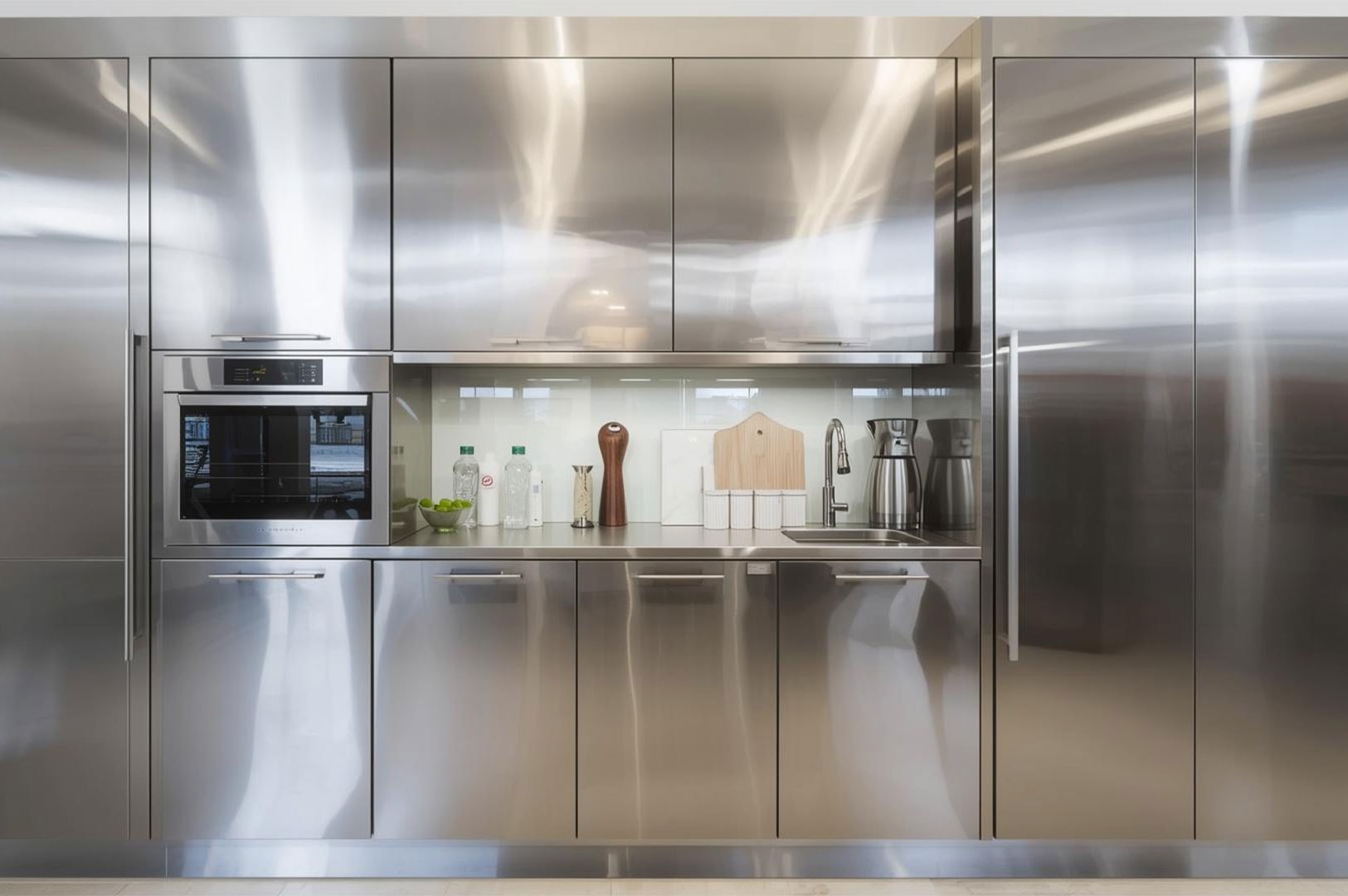
Stainless steel cabinet options provide maximum durability in Singapore’s high-humidity climate, offering unparalleled resistance to moisture, heat, and corrosion. While stainless steel represents a significant investment—with full installations reaching S$35,000-50,000—the material’s longevity and hygienic properties make it the gold standard for commercial kitchens prioritizing durability over initial cost considerations.
High-pressure laminate (HPL) choices offer excellent performance at moderate cost points, withstanding steam and temperature fluctuations while providing easy maintenance. Quality HPL surfaces resist scratching, staining, and moisture penetration, making them suitable for most commercial applications. The material’s availability in numerous wood grain patterns and neutral tones allows restaurant designers to achieve desired aesthetics while maintaining commercial functionality. Marble is also valued for its heat resistance and is often used for countertops in upscale commercial kitchens, adding a touch of luxury and sophistication to the overall design.
Polymer and composite materials designed specifically for commercial kitchen applications provide contemporary solutions that balance performance with cost-effectiveness. These engineered materials offer consistent performance across varying environmental conditions while providing design flexibility unavailable with traditional materials.
Material cost comparisons reveal plywood construction at S$600-S$1,300 per linear meter, representing the optimal balance of durability and affordability for most Singapore restaurants. MDF alternatives cost 15-20% less but require careful sealing to prevent moisture damage. Stainless steel exceeds S$2,000 per linear meter but provides 15+ year service life compared to 5-7 years for budget alternatives.
Hygienic Surface Treatments and Finishes
Anti-microbial cabinet finishes that meet Singapore’s food safety standards incorporate advanced technologies that actively prevent bacterial growth on cabinet surfaces. These specialized coatings provide an additional layer of protection beyond traditional cleaning protocols, supporting compliance with SFA hygiene requirements while reducing long-term maintenance demands.
Non-porous surfaces prevent bacterial growth and facilitate deep cleaning required for health department inspections. Properly sealed cabinet surfaces eliminate microscopic crevices where bacteria can harbor, creating easier-to-maintain storage environments that support consistent food safety standards.
Chemical-resistant coatings protect cabinet surfaces in areas exposed to sanitizing agents and commercial cleaning products. These specialized finishes prevent degradation from harsh chemicals while maintaining appearance and structural integrity despite aggressive cleaning protocols required in commercial kitchens.
Easy-to-replace components for high-wear areas provide cost-effective maintenance solutions that extend overall cabinet system life. Modular door and drawer front designs allow targeted replacement of damaged components without complete cabinet reconstruction, supporting efficient kitchen operations while managing long-term maintenance costs.
Role of a Kitchen Designer in Ensuring SFA Compliance for Upper Cabinets and Kitchen Cabinets
Navigating Singapore’s regulatory landscape requires thorough understanding of SFA hygiene standards that directly impact cabinet design, material selection, and installation practices. These comprehensive requirements ensure food safety while influencing every aspect of commercial kitchen planning, from cabinet heights to ventilation integration.
SFA hygiene standards mandate specific clearances and accessibility requirements that directly influence cabinet placement and design. Food storage cabinets must maintain minimum distances from floor surfaces, typically 15cm, to facilitate cleaning and prevent pest intrusion. Upper cabinets require adequate clearance from work surfaces to ensure proper hygiene practices while maintaining ergonomic accessibility for kitchen staff.
Specific requirements for food storage cabinet heights ensure compliance with food safety protocols while supporting efficient operations. Raw food storage must be separated from prepared items through physical barriers or designated cabinet zones, with proper ventilation to prevent cross-contamination. The cabinet and storage systems must accommodate these separation requirements while maximizing available space utilization.
Documentation and certification processes for commercial kitchen cabinet installations require collaboration with SFA-approved suppliers and contractors. Proper documentation includes material certifications, installation photographs, and compliance verification that supports smooth approval processes. Restaurant owners must maintain these records for inspection purposes and future renovation planning.
Common compliance issues include inadequate cabinet sealing that allows pest entry, improper drainage around sink cabinets, and insufficient ventilation in chemical storage areas. Working with experienced contractors familiar with SFA requirements prevents costly retrofits and ensures first-time approval of renovation projects.
SFA-approved contractors and suppliers provide specialized expertise in navigating regulatory requirements while optimizing cabinet design for operational efficiency. These professionals understand evolving standards and can recommend compliant solutions that support long-term business success while minimizing regulatory risks.
Ergonomic Cabinet Design by Kitchen Designers for Optimal Kitchen Workflow
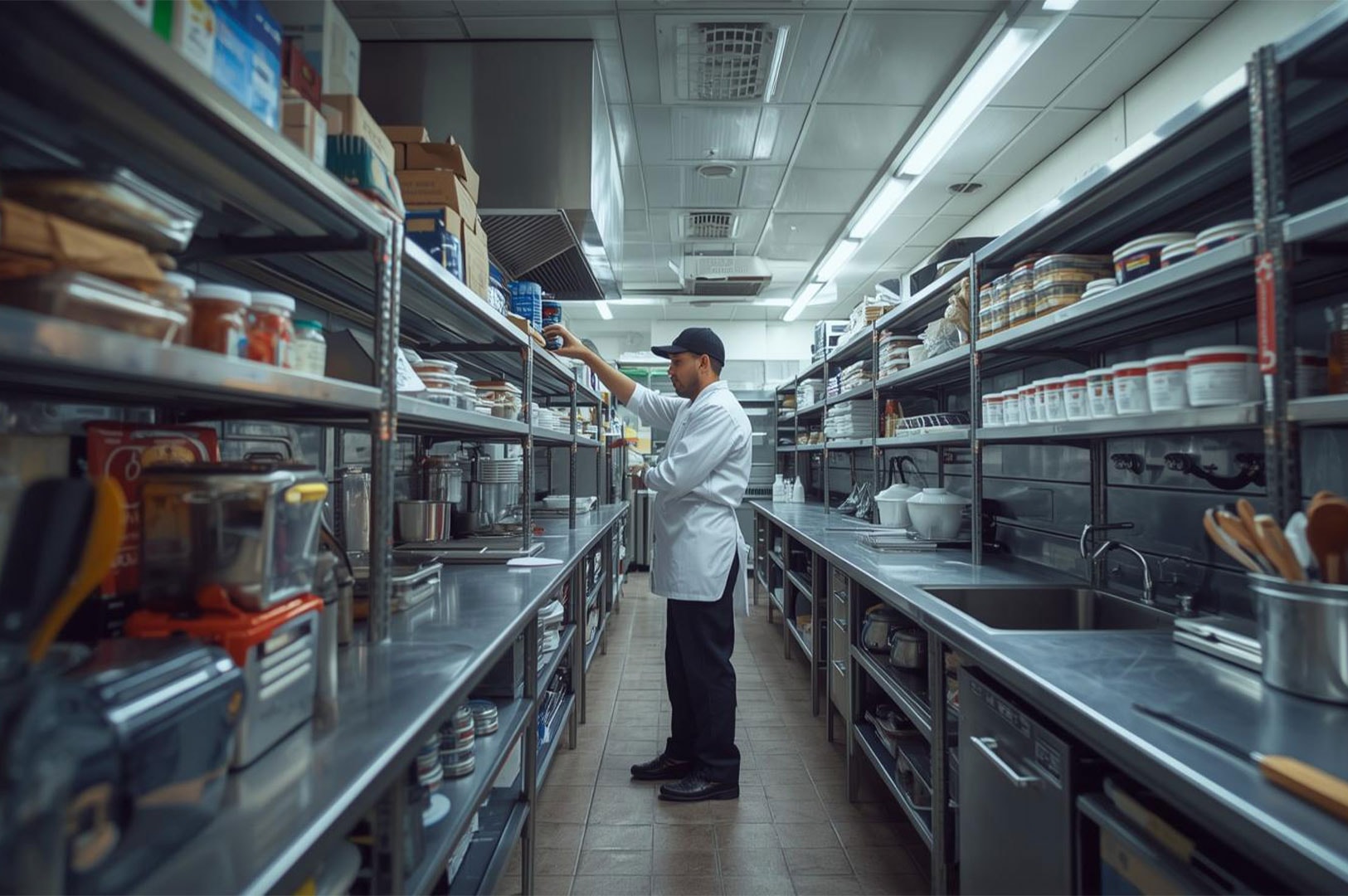
Ergonomic cabinet placement directly impacts staff productivity, workplace safety, and operational efficiency in commercial kitchens. Professional design considers staff movement patterns, equipment access requirements, and workflow optimization to create storage solutions that support peak performance during demanding service periods.
Strategic Cabinet Placement for Efficiency in Modern Kitchen Layouts
Industry-standard heights and depths for different storage applications optimize accessibility while maximizing capacity. Upper cabinets positioned 45-50cm above work surfaces provide easy access without interfering with food preparation activities. Standard depth of 30-35cm for wall cabinets ensures adequate storage while maintaining safe clearances around commercial equipment.
Kitchen drawers positioned at optimal heights reduce bending and reaching motions that contribute to staff fatigue and injury. Items used most frequently should be stored between knee and shoulder height, with drawer dividers organizing contents for easy access during busy service periods. The perfect space utilization balances storage density with ergonomic accessibility.
Traffic flow optimization through strategic upper and lower cabinet positioning prevents bottlenecks during peak service periods. Primary cooking stations require immediate access to essential ingredients and tools, while secondary storage can be positioned in less accessible locations. Lower cabinets provide heavy-duty storage for large equipment and bulk ingredients that require minimal daily access.
Integration with commercial equipment placement ensures seamless kitchen operations while maintaining safety clearances. Cabinet placement must accommodate equipment ventilation requirements, electrical connections, and maintenance access while supporting efficient workflow between storage and preparation areas.
Accessibility considerations for staff of varying heights and physical capabilities ensure inclusive workplace design. Adjustable shelving and pull-out drawer systems accommodate different user needs while maintaining consistent storage organization across all staff members.
Specialized Storage Zones with Custom Furniture Solutions
Dedicated cabinet systems for raw food storage, prepared items, and cleaning supplies prevent cross-contamination while supporting efficient organization. Color-coded cabinet systems or clear labeling help staff maintain proper separation protocols even during high-pressure service periods. These specialized zones support SFA compliance while optimizing workflow efficiency.
Temperature-specific storage solutions integrated with refrigeration systems extend food safety protocols beyond cold storage units. Ambient temperature cabinets positioned strategically around prep areas provide organized storage for ingredients that require room temperature storage while maintaining easy access during meal prep processes.
Chemical storage cabinets with proper ventilation and safety features ensure secure storage of cleaning supplies and sanitizing agents. These specialized cabinets feature sealed construction and dedicated ventilation to prevent chemical cross-contamination while maintaining easy access for cleaning staff.
Receiving and inventory storage areas require cabinet configurations that support efficient stock rotation and inventory management. Deep cabinets with pull-out shelving provide maximum capacity for bulk storage while ensuring proper stock rotation through clear visibility and easy access to stored items.
Custom Furniture and Kitchens with Cabinets for Maximum Storage Efficiency
Custom cabinetry offers transformative benefits for Singapore’s space-constrained commercial kitchens, providing tailored solutions that maximize every available centimeter while supporting specific operational requirements. These bespoke systems address unique spatial challenges while delivering measurable improvements in storage capacity and workflow efficiency.
Space-saving cabinet designs specifically address Singapore’s compact commercial kitchen environments through innovative approaches to vertical and corner space utilization. Custom solutions can increase available storage by 15-30% compared to stock alternatives, while reducing kitchen clutter through optimized organization systems. This enhanced efficiency translates directly into operational benefits through faster service and reduced food waste.
Vertical storage maximization with floor-to-ceiling cabinet systems captures unused upper space while maintaining accessibility through strategic shelf positioning and pull-down mechanisms. Tall cabinets designed for specific kitchen heights eliminate wasted space above standard cabinetry while providing specialized storage for infrequently used items or seasonal supplies.
Pull-out drawer systems and rotating corner units transform difficult-to-reach areas into functional storage zones that support daily operations. These mechanisms provide easy access to stored items while maximizing capacity in traditionally underutilized spaces. Corner solutions can increase usable storage by up to 40% compared to standard fixed shelving arrangements.
Integration of cabinet storage with equipment stations and prep areas creates seamless workflows that reduce staff movement and improve efficiency. Custom solutions can incorporate equipment-specific storage, such as knife blocks integrated into prep station cabinets or spice storage positioned optimally around cooking stations.
Successful custom cabinet installations in Singapore restaurants demonstrate the transformative potential of tailored storage solutions. One local bistro increased their storage capacity by 35% while reducing prep time by 20% through custom cabinetry that integrated specialized storage for their unique menu requirements and service style.
To ensure that custom cabinetry is installed correctly and functions optimally in commercial kitchens, it is essential to engage professional assembly services. These services provide the expertise needed for precise installation and long-term durability.
In Store and On-Site Integration with Overall Kitchen Layout During Renovations
Successful cabinet integration requires careful coordination with electrical, plumbing, and HVAC system upgrades to ensure seamless functionality and compliance with building codes. This complex coordination process demands experienced professionals who understand the interdependencies between cabinet placement and essential building systems.
Coordinating cabinet installation with electrical systems requires precise planning for outlet placement, under cabinet lighting, and equipment connections. Power outlets positioned strategically above prep stations must be coordinated with cabinet placement to ensure accessibility while maintaining safety clearances. Electrical rough-in must be completed before cabinet installation while allowing for final connections during finishing phases.
Timeline management for cabinet delivery and installation within renovation schedules requires careful coordination with other trades and permit approvals. Cabinet fabrication typically requires 4-6 weeks for custom solutions, making early specification and ordering critical for maintaining project schedules. Installation coordination must account for flooring completion, electrical rough-in, and plumbing completion before cabinet placement can begin.
Designing cabinet systems that accommodate future equipment upgrades and menu changes provides operational flexibility that supports business evolution. Modular cabinet systems with removable panels and adjustable shelving allow future modifications without complete reconstruction. This foresight prevents costly renovations when operational requirements change. Cohesive cabinetry solutions can also be extended beyond the kitchen, creating a unified look throughout the entire house and ensuring design consistency in every room.
Balancing storage needs with open kitchen concepts and customer visibility requirements challenges designers to create functional storage that enhances rather than detracts from dining atmosphere. Glass cabinet doors, strategic lighting, and seamless integration with architectural elements support open kitchen aesthetics while maintaining essential storage capacity.
Working around existing structural elements in Singapore shophouses and commercial spaces requires creative solutions that maximize functionality within architectural constraints. Load-bearing walls, low ceilings, and irregular spaces demand custom approaches that optimize available areas while respecting structural limitations and heritage preservation requirements where applicable.
Budgeting for Quality Kitchen Cabinets and Custom Furniture in Singapore
Strategic budgeting for commercial kitchen cabinetry requires understanding both immediate costs and long-term value creation through improved operations and reduced maintenance expenses. Quality cabinet systems represent a significant investment that pays dividends through enhanced efficiency, regulatory compliance, and operational reliability.
Cost Breakdown and Planning for Kitchens with Cabinets
Typical cabinet costs represent 15-25% of total restaurant renovation budgets, with Singapore projects ranging from S$50,000-S$250,000 depending on restaurant size and concept. This significant allocation reflects cabinetry’s critical role in operational success and long-term facility performance. Proper budget allocation prevents false economies that result in premature replacement and increased long-term costs.
Custom cabinet system costs vary significantly based on materials, complexity, and size requirements. High-quality plywood and laminate systems average S$600-S$1,300 per linear meter, while premium stainless steel solutions exceed S$2,000 per linear meter. Modular systems offer cost advantages for straightforward layouts but may compromise optimal space utilization in irregular spaces.
Hidden costs including installation, permits, and compliance modifications can add 20-30% to base cabinet costs. Installation complexity in Singapore’s challenging commercial spaces, SFA compliance modifications, and coordination with other trades contribute to these additional expenses. Comprehensive budgeting accounts for these factors to prevent cost overruns during construction.
Long-term ROI considerations justify investing in quality cabinet systems through operational improvements and reduced replacement costs. Premium materials and construction extend service life from 5-7 years for basic cabinets to 15+ years for commercial-grade systems. This extended lifespan, combined with improved operational efficiency, often justifies higher initial investments.
Financing and Payment Options In Store and Online
Working with Singapore banks and financial institutions for restaurant renovation loans provides access to capital for comprehensive kitchen improvements including quality cabinetry. Commercial renovation loans typically offer favorable terms for established businesses, while startup financing may require additional collateral or guarantees.
Equipment financing options that include cabinet systems provide alternative funding sources with potential tax advantages. Some suppliers offer direct financing programs that integrate cabinet costs with kitchen equipment packages, simplifying procurement and payment management for restaurant owners.
Phased installation approaches help manage cash flow during renovations by spreading cabinet costs across multiple budget periods. Essential storage areas can be completed first, with additional zones added as cash flow permits. This approach maintains operational continuity while allowing gradual investment in comprehensive storage solutions.
Government grants and incentives available for restaurant improvements in Singapore can offset cabinet costs for qualifying businesses. Programs supporting local business development, heritage conservation, or sustainability initiatives may provide financial assistance for renovation projects including kitchen improvements.
Working with a Kitchen Designer and Singapore Renovation Contractors

Selecting qualified renovation contractors with commercial kitchen experience ensures successful cabinet installation while navigating Singapore’s complex regulatory environment. The specialized requirements of commercial kitchens demand contractors with proven expertise in SFA compliance, commercial-grade materials, and professional kitchen workflows.
Contractor selection requires verification of licenses, insurance coverage, and commercial kitchen portfolio review. Licensed contractors familiar with SFA requirements prevent costly compliance issues while ensuring installations meet commercial durability standards. Insurance verification protects restaurant owners from liability during construction while ensuring professional accountability.
Managing contractor relationships during multi-phase renovation projects requires clear communication protocols and defined milestone checkpoints. Regular progress meetings, documented change orders, and quality control inspections ensure projects stay on schedule while maintaining quality standards. Effective contractor management prevents disputes while ensuring professional completion.
Quality control checkpoints for cabinet installation include material verification, construction quality assessment, and functional testing of hardware and mechanisms. Professional contractors provide documentation of materials used, installation photographs, and warranty information that supports long-term maintenance and SFA compliance documentation.
Restaurant Renovations Singaporecan assist restaurant owners by connecting them with qualified contractors who specialize in commercial kitchen projects. This specialized platform understands the unique requirements of restaurant renovations in Singapore, providing access to vetted contractors with proven experience in SFA compliance, commercial kitchen design, and quality cabinet installation. Their expertise in coordinating complex renovation projects helps restaurant owners navigate the challenging process of commercial kitchen upgrades while ensuring professional results that support long-term operational success.
Maintenance Practices for Long-Term Performance of Kitchens with Cabinets and Custom Furniture
Proper maintenance protocols extend cabinet lifespan while ensuring consistent compliance with food safety standards and operational efficiency. Comprehensive maintenance programs address daily cleaning requirements, preventive maintenance scheduling, and long-term performance optimization that protects the investment in quality cabinetry.
Daily cleaning protocols vary by cabinet material and finish type, requiring specific procedures that maintain appearance while preventing damage from harsh commercial cleaning products. Stainless steel cabinets require different care than laminate surfaces, with specialized cleaning agents and techniques that preserve finish integrity while ensuring sanitary conditions.
Preventive maintenance schedules for hinges, drawer slides, and closing mechanisms ensure smooth operation while identifying potential issues before they impact kitchen operations. Commercial hardware rated for 25,000+ cycles requires periodic lubrication and adjustment to maintain optimal performance throughout its service life. Regular maintenance prevents premature failure while ensuring consistent functionality during demanding service periods.
Deep cleaning procedures required for health department inspections demand thorough protocols that address hard-to-reach areas and potential contamination sources. Proper maintenance documentation supports SFA compliance while ensuring consistent food safety standards. These comprehensive procedures often require temporary storage relocation and specialized cleaning equipment.
Replacement part sourcing and warranty management for commercial cabinet systems require relationships with suppliers and manufacturers who support long-term service needs. Maintaining parts inventory for common wear items like hinges and drawer slides prevents operational disruptions while ensuring rapid repair completion when needed.
Staff training programs for proper cabinet care and maintenance create consistent practices that extend cabinet life while preventing damage from improper use. Training protocols should address proper loading techniques, cleaning procedures, and damage reporting that supports proactive maintenance and optimal performance.
Professional Kitchen Designer Cabinet Planning for Restaurant Success

Working with commercial kitchen design specialists for cabinet planning provides expertise that optimizes storage solutions while supporting operational efficiency and regulatory compliance. Professional designers understand the complex relationships between cabinet placement, workflow optimization, and regulatory requirements that determine long-term success.
Professional cabinet design contributes to operational efficiency through scientific analysis of workflow patterns, storage requirements, and staff movement optimization. Experienced designers use proven methodologies to create storage solutions that reduce prep time, minimize staff fatigue, and support peak service performance. This systematic approach often achieves productivity improvements of 15-20% compared to generic solutions.
Integration of cabinet planning with menu development and service style decisions ensures storage solutions support specific operational requirements rather than generic restaurant needs. Fine dining establishments require different storage approaches than quick service operations, with professional designers understanding these nuances and specifying appropriate solutions.
Creating flexible storage solutions that support business growth and menu evolution provides long-term value that extends beyond initial installation. Professional designers anticipate future needs and specify modular systems that accommodate operational changes without requiring complete reconstruction. This foresight protects the cabinet investment while supporting business adaptation.
Measuring ROI from well-designed cabinet systems through improved operations and reduced labor costs demonstrates the value of professional planning. Properly designed storage reduces food waste through better organization, improves staff efficiency through optimized workflows, and supports consistent food safety through appropriate material selection and placement.
The dream kitchen for commercial operations combines efficient storage, regulatory compliance, and operational flexibility through professional design that addresses unique requirements while supporting long-term success. Investing in professional cabinet planning creates the foundation for sustainable restaurant operations that enhance profitability while supporting staff productivity and customer satisfaction.
This comprehensive approach to commercial kitchen cabinetry represents an essential element of successful restaurant renovations in Singapore. From initial planning through long-term maintenance, quality cabinet systems provide the storage infrastructure that supports operational excellence while ensuring compliance with local regulations and industry standards. Restaurant owners who prioritize professional cabinet planning create the foundation for sustained success in Singapore’s competitive dining market.
Through careful material selection, strategic placement, and professional installation, kitchen cabinets transform from simple storage into operational assets that enhance efficiency, support compliance, and contribute to overall restaurant success. The investment in quality cabinetry systems pays dividends through improved operations, reduced maintenance costs, and enhanced staff productivity that directly impacts profitability and customer satisfaction.
Storage and Organization Principles for Restaurant Kitchens
Effective storage and organization are the backbone of any efficient restaurant kitchen. In a fast-paced environment where every second counts, having a well-organized space can significantly improve meal prep times, reduce waste, and elevate the overall dining experience. Custom furniture, such as purpose-built kitchen cabinets and drawers, allows restaurant owners to tailor storage solutions to their specific operational needs, ensuring that every kitchen essential has its place.
Incorporating features like drawer dividers and under cabinet lighting can make a world of difference in daily operations. Drawer dividers help keep utensils and tools neatly separated for easy access, while under cabinet lighting enhances visibility, reducing eye strain and making it easier for staff to work efficiently during busy service periods. Open shelving and neutral tones can add a modern touch to the kitchen, creating a clutter-free environment that is both inviting and easy to maintain.
A skilled kitchen designer plays a crucial role in achieving the perfect fit for your restaurant kitchen, balancing style with functionality to create a space that supports both staff workflow and the overall aesthetic of your establishment. By focusing on smart storage solutions—such as custom cabinets, well-placed drawers, and thoughtfully designed furniture—restaurant owners can create a dream kitchen that enhances productivity, maintains a clean and organized appearance, and provides a welcoming atmosphere for both staff and guests. The result is a modern, efficient kitchen that not only meets the demands of daily service but also elevates the entire dining experience.