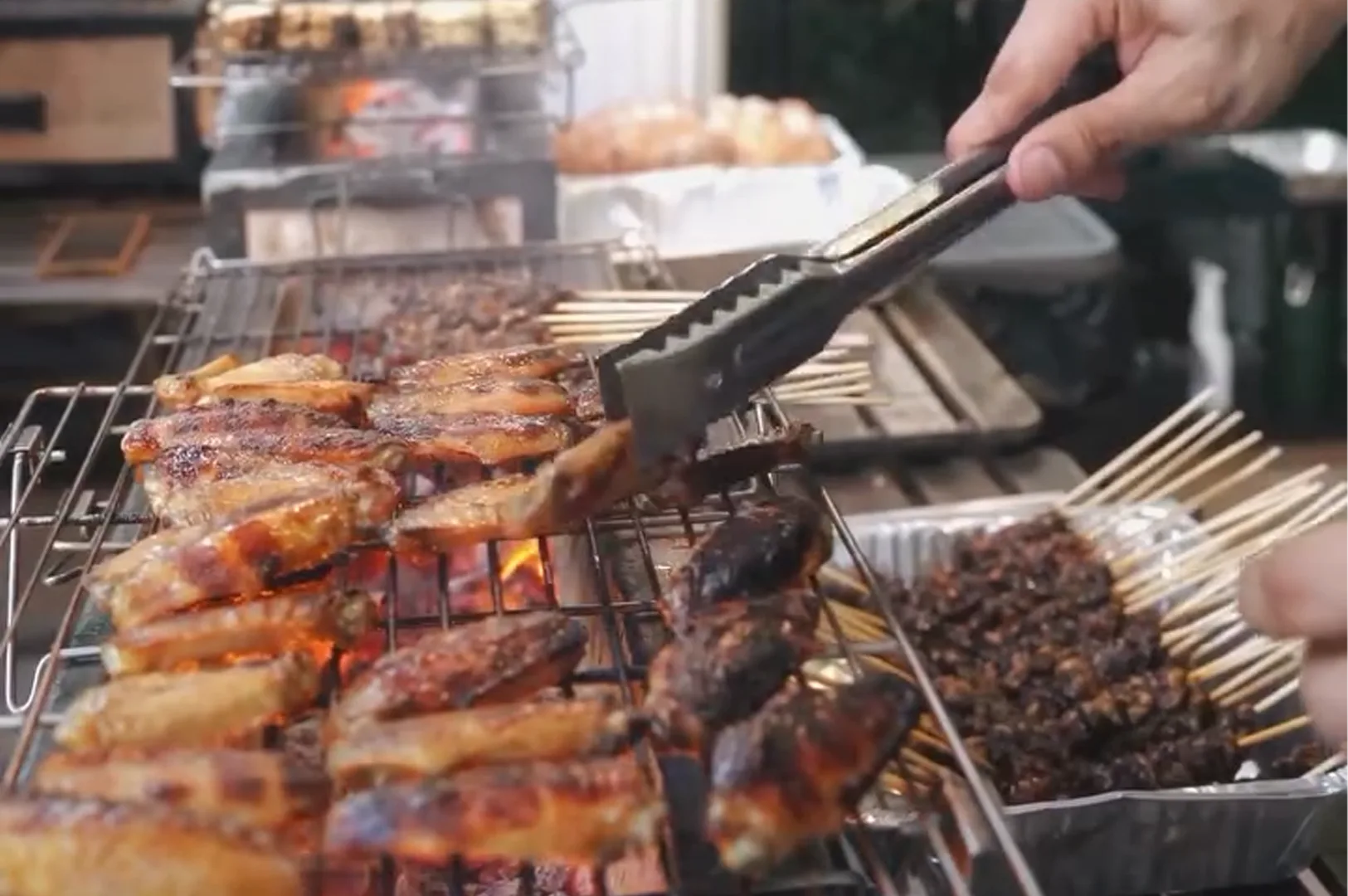

The first thing I noticed was the smell. Not the sharp bite of gas, but something softer. Woodsmoke. The kind that settles into your memory before you’ve even sat down. I had come in expecting another barbecue restaurant. I left thinking about how a room can hold a fire and still feel calm, a perfect balance between heat and comfort.
This subtle yet powerful atmosphere is no accident; it is the result of meticulous renovation and design choices that prioritize both function and ambience. The use of time honoured techniques in ventilation and material selection ensures that the flame blackened food can be enjoyed without overwhelming smoke or discomfort.
Every detail, from the placement of extraction vents to the choice of heat-resistant surfaces, is ready to support an immersive dining experience where the fire is kissed by smoke but never out of control. This thoughtful approach creates options for diners to engage with the cooking process intimately while maintaining a serene environment that invites lingering conversations and shared moments around the grill.
How No Burn No Taste Private Dining Fits Singapore’s Quiet Shift
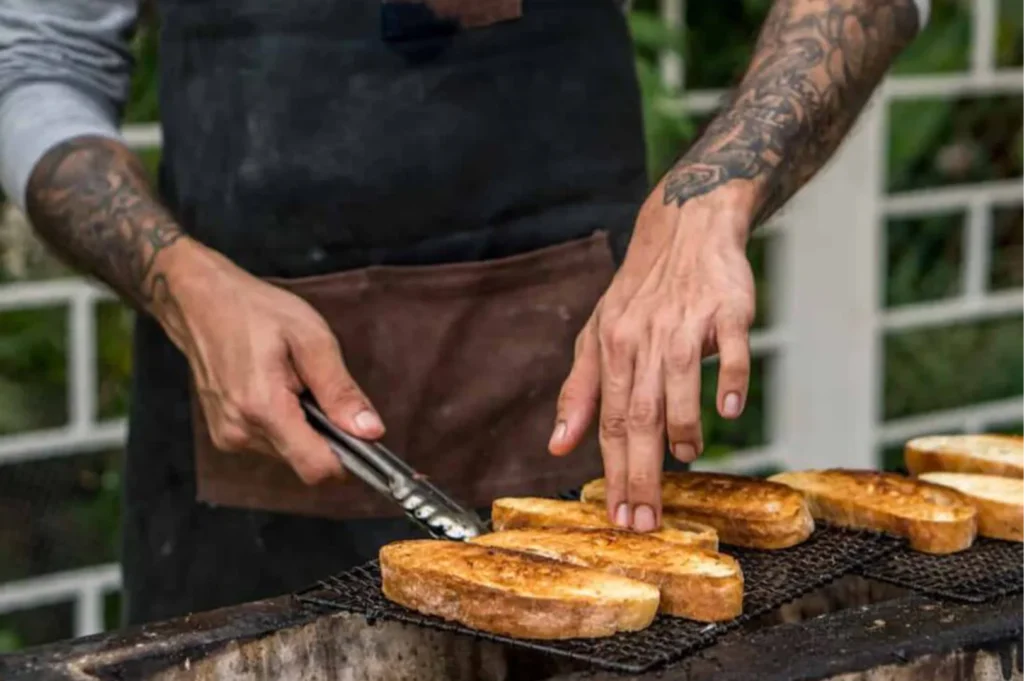
There’s a slow change happening in how we eat together here. Private dining has moved away from stiff function rooms and toward something more intimate. People want to gather around the food, not just be served by it.
No Burn No Taste sits inside that shift. It is a private dining concept built around fire-driven barbecue, where the grilling is not hidden in a kitchen but kept close to the table. The renovation choices make this possible. Without them, the smoke alone would chase everyone out.
What I find fascinating is how much thought goes into making fire feel safe and unhurried. That is craft and design doing quiet work, forward-thinking to bring the best experience possible.
The Space and Renovation Behind the Fire
A barbecue room lives or dies by its ventilation. You can have the finest meats in the world, but if the smoke lingers in your clothes and stings your eyes, the event sours fast.
Here, the extraction is built into the layout rather than bolted on as an afterthought. Each table sits beneath its own draw, so the embers can do their work without the air turning heavy. The charcoal glows, the smoke rises and leaves, and you stay comfortable enough to linger over a long dinner.
The cooking leans on lychee wood and mangrove wood, each chosen for how it burns and what it gives. Mangrove wood holds a steady, fierce heat. Lychee wood lends a gentler, faintly sweet smoke that suits more delicate cuts. These are not decorative details. They shape flavour, and the space is built to let them. Materials elsewhere stay honest too, with surfaces that take heat and wear without looking tired by the end of a busy night.
Interior Aesthetic and Ambience
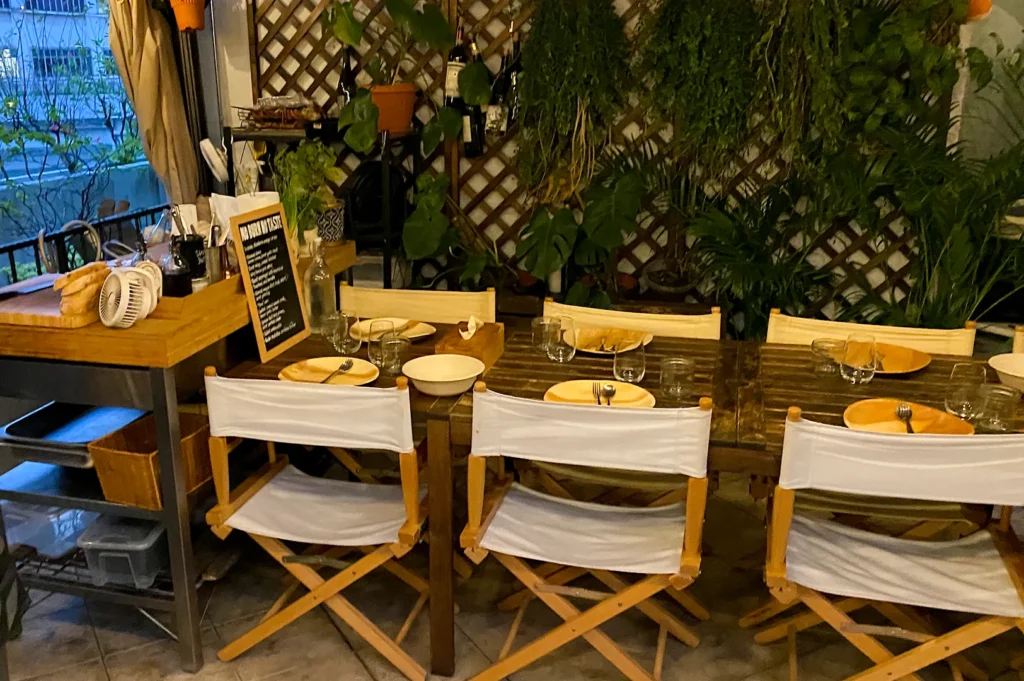
The room does not shout. The palette is dark and warm, the kind that lets the fire become the brightest thing in the space. When the charcoal catches, your eye goes straight to it.
Lighting is layered with care. Low ambient light keeps the mood quiet, while focused warmth falls over each grill so you can actually see what you’re cooking. There’s a difference between dim and dark, and someone here understood it.
Textures stay grounded. Timber, stone, the occasional metal edge. Nothing competes with the food or the flame. You settle in without quite noticing why you feel at ease, which is usually the sign of a room designed well.
The Dining Experience Around the Grill
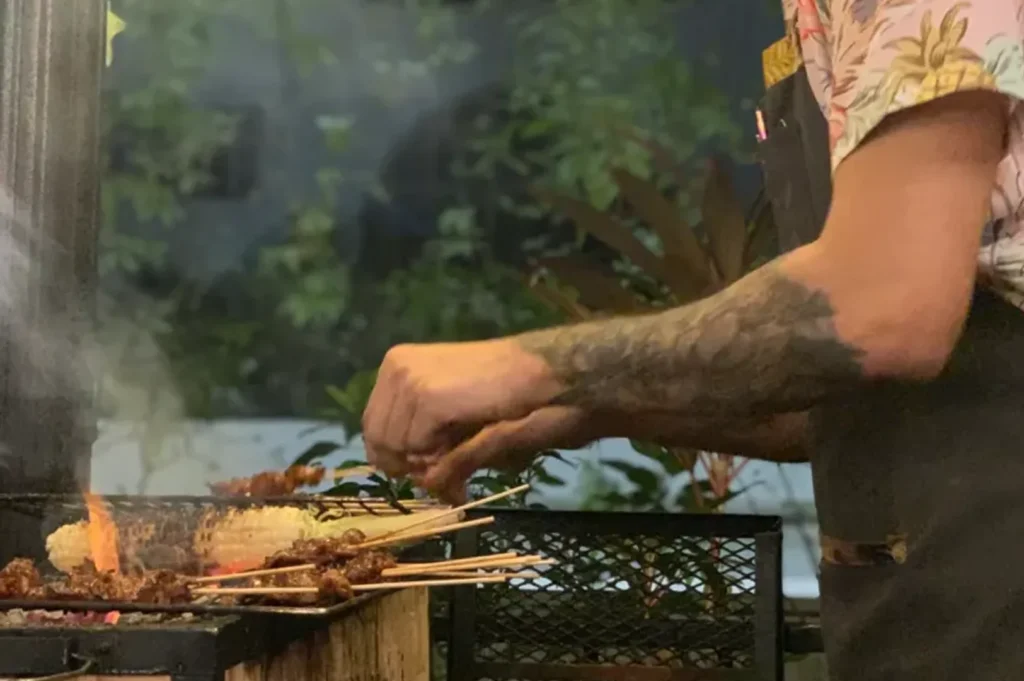
What makes this place memorable is that the meal happens with you, not just for you. The grill sits at the heart of the table, and the design treats it as the centre of the evening rather than a hazard to manage.
Chef Sam guides much of it, working with time-honoured traditional techniques and a distinctly Asian perspective on barbecue. There’s a story to the cooking that traces back, in part, to the now defunct Fat Lulu, but here the focus narrows to fire and what it can coax from premium ingredients.
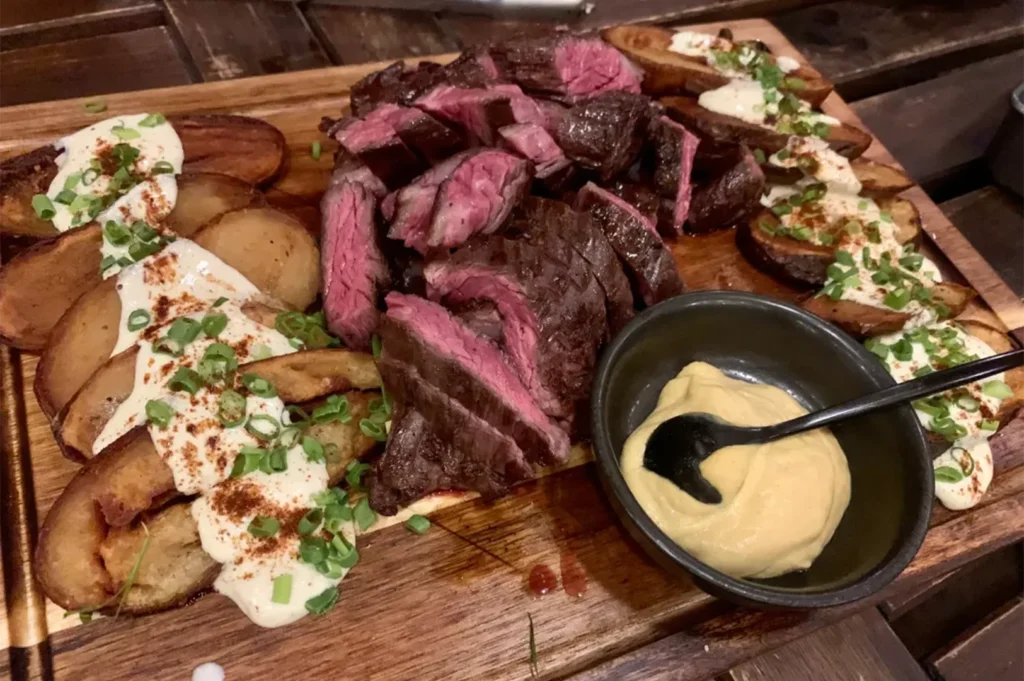
The menu rewards sharing. The garlic butter grilled crab arrives glistening, the shell still warm from the embers, and it’s the kind of dish that pulls everyone’s hands toward the centre. Wagyu comes flame blackened on the outside, juicy within, the fat rendered just enough to carry that deep umami across the palate.
There are smoked dishes too, where the wood does its slow work and the flavour settles in layers. Combining premium produce with restraint, the kitchen lets natural sweetness and freshness lead instead of burying everything under spice. It is barbecue with patience, and the space gives you room to taste it.
What the No Burn No Taste Price Reflects
Let me be honest about the cost, because that’s the question most people quietly carry. No Burn No Taste is not a casual stop. There is a minimum spend, a deposit at booking, and the expectation that you’ve planned the evening.
The no burn no taste price reflects premium produce, the mastery and labour of fire-driven cooking, and a room built specifically to hold that experience. Additional drinks add to the bill, as they do anywhere. A reservation here is a small commitment made in advance, and a refund policy is required to protect the business and guests alike.
Whether it’s worth it depends on what you’re after. If you want to eat quickly and leave, this isn’t the place. But if you came to gather, to slow down, to share something cooked over real charcoal with people you love, the design earns its keep. The room renovation is part of what you’re paying for, even if you never think about the extraction fans above your head.
Why People Come Back
Repeat visits rarely come down to a single dish. They come from how a place makes you feel over a whole evening. I watched a table beside me linger long after their food was gone, the fire dimmed to embers, no one in a hurry to leave. That, more than anything, is what good design protects. It gives people permission to stay.
The flow here supports that. Groups of friends settle in without feeling cramped. Family meals stretch comfortably because the seating and the air both hold up. The social rhythm of cooking together gives everyone something to do, something to talk about, something to remember.
Renovation Lessons for Interactive Dining
If you run a restaurant and you’re drawn to interactive or private dining, this place offers a few quiet lessons.
- Ventilation comes first, always. For any bbq dining concept, smoke control is not a luxury but the foundation everything else rests on. Get it wrong and no amount of beautiful timber will save the night.
- Then think about table placement around heat. Guests need to be close enough to cook and far enough to stay comfortable. Lighting should serve two masters, mood and function, without sacrificing either.
- And choose materials that age with grace under real conditions. A private dining room takes a beating over years of fire, fat, and full tables. The finishes that look good on opening night must still earn their place a thousand dinners later.
A Room Built to Hold a Fire
By the end of my meal, the charcoal had faded and the room had quieted. My clothes didn’t reek of smoke. My eyes weren’t tired. I’d eaten slowly, talked long, and barely noticed the hours pass.
That is the mark of a space that works. The barbecue was the story, but the renovation was the reason the story could be told at all.
No Burn No Taste demonstrates how thoughtful renovation and design can elevate interactive BBQ dining into a private dining destination. For more examples, see our guide to Private Dining Singapore: 7 Exclusive Culinary Experiences and Innovative Renovations.