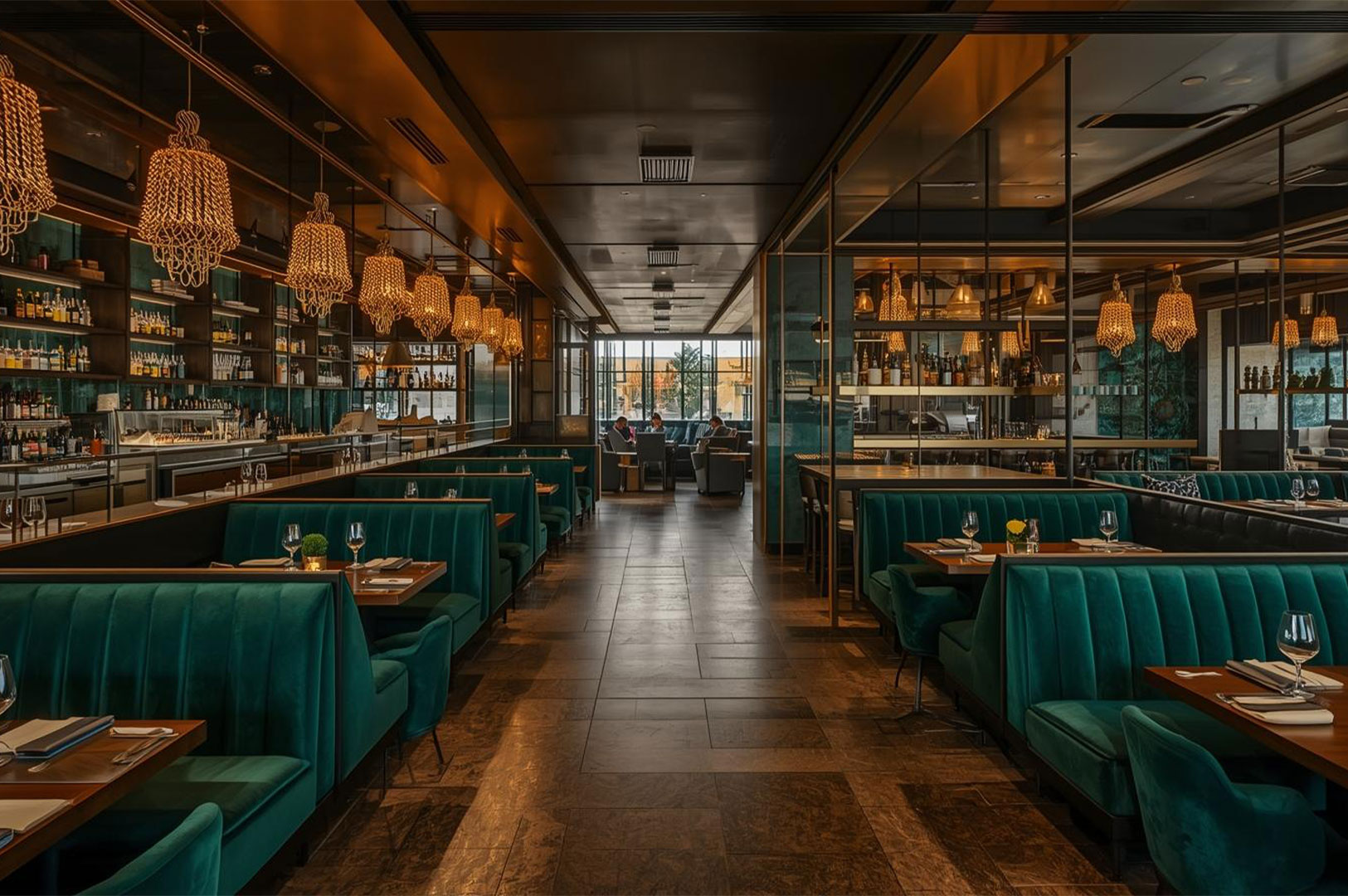

Embarking on a restaurant renovation project or launching a new concept is an immense undertaking. While your focus might be on the menu, staffing, and marketing, interior design is where your brand truly comes to life. Many owners are tempted to handle the design themselves, believing they can save money by selecting materials and furniture on their own. However, this often overlooks the profound value a professional interior designer brings—transforming an ordinary space into a profitable, functional, and unforgettable dining destination through thoughtful interior design.
It’s important to distinguish between an interior designer and an architect. While an interior designer focuses on the look, feel, and functionality of interior spaces, an architect is responsible for building design, structural integrity, and ensuring compliance with building codes. Architects often collaborate with interior designers on major renovation projects to ensure both the structure and the interior design work seamlessly together.
An interior designer does more than just choose beautiful décor; they are trained strategists who understand how to balance aesthetics, functionality, and business objectives. This guide explores the critical role interior design plays in restaurant transformation and success.
What Interior Designers Bring to Restaurant Interior Design Projects
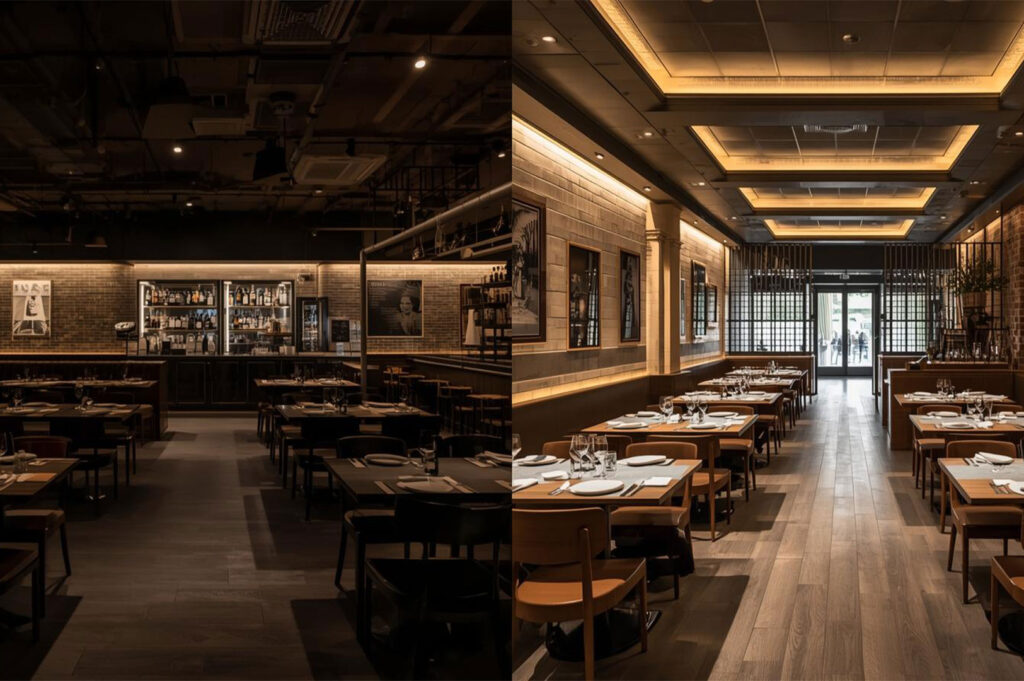
An interior design firm offers a unique combination of creative vision, project management, and technical expertise. These professionals see a space not just for what it is, but for what it could be. Their job involves transforming interiors into functional spaces that reflect your brand, engage customers, and support daily operations through exceptional interior design.
A top interior designer in Singapore understands the intricate details of space planning, ensuring your layout maximizes seating capacity while maintaining smooth staff flow. They also ensure compliance with local building codes, accessibility standards, and safety regulations—saving you from costly mistakes and delays. Every detail—from lighting and floors to walls and furniture—is carefully planned to create an environment that balances form and functionality. Interior designers also assist clients by providing guidance and support throughout the renovation process, ensuring a smooth and successful interior design outcome.
Professional Interior Design vs. DIY Interior Décor
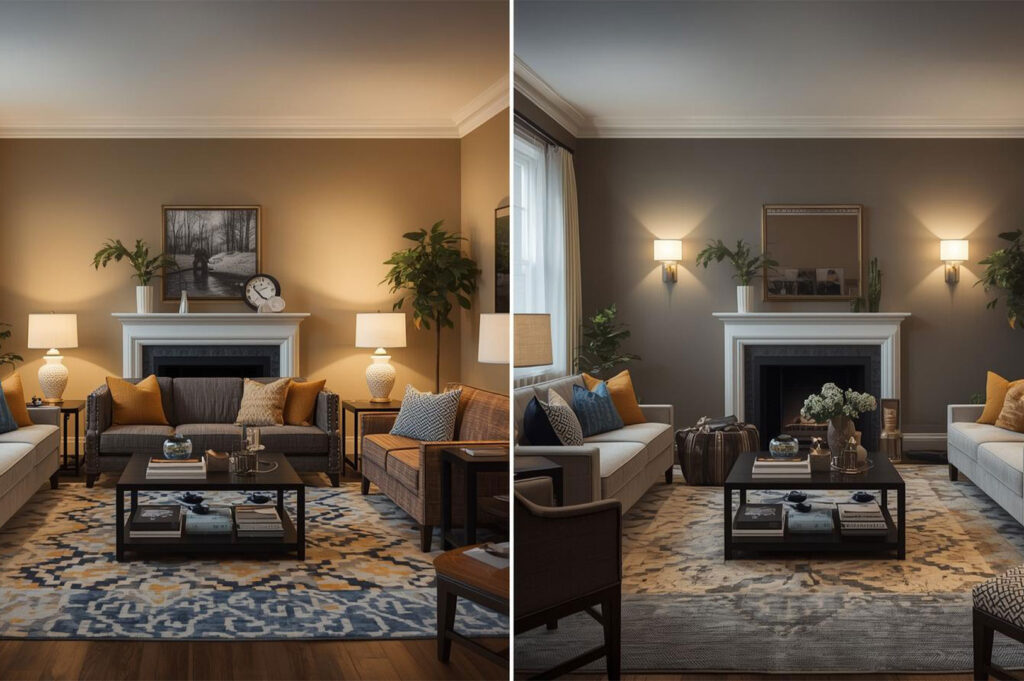
The difference between a professionally designed restaurant and a DIY project is often immediately visible. While DIY decorating might give you a nice-looking room, it often lacks strategic depth. A professional interior designer considers customer psychology, workflow, and brand storytelling in every interior design decision. Professional designers also build strong relationships with clients, deeply understanding their needs and preferences to ensure project success through effective interior design collaboration.
DIY might work for small cafés, but when it comes to major renovation services, complex concepts, or new builds, hiring professionals ensures quality and durability. A skilled designer helps you create a timeless interior design style that won’t feel outdated after a few years. The ROI of working with an interior design firm is seen in stronger brand identity, improved functionality, and higher customer retention—turning your restaurant into an inviting, memorable destination with enduring interior design value.
The Interior Designer’s Process in Restaurant Design: From Concept to Completion

Working with an interior designer involves a structured process centered on designing, planning, and executing your project, with a strong focus on creative collaboration to transform restaurant interiors through professional interior design.
- Initial Consultation: The designer learns your specific requirements, concept, and interior design style preferences.
- Concept Development: They present mood boards, sketches, and layout ideas that reflect your whole vibe and operational needs through cohesive interior design.
- Design Documentation: Technical drawings, lighting plans, and material specifications are prepared to guide construction and ensure seamless interior design execution.
- Procurement: The designer sources quality craftsmanship in furniture, accessories, and décor, ensuring everything aligns with your budget and aesthetic while supporting your overall interior design plan.
Their project management skills ensure every element—from concept to installation—comes together smoothly and on time, resulting in a cohesive interior design experience.
Balancing Aesthetics and Functionality in Restaurant Interior Design

Not all interior designers are alike. Those who specialize in restaurant and hospitality interior design bring invaluable expertise. They understand the specific requirements of commercial spaces, from kitchen layouts to acoustic balance and traffic flow. These designers can transform interiors by integrating form, light, and texture into one cohesive interior design experience.
Specialized restaurant interior designers provide a tailored service that addresses the unique needs of hospitality businesses, ensuring a seamless and high-quality interior design outcome. Their deep understanding of creating spaces that reflect brand personality ensures that every design decision aligns with your business goals and client expectations.
Key Interior Décor Elements That Impact Restaurant Success and Design Style
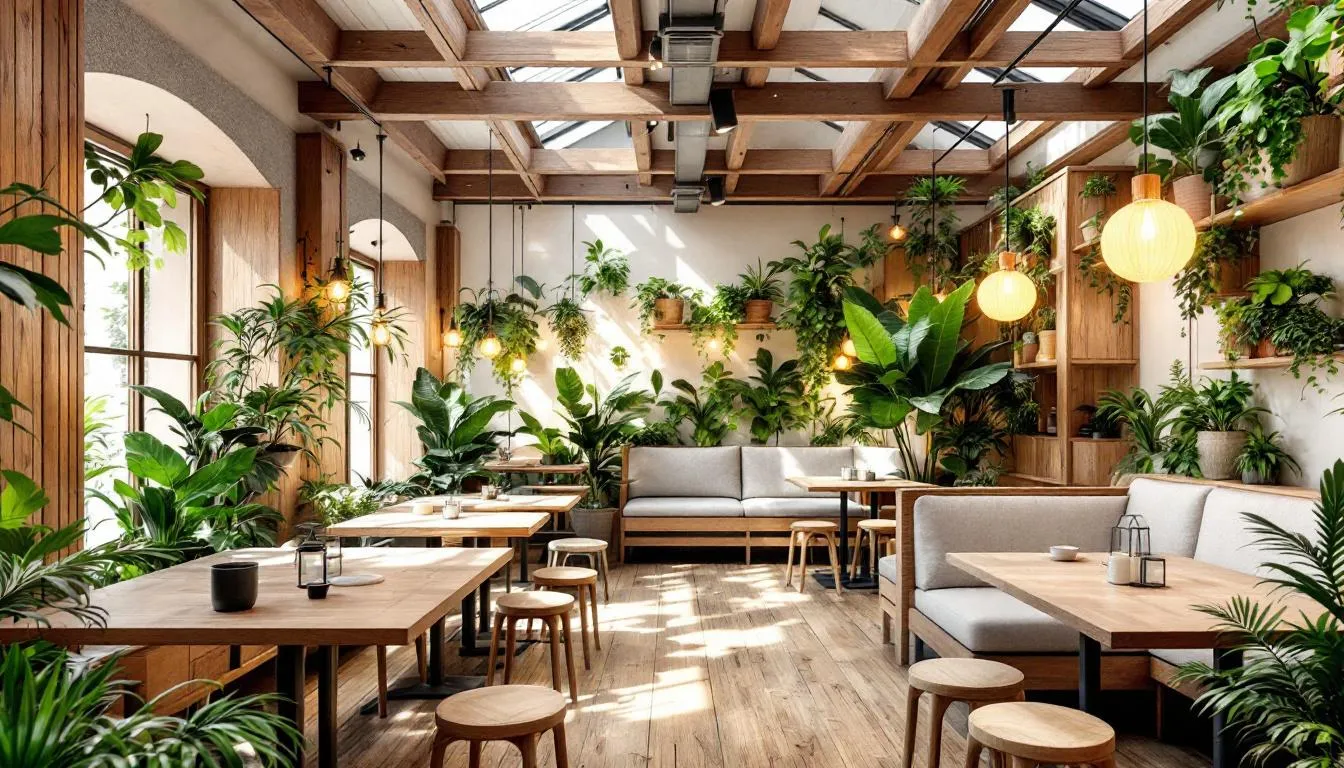
Every successful restaurant is defined by a thoughtful combination of interior design elements. Innovative designs, whether minimalist or traditional, play a crucial role in creating a harmonious and visually appealing restaurant environment.
- Furniture: Balances durability and elegance while matching your style and brand identity as part of a cohesive interior design plan.
- Lighting: Sets the tone, defines zones, and highlights architectural details—essential in effective interior design.
- Accessories & Artwork: Add personality and inspiration to the space without overwhelming it, completing the interior design story.
- Materials: Chosen for long-lasting quality and aesthetic balance that supports the overall interior design vision.
These components, supported by effective interior design strategies, shape the restaurant’s entire vibe and help achieve lasting restaurant success through purposeful interior design application.se systems can adjust background sound levels and frequency ranges to optimize conversation comfort while maintaining the energetic atmosphere that drives customer engagement and spending.
Working Effectively with Your Interior Designer for a Cohesive Design Style

A successful project relies on teamwork and open communication within the interior design process.
- Share your vision: Describe your dream concept and preferred design style. Just as you would communicate your vision for a dream home to ensure it matches your ideal living space, clearly sharing your dream restaurant concept helps achieve the perfect interior design.
- Be transparent: Discuss your budget, project timeline, and specific requirements early in the interior design process.
- Trust the experts: Let your designer’s experience and creative ideas guide you while giving constructive feedback throughout your interior design collaboration.
When homeowners or business owners collaborate effectively with designers, the results reflect a shared sense of balance, quality, and interior design excellence.
Budget and Cost Considerations When Working with an Interior Design Firm
A professional interior design firm will help you allocate funds wisely between design services, materials, and renovation costs. Just like in home design projects, strategic planning and careful resource allocation are essential to achieve a well-balanced and aesthetically pleasing interior design result.
- Fee Structures: Designers may charge hourly, by project, or a percentage of total costs based on interior design complexity.
- Material Selection: Experts help in selecting materials that combine quality craftsmanship with durability, enhancing overall interior design value.
- Cost Efficiency: Professional sourcing avoids overspending while maintaining interior design integrity.
Investing in a good design partner ensures your renovation project stays on budget without compromising on form or interior design functionality.
Collaboration Between Designers and Renovation Contractors in Restaurant Interior Design
A seamless restaurant renovation depends on strong coordination between the interior designer and the contractor. Just as transforming a house into a personalized and functional space requires close collaboration, renovating a restaurant also relies on teamwork to achieve a cohesive interior design result. The designer provides clear documentation and supervises the build to ensure the final result meets the design requirements. This collaborative partnership guarantees your restaurant’s interiors reflect the original interior design vision down to every detail—from floors and walls to the finishing touches of décor.
Common Mistakes to Avoid When Hiring Top Interior Designers
- Choosing designers based solely on price
- Overlooking portfolio relevance in interior design projects
- Underestimating the project management process
- Poor communication during interior design and renovation services
Avoiding these pitfalls ensures your project stays on track and achieves the best interior design outcome.
Singapore Success Stories
Odette: Designed by Sacha Leong of Universal Design Studio, this elegant restaurant reflects a harmony of form, light, and simplicity. Every element, from furniture to accessories, embodies refined interior design aesthetics. The thoughtful layout also accommodates family dining, creating a welcoming environment for families to enjoy special occasions together.
The Warehouse Hotel: Designed by Asylum, this iconic space balances industrial style and modern luxury through custom materials, lighting, and patterns, showing what top interior designers in Singapore can achieve through visionary interior design.
The Influence of Interior Décor Trends on Restaurant and Living Space Design
In Singapore’s dynamic dining landscape, interior design trends evolve rapidly. Many of these trends draw on inspirations from various movements or natural elements, shaping the evolving landscape of restaurant interiors. From biophilic concepts to sustainable materials, an experienced designer knows how to integrate these ideas while maintaining timeless interior design style. The result is a living space that feels fresh yet enduring—one that continues to inspire both diners and staff for years.
Turning Vision into a Dream Home Design
Working with an experienced interior designer goes beyond selecting colors and furniture—it’s about transforming your living space into an environment that truly reflects your personality and lifestyle through intentional interior design. Through thoughtful planning, design expertise, and a deep understanding of functionality, your designer can translate your ideas into a cohesive home design that balances beauty with purpose. The result is more than just a stylish interior—it’s your dream home, crafted to inspire comfort and connection every day through exceptional interior design.
Conclusion
Hiring a professional interior designer isn’t just about making your restaurant look beautiful—it’s about creating spaces that function efficiently, tell a compelling brand story, and invite customers to return. Through expert project management, strategic interior design, and attention to detail, the right designer can transform your restaurant into a destination that radiates elegance, simplicity, and balance.
For more insights on how interior design choices shape restaurant success in Singapore, explore our article on Interior Design Strategies for Restaurant Success in Singapore—highly recommended for anyone planning a home renovation, restaurant remodel, or dream project.