
Embarking on a restaurant renovation is a thrilling moment filled with anticipation for a fresh design, an optimized kitchen, and a lively dining room. Yet, beneath this excitement lies a significant risk: choosing the wrong renovation contractor. A poor choice can lead to crippling delays, escalating costs, and substandard workmanship that turns your dream project into a financial and legal quagmire.
For business owners in Singapore, managing this risk demands more than just reviewing portfolios or listening to persuasive pitches. It calls for a deep dive into a contractor’s real-world reputation. One of the most powerful tools available is the CASE Singapore blacklist, maintained by the Consumers Association, a respected non profit organization dedicated to protecting consumers.
Understanding the CASE Singapore Blacklist and Consumers Association
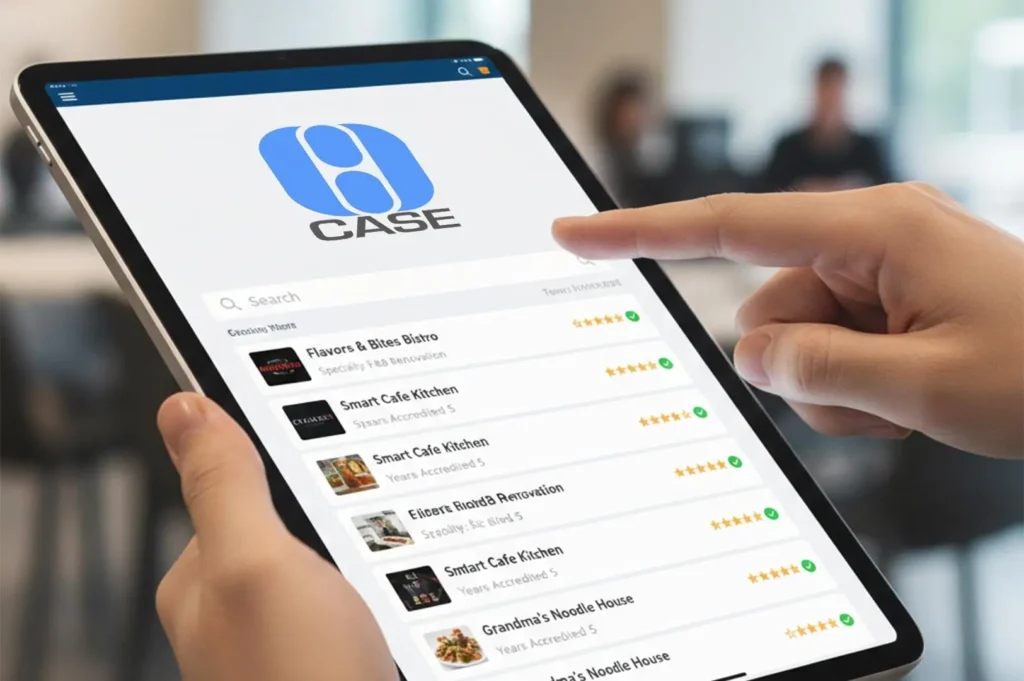
The Consumers Association of Singapore (CASE) plays a vital role in championing consumer rights, especially in sectors like renovation where complaints are frequent. Their work extends beyond tracking grievances; they mediate disputes and publicly expose unfair business practices under the fair trading framework. For restaurant owners facing unique renovation challenges, the data collected by CASE offers a rare, unbiased insight into how companies behave when problems arise. CASE can assist with disputes involving an individual making a purchase of goods or services for personal or domestic use with a registered company in Singapore.
Accessing the CASE Singapore blacklist isn’t as simple as logging into a database. Instead, CASE shares this information through media releases and public alerts on their website. These communications spotlight companies linked to numerous complaints or those that have failed to resolve issues, sometimes resulting in blacklisting. This status means the company is among the Singapore blacklisted renovation companies and barred from further business dealings in Singapore, often due tounresolved complaints, regulatory or enforcement actions, or involvement in a criminal investigation. Official statements and investigations may also reference information provided by an SPF spokesperson, and in cases involving international cooperation, agencies such as Britain’s National Crime Agency may be involved in asset recovery and investigations.
How to Interpret Blacklist Information and Regulatory Actions
Interpreting this information requires a discerning eye. A few complaints over years might be minor, but a surge in months signals deeper issues. Understanding complaint nature; minor or fundamental, is key. Confirming identities linked to companies is crucial, especially with international law enforcement worldwide notices like Blue Notice or Red Notice highlighting persons of interest.
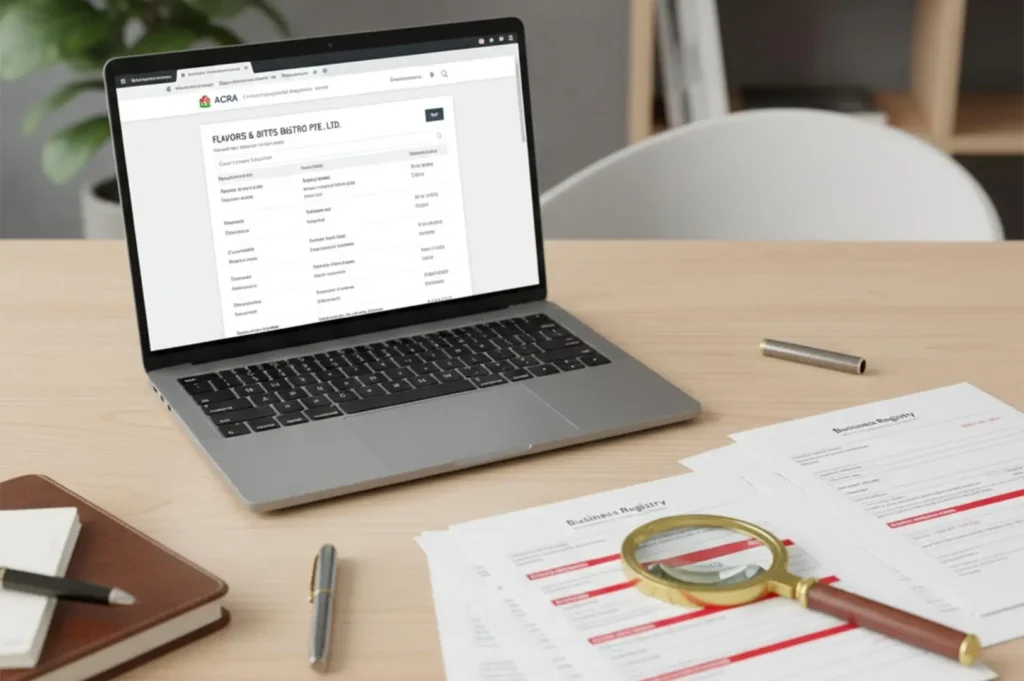
Beyond the blacklist, check other regulatory records. Bodies like the Accounting Corporate Regulatory Authority (ACRA) and the Business Registry verify licensing and company details, revealing ownership, directorships, and ongoing enforcement actions commenced to assess a contractor’s trustworthiness.
How to Check the CASE Singapore Blacklist
When dreaming of transforming a space like a restaurant, we often overlook the character of those bringing our vision to life. The Consumers Association of Singapore (CASE), a trusted non governmental organisation championing fair trading, offers insight through their Singapore blacklist.
This is especially relevant given Singapore’s worst money laundering case, where eight companies were blacklisted and their assets frozen by the Singapore Police Force and the Corporate Regulatory Authority. These companies owned by criminals had their financial transactions halted, with assets linked to illicit dealings closely monitored as authorities work to recover assets deemed criminal. Such enforcement actions highlight the risks of partnering with dubious entities.
To use the CASE Singapore blacklist, visit the official CASE website for updates on companies barred from legitimate business dealings. Cross-reference with the business registry to verify company status and ownership, revealing any shell companies or dubious backgrounds. Also, compare prices, as unusually low quotes may signal hidden issues.
Watch for red flags like companies under enforcement actions, linked to organized crime, or making extravagant luxury purchases beyond their business scope. These signs reveal the true nature of potential partners. By staying vigilant and using these resources, you protect your renovation project and business reputation, avoiding entities under scrutiny by law enforcement worldwide, including Britain’s National Crime Agency. The ongoing efforts to recover assets deemed criminal mean blacklist information can change as enforcement actions continue.
If disputes arise, the Consumers Association offers mediation to help restore balance. Verifying details and choosing partners carefully safeguards your investment and supports a trustworthy business environment in Singapore.
Real-World Examples: Singapore Blacklisted Companies and Luxury Purchases

The stakes are high. CASE’s records have exposed eight companies entangled in severe cases, including one of Singapore’s worst money laundering cases. The corruption reporting project played a key role in uncovering links between individuals, companies, and criminal activities. The joint statement from SPF and ACRA confirmed that enforcement actions have been taken since the police operation began, and that the suspects evaded arrest, escaped police raids, and fled Singapore before the operation.
The Hidden Dangers of Hiring a Blacklisted Renovation Company in Singapore
Hiring a renovation company listed on the CASE Singapore blacklist carries significant risks. Such companies may have a history of unresolved complaints, poor workmanship, or unethical business practices. Engaging with them can lead to project delays, substandard results, financial losses, and legal complications. Moreover, these companies might be involved in ongoing investigations or enforcement actions, which could disrupt your renovation plans and damage your business reputation. Being aware of these hidden dangers helps you make safer, more informed choices when selecting contractors.
Property deeds and property deeds verified served as evidence of ownership and asset tracing, establishing clear titles and preventing money laundering. The assets linked to these fugitives remain seized or are undergoing seizure with pending realisation pursuant to court orders granted in 2024.
Using the CASE Singapore Blacklist to Protect Your Business

In the end, your restaurant’s physical space is more than just a venue; it’s a critical asset that reflects your brand and vision. Entrusting its transformation to a reputable contractor is essential. By leveraging tools like the CASE Singapore blacklist and combining them with thorough research into regulatory databases and direct references, you empower yourself to make informed decisions.
Before hiring, always compare prices and verify the business registry details of contractors to ensure they are not on the blacklist or involved in ongoing investigations. Check for any companies linked to criminal investigations or those with pending enforcement actions. This approach turns you from a hopeful client into a strategic business owner, building your establishment on a foundation of trust and integrity. For more expert advice and trusted contractor connections, visit Restaurant Renovations SG.