
The Moments When Restaurant Projects Test Everyone’s Patience
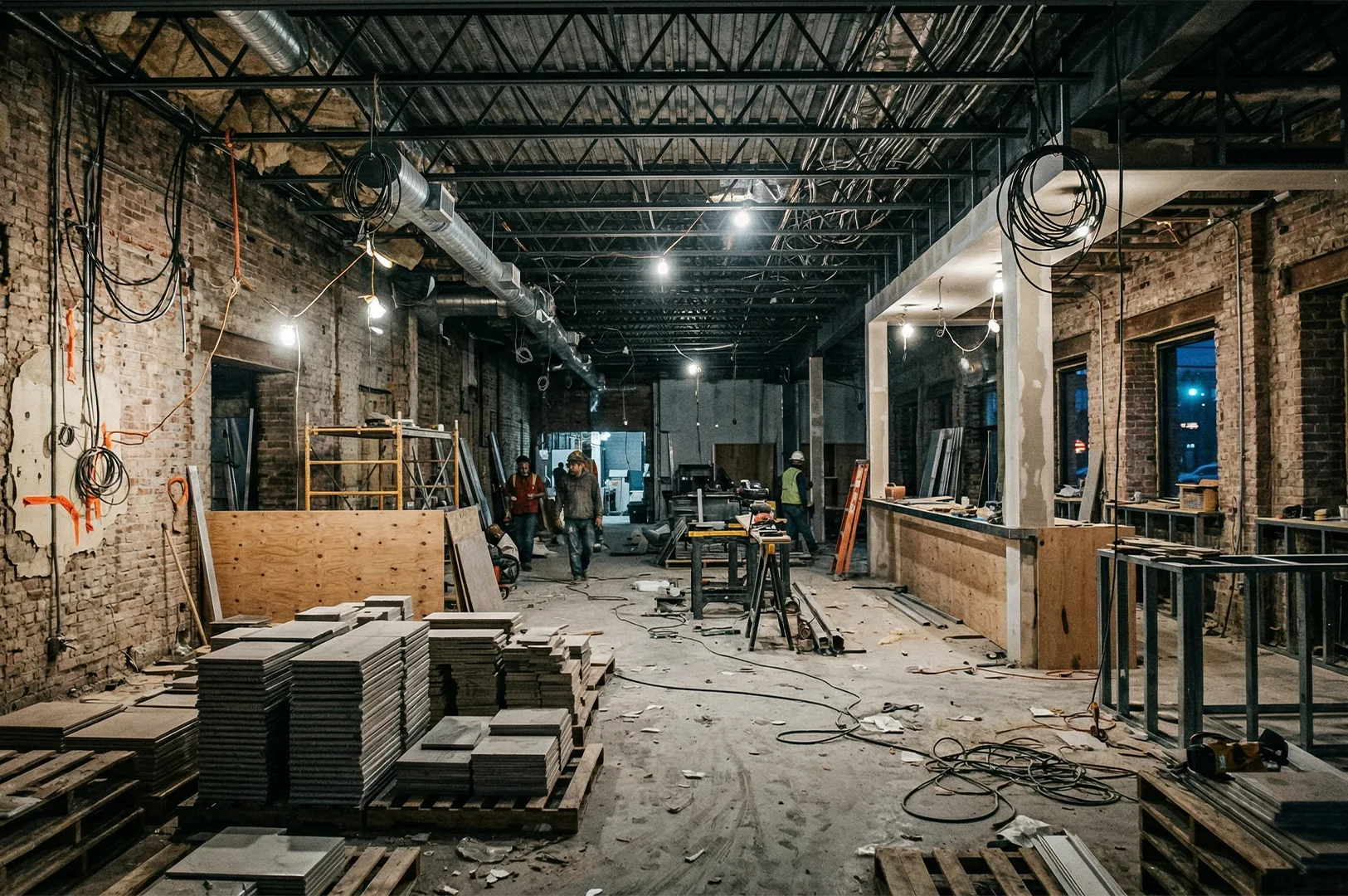
When the Timeline Starts to Stretch
At the beginning of every restaurant renovation, there is optimism.
The plans look clear. The drawings feel precise. The timeline sits neatly on paper with milestones that seem achievable. Owners imagine the day the doors reopen, when guests return and the new space finally comes alive.
But somewhere in the middle of the project, the energy changes.
A delivery arrives late. A permit takes longer than expected. A contractor discovers something inside the walls that requires adjustments.
The renovation slows down.
And that is when renovation fatigue begins to appear.
The Surprises No One Planned For
Restaurant projects rarely unfold exactly as imagined.
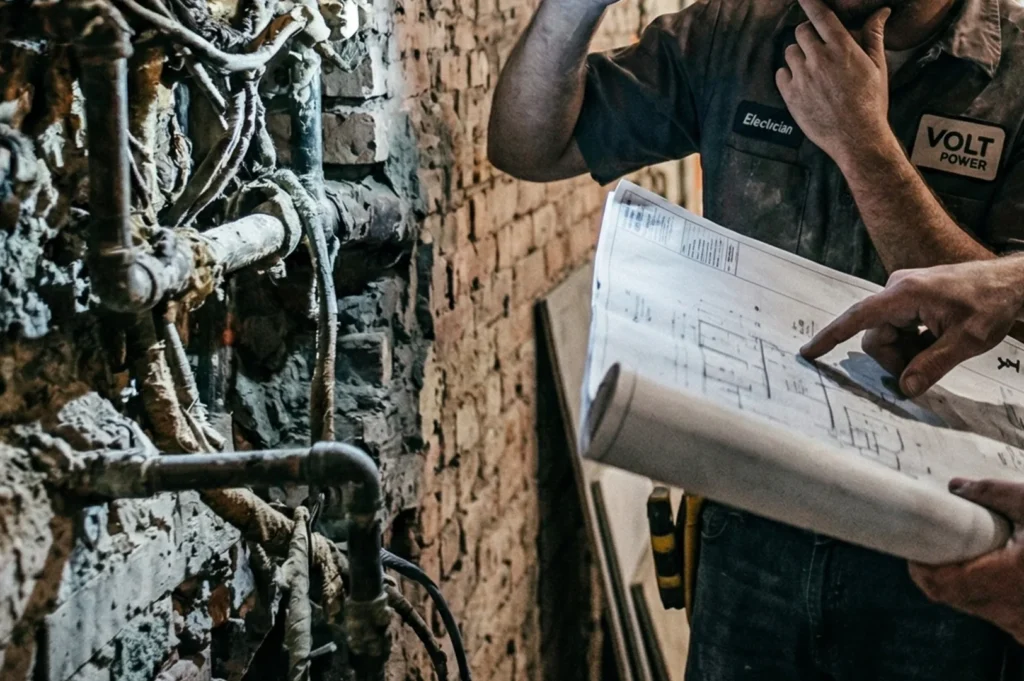
A pipe needs replacing. Electrical systems require upgrades. Materials take longer to arrive. Costs shift slightly with every new adjustment. These surprises do not happen because someone made a mistake. They happen because buildings have their own history and complexity.
For founders and teams, these moments can feel frustrating.
Budgets need revisiting. Schedules stretch. Conversations become more serious as decisions carry financial weight.
It is easy to forget that renovation is rarely a straight path.
Instead, it moves forward through small recalibrations.
The Emotional Side of Construction
What many people do not see is how personal restaurant renovations can become.
Owners visit the site almost every day. They watch walls come down, floors disappear, and equipment arrive piece by piece. Each change feels tied to a vision they have been carrying for months or even years.
When delays happen, that vision suddenly feels distant.
Staff members who are waiting to return to work grow impatient. Teams ask when the restaurant will reopen. Founders begin calculating the cost of every additional week.
It becomes less about design and more about endurance.
This stage is rarely discussed openly, yet it exists in almost every renovation.
The Small Wins That Matter
The good news is that renovation fatigue rarely lasts forever.
In most projects, the turning point arrives through small victories.
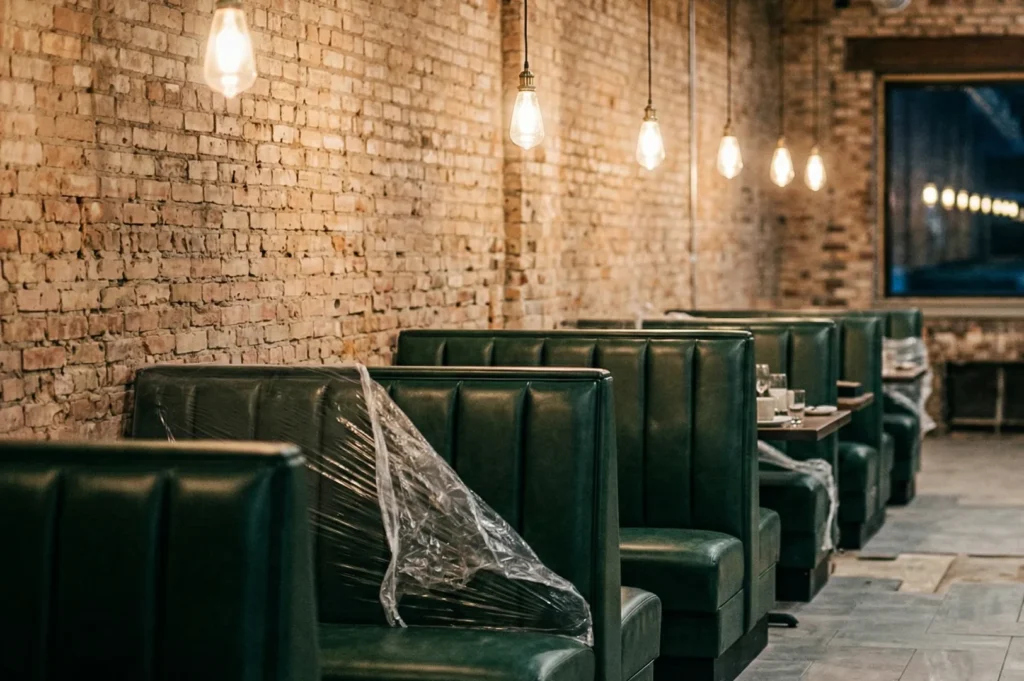
A section of flooring is finally completed. The kitchen equipment arrives on schedule. The lighting is installed and for the first time the dining room begins to look like a restaurant again.
These moments bring a quiet sense of relief.
Teams gather around newly finished areas and imagine how guests will experience the space. Conversations become hopeful again. The project that once felt stalled begins to move forward.
Progress returns step by step.
Holding on to the Bigger Picture
Restaurant renovations test patience because they require so many people to move in sync.
Designers, contractors, electricians, chefs, and owners all work toward the same goal, yet each stage depends on the previous one finishing first. A small delay in one area can ripple through the entire timeline.
The teams that navigate renovation fatigue successfully often share one habit.
They remember why the renovation began in the first place.
Perhaps the kitchen needed improvement to support a growing team. Perhaps the dining room needed better flow for guests. Perhaps the founder simply wanted the restaurant to evolve into its next chapter.
That vision becomes the anchor during difficult weeks.
The Moment the Energy Returns
Eventually, every renovation reaches a moment when the atmosphere changes again.
The dust begins to settle. Walls are painted. Furniture arrives. The space starts to resemble the restaurant that once existed only in sketches and conversations.
At this stage, the fatigue fades surprisingly quickly.
The long weeks of uncertainty become part of the story behind the space. Teams look around the nearly finished dining room and remember the obstacles that once seemed overwhelming.
In hindsight, renovation fatigue becomes something else entirely.
Proof that building a restaurant is never just a construction project.
It is a journey that tests patience, strengthens teams, and reminds everyone that meaningful spaces rarely come together without a little struggle along the way.