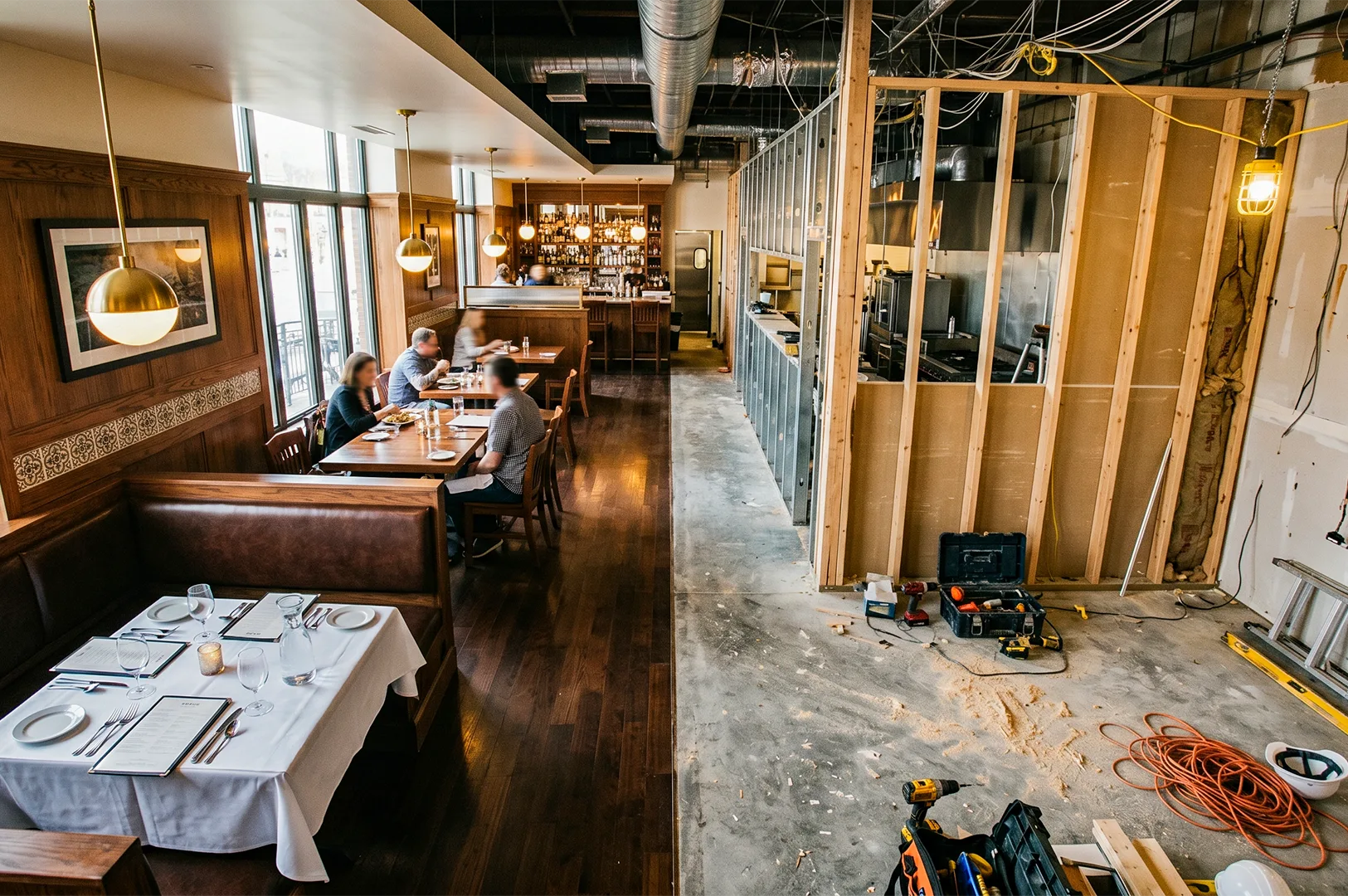

The Moment the Numbers Shift
At the start of a renovation, the budget feels like a structure.
It defines what is possible. It guides decisions. It gives the project a sense of control.
But somewhere along the way, the numbers begin to move.
A material costs more than expected. Additional work is required behind the walls. Timelines stretch, bringing added expenses. Slowly, the budget stops being a fixed boundary and becomes something that needs constant adjustment.
This is the moment when renovation becomes less about design and more about decision making.
Choosing What Matters Most

When budgets shift, priorities become clear very quickly.
Founders begin asking questions they may not have considered at the beginning. What truly defines this restaurant? Where does quality matter most? Which elements will guests actually feel?
Some decisions are practical.
Kitchen equipment might remain a priority because it directly affects service. Structural changes cannot be avoided. Safety and compliance always come first.
Other decisions become more flexible.
Finishes, materials, and decorative elements may be simplified. Certain features might be postponed. A design that once felt essential may quietly be reconsidered.
In these moments, clarity replaces ambition.
The Art of Letting Go
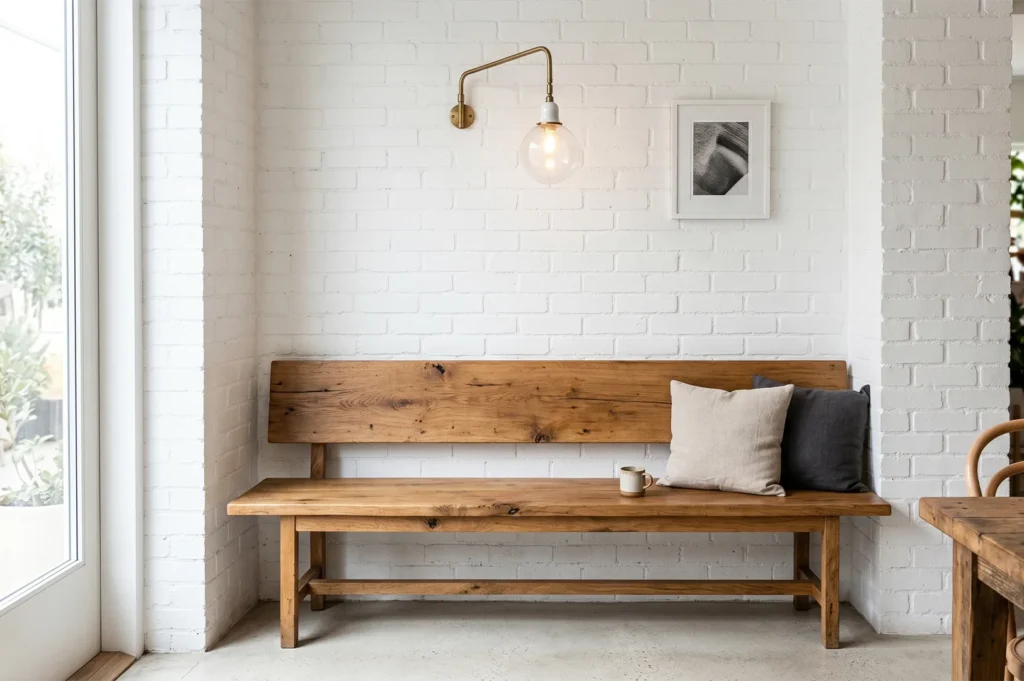
Letting go of an idea is not always easy.
Design concepts often carry emotional weight. They represent the vision founders had when the project began. Removing or adjusting them can feel like stepping away from that vision.
But experienced teams understand something important.
A strong restaurant does not depend on every original idea being executed perfectly.
It depends on the space working as a whole.
Sometimes simplifying a design leads to a more focused result. A cleaner layout. A clearer identity. A space that feels intentional rather than crowded with ideas.
When Constraints Improve the Design
There is a quiet shift that happens when constraints are embraced instead of resisted.
Teams begin to think more creatively. Materials are chosen more carefully. Layout decisions become sharper. Every element earns its place in the design.
In many projects, this leads to a surprising outcome.
The final space feels more cohesive than the original plan.
Not because it had more resources, but because every decision was made with purpose.
Building Within Limits
Restaurant renovations rarely follow perfect conditions.
They exist within limits of budget, time, and structure. What defines a successful project is not the absence of constraints, but how those constraints are handled.
When the budget changes, the project does not fail.
It evolves.
And often, it becomes something more grounded, more focused, and more real than what was first imagined.