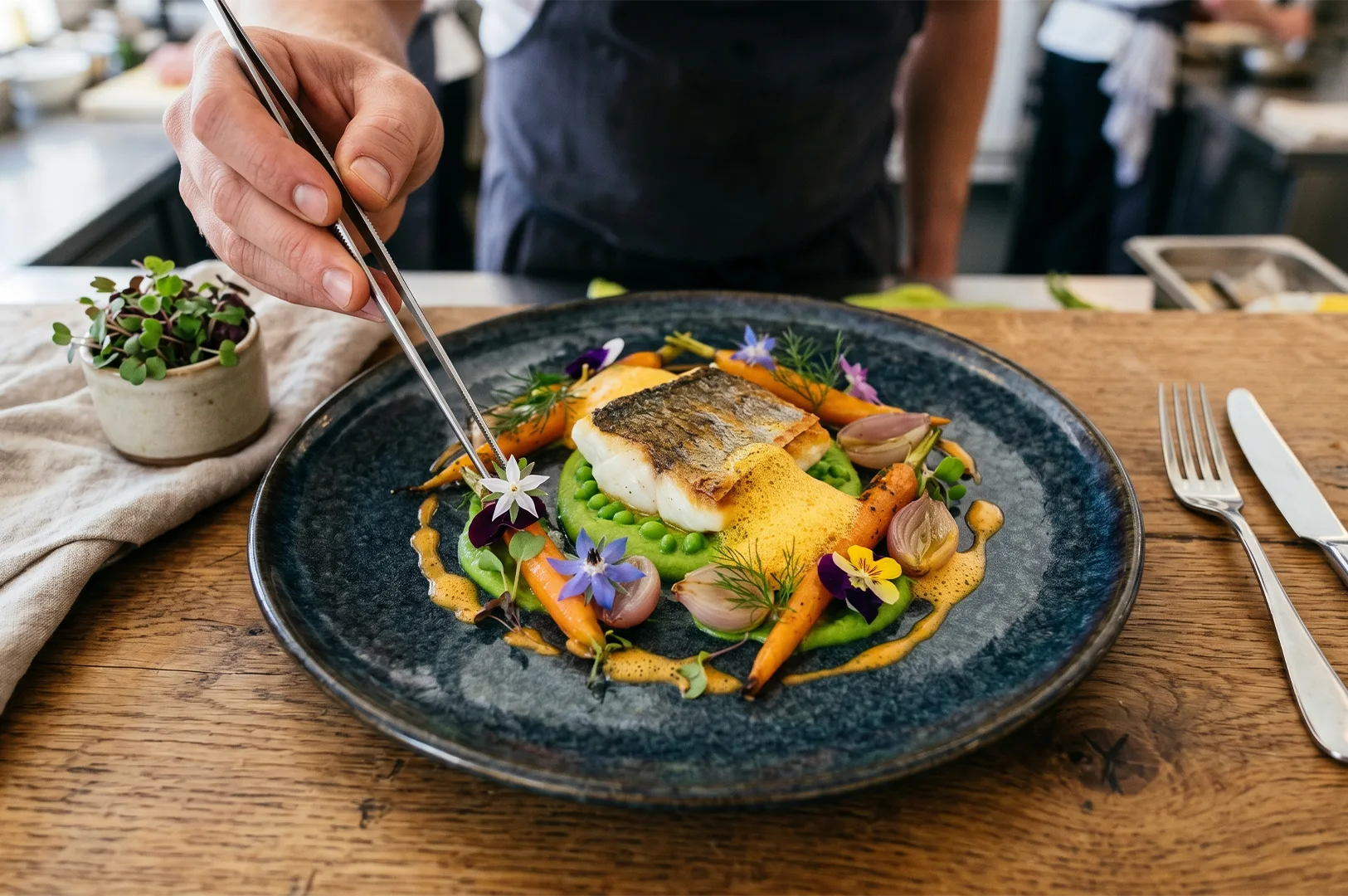

Sometimes a restaurant renovation changes the menu before anyone realizes it.
Not because the chef planned a new concept. Not because the owner wanted to chase trends. Not because the dining room needed a dramatic relaunch.
It happens more quietly than that.
A prep counter moves. A cooking line becomes tighter. Storage improves. The pass is redesigned. The kitchen gains breathing room in one area and loses a little flexibility in another.
Suddenly, certain dishes become easier to execute.
Others begin to feel unreasonable.
This is the hidden relationship between renovation and food.
A menu is not only shaped by taste. It is shaped by space.
Every dish has a physical journey. Ingredients need to be stored, washed, cut, cooked, plated, and carried out. If that journey is awkward, the dish becomes heavier than it looks. It slows the team. It interrupts timing. It creates stress during peak service.
Before renovation, many kitchens survive through habit.
The team knows which fridge door sticks. They know which station gets crowded. They know how to work around the corner that should have been wider. They know which dish is difficult, not because of the recipe, but because the kitchen makes it difficult.
Then renovation arrives and the kitchen is exposed.
Suddenly, old habits are questioned.
Why is the cold prep so far from storage? Why does the plating area sit in the busiest traffic path? Why does one cook have to turn around six times to finish one order? Why is the dishwashing zone affecting the service flow?
These questions can be uncomfortable.
They can also be liberating.
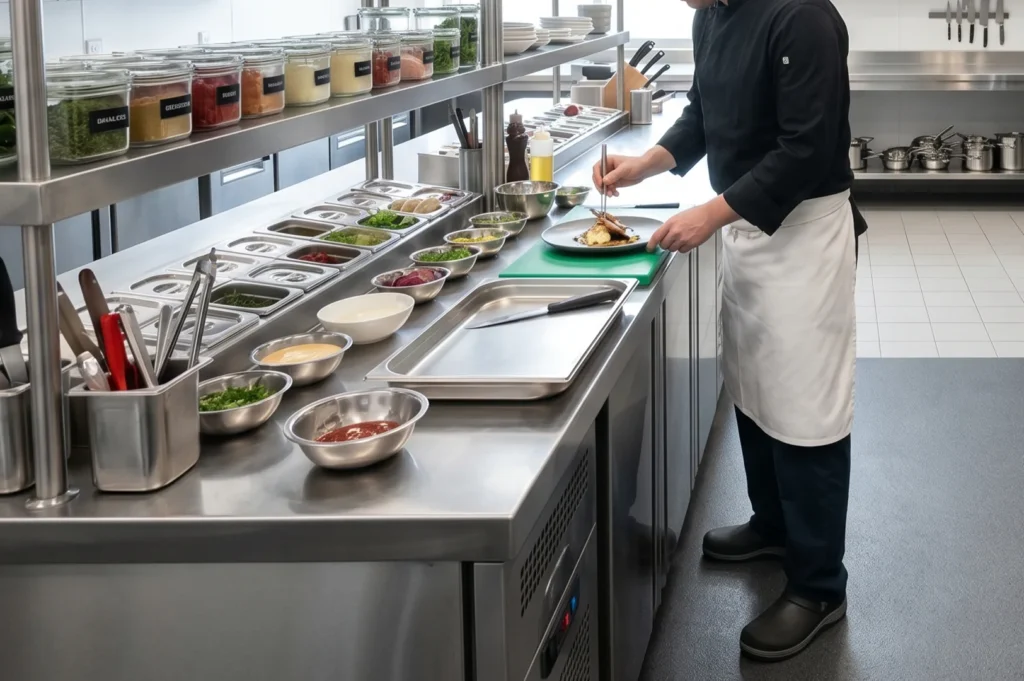
When a kitchen is redesigned around real movement, the menu often becomes clearer. Dishes that suit the new workflow rise naturally. Overcomplicated items lose their charm if they disrupt the whole system. The chef begins to think not only about creativity, but about rhythm.
This does not make the food less expressive.
It makes the restaurant more honest.
A kitchen that works well gives the chef freedom. It reduces unnecessary strain. It allows consistency to become possible, especially during the busiest hours. When staff do not have to fight the layout, they can pay more attention to the food.
Guests may never know this.
They may only notice that dishes arrive faster. Plates feel more consistent. The team seems calmer. The room feels steadier.
But behind that ease is a design decision.
This is why kitchen renovation should never be treated as a technical background task. It is part of the restaurant’s creative identity. The kitchen determines what kind of service the restaurant can sustain, what kind of menu it can support, and what kind of pressure the team will experience every day.
A beautiful dining room may attract guests once.
A well-designed kitchen helps the restaurant keep them.
The most thoughtful owners understand this. They do not ask the kitchen to fit into leftover space. They let the kitchen speak first. They ask how the team cooks, where the strain appears, and which movements repeat hundreds of times in a single week.
Then they design from there.
Because sometimes the future of a restaurant is not decided by a new signature dish.
Sometimes it begins with a counter moving six inches to the left.
For more on kitchen-first planning, read Ergonomic Kitchen Design for Workflow Optimization in Restaurants.