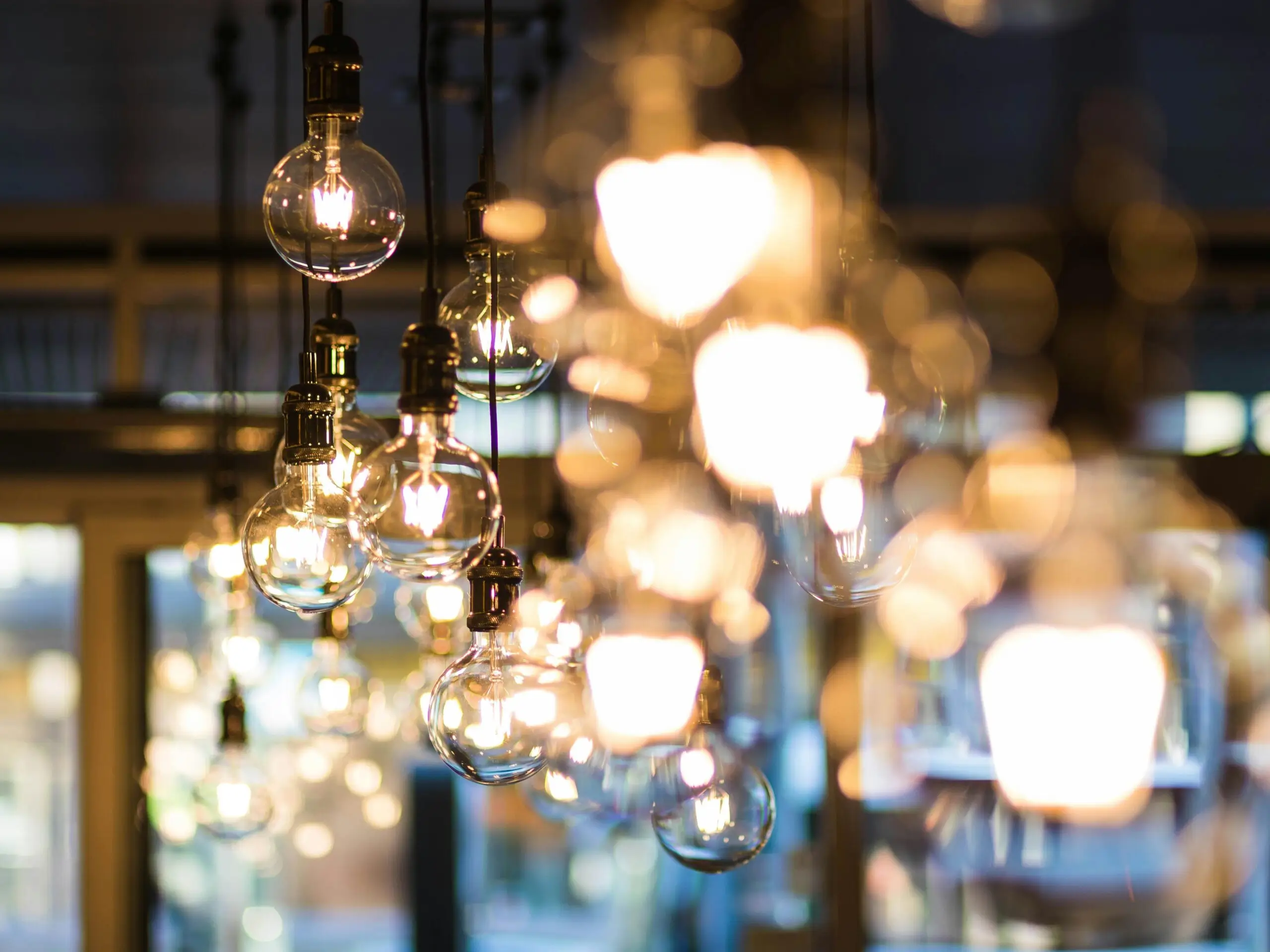

Think about the most memorable meal you’ve ever had. You probably remember the food, the company, and the conversation. But what about the light? Chances are, you don’t consciously recall the specific fixtures, but the lighting was a silent, powerful contributor to the entire dining experience. It’s the soft glow that made your date’s eyes sparkle, the focused beam that turned a dish into art, or the warm light that made you want to linger over dessert.
In restaurant lighting design, creating the right mood and atmosphere is essential. The right choices can transform a dining space. Lighting plays a crucial role in creating an intimate atmosphere, guiding customer comfort, and reinforcing the restaurant’s concept. A great plan goes beyond utility—it tells a story, highlights design elements, and enhances the customer experience.
Introduction to Lighting Design
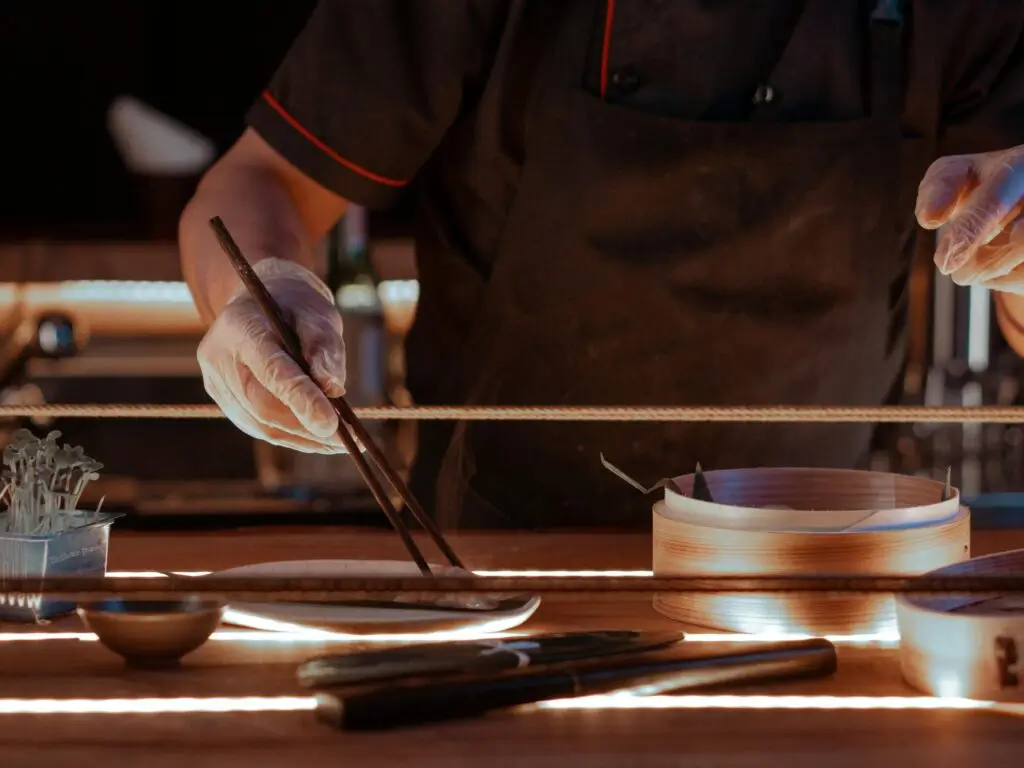
Lighting design is a foundational element of any restaurant’s interior design, shaping not just how a space looks, but how it feels. The right restaurant lighting can transform an ordinary dining space into an inviting atmosphere that draws guests in and encourages them to stay. For restaurant owners, understanding the impact of lighting is essential—it influences customer comfort, sets the tone for the dining experience, and helps create a memorable space that guests want to revisit. Whether you’re aiming for a cozy bistro or a vibrant eatery, thoughtful lighting design ensures your restaurant appeals to your target audience and supports your overall concept.
The Psychology of Restaurant Lighting and the Dining Experience
Lighting directly influences mood, energy levels, and perception. In restaurant settings, these psychological effects translate into tangible business outcomes.
- Pacing and Turnover: Bright lighting with cooler color temperature enhances energy and visibility during daytime or high-traffic periods. Brighter light is especially suitable for fast-casual and high-traffic environments, as it makes people feel more alert and eat faster, facilitating quick customer turnover. That’s why quick-service or casual dining restaurants often rely on this approach. In contrast, softer, warmer light encourages guests to relax, enjoy their dinner service, and order additional items—perfect for fine dining.
- Perception of Quality: Layered lighting creates depth and elegance, making food and décor more appealing. It enhances the dining experience by increasing perceived value.
- Customer Comfort: Harsh shadows or overly strong artificial lighting can make guests feel exposed. A balance of ambient lighting and decorative lighting creates an inviting space where people feel at ease. Strategic lighting choices also play a key role in encouraging guests to feel comfortable and linger longer.
Understanding Lighting Types
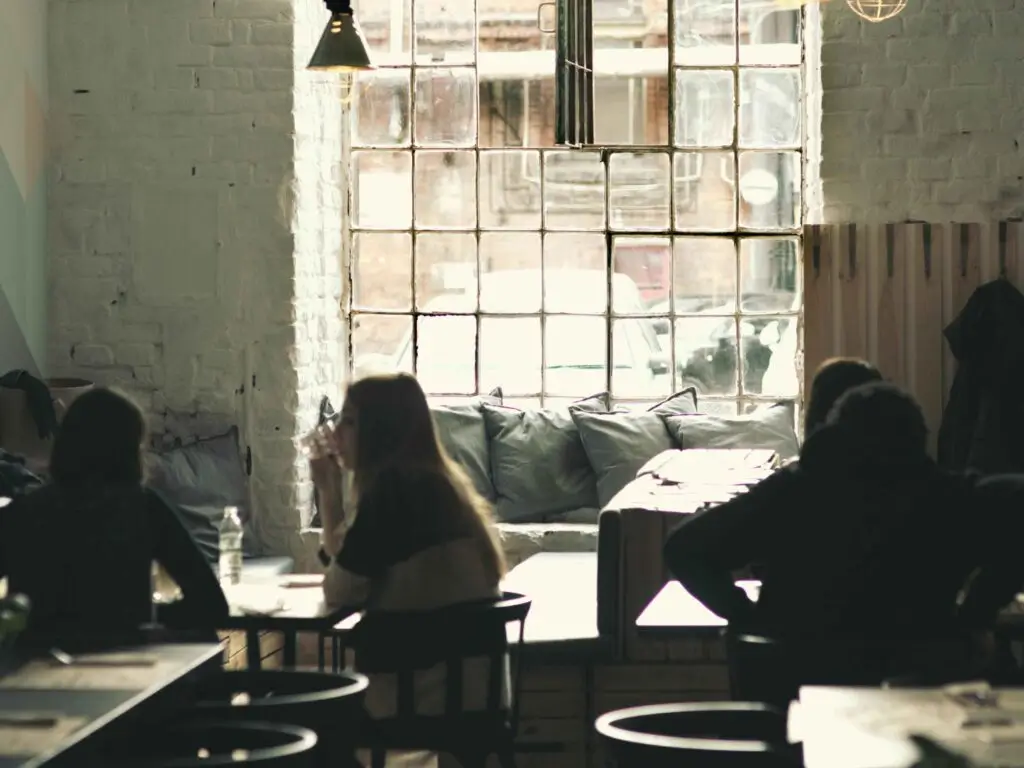
A successful restaurant lighting plan relies on a mix of different lighting types, each serving a unique purpose. Ambient lighting provides the general illumination that sets the overall mood, whether it’s achieved through natural light during the day or artificial lighting in the evening. Task lighting, such as pendant lights over tables or recessed lighting in prep areas, ensures guests and staff can see clearly for specific activities like reading menus or plating dishes. Accent lighting, including wall sconces and track lighting, is used to highlight architectural details and design elements, adding layers of visual appeal. By combining these types in a layered lighting approach, restaurant owners can create a dynamic environment that enhances the dining experience and brings out the best in their space.
The Three Essential Layers of Restaurant Lighting Design
The best restaurant lighting design is built on three layers. These layers represent different types of restaurant lighting, each serving a unique function in shaping the restaurant’s atmosphere throughout the day. Each serves a purpose, and together they shape the overall mood and customer experience.
Ambient Lighting: Setting the Overall Mood
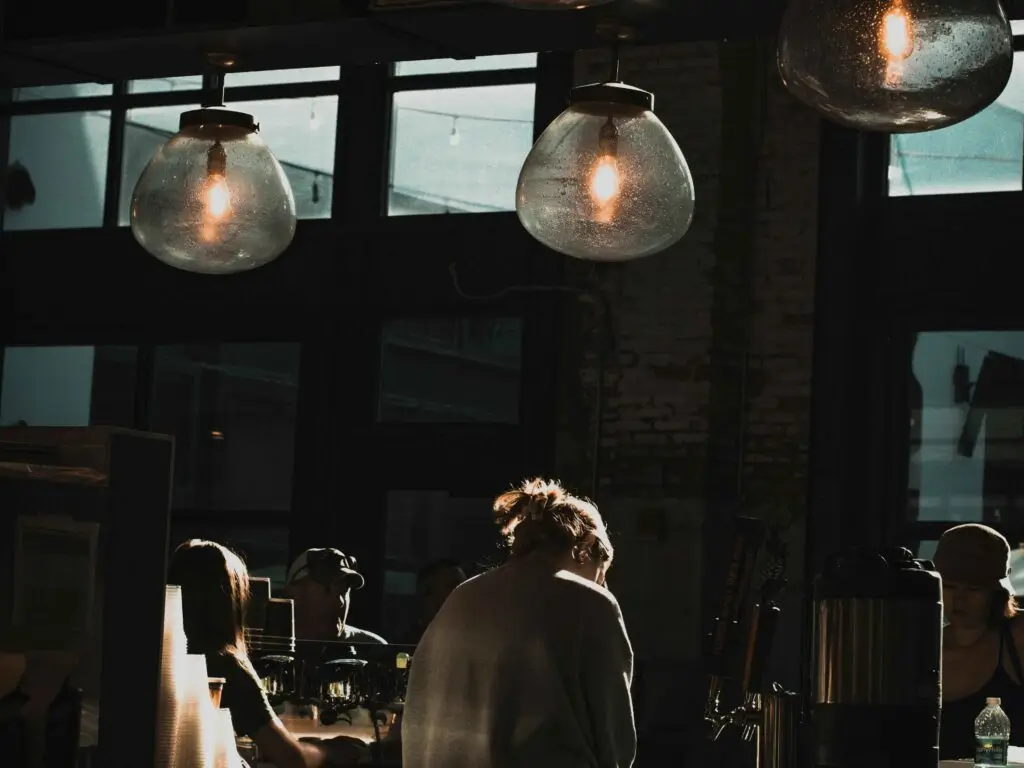
Ambient lighting is the foundation of a restaurant’s interior design. It establishes the desired atmosphere by filling the dining area with general illumination, enhancing the main seating space where guests form their first impressions.
- Techniques: Pendant lights, recessed lighting, and wall sconces are common choices. Cove lighting and strip lighting can wash walls and ceilings with a soft glow, adding visual appeal.
- Practical Tip: Always use dimmers to adjust for lunch, dinner service, or evening hours. Choosing warm light (2200K–2700K) ensures an inviting atmosphere.
Task Lighting: Functionality in Dining and Service Areas
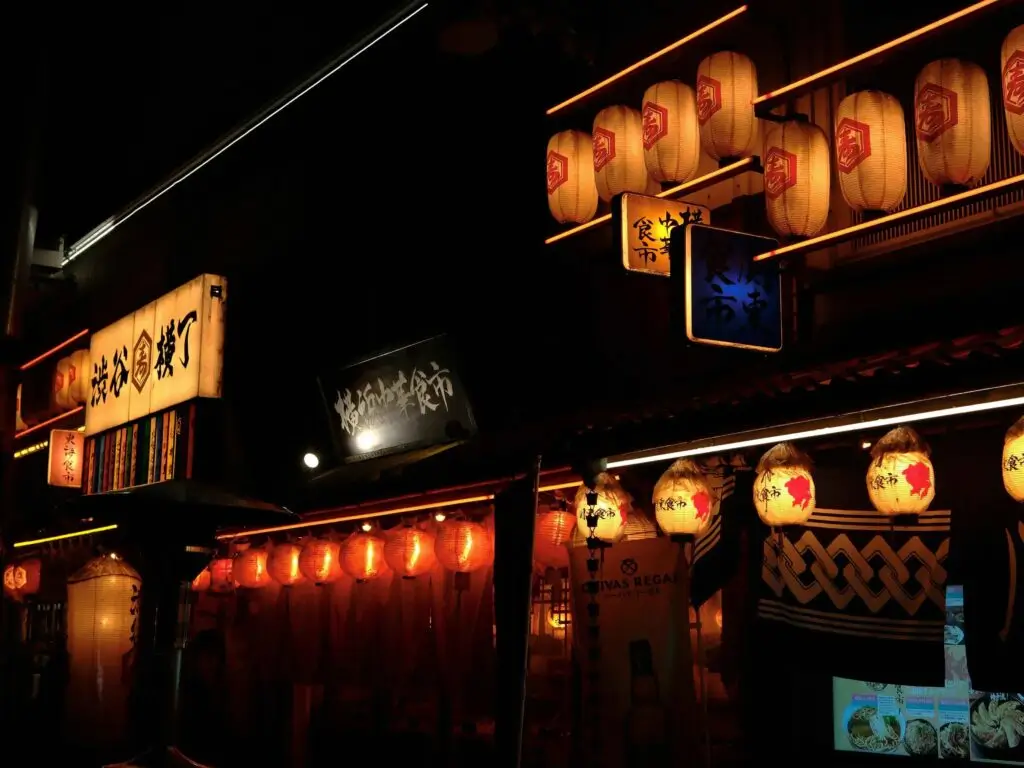
Task lighting provides the right lighting for specific functional areas. It ensures proper lighting for both guests and staff.
- Kitchens & Service Stations: Bright, glare-free light sources guarantee safety and efficiency.
- Bar Lighting: In bar areas, downlights, under-bar strip lighting, and track lighting not only make work easier but also use ambient and accent lighting to enhance the atmosphere and visual appeal, creating a welcoming and attractive space.
- At the Table: A small spotlight above each dining space illuminates menus and food without overpowering the overall mood.
Accent Lighting: Adding Drama and Aesthetic Appeal
Accent lighting highlights architectural details, statement fixtures, and decorative elements. It creates focal points that enhance the dining experience. The way light plays across these features through accent lighting techniques is vital in shaping the ambiance and atmosphere of a restaurant.
- Strategies: Track lighting, neon lighting, or LED strips can emphasize artwork, textured walls, or a backlit bar. Wall sconces and picture lights showcase architectural features.
- Key Consideration: Accent lighting should be at least three times brighter than surrounding ambient light for maximum impact.
Lighting and Color Temperature
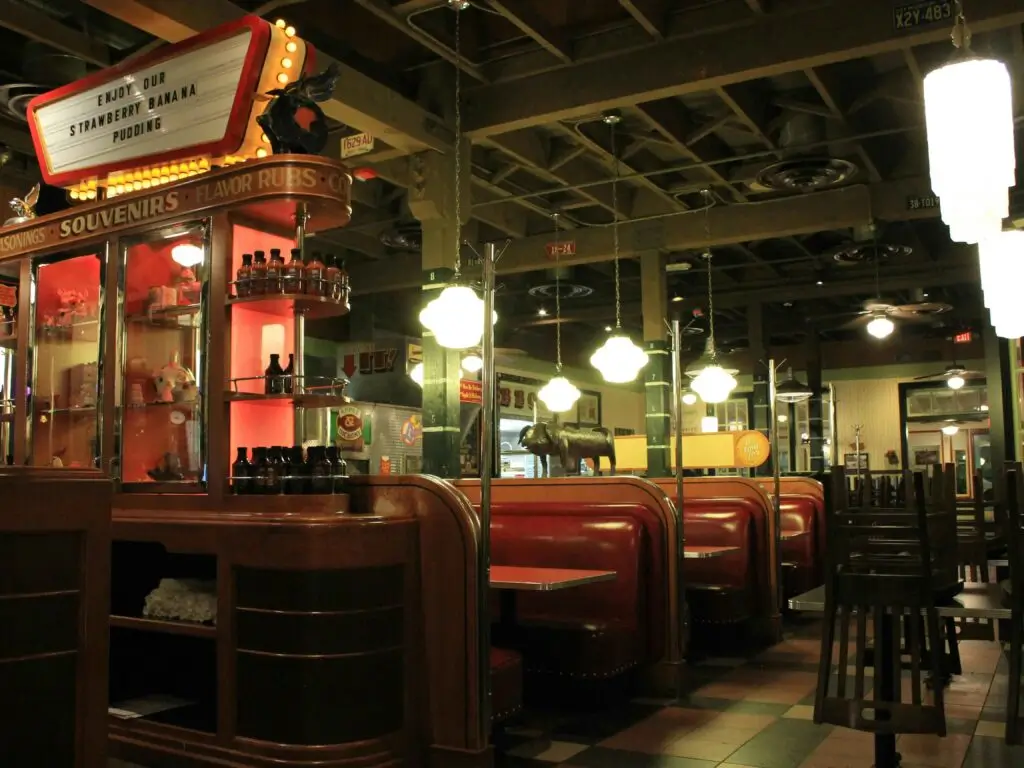
Color temperature is a subtle yet crucial factor in restaurant lighting, directly affecting the mood and ambiance of the dining space. Warm light, typically between 2700K and 3000K, bathes the room in a soft, golden glow—perfect for creating an intimate atmosphere in fine dining or romantic restaurants. In contrast, cooler color temperatures (4000K–5000K) produce a crisp, energetic light that suits modern or fast-casual settings. LED lights are a popular choice for their energy efficiency and ability to offer a wide range of color temperatures, allowing restaurant owners to tailor the lighting to their desired effect. By carefully selecting the right color temperature, you can set the tone for your restaurant and ensure every guest enjoys a comfortable and inviting experience.
Lighting to Create the Right Atmosphere in Restaurant Zones
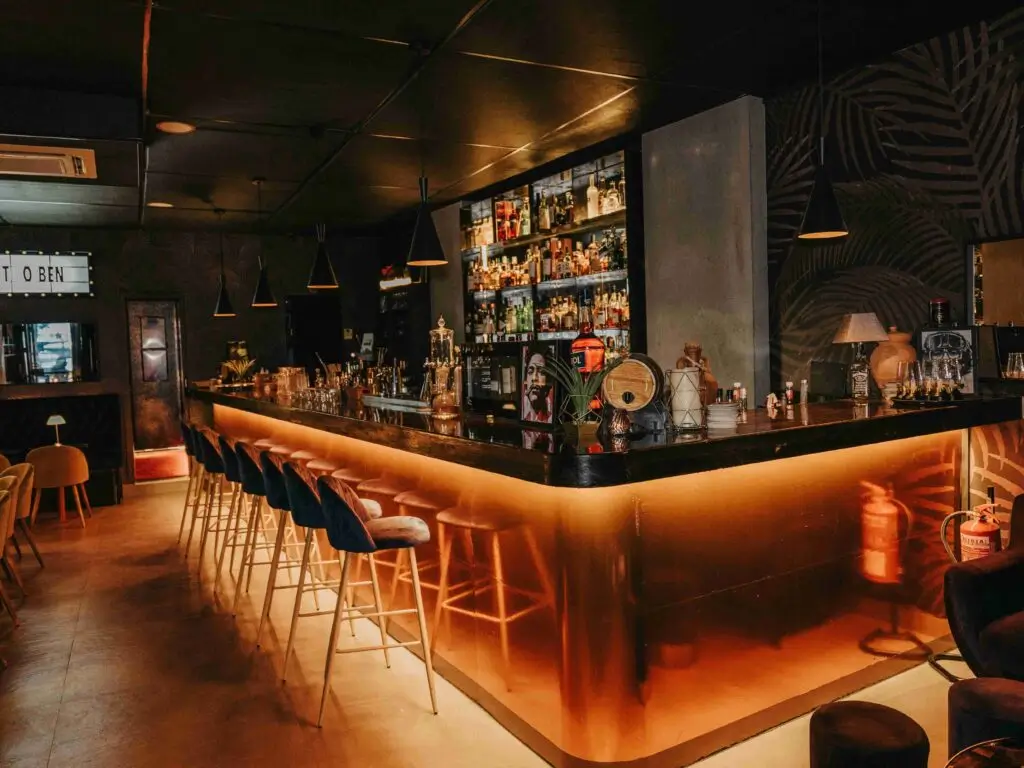
Different zones in the entire restaurant demand different lighting solutions, each shaping the restaurant’s atmosphere and contributing to the restaurant’s interior design by highlighting architectural details and creating a cohesive look:
- Entrance/Host Stand: Brighter lighting ensures a welcoming first impression and functional visibility.
- Dining Areas: A mix of ambient lighting, task lighting, and accent lighting creates the desired ambiance while ensuring customer comfort, enhancing the restaurant’s atmosphere.
- Bar Area: Often a design focal point, combining statement fixtures and accent lighting enhances both function and visual appeal, supporting the restaurant’s interior design.
- Kitchen: Brighter lights and focused commercial lighting ensure enhanced visibility, precision, and safety in this high-traffic zone.
- Restrooms: Warm, flattering light creates a comfortable and memorable space for guests.
Commercial Lighting and Energy Efficiency
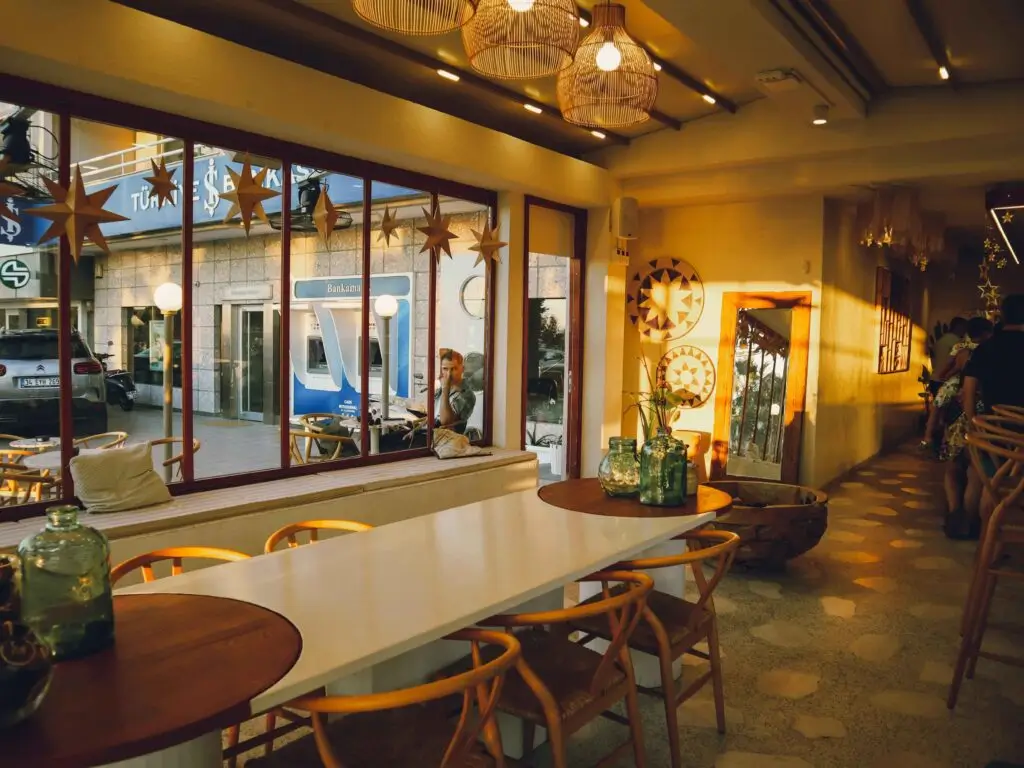
Restaurant owners must balance style with energy consumption. Modern lighting solutions make this possible.
- LED Lights: The gold standard in energy-efficient lighting. They cut energy consumption by up to 80% compared to traditional light sources.
- Maximizing natural lighting can further reduce energy consumption and enhance the restaurant’s ambiance, making the space more inviting for customers.
- Motion Sensors: Useful in low-traffic areas like restrooms or storage, reducing unnecessary energy use.
- ROI: Though the upfront cost of LED lights is higher, savings on utilities and maintenance quickly pay back the investment.
Lighting Control Systems: Strategic Lighting for Desired Mood
Lighting choices don’t need to be left to staff judgment. Automation helps create the right setting every time and ensures that lighting remains consistent with the restaurant’s concept throughout different service periods.
- Lighting Scenes: Transition smoothly from brighter lighting at lunch to a more intimate atmosphere for evening hours.
- Benefits: Automated dimmers and sensors improve energy efficiency, reduce errors, and maintain consistency in the restaurant’s atmosphere.
Avoiding Common Restaurant Lighting Mistakes
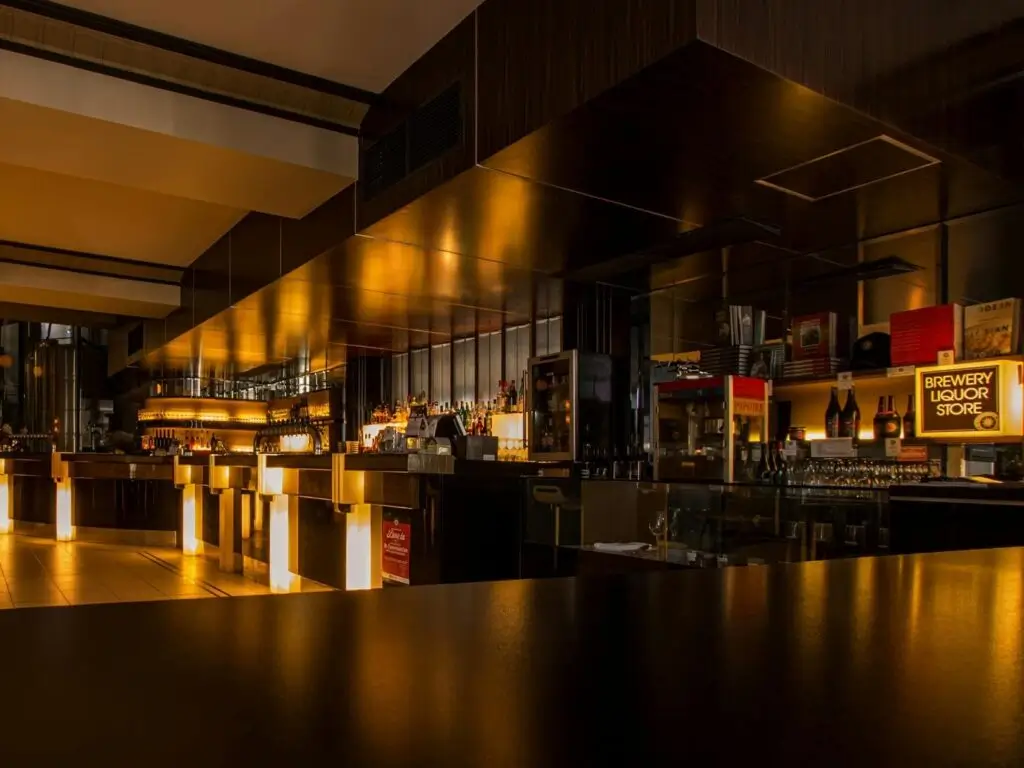
Good design requires avoiding poor lighting choices that undermine the customer experience:
- Overly Bright Dining Spaces: Too much ambient lighting flattens the atmosphere.
- Harsh Shadows: Poorly aimed track lighting or unshielded bulbs cause discomfort.
- Inappropriate Light Fixtures: Selecting the wrong light fixture can lead to harsh shadows or overly bright spaces, negatively impacting the dining environment.
- Ignoring Color Temperature: Using overly cool tones (above 4000K) can make a dining space feel sterile.
- Skipping Dimmers: Without dimmers, you lose flexibility to adapt lighting to different restaurant settings.
Case Studies: Lighting That Enhances the Dining Experience
- Balthazar, New York: Known for layered lighting and decorative pendants, creating a timeless fine dining atmosphere with warm, amber tones. This approach is often seen in a romantic restaurant, where dim, warm lighting is used to foster an intimate and luxurious setting.
- Sketch, London: A bold example of strategic lighting where neon lighting, accent fixtures, and artistic choices transform each room into a memorable space.
Seasonal and Special Event Lighting Ideas
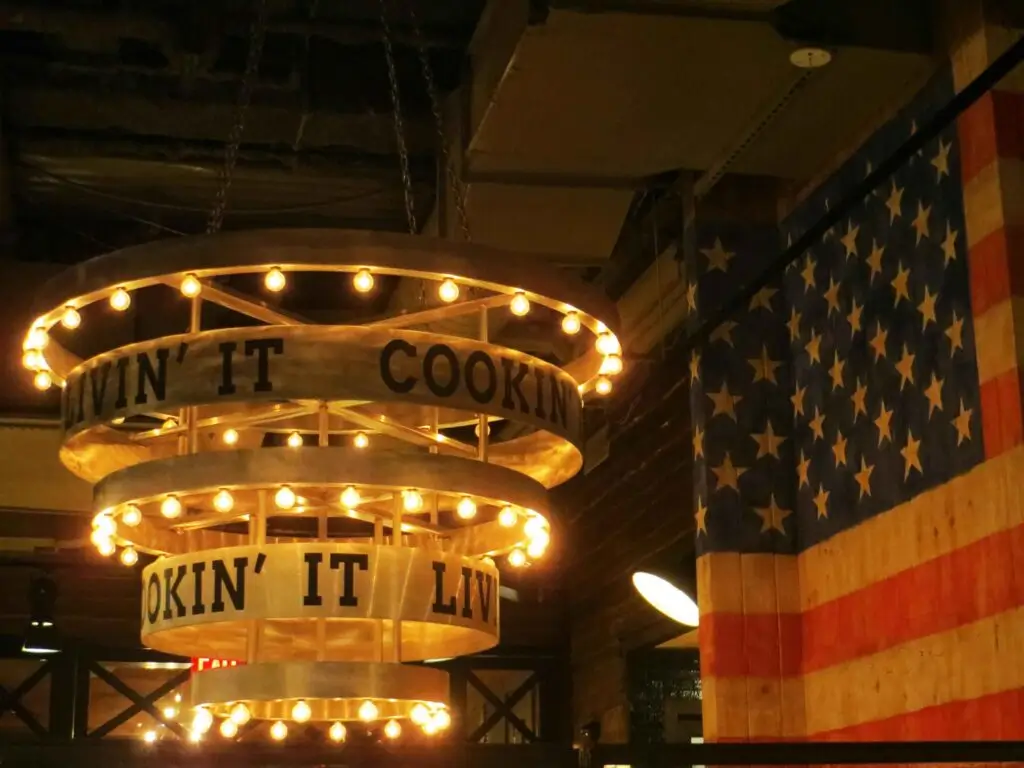
- Holidays: Portable uplights with colored filters add festive appeal.
- Private Events: Automated systems let you create the right desired mood for weddings or corporate functions.
Budgeting and Key Considerations for Restaurant Lighting Design
Lighting fixtures should be seen as an investment in customer comfort and brand identity.
- Ballpark Costs: Quality lighting solutions for restaurants range from $15–$50+ per square foot.
- ROI Analysis: Beyond energy efficiency, strategic lighting enhances the customer experience, increases time spent in dining areas, and reinforces the restaurant’s concept.
Final Thoughts: Create the Right Memorable Space
Lighting design isn’t just about fixtures—it’s about how lighting plays with architectural features, dining spaces, and the restaurant’s atmosphere. From pendant lights to strip lighting, from ambient warmth to bold neon accents, each choice contributes to the overall mood and aesthetic appeal.
By considering energy efficiency, functional areas, and the desired mood, restaurant owners can implement lighting solutions that balance practicality with style. The result? A restaurant setting that enhances the dining experience, delights guests, and stands out as the best restaurant lighting design for your concept. Learn how lighting integrates with other design elements to create a standout restaurant by visiting our Interior Design Strategies for Restaurant Success in Singapore guide.