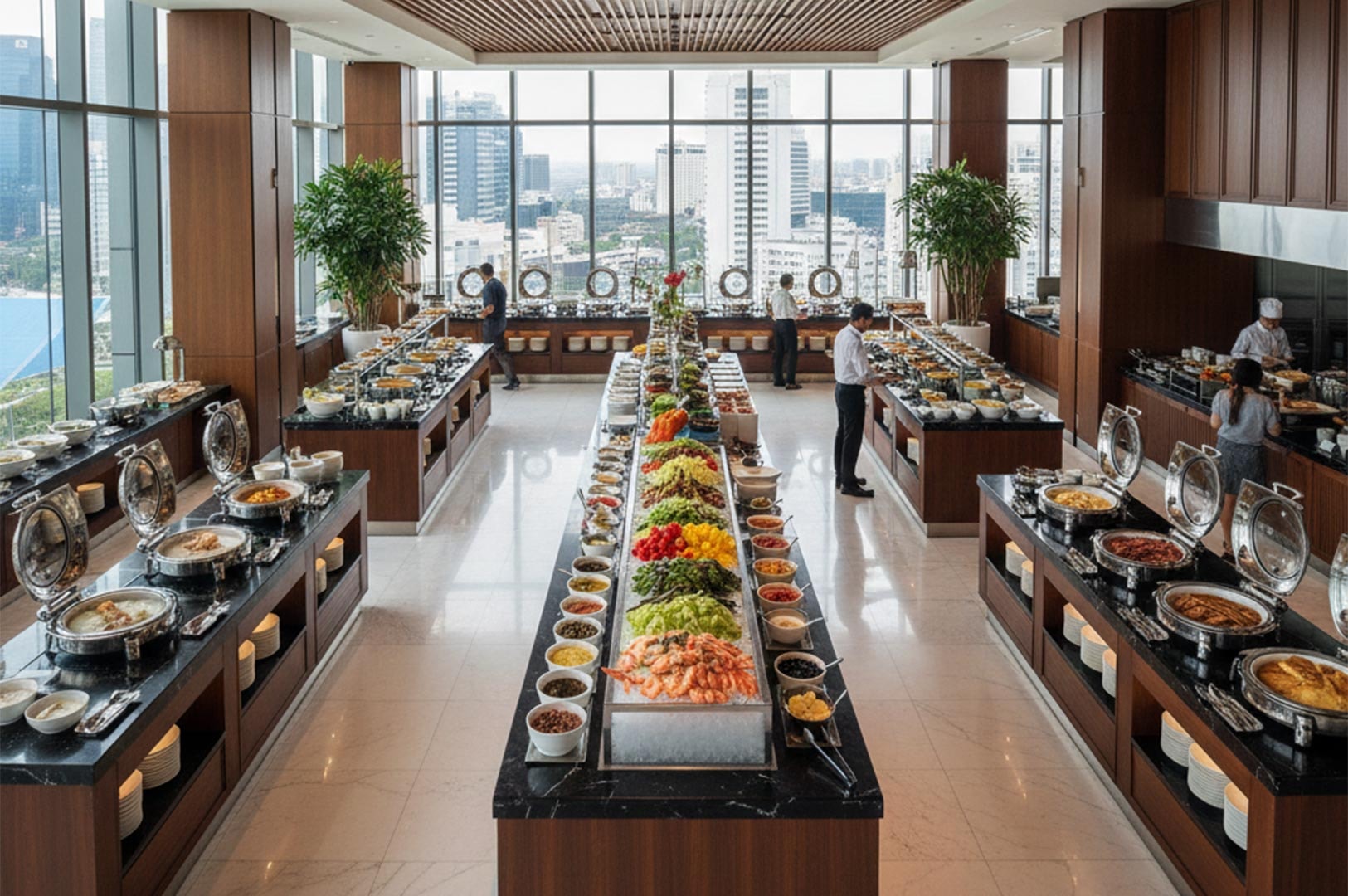

The allure of a buffet Singapore is often seen as a simple promise of abundance. A landscape of gleaming chafing dishes, vibrant salad bars, and decadent dessert spreads invites diners into a world of endless choice, where the sights of beautifully arranged dishes and the ambiance bring an extra layer of enjoyment to the experience.
Buffet dining in Singapore is also made more attractive by popular 1-for-1 promotions and exclusive discounts, which allow diners to save 50% or more on meals. Many banks offer exclusive dining deals through their credit cards, including 1-for-1 buffet offers, so it’s worth checking with your card provider. As these promotions are subject to change, kindly note that you should always contact the restaurant directly before making a reservation or booking a table.
Successful Buffet Renovations: Leading Restaurants Setting the Standard
Several renowned buffet restaurants in Singapore have recently undergone impressive renovations to elevate their dining experience, blending innovation with operational efficiency.
1. Peppermint at PARKROYAL COLLECTION Marina Bay
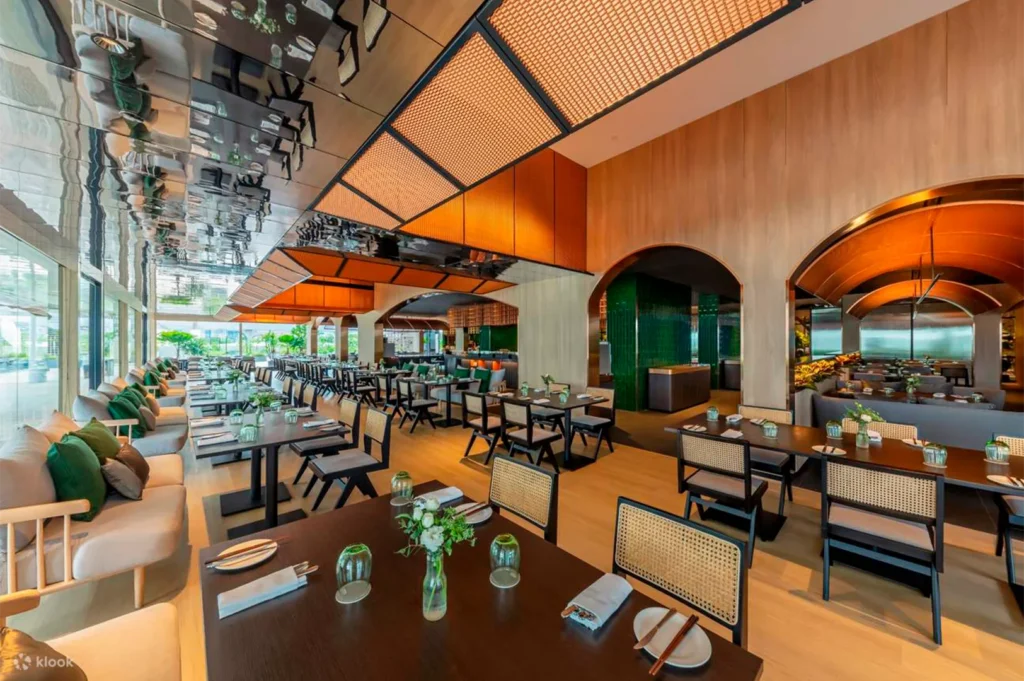
Peppermint has transformed its buffet layout to enhance guest flow and introduce new live cooking stations. This halal-certified buffet offers a wide variety of Asian and international favourites, including seafood spreads and succulent meats, all prepared with time honoured techniques. The renovation also focused on creating a family-friendly atmosphere with dedicated kids’ activities and a mini-buffet featuring favourites like Halibut Fish & Chips and Hawaiian seafood pizza. The restaurant is open daily from 6:30am until 10:00pm, providing a versatile dining destination for all occasions.
2. The Line at Shangri-La Singapore
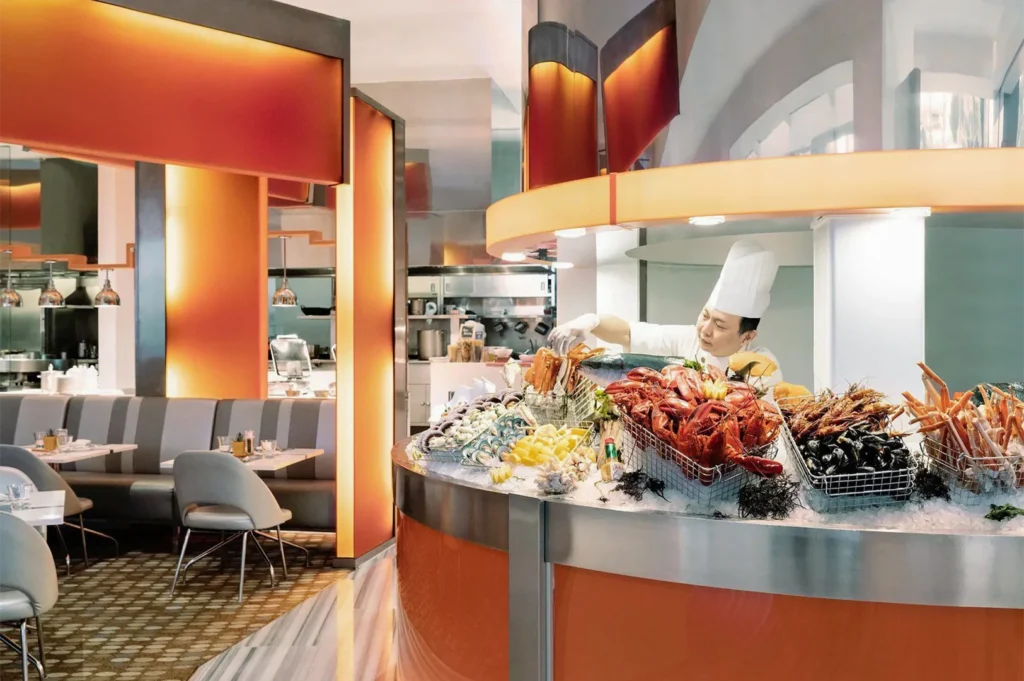
The Line, known for its vibrant and diverse international buffet, recently completed a renovation that added nine live cooking stations showcasing Middle Eastern, Indian, Western, Peranakan, and Asian delights. The upgrade improved kitchen infrastructure and seating arrangements to accommodate family gatherings and celebrations comfortably. The Line also offers enhanced kids’ menus on weekends, making it a preferred destination for families seeking a luxurious dinner buffet experience.
3. Asian Market Café at Fairmont Singapore
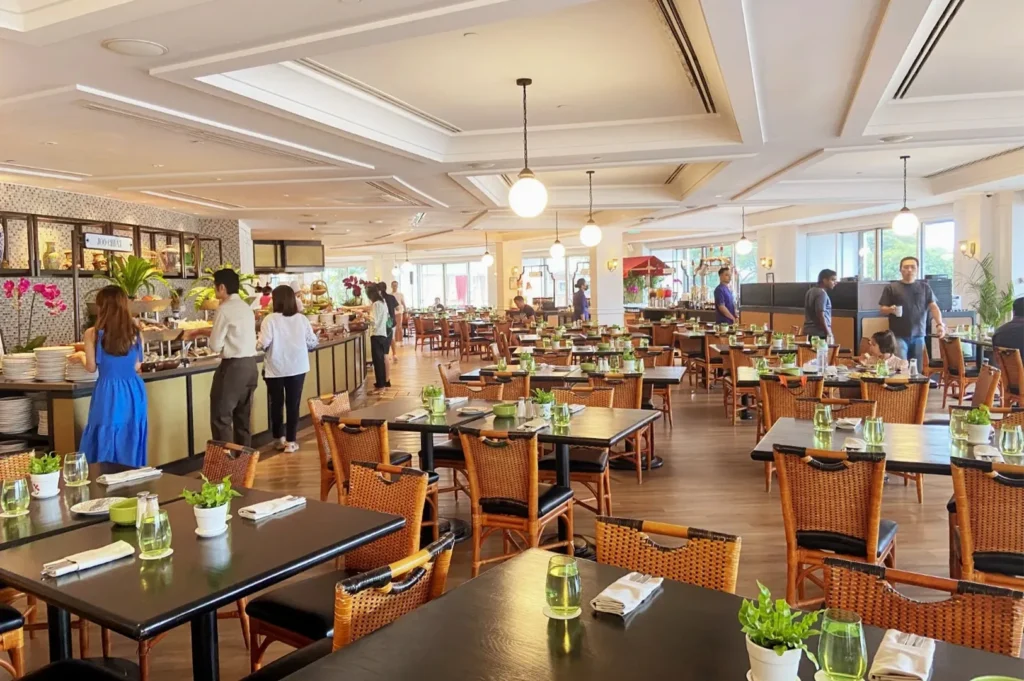
The Asian Market Café underwent a significant renovation focusing on an inclusive dining experience with halal-certified dishes from across Asia. The refreshed space features live cooking stations and an expanded menu that highlights authentic flavours prepared with fresh ingredients and time honoured techniques. Its strategic layout improvements ensure smooth guest movement and a welcoming ambiance for group celebrations.
4. Edge at Pan Pacific Singapore
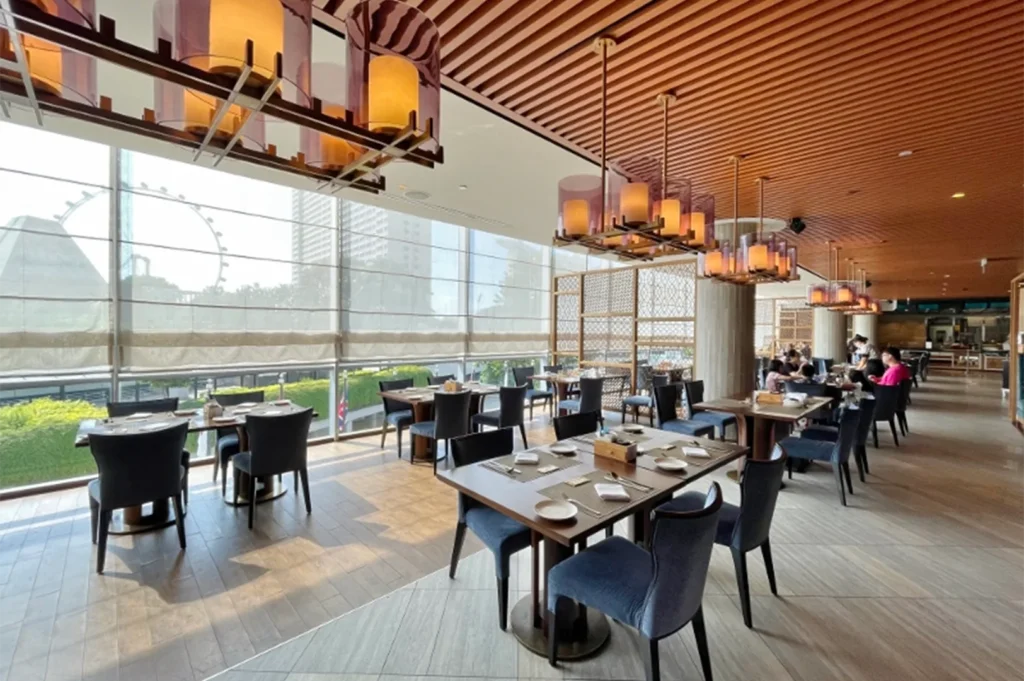
Edge is celebrated for its innovative “Seven Open Kitchens” concept, offering a dynamic mix of Asian, Western, Indian, and Indonesian dishes. Recent renovations enhanced its infrastructure to support interactive live stations such as fresh sashimi and grilled steaks. The upgrades also improved ventilation and energy efficiency, ensuring a comfortable and engaging buffet experience.
5. Basilico at Regent Singapore
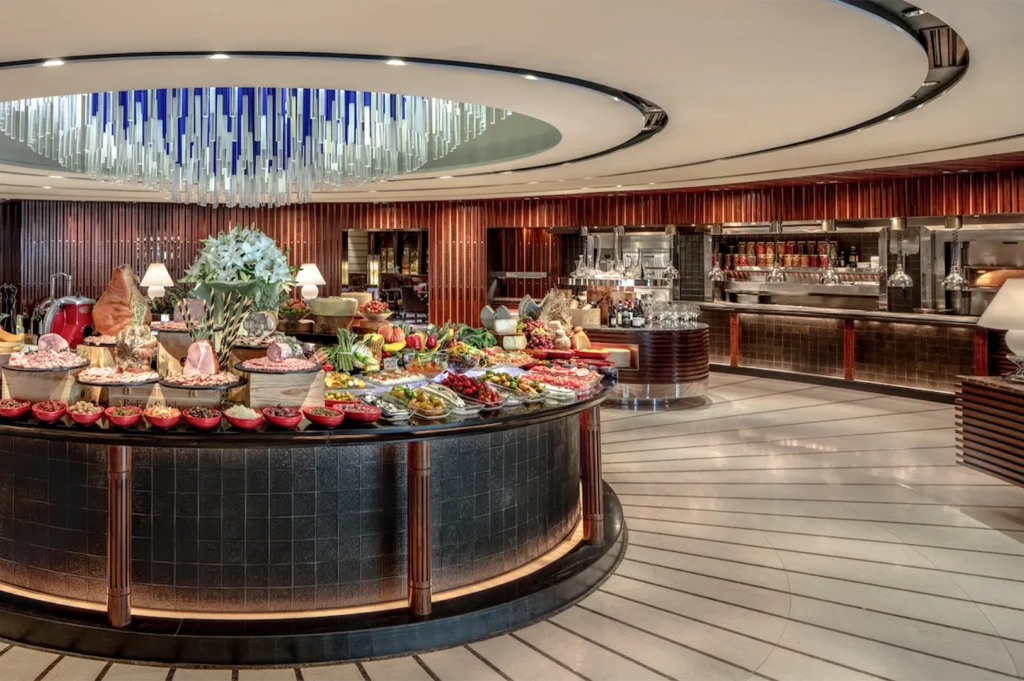
Basilico is renowned for its top-tier Italian cuisine, offering a refined semi-buffet experience and a popular Sunday brunch that draws both locals and tourists. The recent renovation focused on enhancing the elegant ambiance and optimizing the buffet layout to allow seamless service and a comfortable dining experience. Guests can indulge in authentic Italian dishes prepared with fresh ingredients and traditional recipes, making Basilico a standout choice for those seeking a high-quality buffet Singapore experience with a European flair.
Types of Buffet Options: From Halal Buffet to À La Carte Choices
The Allure of Peppermint: A Buffet That Understands You
When we step into Singapore’s buffet scene, there’s something magnetic about how Peppermint draws us in; a space that seems to understand exactly what we crave before we even realise it ourselves. This restaurant creates an environment where the soft ambient lighting and thoughtfully arranged stations invite lingering conversation, where every corner feels designed to welcome both the solo diner seeking comfort and families gathering for celebration. The buffet experience becomes less about mere dining choices and more about how this space embraces every palate, every dietary preference, every cultural need, delivering a truly inclusive dining experience.
Culinary Theatre: Discovery and International Favourites
What guests notice first isn’t just the food, it’s the way these environments make them feel. We often observe how the open kitchen concepts and carefully positioned stations create a sense of discovery, where international favourites nestle alongside aromatic Asian specialties like laksa, each prepared with that kind of attention that transforms ingredients into stories. The chefs move with practiced rhythm, their creativity echoing traditions that span generations, and there’s something deeply satisfying about watching this culinary theatre unfold while the scents weave through the air around you.
Halal Buffet and Special Accommodations
For those moments when dining becomes deeply personal perhaps a halal buffet with accommodations that honour specific dietary paths or a halal-certified chocolate birthday cake specially prepared at Fairmont Singapore, these spaces seem to anticipate need before it’s voiced. We notice how the staff’s attentiveness extends beyond service to genuine care, creating an atmosphere where prior notice feels less like a requirement and more like a gentle conversation. The thoughtful approach to child pricing reflects something deeper: spaces designed to nurture family connection, where multiple generations can gather without the subtle stress of calculating every detail.
Atmosphere and Practical Considerations
There’s an undeniable energy shift on public holidays and Sundays. The lighting feels warmer, stations more abundant, turning meals into celebrations that extend from lunch to dinner buffet. From Monday through the weekend, restaurants transform, with seafood glistening and vegetarian options thoughtfully arranged, each station offering pleasant surprises that invite exploration.
Practical elements like no outside food permitted and parking considerations serve as gentle boundaries preserving the atmosphere. Staff handle these with graceful firmness, maintaining the space’s integrity while ensuring guests feel cared for.
Why Buffet Singapore Layouts Demand Continual Renovation
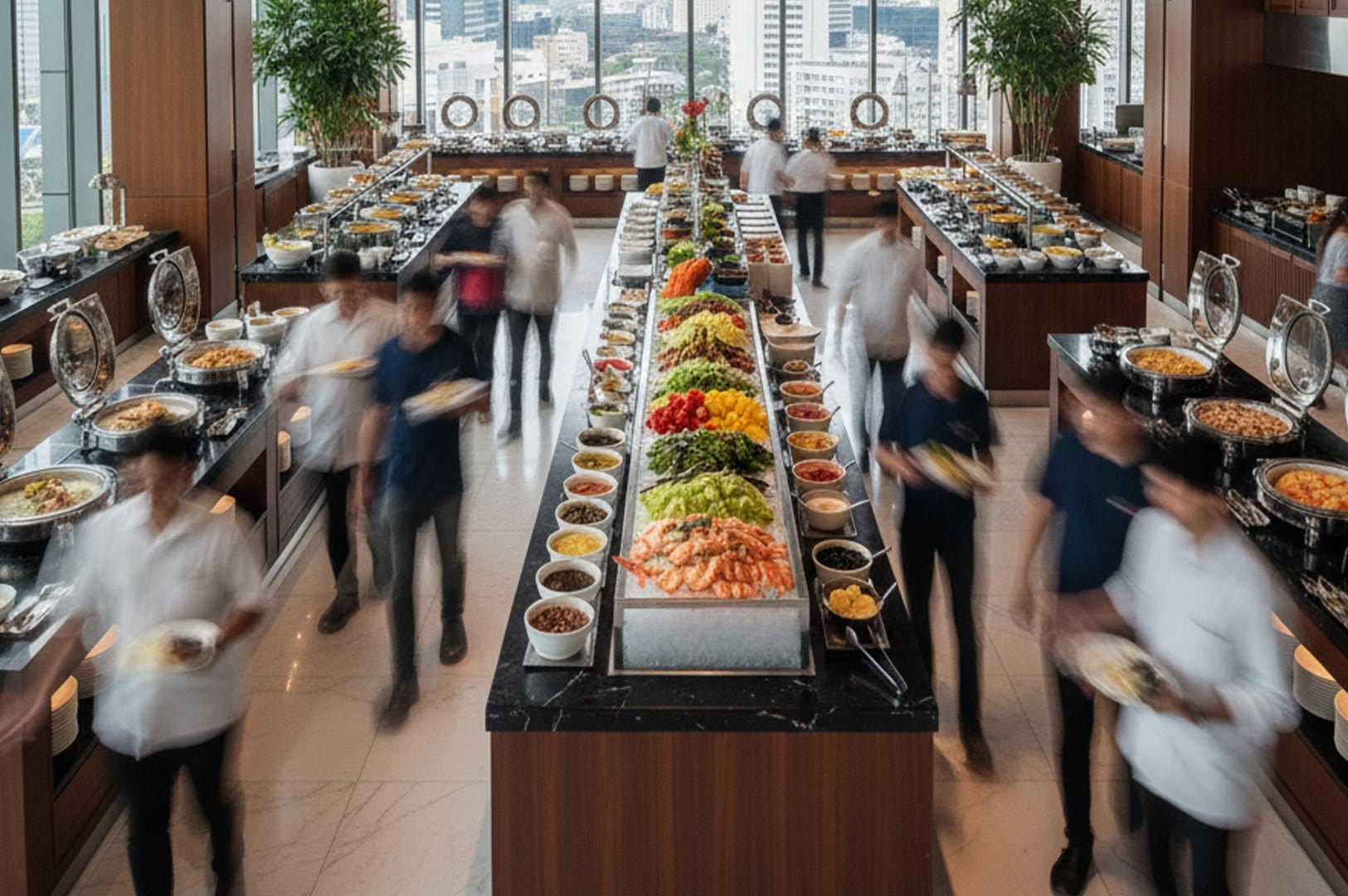
A buffet’s layout is never truly static. It must evolve to meet changing customer expectations, new food trends, and the simple, unavoidable effects of wear and tear. A restaurant renovation Singapore project for a buffet is rarely just about aesthetics; it’s about re-engineering the space for better performance.
The Science of Traffic Flow in Buffet Singapore
Operators study diner movement to identify congestion points like dessert stations near entrances or crowded seafood sections. Renovations address these issues by reconfiguring layouts to improve traffic flow, widen aisles, and create distinct cuisine zones, ensuring guests can easily access buffet stations and seating.
Evolving Tastes and Live Stations
Modern buffets feature interactive live stations such as made-to-order pasta, fresh sashimi, or grilled steaks, often highlighted during festive occasions. Incorporating these stations requires major renovations, including new utilities and ventilation, to balance efficiency with engaging presentation.
The Financial Realities of a Dinner Buffet Renovation in Singapore
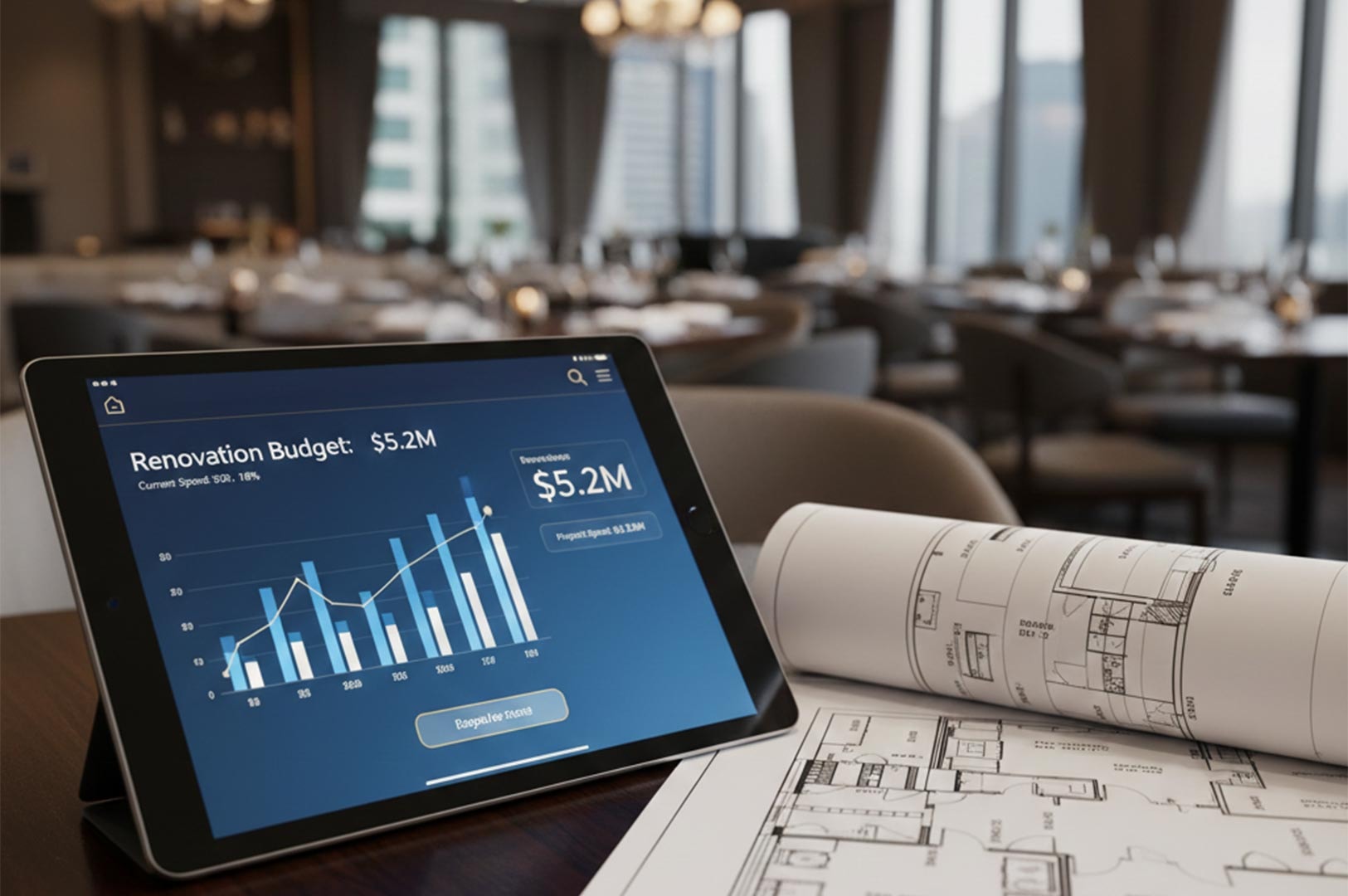
The cost drivers for a dinner buffet renovation are substantial. The investment in specialized equipment, the complexity of the MEP (Mechanical, Electrical, and Plumbing) systems, and the sheer square footage of materials required make these projects capital-intensive. It’s not a simple cosmetic upgrade; it’s a heavy-duty industrial project disguised in a hospitality setting.
For operators, funding such a large-scale project can be a daunting prospect. Securing renovation financing or access to exclusive dining promotions can make it easier to manage costs. Halting operations means a complete stop to all revenue, yet using operational cash flow to fund the renovation can leave the business dangerously exposed. This is the critical juncture where F&B renovation financing becomes a strategic enabler. Interest rates associated with renovation loans or savings accounts used for funding renovations can significantly impact the overall cost, so comparing offers is essential. Additionally, using financial apps can help manage renovation loans and access exclusive dining deals, streamlining both financial planning and rewards.
An Inclusive Dining Experience: A Continuous Cycle of Reinvestment
Top buffet operators see their restaurants as evolving products, anticipating changing tastes, worn equipment, and the need for periodic renewal to stay competitive. This reinvestment is part of their long-term strategy. Hotels often enhance the buffet Singapore experience with special events and international cuisine nights attracting locals and tourists alike.
Buffets schedule themed promotions on specific days, such as Monday for Asian or halal buffets, Friday for weekend deals, Saturday for family-friendly seafood or brunch, and Sunday for vibrant sunset dining. Holiday eves feature exclusive menus and festive celebrations, popular for group gatherings.
Renovation is viewed proactively, as an investment to boost efficiency, introduce new concepts, and reinforce brand quality. Your buffet’s space is the business engine, requiring regular upgrades and smart funding to ensure lasting success in Singapore’s dynamic buffet market.
For expert guidance on planning and financing your buffet renovation, visit Restaurant Renovations.