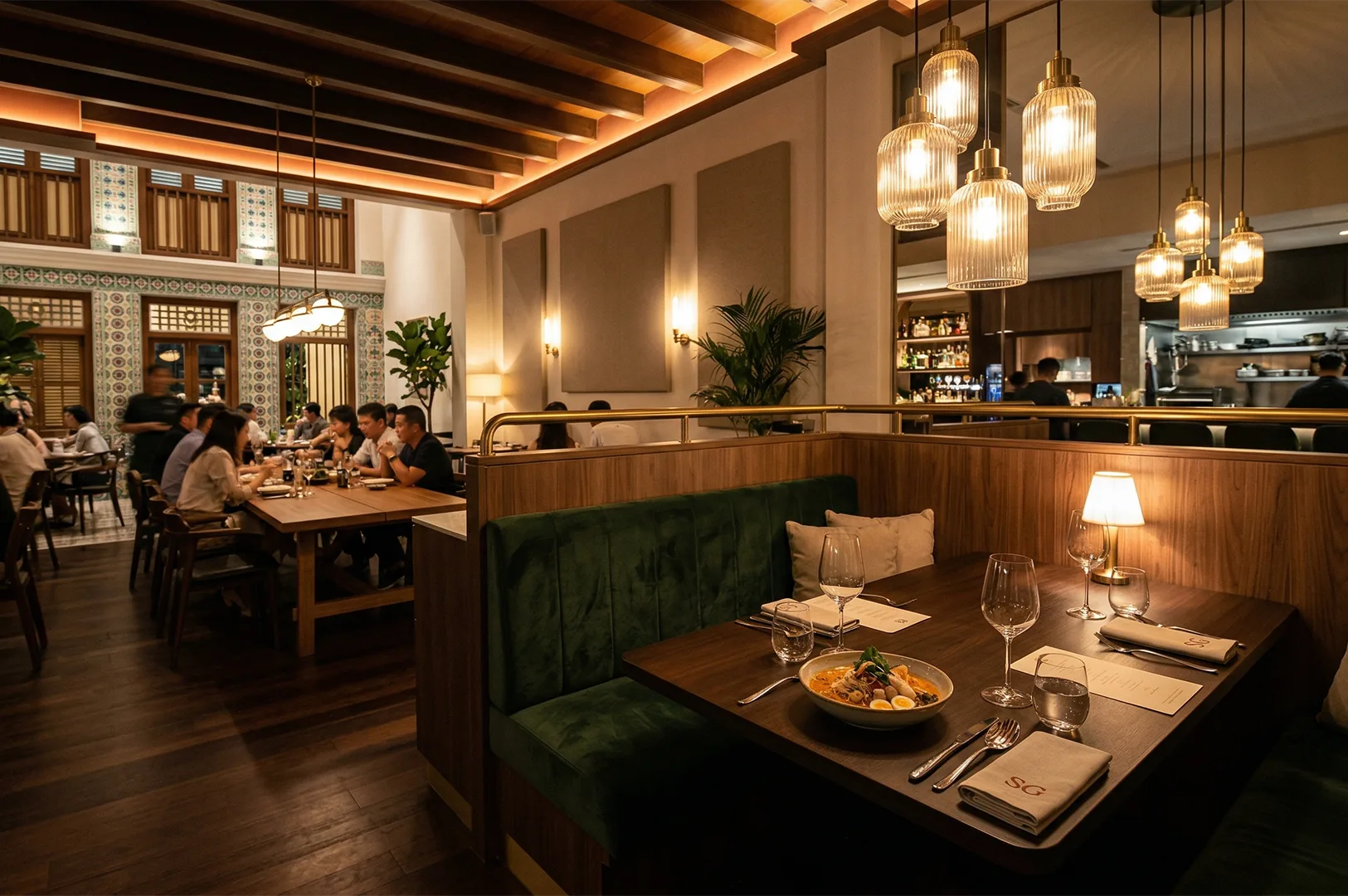

Every restaurant owner wants the same thing after renovation. Better margins.
But there is a fear that comes with every price increase. What if regulars stop coming? What if they say the place has become “too fancy”? What if the upgrade looks expensive but feels less authentic?
In Singapore, where diners are price-aware and spoiled for choice, raising prices after renovation is possible, but only if the renovation increases perceived value in the right way. People do not pay more for new tiles. They pay more for a better experience.
Perceived value is built through signals. When guests walk in, they look for cues that justify your pricing:
- Is the space comfortable?
- Is the seating more private?
- Is the lighting flattering?
- Does service feel smoother?
- Does the menu feel easier to trust?
If your renovation improves these signals, guests accept higher prices more easily. If it only changes aesthetics, they push back.
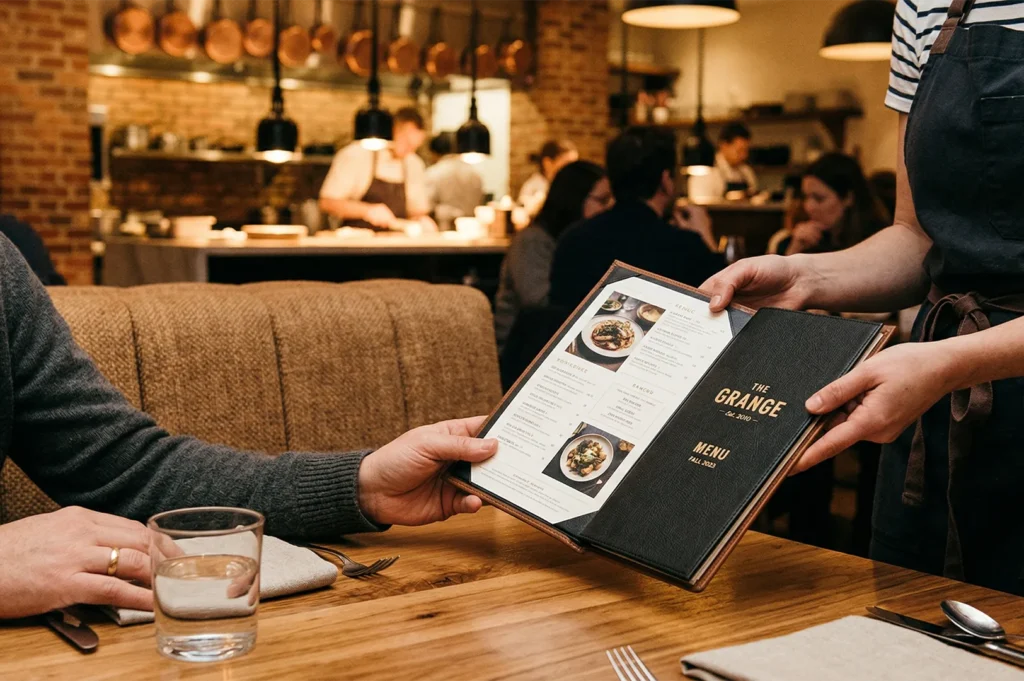
One mistake is overdesigning. If your regulars loved your restaurant for warmth and familiarity, a cold luxury makeover can alienate them. The goal is not to become a different brand. The goal is to become a better version of the same brand.
This is why successful renovations preserve emotional anchors. Maybe it is the open kitchen view, the signature communal table, or a familiar colour palette. Keep one or two elements that regulars recognise. Then upgrade the parts that were causing friction, such as poor acoustics, uncomfortable chairs, or slow service flow.
Another key is communication. Do not surprise your customers with a new menu and higher prices on day one without context. Tell the story. Share what changed and why:
- Better ingredients
- Improved comfort
- Faster service
- More sustainable materials
- Cleaner kitchen workflow
When customers understand the reason, they are more likely to support the change.
Timing matters too. If you reopen with a full price jump and no soft launch period, resistance can spike. Consider a phased approach. Introduce the new space, gather feedback, then adjust pricing in stages. This helps regulars adapt while giving you room to test demand.
Data can guide your decision. Track average spend before and after renovation by table type and time slot. If your dinner dwell time increases and dessert attachment improves, your guests are already signalling willingness to spend more. Price changes should follow behaviour, not guesswork.
For broader consumer trend insights in Singapore, the Department of Statistics Singapore publishes household expenditure and dining patterns that can help owners understand price sensitivity and spending shifts.
At the end of the day, customers are not loyal to low prices. They are loyal to consistent value. If your renovation makes the experience easier, more enjoyable, and more memorable, they will stay. Some may even spend more happily than before.A good renovation does not force higher prices. It earns them. And when you earn them, your regulars do not feel betrayed. They feel proud that their favourite place got better. Check our latest article about Renovation Return of Investment Analysis: Restaurant Renovation ROI: Which Renovations Deliver the Best Return on Investment