

Launching a new restaurant or giving your existing café a much-needed facelift is an exhilarating adventure. You can already picture the sleek bar counter, the ergonomic kitchen layout, and the cozy lighting that will keep customers coming back for more. But between that spark of inspiration and the grand opening lies a formidable challenge: securing the right funding.
Renovations and construction projects are capital-intensive journeys. Whether you’re breaking ground on a new build or breathing new life into an existing landed property, the costs of materials, labor, and equipment can quickly drain your cash reserves. Enter the hero of your story; a construction loan. For many Singapore business owners, this specialized financing solution is the bridge that transforms dreams into thriving realities. But before you dive into financing, make sure you’re partnering with renovation contractors you can trust to safeguard your investment.
What Is a Construction Loan? Understanding Your Financing Options
A construction loan is a short-term financing solution designed specifically to cover the costs of building or renovating a property. Unlike traditional home loans or personal loans, which provide a lump sum of cash upfront, construction loans typically follow a progressive payment scheme tied to construction milestones.
Think of it as “milestone financing.” The lender releases funds in stages (known as loan disbursement) as specific phases of the construction are completed. This structure protects both the lender and the borrower, ensuring that funds are used for their intended purpose, the physical improvement of the property.
Most banks offer mortgage loan packages with varying terms, including fixed rates or packages pegged to the Singapore Overnight Rate Average (SORA). Fixed rates are often chosen by borrowers who prefer certainty in their repayment amounts, especially during periods of fluctuating interest rates. Construction loans, however, often have unique disbursement schedules and eligibility criteria, reflecting the risks and stages of the construction period.
Financing Solutions for Existing Landed Property and New Developments
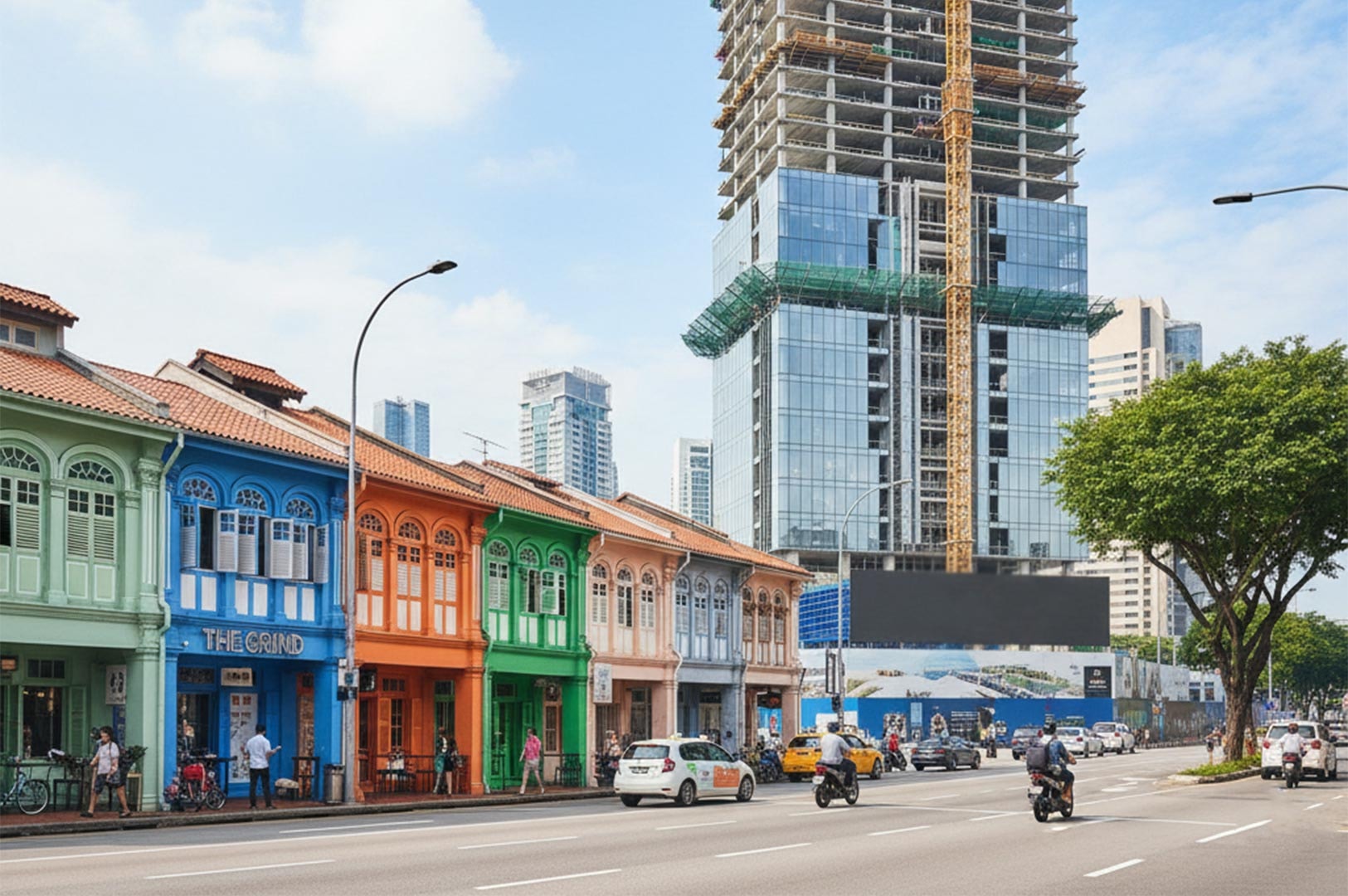
When seeking a construction loan in Singapore, various options cater to renovating existing landed properties or financing building under construction projects, covering both commercial and residential properties like condominiums.
Commercial renovation loans are commonly used by businesses for office, retail, or restaurant renovations. These loans are best suited for interior fit-outs, furniture, and minor structural works, with funds disbursed progressively to contractors upon invoice.
Bridging loans offer short-term, higher-interest financing to cover urgent cash flow gaps during early construction stages, typically with tenures ranging from one to six months. Business term loans and mortgage loan packages provide unsecured lump sums repaid over three to five years, offering flexibility for various renovation costs.
For building under construction properties, commercial property loans with a construction tranche allow borrowing against the future property value post-renovation. Financing terms vary from those for completed properties, which offer immediate availability and easier financing. Buyers can choose units or customize layouts in new launches, while resale market dynamics differ based on construction progress and location.
How Construction Loans Work: The Mechanics of Loan Disbursement and Payments
Understanding the mechanics of a construction loan can save you from cash flow surprises mid-project. Typically, the lender disburses funds in stages according to the progressive payment scheme, which aligns with the completion of key construction milestones. However, it’s important to note that various factors, such as material shortages or logistical challenges, can impact the construction timeline and delay the release of funds. This means borrowers should be prepared for potential changes in the payment schedule if such issues arise.
The progressive payment scheme is the defining feature of construction financing. Instead of receiving the full loan amount upfront, the bank releases funds progressively in various stages aligned with construction milestones. A typical schedule might begin with an upfront payment of 10-20% to cover the contractor’s deposit and material purchasing. Mid-project, 30-40% is released upon completion of structural works or mechanical and electrical installations. Near completion, another 30-40% is disbursed when carpentry and finishes are done. The final balance is released upon handover, final inspection, and issuance of the Temporary Occupation Permit.
Some construction loans offer an “interest-only” period during the construction phase, usually up to six months. During this time, you only pay interest on the amount drawn down, not the principal. This arrangement provides significant relief for borrowers by keeping monthly payments manageable before the property is fully built and ready for occupation.
Eligibility Criteria for Construction Loans in Singapore

To qualify for a construction loan, lenders will scrutinize both your financial situation and the viability of the renovation or building project. Lenders assess your contractor’s credibility, so following best practices for avoiding renovation scams protects both your loan approval and project success.
Typical eligibility criteria include the business entity being a Singapore-registered entity. Most banks require the business to have been operational for at least six to twelve months. Startups may need to rely on the personal credit strength of the directors or seek advice from alternative lenders. Ownership requirements often include at least 30% local shareholding for government-assisted financing schemes. Additionally, lenders look for good personal credit standing of the directors and a clean repayment history for the company. For building under construction projects, lenders assess the developer’s reputation and track record to mitigate risk.
Important Notice About CPF Funds and Loan Approval
Central Provident Fund (CPF) funds cannot be used for construction loans during the construction period, but they can be used later to service the mortgage portion or pay for other aspects post-renovation. Loan approval processes may also require you to demonstrate your ability to cover payments without CPF during the construction phase.
Calculating Your Loan Amount and Comparing Loan Offers

One common pitfall is underestimating the renovation or building costs. To calculate your required loan amount and compare offers effectively, it’s essential to obtain formal quotes from contractors and developers, including soft costs such as design fees, professional engineer fees, and submission fees to authorities. Since construction almost always runs over budget, adding a 10-20% contingency fund for unforeseen issues is prudent. When comparing offers, consider interest rates, repayment options, additional fees, and terms from multiple banks and lenders.
Interest Rates and Market Conditions: Fixed Rates vs. Floating Rates
Interest rates for construction loans vary based on market conditions, lender policies, and borrower risk profiles. Fixed rates are preferred by borrowers who want certainty in repayments during the construction period. Floating rates are often pegged to the Singapore Overnight Rate Average (SORA), which fluctuates with market conditions. Most banks offer floating rate packages for construction loans.
Mortgage Repayment Schemes: Planning Your Payment Strategy
When acquiring a property still taking shape through construction, crafting a meticulous mortgage repayment strategy is essential to harmonize your financial well-being while preserving economic stability. In Singapore’s refined property market, those who seek building-under-construction properties encounter curated mortgage repayment schemes, each thoughtfully designed to complement diverse financial philosophies and project timelines.
Benefits of Using a Construction Loan to Build Your Dream Home or Business Space

Utilizing a construction loan allows you to manage cash flow effectively by financing the renovation or construction, preserving working capital for other operational expenses. Compared to personal loans, construction loans typically offer lower interest rates and better terms. The progressive payment scheme reduces financial burden by aligning payments with construction milestones. Additionally, after the construction phase and issuance of the Temporary Occupation Permit, some loans can be converted into traditional home loans or mortgage loans with the same bank.
The Importance of Developer’s Reputation and Choosing the Right Lender
When financing a building under construction or renovation, assessing the developer’s reputation and track record is crucial. A reputable renovation company reduces the risk of delays or quality issues that can affect loan disbursement and your investment. Similarly, choosing the right lender whether a bank or alternative financing provider ensures you receive competitive loan offers, transparent terms, and support throughout the loan approval and construction period.
Conclusion: Secure Financing and Build with Confidence
A construction loan is a powerful financing solution that enables you to build or renovate your dream home or business property without overwhelming your cash flow. By understanding eligibility criteria, loan options, interest rates, and the progressive payment scheme, you can navigate the financing process confidently.
Pair your financing strategy with thorough contractor vetting to ensure your renovation journey is safe and successful. Seek advice from financial professionals to tailor your loan to your unique financial situation and project scope. Compare offers from most banks and lenders to secure the best terms, and ensure your developer has a strong reputation and track record. For expert guidance and trusted services, visit Restaurant Renovations SG to make your dream renovation a reality.