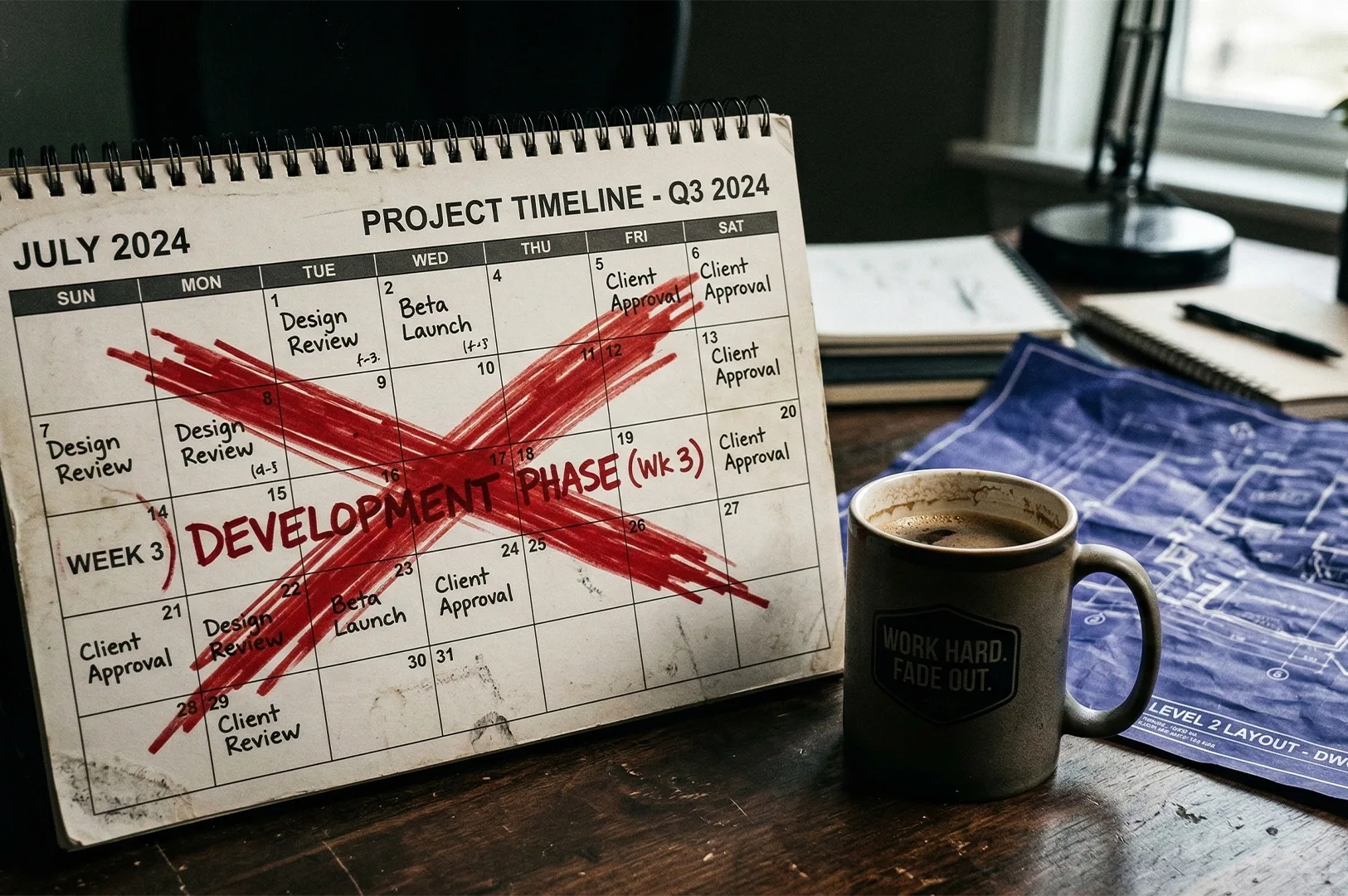

If you’ve ever been through a commercial F&B renovation, you know how crucial the construction timeline is. I’ve been there—signing a contract for what’s supposed to be an eight-week build, planning the reopening date, lining up marketing, onboarding staff, and working out cash flow projections. But when that eight-week timeline stretched into nine months, the stress was overwhelming. It wasn’t just a delay—it became a financial disaster that nearly sunk the entire concept before we even opened the doors.
Going through that experience made me realize just how important it is to understand the reasons behind these catastrophic delays. If you’re planning a renovation or new build, it’s vital to grasp the financial risks and operational pitfalls that come with underestimated downtime.
The True Cost of Delays
I learned the hard way that the cost of a delayed renovation isn’t just about the final contractor bill. Every single day that your space stays closed burns cash—rent, insurance, management salaries—all while bringing in zero revenue. I underestimated how quickly that cash burn could drain resources.
A 20% overrun on construction materials? That’s manageable. But an unexpected six-month delay? That completely wiped out our working capital. When we finally reopened, we were too underfunded to do things right. We had to cut corners on inventory, reduce marketing efforts, and scrape by on staffing—just to survive those first few months.
Why Construction Timelines Collapse
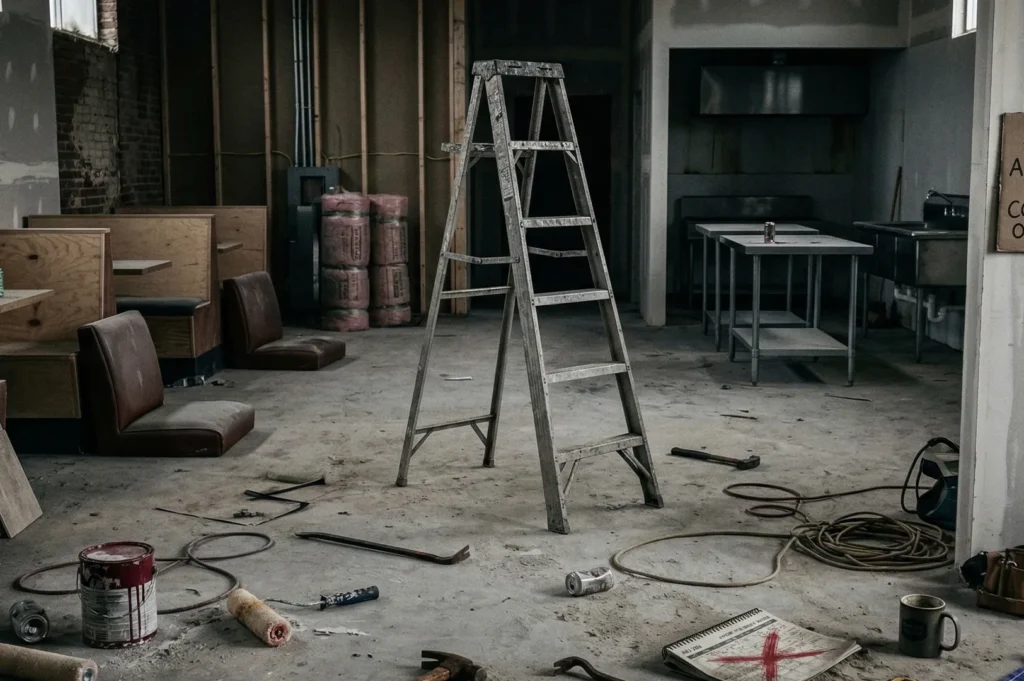
In hindsight, I now see the key reasons our renovation went so far off track. It came down to three major issues.
Choosing the Wrong Contractor
We went with the contractor who gave us the lowest bid—rookie mistake. It turned out they didn’t have the capital to buy materials upfront or keep a dedicated team on our project. They juggled too many jobs at once, and we repeatedly found our site sitting idle for days, sometimes weeks. Every missed milestone added up, and we paid the price for it.
Scope Creep Is a Killer
I also fell victim to scope creep. I remember thinking, “While we’re at it, why not add another service station?” or “Let’s switch to that premium flooring material.” Each change seemed small at the time, but every adjustment halted progress, required new materials, and sometimes even needed revised permits. The result? More delays and a timeline that spiraled out of control.
Hidden Problems with MEP Systems
One of the most frustrating setbacks came when demolition revealed issues with mechanical, electrical, and plumbing (MEP) systems. Non-compliant ductwork, outdated electrical capacities, and degraded grease traps all came to light. Fixing them meant hiring specialized contractors and waiting on municipal inspections—delays completely out of our control.
What I’d Do Differently
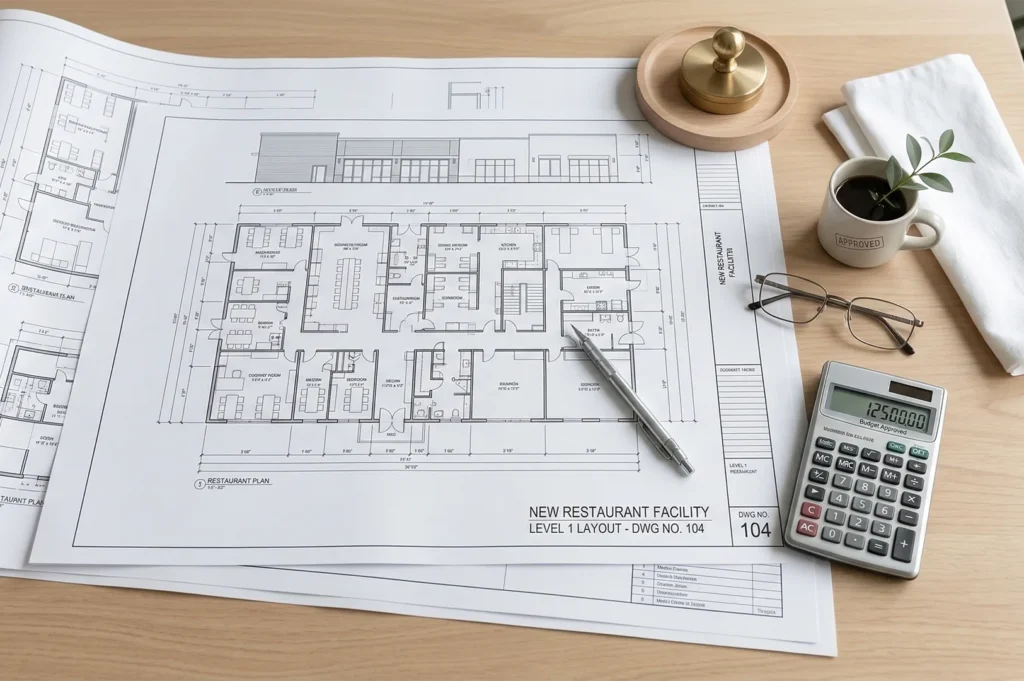
After going through this ordeal, I’ve learned a lot about how to approach renovations smarter. If I could do it over again, I’d take these steps to avoid the chaos:
- Include Penalty Clauses in Contracts: Contractors need accountability. Severe financial penalties for missed milestones would have kept my project on track.
- Lock in the Design Early: I’d freeze the design layout before demolition to avoid the costly and time-consuming “while we’re at it” changes.
- Plan for the Unexpected: Setting aside at least a 20% contingency budget and buffer for hidden MEP issues is non-negotiable. And I’d view the timeline as a best-case scenario, not a guarantee.
Renovations are never easy, but approaching them with a clear plan and financial discipline can save you from the headaches I experienced.
If you want to learn more about how strategic renovations can transform your F&B concept, check out this in-depth guide: Private Dining Singapore: The New Intimacy Reshaping Restaurants and Experiences.