
I have walked through many cafes that looked impressive for an afternoon and forgettable by the next week. The difference between a one-time visit and a loyal following rarely comes down to the coffee alone. More often, it comes down to how the space makes you feel, and whether it gives you a reason to return. Five Oars Coffee Roasters in Singapore is one of those rare places where the renovation and decor quietly do the heavy lifting. This thoughtful restaurant renovation respects the building’s heritage while creating a welcoming atmosphere.
In this piece, I want to look at Five Oars Coffee Roasters through a designer’s lens. We will explore how its heritage-led architecture, interior choices, layout, and menu integration work together to attract customers and keep them coming back to enjoy delicious items. This is a supporting study for our larger guide on the best-designed cafes in Singapore, and it offers practical lessons for any cafe owner thinking about renovation.
Five Oars Coffee Roasters and the Power of Heritage Architecture
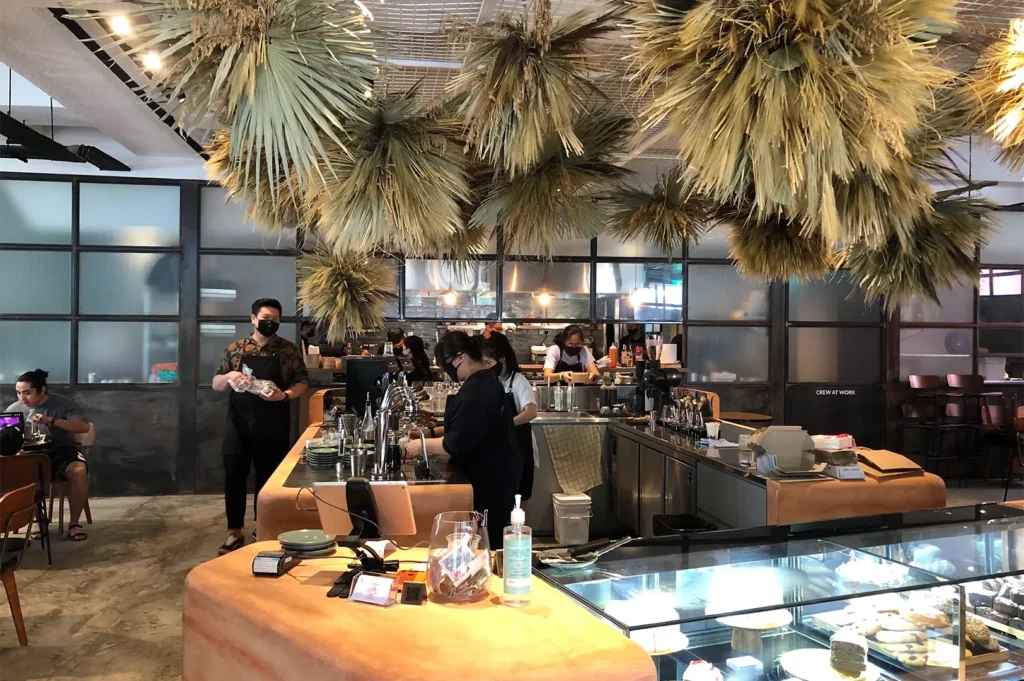
The strongest design decision at Five Oars Coffee Roasters happened before any furniture arrived. It was the choice to respect the building itself. Set within the conservation district near Tanjong Pagar, the cafe occupies a shophouse where the original character was preserved rather than erased.
High ceilings, exposed beams, and aged brick walls give the space a depth that new builds struggle to imitate. When I first stepped inside, I felt the weight of the building’s past in a comforting way. This is the heart of the five oars coffee roasters heritage story: the renovation treated the old structure as an asset, not a problem to cover up.
From the street, the exterior signage and shophouse facade do real work. They signal craft and longevity before a customer even orders a coffee. That kind of honest, heritage-forward presence draws attention far more effectively than a loud, trend-chasing storefront, especially on busy public holidays.
Interior Aesthetic: How Oars Coffee Roasters Balances Warmth and Function
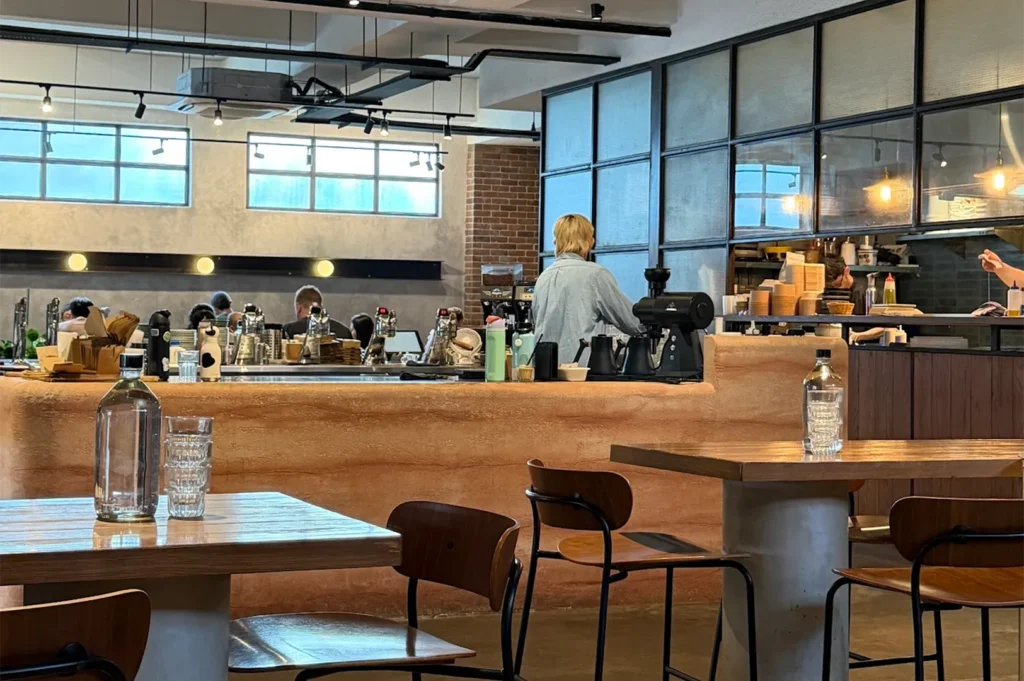
Inside, the design walks a careful line between modern function and heritage charm. Warm timber furniture and mahogany tones soften the industrial bones of the shophouse, while soft lighting keeps the mood relaxed throughout the day. Nothing feels overdone, which is exactly why it works.
The material palette matters here. Timber, brick, and metal create texture and contrast, and the curated wall details add personality without clutter. As a designer, I appreciate restraint, and the oars coffee roasters interior shows a clear understanding of when to stop adding.
The open coffee bar sits as the visual anchor of the room. Customers can watch the coffee roasters and baristas at work, which turns preparation into quiet theatre. This open kitchen approach builds trust and gives solo visitors something engaging to observe while they wait, perhaps enjoying a hashbrown or a sweet treat.
Layout, Circulation, and Flow at Five Oars Coffee
Good layout is invisible when it works and frustrating when it fails. At five oars coffee, the circulation feels considered. There is a natural path from the entrance toward the counter, with enough room for customers to queue, order, and move without crowding those already seated.
The seating mix is one of its smarter design choices. Communal tables welcome larger groups and casual community gatherings, while smaller solo spots suit those who want to work or read quietly. This variety lets the cafe serve different customer needs within the same footprint.
Why it matters: when a cafe offers both comfort and clear flow, customers linger longer and feel less rushed. That sense of ease is what separates a quick stop from a place people genuinely want to settle into for brunch or an afternoon coffee. It’s no surprise that first-time visitors often join regulars in coming back.
Menu Integration: How Oars Coffee Complements the Design
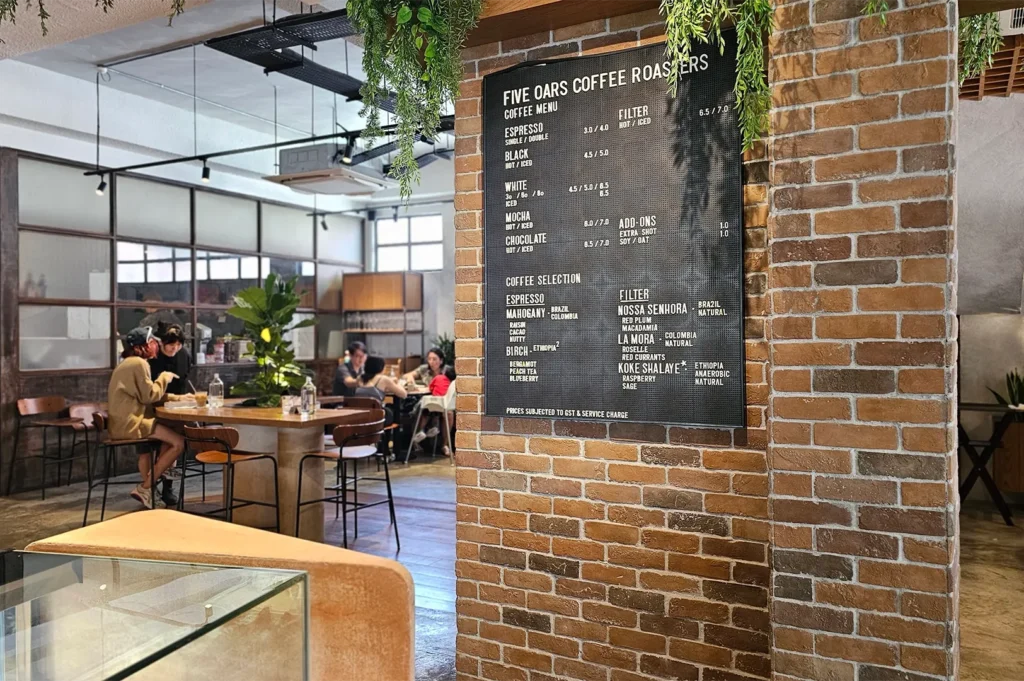
A thoughtful renovation should support the menu, not compete with it. At oars coffee, the food and drinks feel at home within the heritage-industrial setting. The all-day menu and dinner service give the space multiple personalities without forcing a redesign for each daypart.
The open coffee bar doubles as a functional centerpiece, tying the coffee program to the visual identity of the room. Brunch favourites such as baked eggs, smoked salmon rosti, and corned beef hash arrive plated with the same understated confidence the interior projects. The presentation feels considered, never fussy.
Creme Brulee French Toast and the Visual Language of the Space
Some dishes simply belong to a room. The creme brulee french toast is a good example, its caramelised top catching the soft light in a way that suits the warm timber backdrop. It photographs beautifully, and that visual coherence between food and setting is no accident.
The wider menu plays the same game well. Five oars waffles and oars waffles carry that same homely, comforting tone, while richer plates like iberico pork benedict and a hearty steak suit the evening mood. The design and the plating speak the same quiet language.
Mentaiko Mac and the All-Day Appeal
Comfort-driven dishes extend the cafe’s reach across the day. The mentaiko mac, with its layer of savoury cheese, sits comfortably alongside lighter brunch options built around avocado, eggs, bacon, and toast. This range keeps the space relevant from breakfast through the night hawk hours.
Heavier evening plates such as seafood paella, seafood aglio olio, beer battered fish with chips, and a mushroom medley shift the energy without demanding a new fit-out. Add crab meat pasta and a salmon rosti to the mix, and the menu proves the design can carry both a relaxed daytime crowd and a fuller dinner service. Pastries and a steady run of drinks round out the offering nicely.
An Honest Oars Coffee Roasters Review of the Customer Experience
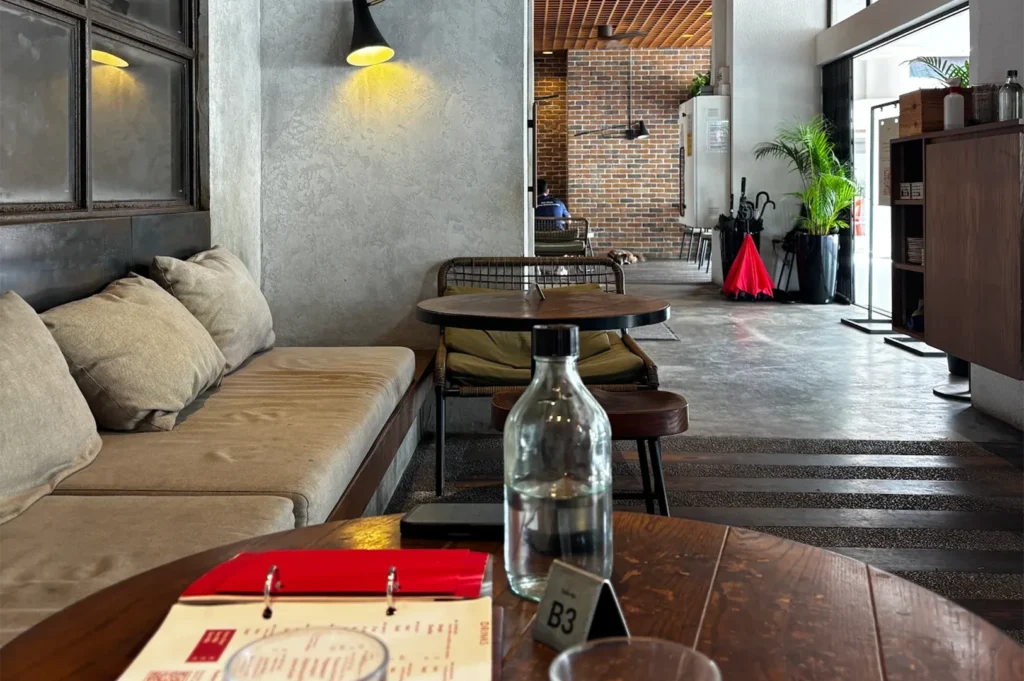
When I consider this as an oars coffee roasters review focused on design, the customer appeal becomes clear. People return because the atmosphere is comfortable, the lighting flatters both the food and the room, and there are memorable moments built into the space itself.
Real customer observations tend to echo this. Visitors often mention how the heritage details make the place feel grounded, how easy it is to sit for hours, and how the open kitchen adds life to the room. These are design outcomes, not lucky accidents.
The photogenic elements help too, though they never feel like the point. The brick walls, the timber surfaces, and the coffee bar create natural backdrops that customers share on platforms like Facebook, which quietly extends the cafe’s reach within the local community.
Five Oars in Tanjong Pagar: Why Customers Keep Returning
Location and design reinforce each other here. In the Tanjong Pagar area, where heritage shophouses and modern offices sit side by side, five oars fits its surroundings rather than fighting them. That contextual honesty is part of why it feels permanent rather than passing.
Repeat visits also come from practical comfort. Reasonable opening hours, a clear sense of last orders, and a layout that handles both quiet mornings and busy weekends mean customers can rely on a consistent experience. Reliability, supported by good design, is a powerful retention tool.
Why it matters: customers rarely return for novelty. They return for places that feel familiar, comfortable, and worth their time, and the renovation here delivers exactly that.
Renovation Lessons for Coffee Roasters and Cafe Owners
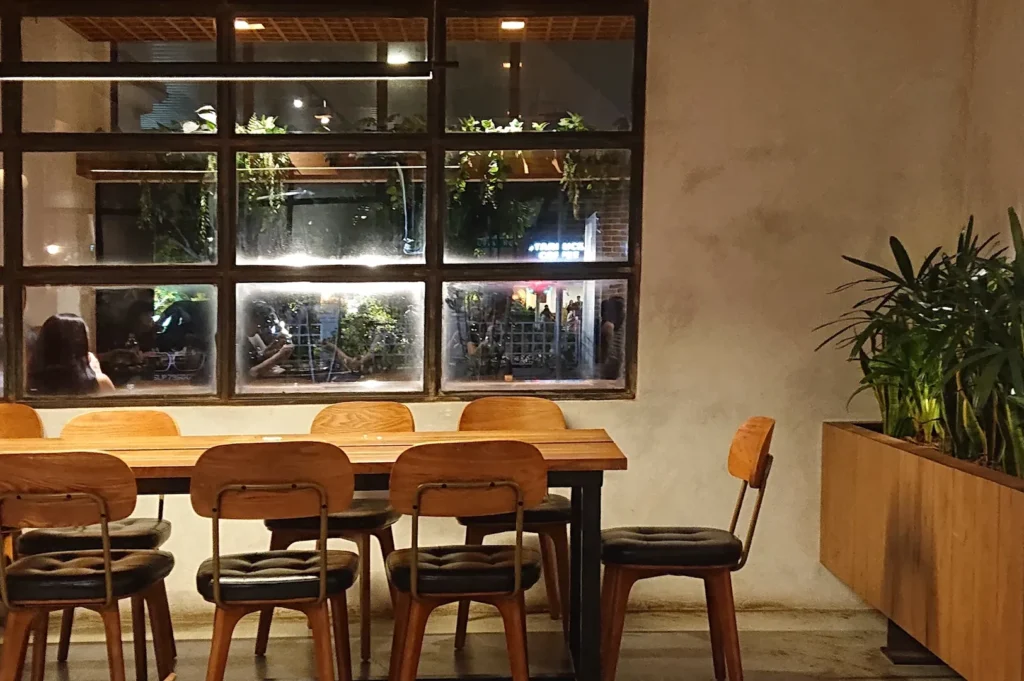
For owners planning their own projects, this cafe offers several clear takeaways. First, preserve what gives your building character. Original ceilings, beams, and brickwork are difficult to fake and instantly add depth.
Second, design one strong centerpiece. The open coffee bar gives the room a focal point and turns daily operations into part of the customer experience. Third, plan your seating for variety, so solo guests, couples, and community groups all feel welcome.
Finally, make sure your menu and your space share a visual language. When the plating, the materials, and the lighting agree with one another, the whole experience feels intentional. That coherence is what most cafes miss, and it is what supports both customer satisfaction and steady business performance.
Brewing Up a Lasting Impression: The Final Thoughts on Five Oars Coffee Roasters
Five Oars Coffee Roasters succeeds because its renovation was led by respect for the building and clarity about the customer experience. The heritage architecture draws people in, the interior keeps them comfortable, and the menu integration ties everything together. None of it relies on hype, and that restraint is precisely its strength.
Five Oars Coffee Roasters demonstrates how cafe design can turn a historic space into a destination that customers return to. For more examples, see our guide to 11 Best-Designed Cafe Singapore Owners and Customers Actually Love to Return To.