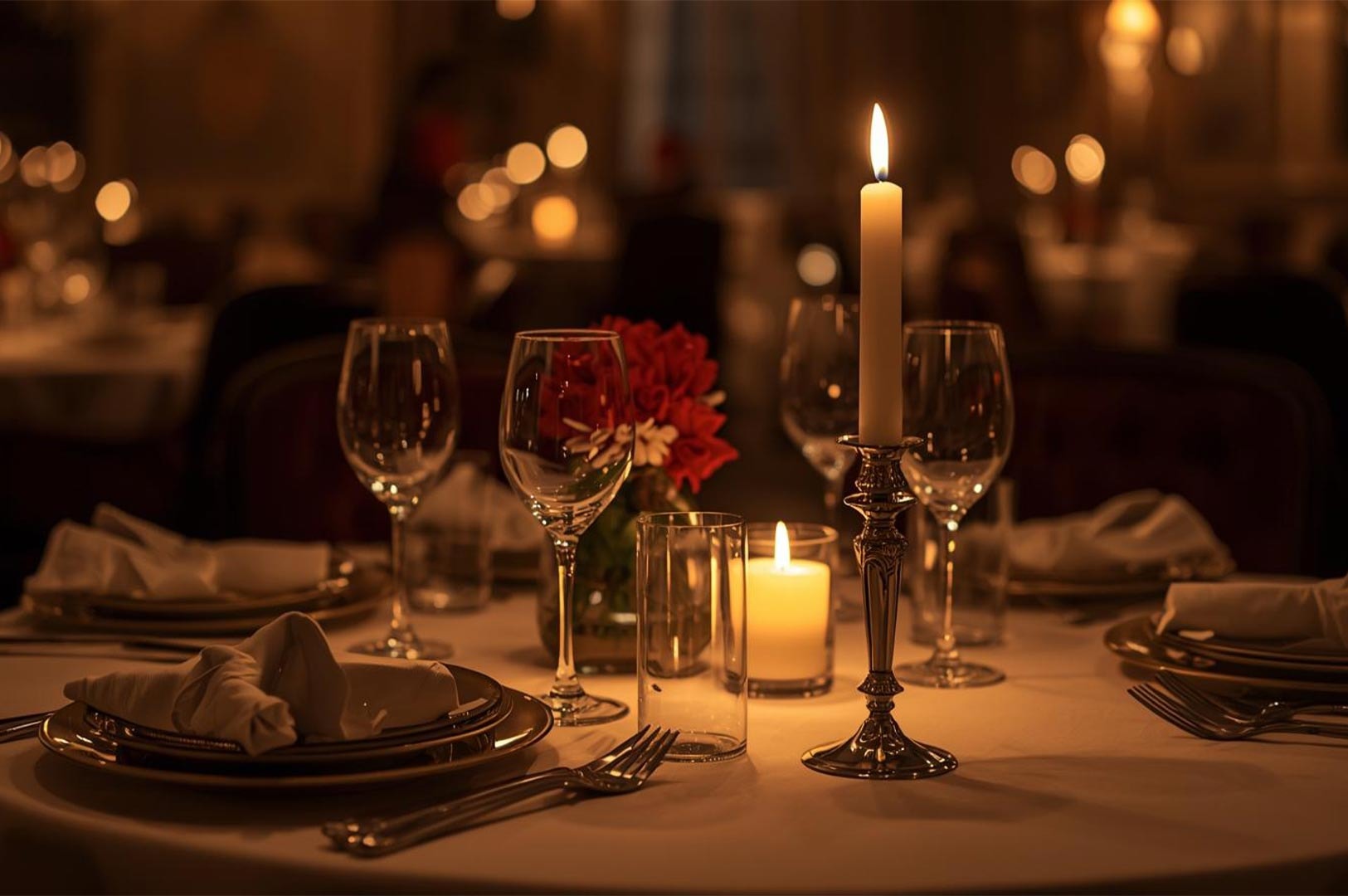

There’s a subtle shift happening in Singapore’s dining landscape. Beyond the lively hum of main dining rooms, behind discreetly sliding doors and partitioned alcoves, a new kind of private dining experience is taking center stage. The demand for private dining in Singapore has moved beyond a niche offering for corporate events into a mainstream expectation for everything from special occasions to intimate gatherings and private parties. For restaurant owners, this is not just a trend in service; it is a fundamental challenge to the very architecture of their spaces.
This growing appetite for exclusivity requires more than just a curtained-off corner. It demands a thoughtful, and often significant, investment in physical transformation. Creating these sanctuaries of privacy involves complex spatial planning, specialized acoustics, and distinct design narratives, all elements that fall under the scope of a restaurant renovation Singapore project. As operators look to meet this demand, they are quickly discovering that the path to creating successful private dining rooms is paved with crucial decisions about design, construction, and, most importantly, financing.
6 Successful Restaurant Renovations Featuring Private Dining in Singapore
Several restaurants in Singapore have successfully embraced the private dining trend through innovative renovations, transforming their spaces into coveted private dining destinations:
1. Lucky House Cantonese Private Kitchen
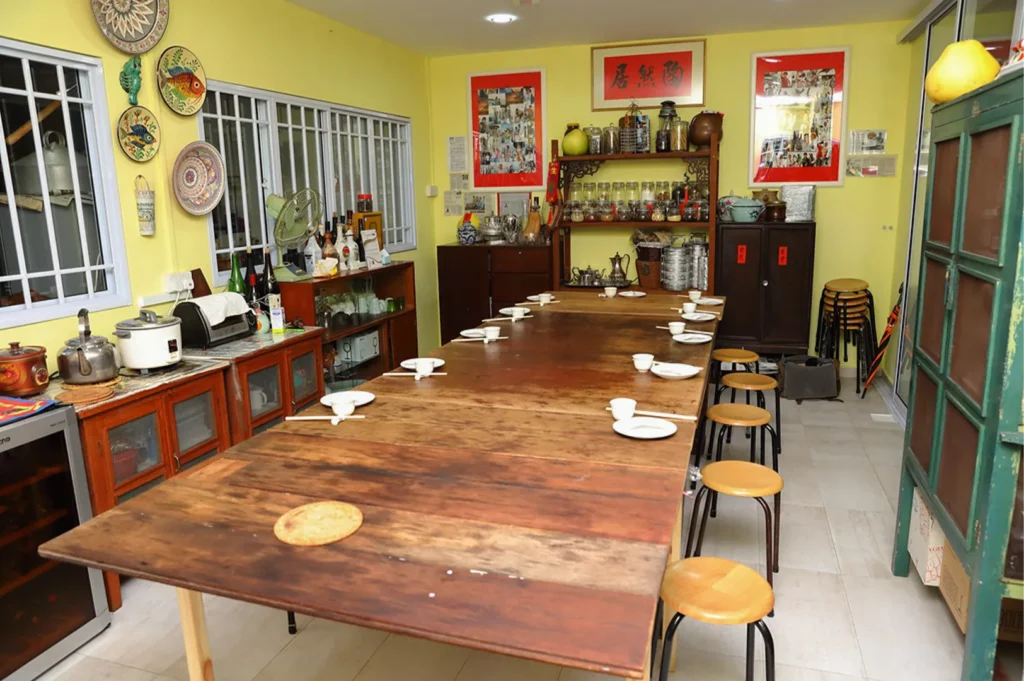
This private dining spot in Singapore underwent a thoughtful renovation to create intimate private rooms adorned with traditional décor, providing a cozy and authentic private setting for lovers of Cantonese cuisine. The renovation enhanced the dining experience by balancing privacy with a warm, welcoming atmosphere filled with natural light. The success of Lucky House lies in its ability to combine homestyle flavors and signature dishes like concubine chicken, sambal prawns, and crayfish omelette with a refined dining environment, making it a favorite for both family gatherings and business dinners. Guests can expect a delicious meal served in a private room that accommodates various sizes of groups, perfect for special occasions and intimate parties.
2. Wala Pizza Private Dining
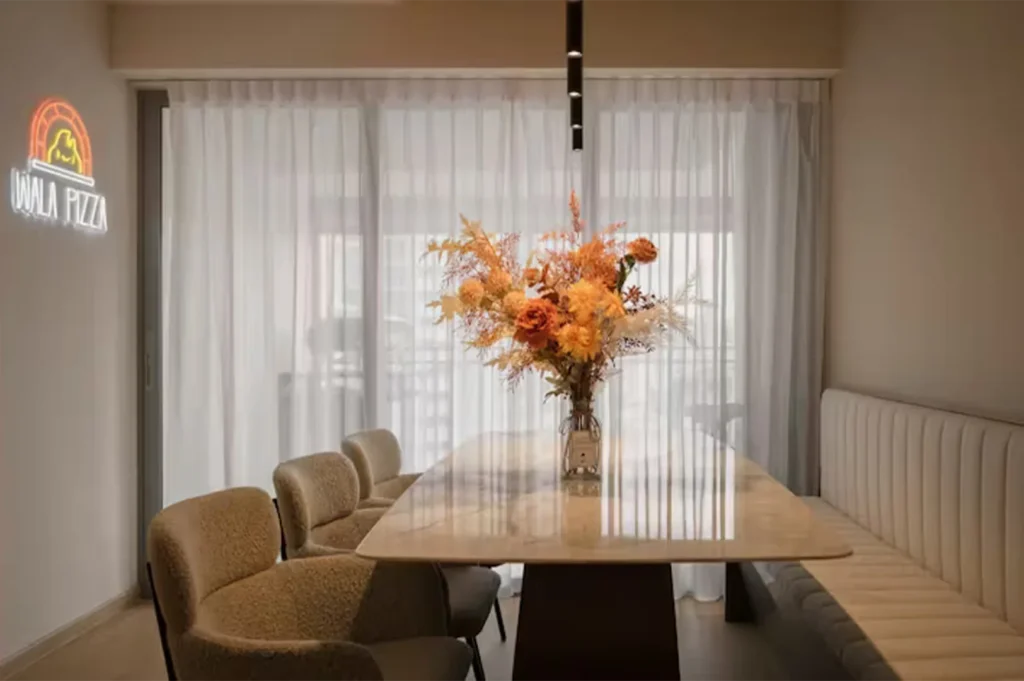
Renovations here introduced a dedicated private dining area that complements the creative and artisanal pizza menu crafted by Chef Jenna. The space blends casual comfort with exclusivity, making it a sought-after private dining experience for pizza enthusiasts seeking a unique private dining concept. Wala Pizza’s success story is rooted in Chef Jenna’s passion for innovation and the personalized touch she brings to every meal, attracting a loyal following. This private dining spot serves a variety of pizzas with fresh, inspired toppings, offering a fun and welcoming atmosphere for private parties and intimate gatherings. Prices range per person, ensuring great value for a memorable feast.
3. The Wood Ear
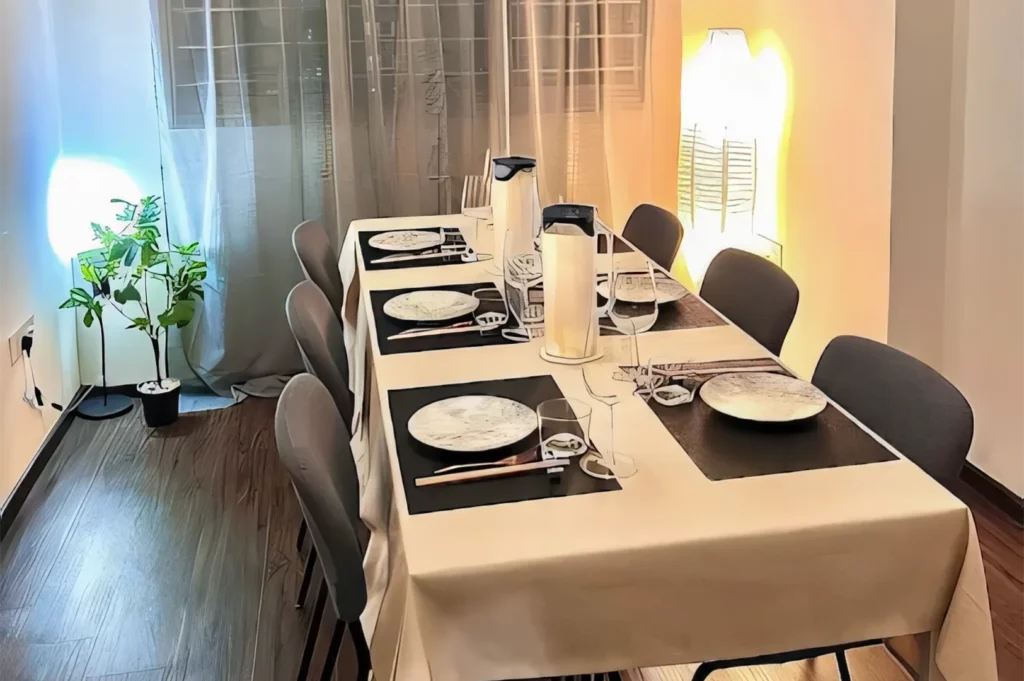
By updating its layout to include flexible private dining rooms, The Wood Ear can now adapt its space to different cuisine themes such as Italian and Cantonese. This flexibility allows for personalized dining experiences that cater to varied group sizes and preferences. The Wood Ear has thrived by embracing diversity in its menu and creating adaptable spaces that meet the evolving needs of diners. The venue is ideal for special occasions and quiet dinner events, offering fresh food and dishes that highlight the best of each cuisine style.
4. Umami Table
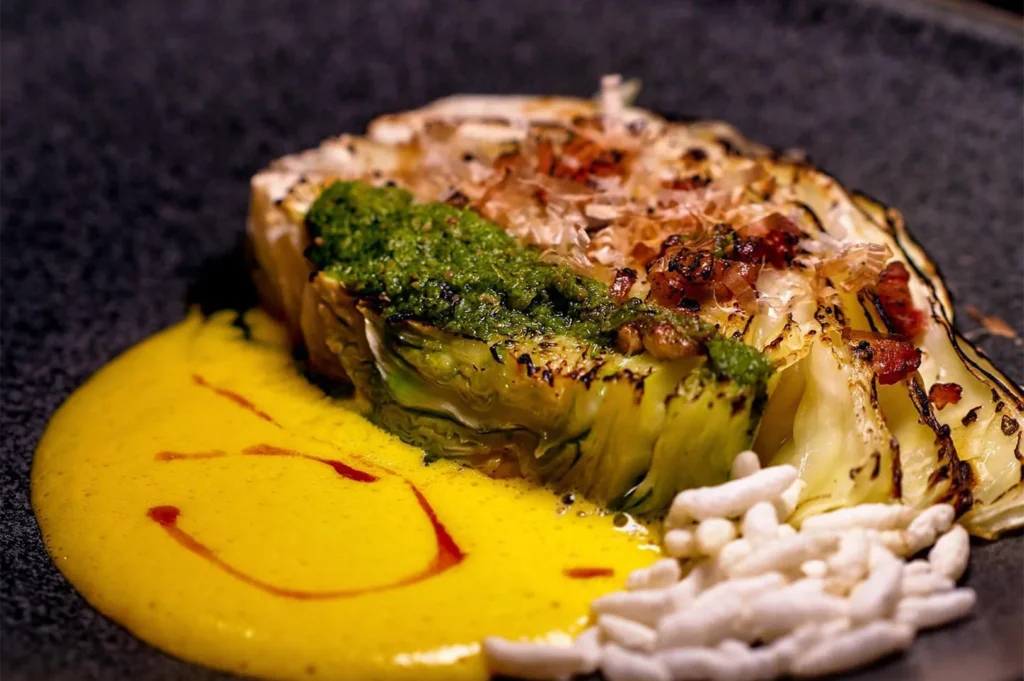
The redesign focused on elevating the modern Chinese cuisine experience with elegant private dining rooms featuring professional plating and attentive service. The renovation emphasized creating an intimate setting that highlights the robust flavors and refined presentation of the dishes. Umami Table’s success is marked by its commitment to quality and the seamless blend of contemporary ambiance with traditional tastes. Guests can expect a multi-course meal served in a warm, inviting room that accommodates both friends and family for special occasions or casual evenings out.
5. No Burn No Taste
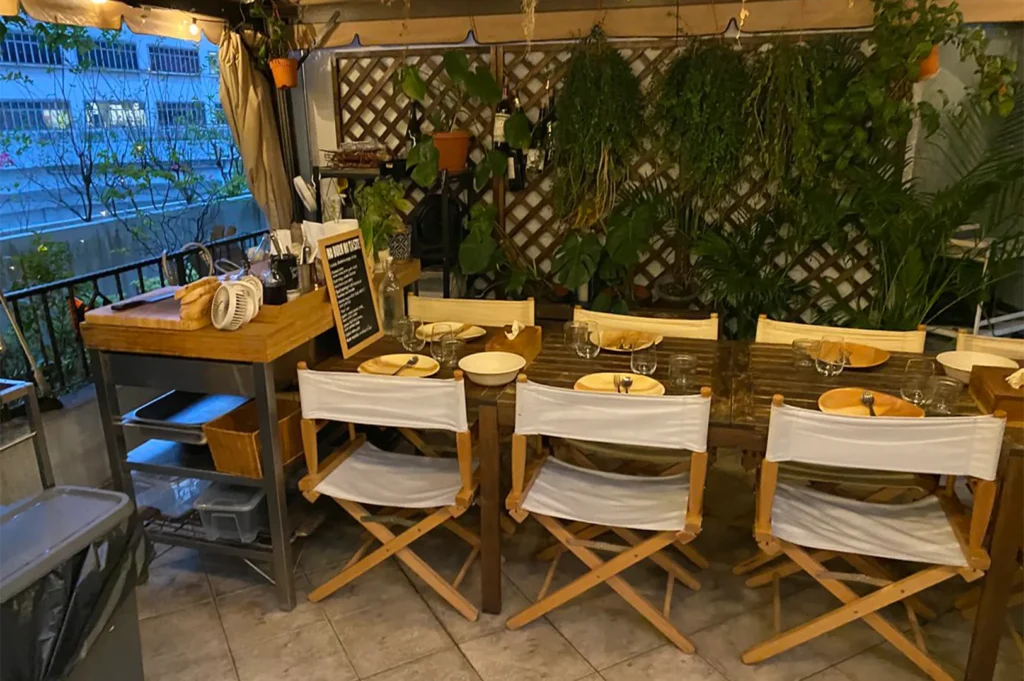
This restaurant enhanced its ambiance by adding an alfresco private terrace patio, offering a unique environment for its Umami BBQ Omakase experience. The renovation supports the concept’s emphasis on wood-fired grilling and bold flavors in a relaxed, exclusive setting. The success of No Burn No Taste comes from its distinctive approach to BBQ dining, combining smoky flavors with an inviting atmosphere that keeps guests returning. This private dining spot is perfect for private parties and intimate gatherings where guests can enjoy an amazing feast paired with refreshing drinks in a quiet, natural-light-filled venue.
6. Linda’s Table
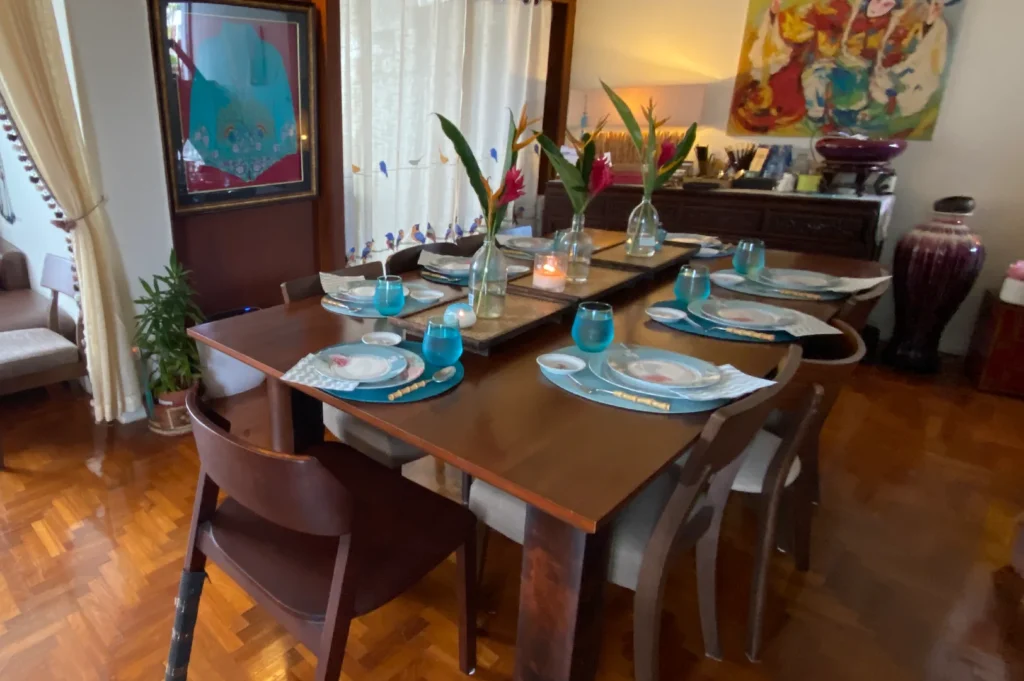
Renovation efforts expanded the home dining setup to comfortably accommodate more guests while preserving an intimate and welcoming environment. This balance allows guests to enjoy authentic Peranakan specialties in a private setting that feels like dining at a close friend’s house. Linda’s Table has built its reputation on heartfelt cooking and creating memorable experiences that feel like a unique culinary experience. The menu features signature dishes such as Beef Rendang and Nonya Chap Chai, making it a popular choice for special occasions and private parties. With a warm, inviting atmosphere, this venue is ideal for intimate gatherings and family dinners in Singapore.
These renovations illustrate how combining thoughtful design with culinary excellence can meet the evolving expectations of diners seeking privacy, exclusivity, and memorable dining experiences in Singapore’s vibrant food scene. Notable mentions include chef Sam Wong’s culinary artistry and other celebrated venues like Ampang Kitchen and Lynnette’s Kitchen, which continue to elevate the private dining Singapore landscape. Many of these venues maintain an active presence on Facebook, where guests can find the latest updates and notice upcoming events, ensuring every private dining experience is both amazing and fun.
The Evolution of Private Dining Rooms and Concepts
Not long ago, a private dining room was often an afterthought: a stiff, formal space reserved for boardroom-style dinners. Today, the private dining concept has softened and diversified. We see restaurants creating a series of smaller, more adaptable nooks for groups of various sizes, accommodating anything from a quiet dinner for friends or family to lively intimate parties. Open kitchens with dedicated chef’s tables offer theatrical, yet personal, experiences. The modern private dining is less about isolation and more about creating a personalized world within a larger establishment.
This evolution is driven by a desire for experiences that feel unique and controlled. Diners want to set their own pace, control the music, and engage in conversation without the background noise of a busy restaurant’s dining area. For F&B operators, this presents a powerful opportunity. A well-designed private room commands a higher minimum spend, fosters loyalty among high-value customers, and becomes a marketable asset in its own right. The question is no longer if you should offer private dining, but how you can integrate it into your existing footprint in a way that feels both authentic and profitable.
Reshaping the Floor Plan for Private Dining Rooms
Adding private dining rooms to a restaurant layout requires more than just partitions; it demands a comprehensive rethink of spatial flow. Allocating space for a private room can reduce the main dining area, so operators must weigh if the higher revenue from the private dining spot compensates for fewer regular tables. Intelligent design solutions like acoustically insulated operable walls can create flexible spaces that serve as part of the main dining room by day and intimate private dining rooms by night.
A commercial renovation specialist’s expertise is crucial to address:
- Acoustics: Using sound-absorbing materials to prevent noise from private rooms disturbing other diners.
- Ventilation and Lighting: Providing independent air conditioning and lighting controls, maximizing natural light where possible.
- Service Routes: Designing staff access to private dining rooms that minimizes disruption to the main floor, possibly requiring new service corridors or entry points.
The Unseen Costs and Investment Trade-Offs of Private Dining
The cost of creating private dining rooms can be substantial. Beyond visible elements like bespoke furniture and lighting, most expenses lie hidden within walls and ceilings.
Upgraded M&E systems, structural changes for movable walls, and high-performance acoustic insulation add up quickly. Each private room often needs its own design concept, increasing spending on finishes and fixtures. For example, a beautiful wood-panelled wall’s real cost includes soundproofing materials and installation labor.
These investment decisions involve trade-offs: opting for flexible operable walls versus fixed walls, or choosing between statement décor and practical air-conditioning. Such choices directly impact the project’s scope and financing needs.
Why F&B Renovation Financing is Crucial for Private Dining
Because these renovations are capital-intensive, how they are funded is a critical piece of the puzzle. Self-funding a major renovation can tie up essential working capital that is needed for payroll, inventory, and marketing. This is where F&B renovation financing becomes a strategic tool, not just a loan.
Securing the right financing allows a business to undertake a renovation of the necessary scope and quality without compromising its day-to-day financial health. It enables you to make the better long-term choice, like installing the more durable, acoustically superior partition system, rather than being forced into a cheaper, short-term fix that may need replacing in a few years. A well-structured financing plan allows a restaurant to align its renovation expenditure with its projected revenue growth from the new private dining offerings.
Private Home Dining: A Unique Culinary Experience in Chef’s Homes
Beyond restaurant private dining rooms, private home dining in Singapore has become a sought-after private dining experience. Intimate private dining spots in chef Sam Wong’s home offer guests a warm, welcoming atmosphere and a delicious meal featuring signature dishes like concubine chicken, sambal prawns, and crayfish omelette.
These experiences provide a unique culinary experience that blends the comfort of a private setting with expertly prepared food and dishes. Whether it is a special occasion, a private party, or an evening with friends and family, these private home dining options serve fresh, inspired cuisine in cozy spaces designed to accommodate groups of various sizes.
Crafting Memorable Special Occasions with Private Dining
Singapore’s vibrant private dining scene caters to a variety of special occasions, from intimate birthdays to corporate events. Venues offer curated menus featuring multiple courses, including fresh appetizers, mains such as Italian-inspired meat and chicken dishes, and indulgent desserts. Prices typically range per person and reflect the quality of ingredients and personalized service.
The private dining concept extends beyond food to create an immersive atmosphere with natural light, elegant décor, and attentive service. Whether you expect a quiet dinner or a lively feast, these private dining rooms and private home dining spots invite you to prepare for an unforgettable dining experience.
In a Nutshell
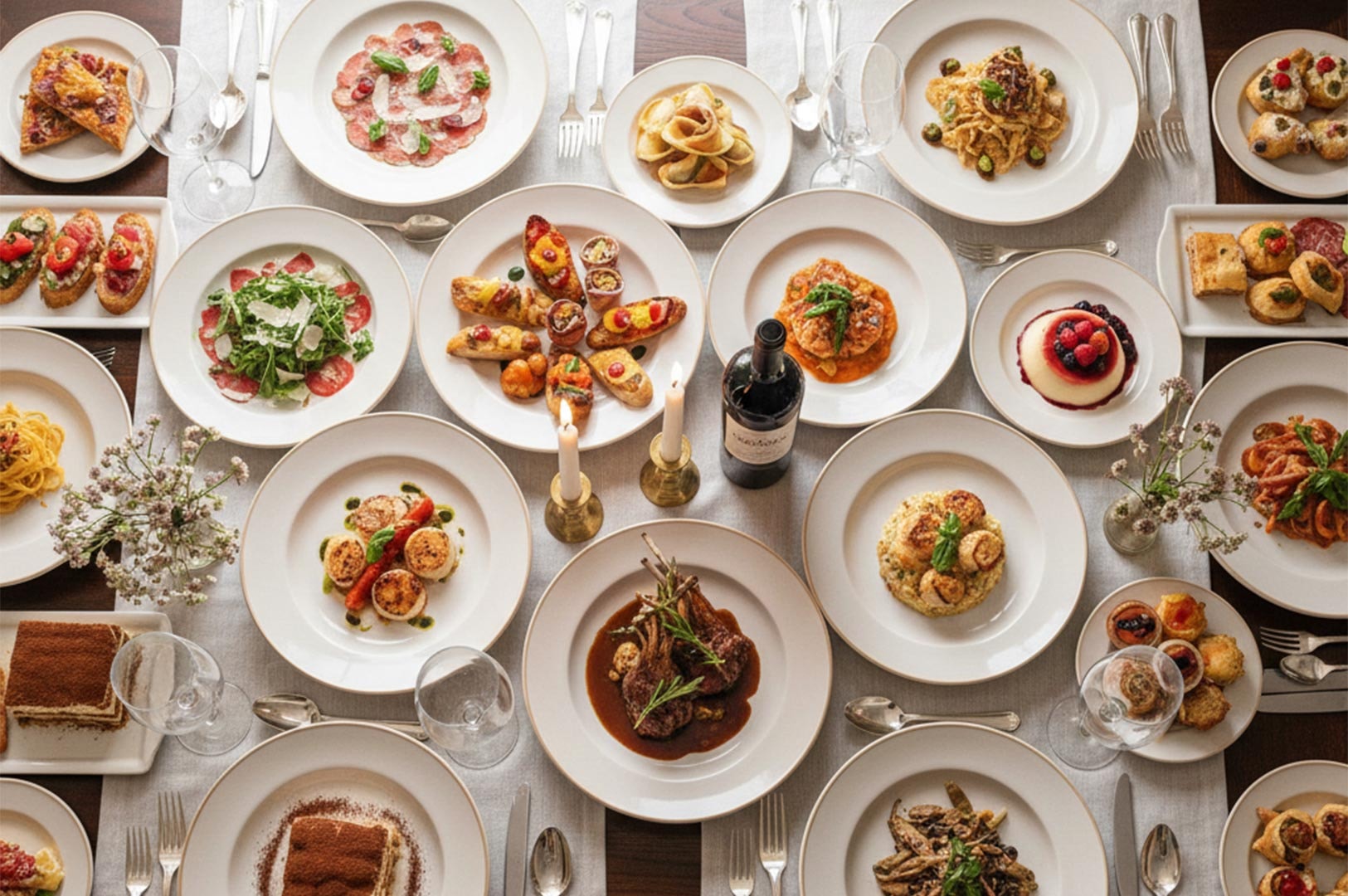
Private dining in Singapore is more than just a meal; it is a celebration of intimacy, exclusivity, and exceptional culinary artistry. Whether you are a restaurant owner looking to transform your space with thoughtfully designed private dining rooms or a guest seeking unique private home dining experiences, the opportunities are abundant and exciting. Investing in quality renovation and design not only elevates the dining experience but also enhances long-term business success.
For expert guidance on creating or upgrading your private dining spaces, visit our website Restaurant Renovations. Discover how we can help you blend functionality, style, and comfort to craft memorable dining moments that your guests will cherish.