
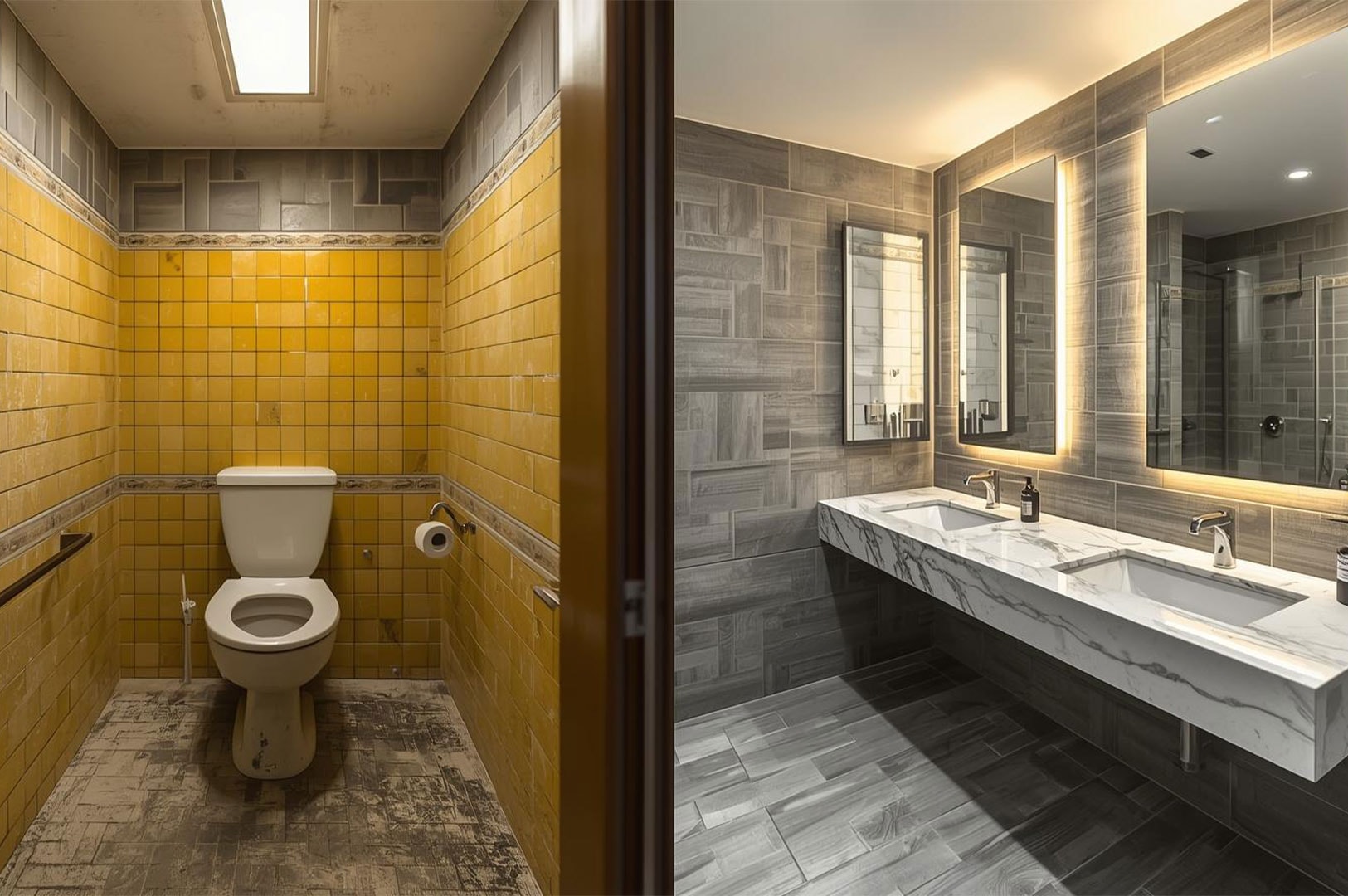
How Renovation of Toilet Enhances Restaurant Experience
A well-planned renovation of toilet significantly boosts customer satisfaction and perception in Singapore’s competitive F&B scene. Studies show 70–90% of diners consider clean, modern toilets crucial for repeat visits. Your washroom reflects your standards and influences customer loyalty. Updating the style and incorporating modern fixtures can significantly enhance both the functionality and aesthetics of the space.
This article offers design ideas and a comprehensive overview for restaurant owners, covering scope, budget, Singapore regulations including HDB permits and HDB permit application, durable materials like porcelain tiles, ceramic tiles, natural stone, patterned tiles, and executing renovations without business disruption.
Why Bathroom Renovation and Toilet Renovation Matter in Singapore’s F&B Scene
Customer reviews frequently mention toilet cleanliness as a key factor. Negative phrases like “dirty toilet” hurt ratings, while “clean restroom” boosts them. Premium venues must match their pricing with premium toilets, reflecting quality through design and fixtures.
Staff morale also improves with efficient layouts that separate guest and staff areas, provide proper storage solutions, and maintain hygiene standards. Most homeowners opt for mid-range sanitary ware, as it offers the best value and longevity for typical renovation budgets. A confident team recommends your facilities more readily.
Engaging professional interior design services and working with an experienced interior designer can help create stylish, functional toilet spaces that enhance both user experience and overall venue appeal.
It is beneficial to have a clear understanding of your design vision and preferences before consulting with a contractor or designer.
Planning Your Restaurant Toilet Renovation: Scope, Budget, and Timeline
Successful renovation begins with clarity on scope, toilet renovation cost, and timeline to avoid hidden costs and disruptions.
3.1 Define Your Scope and Needs
Renovation packages and toilet renovation packages can simplify the process by offering bundled services, which help ensure cost efficiency and a smoother renovation experience.
3.2 Set a Realistic Budget
Research average costs for your desired scope. Factor in materials, labor, and a buffer for unexpected expenses. Consider the quality of materials and workmanship, as these will impact long-term durability and satisfaction.
3.3 Compare Service Providers
Get quotations from at least three HDB-licensed renovation contractors. Comparing multiple service providers and waiting for their responses can be time consuming, so choosing a renovation package or toilet renovation package can save time and streamline the process.
Defining Your Scope
Scope Level | Description | Typical Work Involved |
|---|---|---|
Light Refresh | Cosmetic updates | Paint, mirrors, lighting, taps, accessories |
Mid-Scale Upgrade | Surface replacement | Floor tiles, wall tiles, partitions, sanitary ware, removal and replacement of existing fixtures |
Full Reconfiguration | Structural changes | Professional hacking works, plumbing works, drainage systems, dismantling and disposal of existing fixtures |
Note: Conservation units and mall spaces may have restrictions; assess early. It is recommended to measure the bathroom space accurately to ensure the proper fit of new fixtures. |
Singapore Cost Ranges (2024)
- Single unisex toilet overlay upgrade: S$8,000–S$15,000
- Pair of male/female toilets, mid-range package: S$20,000–S$45,000
- Full reconfiguration with plumbing relocation: S$50,000–S$100,000+
Costs vary by materials, fixtures, and site complexity.
Timeline Considerations
- Design and approvals: 1–2 weeks (including HDB permit application)
- Additional reviews: 3–4 weeks
- Construction: 2–4 weeks for mid-scale projects
Plan work during off-hours to maintain trading.
Practical Tips
- Arrange alternative toilet access during renovation
- Set aside 10–15% contingency for hidden costs like corroded piping or waterproofing issues
- Confirm lead times for imported fixtures to avoid delays
Design Trends for Restaurant Toilets in Singapore (2023–2025)
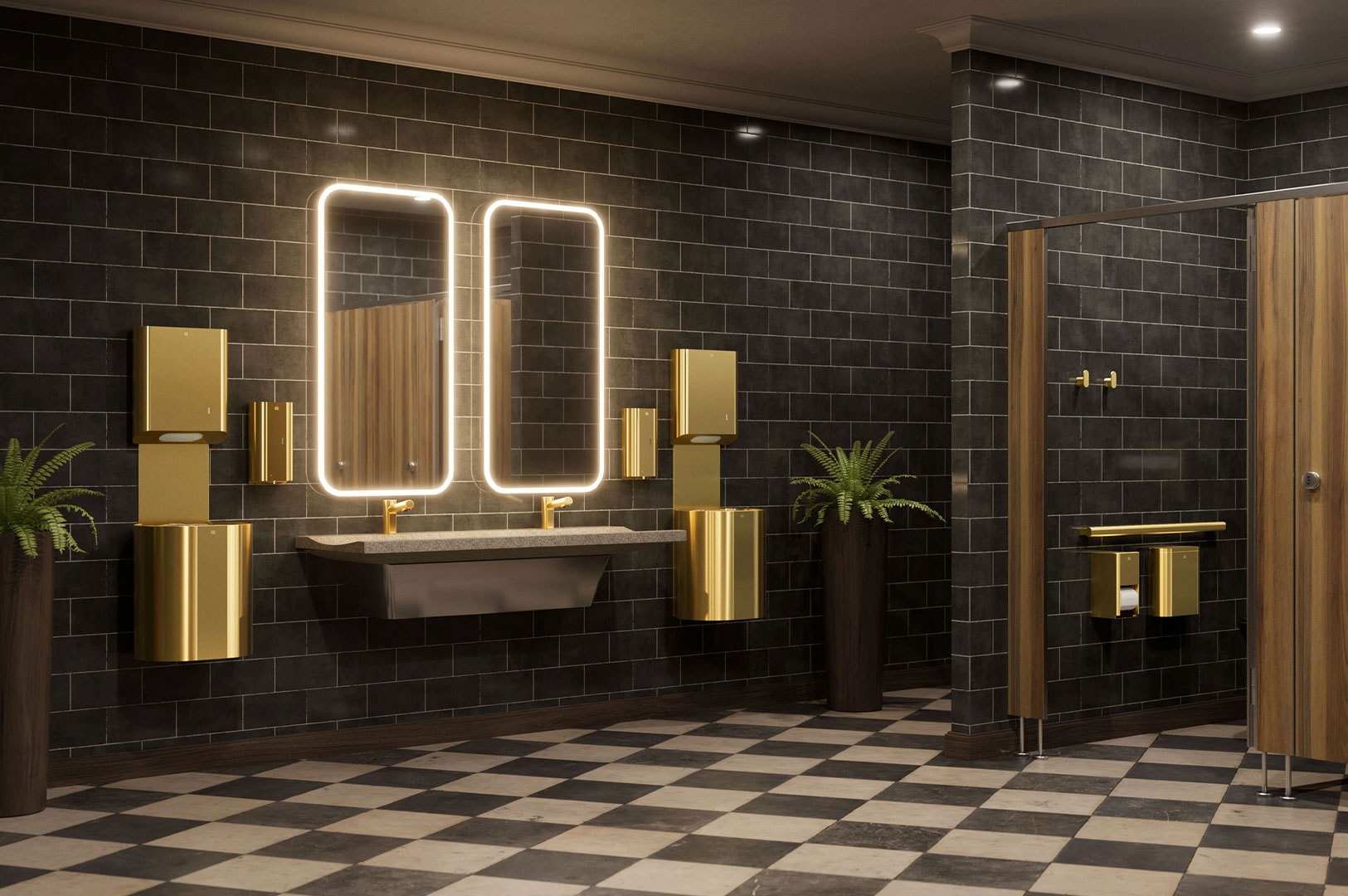
Design must balance brand identity, durability, and maintenance ease in Singapore’s humid, high-traffic environment.
Design Trends and Functional Layouts
Prioritise Functionality and Visual Openness
In small toilet spaces, focus on functionality and a spacious feel. Use light colors and large-format tiles to reflect light and enlarge the room visually. Opt for walk-in showers with frameless glass partitions instead of enclosed showers to maintain openness. Incorporate natural materials like stone and wood for a calming aesthetic. Proper lighting enhances both atmosphere and usability.
Space-Efficient Layouts
Minimalist layouts that align fixtures and plumbing along one wall maximise efficiency in small spaces. Scandinavian minimalist design with clean lines and clutter-free elements further enhances openness. Walk-in showers complement this design by creating a spacious environment.
Trending Design Elements
Biophilic design, integrating natural materials and greenery, is gaining popularity. Smart bathroom technology, such as automated lighting and water control systems, adds convenience and efficiency to modern toilet renovations.
Materials, Fixtures, and Hygiene-Centric Choices in Bathroom Renovation

Durability and hygiene are crucial for high-traffic F&B toilets. For HDB flats, all waterproofing works must use HDB-approved materials and pass a mandatory 48-hour water retention test to comply with regulations and maintain warranty. Only licensed HDB contractors can legally apply for permits and perform structural works, so always engage certified professionals. Homeowners are liable for any leaks caused to neighboring units, making proper waterproofing essential.
Before hiring, verify contractor credentials, review past projects, insist on a detailed written contract covering scope, timeline, payment, and warranties, and avoid contractors demanding excessive upfront payments.
Floor Tiles and Wall Tiles
Tile Type | Best Use | Notes |
|---|---|---|
Homogeneous porcelain | Wet zones, high traffic | Slip-resistant (R10+), stain-resistant |
Ceramic tiles | Walls, dry areas | Cost-effective, wide color range |
Large-format tiles | Feature walls, floors | Fewer grout lines, easier cleaning |
Patterned tiles | Accent walls | Use sparingly to avoid clutter |
Natural stone | Premium accents | Requires sealing, higher maintenance |
Specify slip-resistant tiles (R10+) for wet areas. |
Investment Priorities
- Waterproofing membrane to prevent water damage
- Proper and adequate ventilation to avoid odour and mold
- Quality materials like porcelain tiles and solid wood for durability
- Commercial-grade sanitary ware with warranty coverage
Cost-Saving Tips
- Economize on decorative accessories and specialty lighting
- Use local equivalents instead of exotic materials
Hidden Costs to Watch For
- GST and permit fees
- Contingency for unforeseen issues (corroded piping, water damage)
- Material upgrades beyond standard packages
- Extended warranty coverage
Regulations, Compliance, and Safety: HDB Toilet Renovation and HDB Permits
F&B toilet renovations must comply with multiple authorities to avoid delays and fines in Singapore’s competitive F&B scene.
Key requirements include proper drainage with correct gradients, use of approved waterproofing membranes passing mandatory 48-hour water retention tests, and slip-resistant flooring with certified ratings. Adequate mechanical ventilation is essential. Fire safety rules mandate that door swings do not block exits, exit signage is clearly visible near washrooms, toilet partitions allow safe egress, and drainage systems avoid conflicts with kitchen grease traps; practical requirements that shape how designers approach transforming dining spaces in Singapore through thoughtful, regulation-compliant restaurant renovations.
Lighting, Mood, and Acoustics in Toilet Renovation Singapore
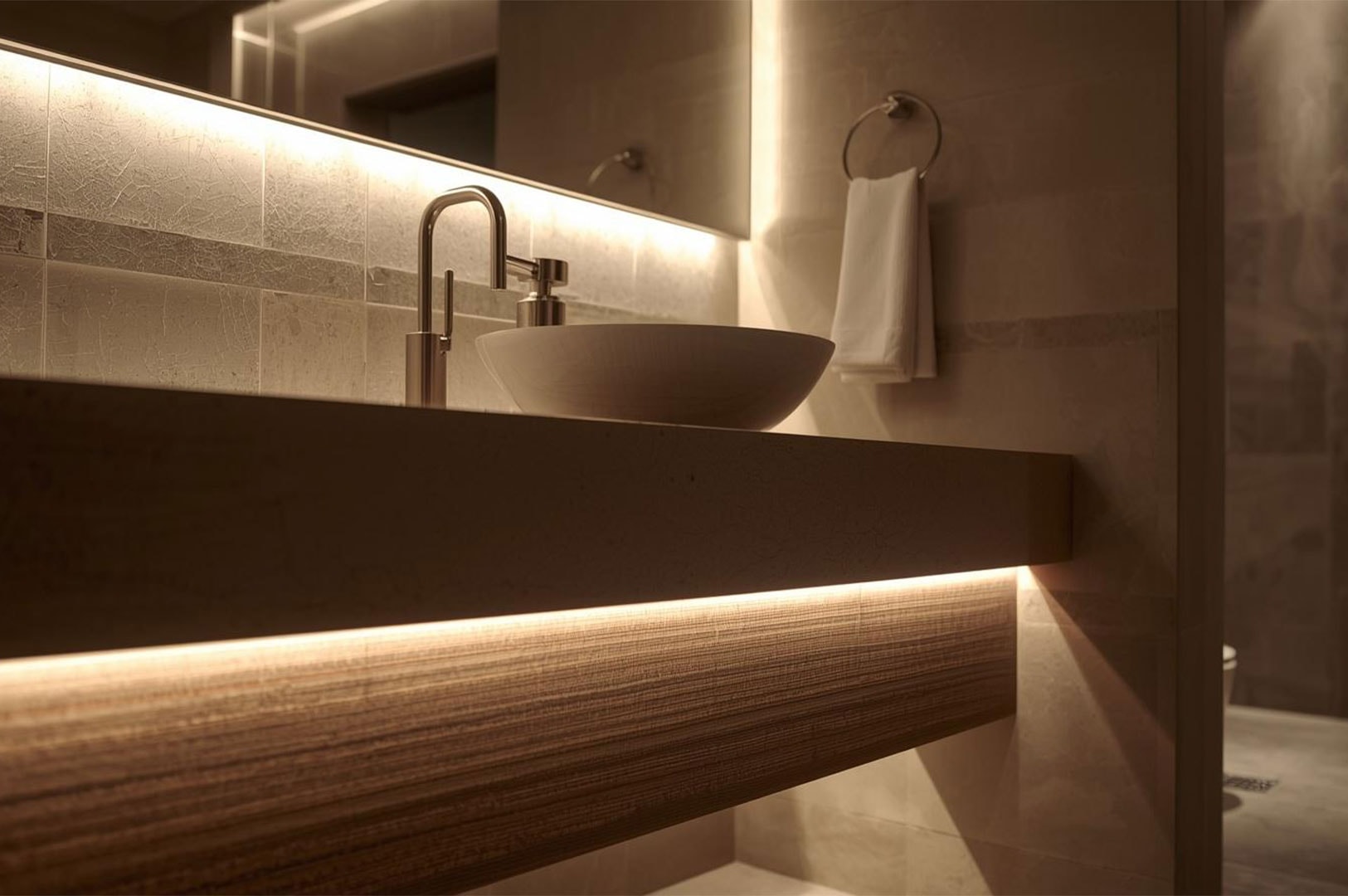
Subtle lighting and sound control enhance guest comfort without competing with the dining concept.
Layered Lighting
- Task lighting near mirrors (3,000–4,000K, CRI 80+)
- Ambient lighting in cubicles with softer tones
- Accent LED strips under floating vanities or coves
Energy Efficiency
- LED fixtures with occupancy sensors
- Adequate ventilation without excessive HVAC load
Acoustic Control
- Acoustic ceiling boards absorb sound
- Soft-close toilet seats and door seals reduce noise
- Solid-core doors where budget permits
Mirror Placement
- Anti-fog mirrors near basins
- Avoid awkward sightlines from corridors
- Full-height mirrors to enhance spaciousness
Design Continuity
- Use consistent flooring, lighting, and hardware styles from dining area to toilet
- Incorporate subtle branding elements
Operational Efficiency: Cleaning, Maintenance, and Staff Workflow
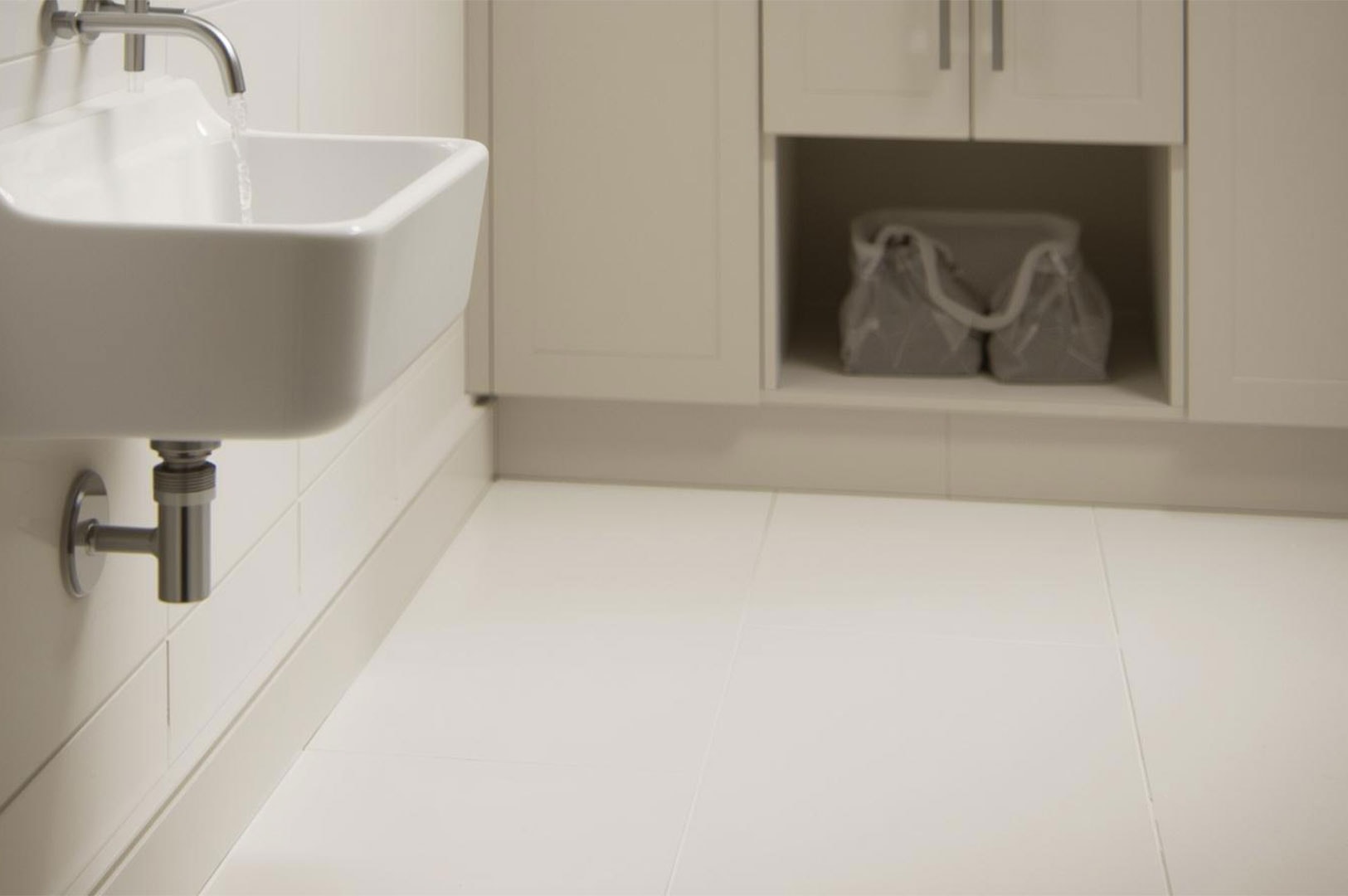
Design must support quick cleaning during peak hours to avoid operational delays.
Easy Maintenance Fixtures
- Wall-mounted basins expose floor for fast mopping
- Integrated splashbacks reduce grout lines
- Coved skirtings prevent dirt buildup
Storage Solutions
- Built-in lockable cabinets for cleaning supplies
- Adequate stock of consumables to avoid mid-service restocking
Staff Zoning
- Separate customer and staff circulation
- Cleaning cupboard near toilet entrance
- Separate staff toilet if space allows
Cleaning Schedules
Period | Check Frequency |
|---|---|
Lunch | Every 45–60 minutes |
Dinner | Every 30–45 minutes |
Late Night | Every 20–30 minutes |
Support with easy-access floor drains, hose points, and chemical washing capability. |
Working with a Specialist Restaurant Renovation Partner: Professional Excellence and Free Consultation
Specialist partners understand F&B challenges, landlord protocols, and regulatory requirements.
Consultation Includes
- On-site assessment and measurements
- Brand positioning and customer profile review
- Landlord and authority submissions including HDB permit application
- Scope, renovation cost, hidden costs, and timeline discussion
Proposal Evaluation
- Clear layout and fixture plans
- Detailed material selections (porcelain tiles, ceramic tiles)
- Phased schedule minimizing disruption
- Warranty coverage and all-inclusive pricing
Step-by-Step Toilet Renovation Process Timeline for Operating Restaurants
Typical mid-scale renovation for 2 toilets in an operating restaurant:
Phase | Duration | Key Activities |
|---|---|---|
Pre-Renovation | 1–2 weeks | Site survey, drawings, HDB permit application, fixture ordering, scheduling |
Demolition and Prep | 3 days | Dust protection, professional hacking works, fixture removal, substrate prep |
Waterproofing & Rough-In | 4 days | Waterproofing membrane application, curing, water ponding test, install stainless steel piping, electrical work |
Finishes & Installation | 3 days | Tile floors and walls, install toilet bowl units, basins, partitions, mirrors, lighting, plumbing works, exhaust fan |
Completion | 4 days | Final touch-ups, grout sealing, safety checks, signage, chemical washing, staff training |
Conclusion: Making Your Toilet Renovation a Strategic Asset
A thoughtfully executed restaurant toilet renovation in Singapore reinforces your brand and enhances guest experience. Cleanliness, proper ventilation, quality materials, and efficient design signal attention to detail that customers and potential buyers recognize.
Start with a thorough audit of your current washrooms and consult specialists familiar with Singapore’s regulations and F&B needs. Your next growth phase could begin in the space your customers least expect—but most remember. For expert assistance, visit Restaurant Renovations for professional services and tailored solutions.