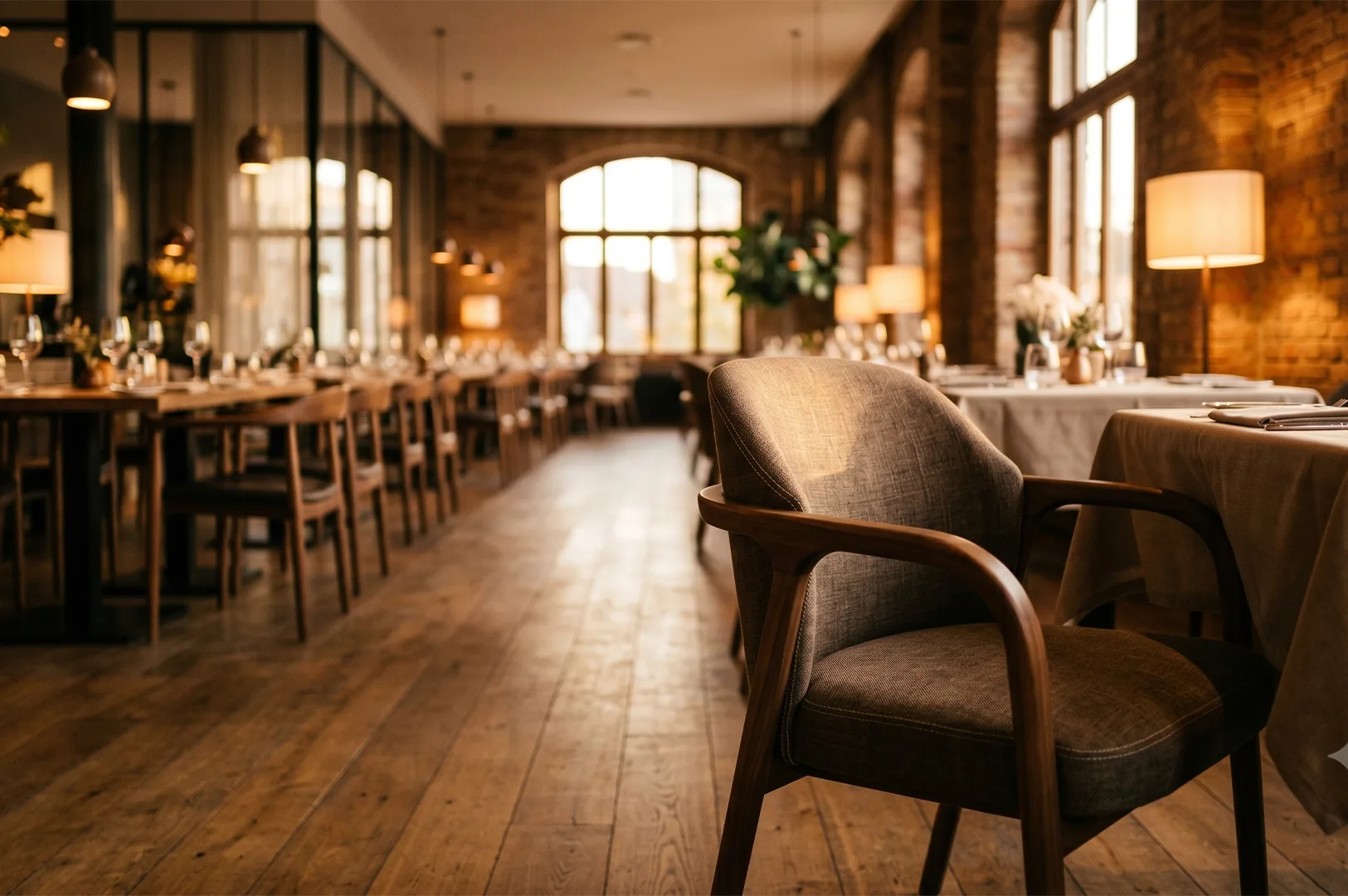

A guest rarely walks into a restaurant and compliments the chairs.
They talk about the food. The atmosphere. The service. The dessert they cannot stop thinking about days later.
The chair rarely gets mentioned.
Yet it quietly shapes almost every minute they spend inside the restaurant.
The experience begins long before the first plate arrives.
A guest settles into their seat and immediately forms an opinion about the space. They may not consciously register it, but their body does. The height feels right or it doesn’t. The seat supports them or it doesn’t. The backrest encourages them to relax or reminds them they have been sitting for too long.
Comfort is one of the most invisible parts of restaurant design.
When it works, nobody notices.
When it fails, everyone feels it.
Many restaurant owners spend months debating lighting fixtures, wall finishes, signage, and decorative details. Meanwhile, seating decisions sometimes happen surprisingly late in the process.
A chair becomes something chosen because it matches the concept.
Industrial.
Minimalist.
Modern.
Scandinavian.
Luxury.
But chairs are not decorations.
They are equipment.
Unlike artwork or feature walls, guests interact with them for the entire duration of the meal.
This is why seating deserves more attention than it often receives.
The relationship between comfort and business performance is surprisingly direct.
Guests who feel physically comfortable tend to stay longer. Conversations flow naturally. Additional drinks get ordered. Dessert becomes more likely. The overall experience feels more relaxed.
The opposite is also true.
An uncomfortable chair creates subtle pressure. Guests begin shifting position. They become aware of their posture. The meal feels slightly shorter even if the food remains excellent.
Many owners never connect this discomfort to seating.
Instead, they wonder why guests are leaving sooner than expected.
Restaurant design is filled with these hidden influences.
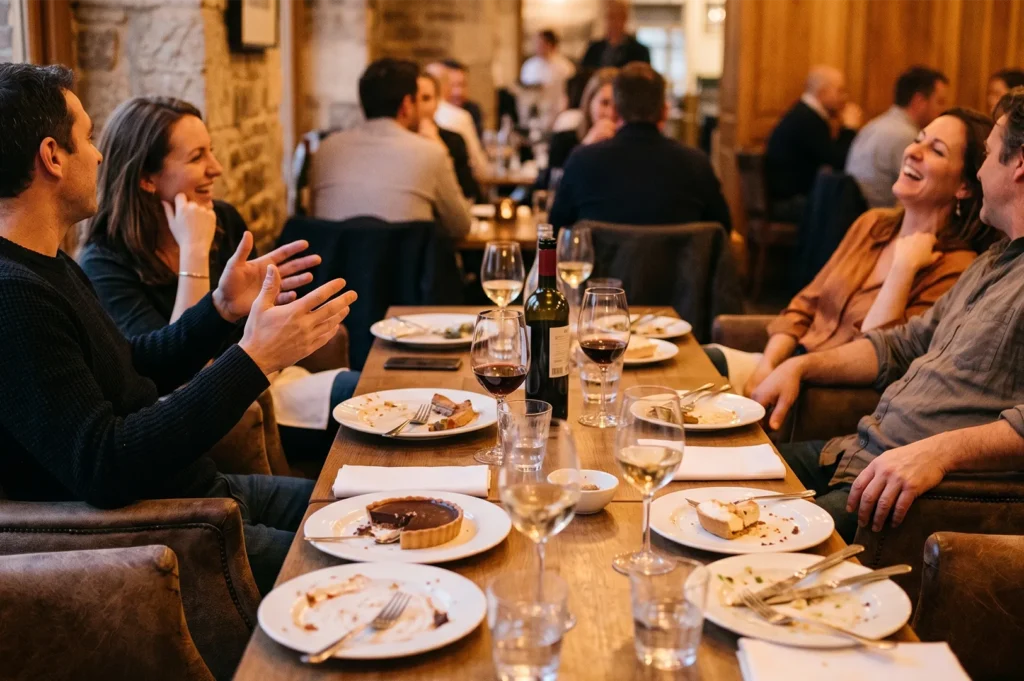
A dining chair is not only a piece of furniture. It is part of the restaurant’s strategy. Different concepts require different seating experiences.
A quick-service lunch concept may benefit from more upright seating that supports turnover without feeling uncomfortable.
A destination dining restaurant may want deeper seats that encourage guests to settle in for the evening.
Neither approach is wrong.
The important thing is intention.
The best restaurant renovations think beyond appearance. They ask how people will actually use the space. They imagine the guest who arrives after a long workday. The family celebrating a birthday. The couple lingering over coffee after dessert.
Comfort becomes part of the design conversation.
What makes this particularly interesting is that guests often remember comfort without realizing it.
They describe the restaurant as welcoming.
Relaxed.
Easy to spend time in.
They attribute those feelings to atmosphere when, in reality, the chair quietly played a role.
Good design often works this way.
The most successful elements disappear into the experience itself.
The chair nobody talks about becomes the reason someone stays for another twenty minutes. The reason they order another drink. The reason they suggest the restaurant to a friend.
Not because the chair was remarkable.
Because it allowed the evening to be.
Want to explore seating choices in greater depth? Read Discover Stylish, Comfortable and Durable Dining Chairs Singapore.