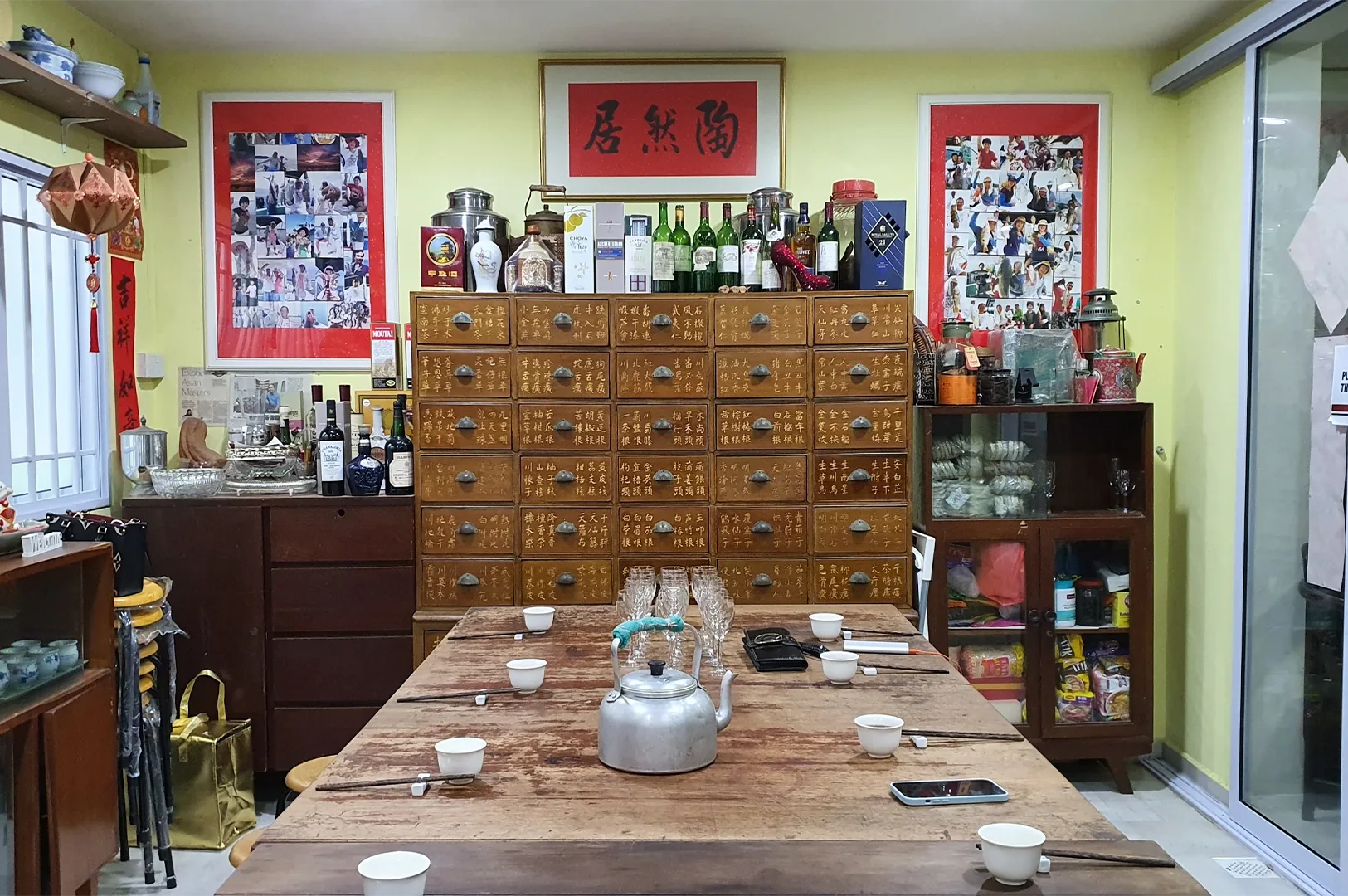

I once erred by creating an exclusive private dining space with elegant, minimalist concrete and glass, forgetting entirely about sound control. When the chef served the first course, the echoing voices made the intimate room feel like a noisy cafeteria. The client politely explained why the guests seemed stressed, and honestly, he was right. It taught me a profound lesson: in the world of exclusive dining, the physical environment is just as crucial as the food on the plate.
In my experience, most people over-complicate the concept of luxury in private dining. They assume it requires crystal chandeliers and imported marble. But if you look at successful spaces like the renowned Lucky House Cantonese Private Kitchen (lucky house cantonese private kitchen 陶然居) along Upper East Coast Road, you will see that true luxury is about intimacy, comfort, and thoughtful spatial flow.
Here is a reflective look at how careful renovation choices shape the atmosphere of Singapore’s most sought-after house cantonese private kitchens, and why the setting matters just as much as the menu.
The Shift from Traditional Restaurants to a Cantonese Private Kitchen 陶然 居 on Upper East Coast Road
Traditional commercial restaurants are designed for efficiency. Their layouts prioritize table turnover, high-density seating, and fast-paced kitchen-to-table service. A Lucky House Cantonese Private Kitchen operates on an entirely different philosophy. Here, the dining space is designed for lingering, conversation, and a customized pacing of the meal, creating an atmosphere more akin to an intimate dinner party than a formal restaurant.
When guests book a table at a terrace house for a bespoke meal, they are paying for exclusivity. The renovation must reflect this. Instead of open, echoing halls, these spaces require careful acoustic planning and layered lighting. I’ve found that the best private kitchens use warm, indirect illumination (around 2700K) to make the space feel residential yet refined, encouraging guests to relax and savor every bite. The unique setting of Lucky House fosters a sense of community among diners, allowing for interaction not only with the chef but also with each other, reminiscent of a friend’s dinner party.
Designing for Exclusivity at a Lucky House Cantonese Private Kitchen 陶然
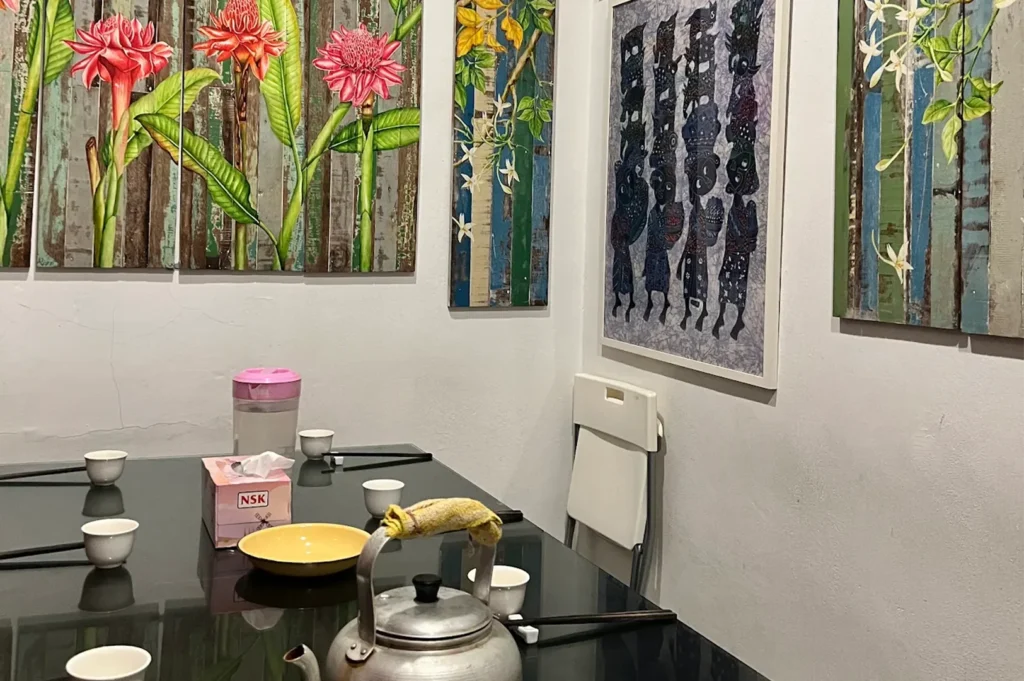
Before guests even step foot inside, they are already anticipating the atmosphere. Many diners spend hours searching for lucky house cantonese private kitchen photos just to understand the vibe of the space. They want to know if the environment feels authentic and comfortable.
At a private kitchen 陶然 居, the transition from the bustling street to the dining table is vital. A successful renovation creates a deliberate entrance sequence—a subtle shift that leaves the outside world behind. In older shophouses or residential conversions, preserving heritage textures like exposed timber or classic tiles adds a layer of storytelling that modern, sterile builds simply cannot replicate.
Addressing Common Concerns in Private Home Dining at Lucky House Cantonese
Many people worry about feeling awkward or intrusive when dining in a residential-style space. Here’s the deal: good spatial design completely reduces this anxiety.
If a small room is too cramped, it feels claustrophobic; if it is too large, the intimacy is lost.
Practical Advice: If you are renovating a space for private home dining, do not just push a large table into a square room. Create breathing room. Ensure there is at least a 1.2-meter clearance around the dining table so staff can move unobtrusively. Use upholstered seating and heavy curtains to absorb sound. Expect to spend $5,000–$10,000 on proper acoustic treatments and concealed lighting, but it is an investment that dictates the entire emotional comfort of the evening.
Spatial Intimacy and the House Cantonese Private Kitchen Experience with Chef Sam Wong
A true house cantonese private kitchen blurs the line between a professional establishment and a welcoming home. Take, for example, the charm of a self taught home cook like Chef Sam Wong. His setup integrates the cooking process into the guest experience.
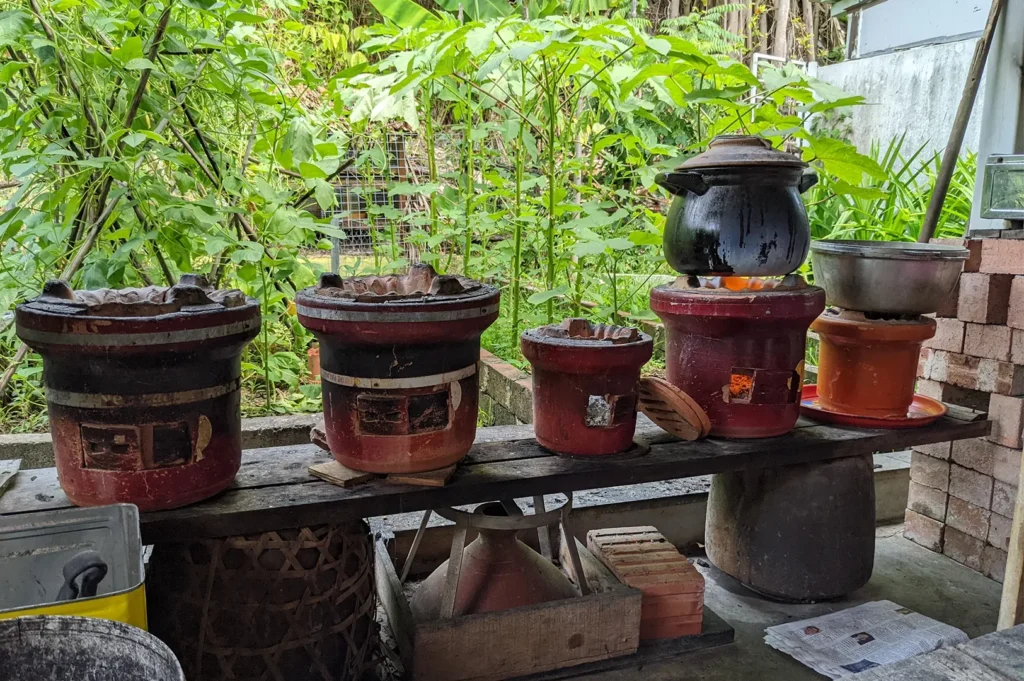
When you have a backyard kitchen featuring a traditional charcoal oven and charcoal fire, the renovation must handle the intense heat, wok hei, and smoke without ruining the indoor air-conditioned dining room. Proper commercial-grade exhaust systems must be retrofitted into the residential shell invisibly. When guests are enjoying a simple homely dish like charcoal boiled pork shoulder or a delicate crayfish omelette, they should smell the tantalizing aromas of the charcoal fire, not be overwhelmed by grease.
The Renovation Journey of a Lucky House Cantonese Private Space Priced for Michelin Food Standards
Converting a standard unit into a lucky house cantonese private dining destination is not a simple cosmetic fix. It is a rigorous process of aligning residential charm with michelin food standards.
If you read lucky house cantonese private kitchen reviews, you will notice that diners consistently praise the relaxed, homely atmosphere just as much as the food. Achieving this requires meticulous planning. Seasonal menus at Lucky House often change to highlight the freshest ingredients available, reflecting the natural cycles of food production. Dishes on these seasonal menus can include a variety of seafood and produce that are at their peak during specific times of the year. This approach allows chefs to experiment with new flavour combinations and techniques, keeping the dining experience fresh and exciting for foodie friends and fishing enthusiasts alike. Signature dishes, such as their comforting peanut soup featuring kidney beans and arrow root as key ingredients, showcase the kitchen’s dedication to traditional flavours and culinary authenticity. You have to conceal modern air-conditioning units within heritage ceilings, ensure seamless carpentry joins, and create hidden storage for service items so the dining room remains entirely uncluttered.
Why Ambience Matters as Much as Food in Lucky House Cantonese Private Dining
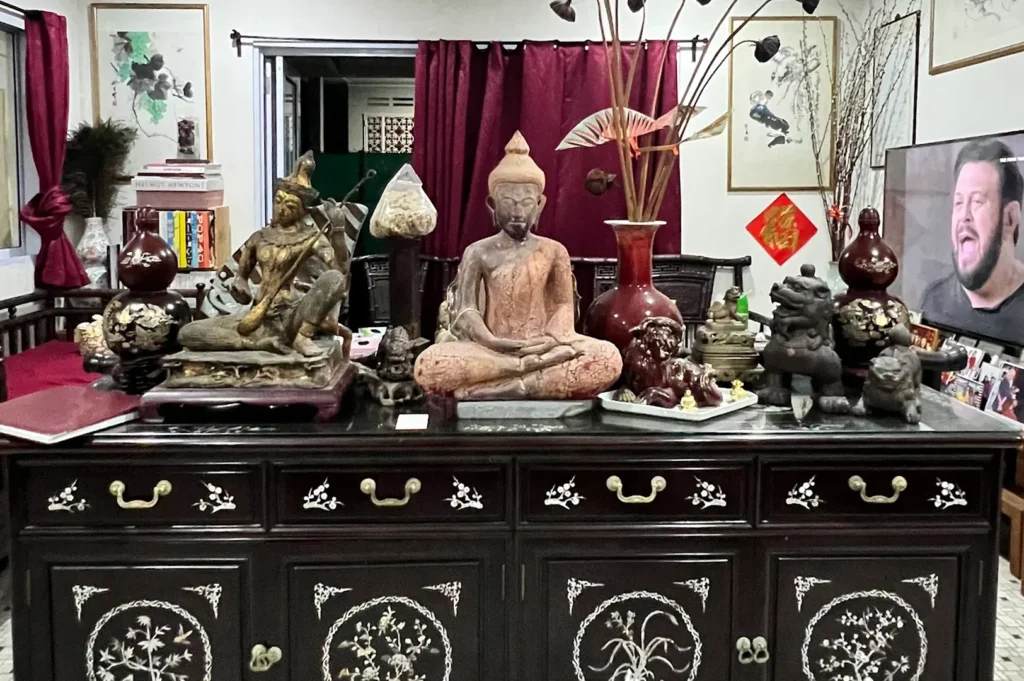
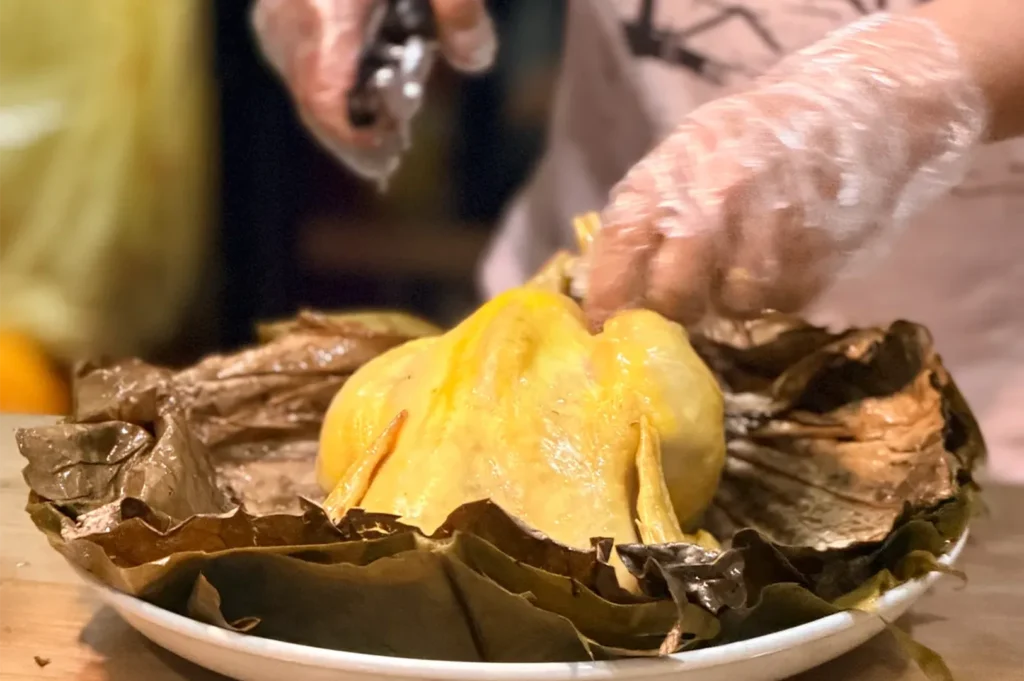
In a house cantonese private setting, the menu relies heavily on original flavours, fresh ingredients, and minimal seasoning. Signature dishes often include comforting peanut soup with kidney beans, perfectly roasted duck, yellow chicken with sun dried orange peel and rose liqueur, and steamed fish—a key component of authentic Cantonese cuisine known for its quality and taste. The flavour depends wholly on the chef’s illustration of natural flavours without much seasoning or extraneous seasoning. Signature dishes in Cantonese cuisine often include seafood, with popular items like steamed fish and crayfish omelettes featuring generous chunks of seafood and a refreshing flavour enhanced by fish sauce and fried shallots.
The environment must match this culinary philosophy. If the room is overdesigned with loud, trendy decor, it detracts from the pure, seasoning-free dishes. A restrained, elegant interior allows the generous chunks of seafood and the refreshing flavour of the food to take center stage. Cantonese cooking is characterized by its balance of flavours, often combining sweet, sour, salty, and umami elements to create harmonious dishes. For readers interested in design that honors tradition without blending modern fusion styles, see our detailed insights on Tea Room Design That Stays Traditional: Modern Does Not Mean Fusion.
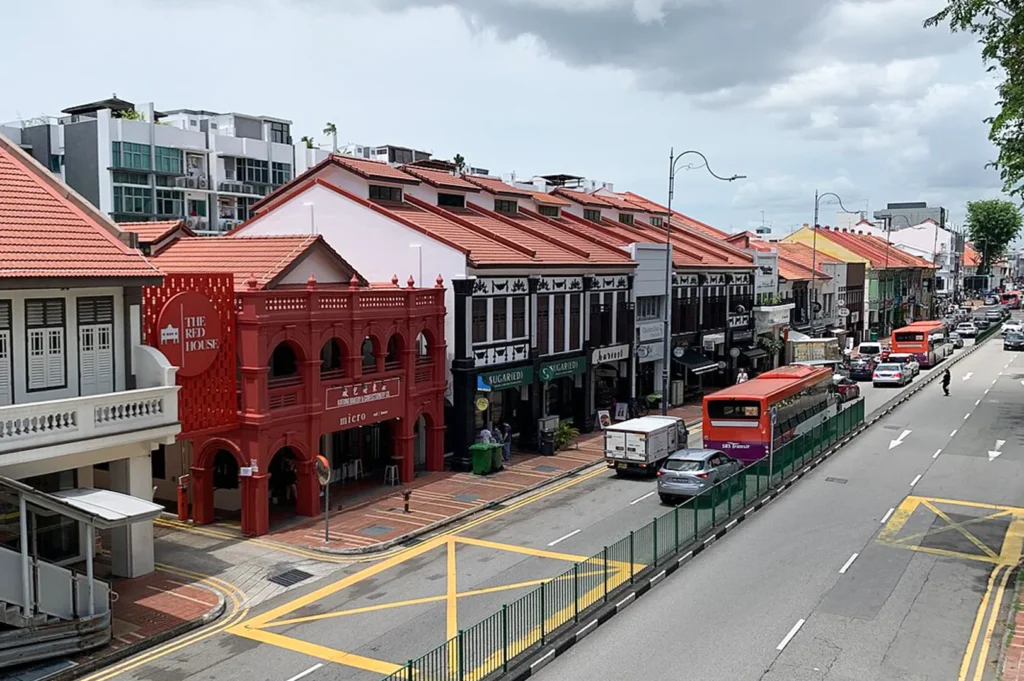
Navigating Private Dining at Upper East Coast Road’s Lucky House Cantonese Private Kitchen 陶然居
“Is private dining worth the higher price point and the long waitlist?”
Absolutely. You are not just paying for food; you are paying for an unhurried, exclusive environment where the chef caters specifically to your party. It is a completely different pacing from a commercial restaurant, with food priced to reflect the quality and experience.
“How long does it take to build a proper private kitchen at Lucky House?”
For a mid-scale redesign of a residential-style space, expect the renovation to take about three months. Upgrading the plumbing and ventilation for a heavy-duty cantonese private kitchen setup takes significant time.
“What should I wear to a private home kitchen?”
Smart casual is safe—I usually go with dark jeans or tailored trousers and a crisp blouse. Avoid shorts and flip-flops out of respect for the chef’s home, but there is no need for formal evening wear.
The Heart of the House Cantonese Private Experience at Lucky House Cantonese Private Kitchen
Thoughtful restaurant renovations do more than just make a room look beautiful; they engineer how people feel. The success of spaces like Lucky House Cantonese Private Kitchen lies in their ability to balance the warmth of a home based kitchen with the seamless operations of a premium dining venue.
By investing in acoustic comfort, warm lighting, and a layout that breathes, operators can create a cantonese private sanctuary where guests are eager to return, long after the final dessert has been cleared. Many diners bring their own wine, enjoying home cooked fares alongside chef’s signature dishes, making each meal a memorable celebration of taste and tradition.