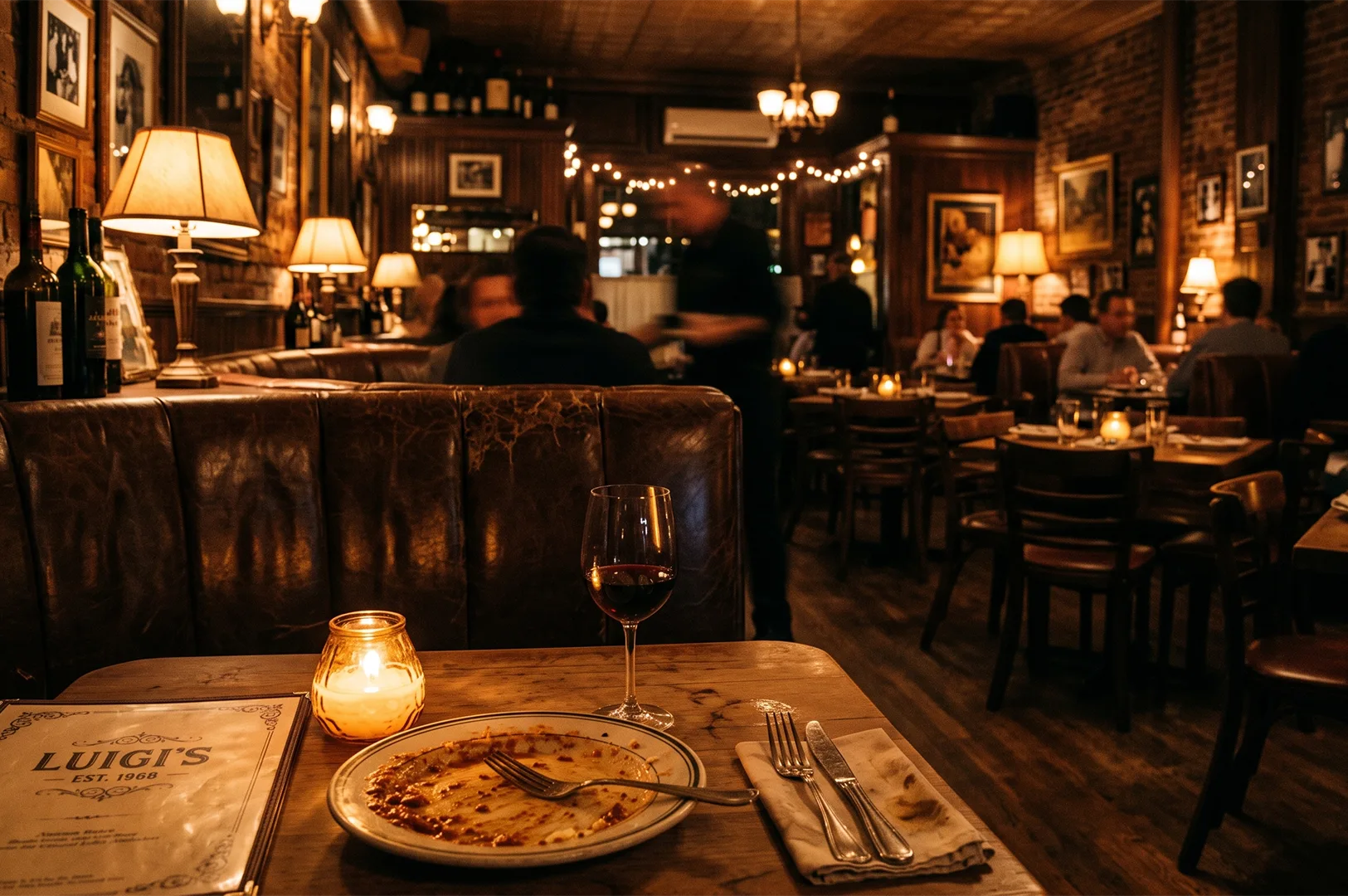

Some restaurants become beloved long before renovations are needed.
Regular guests love the furniture, the lighting, the table placement, and the atmosphere.
They form emotional attachments to details that owners may take for granted.
When renovation becomes necessary, founders face a dilemma. Change the space and risk losing nostalgia, or preserve familiarity and compromise efficiency?
The key is balance. Kitchens may need better workflow.
Tables might require spacing adjustments.
Lighting could be optimized for both service and comfort.
Subtle improvements can enhance the experience without erasing identity.
Communication is critical. Explaining why changes are made helps guests understand the intent. Minor adjustments become meaningful when they support service flow, safety, and comfort.
Every decision reflects respect for history and function. Renovation is not about erasing the past.
It is about carrying the spirit of the restaurant forward while making it work better for staff and guests alike.
Guests rarely see these decisions directly. They only notice a space that feels natural, intuitive, and comfortable.
The restaurant’s essence remains intact while performing more efficiently.
For examples of how owners navigate this balance, explore The Founder’s Dilemma: When Your Restaurant Needs to Change, But Your Guests Love It As It Is.