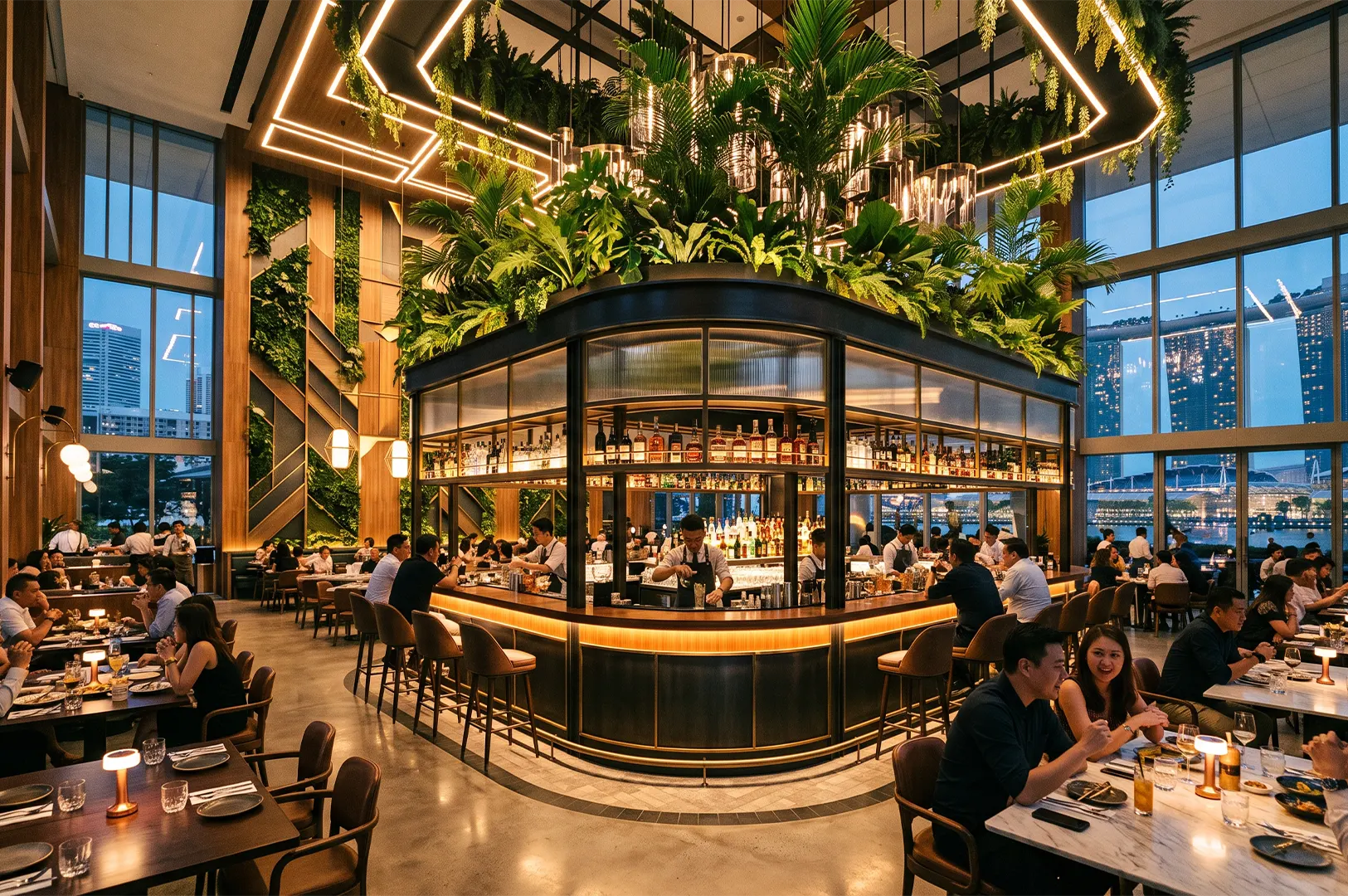

Singapore’s restaurant scene continues to evolve as diners look for more than just good food. Atmosphere, comfort and the overall experience now play a major role in how guests choose where to dine.
Restaurant renovation has become an important part of this shift. Instead of focusing only on visual upgrades, modern restaurants are redesigning their spaces to improve functionality, strengthen their identity and create environments that guests remember long after their meal.
From intimate dining rooms to flexible social spaces, renovation has become a powerful tool for restaurants to adapt to changing expectations.
Moving Beyond Traditional Restaurant Interiors
Restaurant design was once primarily focused on creating attractive dining rooms. Today, renovation projects are becoming more strategic, considering how every part of a space influences the guest journey.
A successful restaurant renovation looks at movement, comfort, lighting and atmosphere together. The layout should guide guests naturally through the space, while seating arrangements should support both social interaction and privacy.
Modern restaurants are also moving away from the idea of one large dining area. Instead, many renovations create different zones within the same restaurant, allowing spaces for casual meals, private celebrations, cocktails and quieter conversations.
The goal is not simply to make a restaurant look different. It is to make the entire experience work better.
Creating More Intimate Dining Spaces
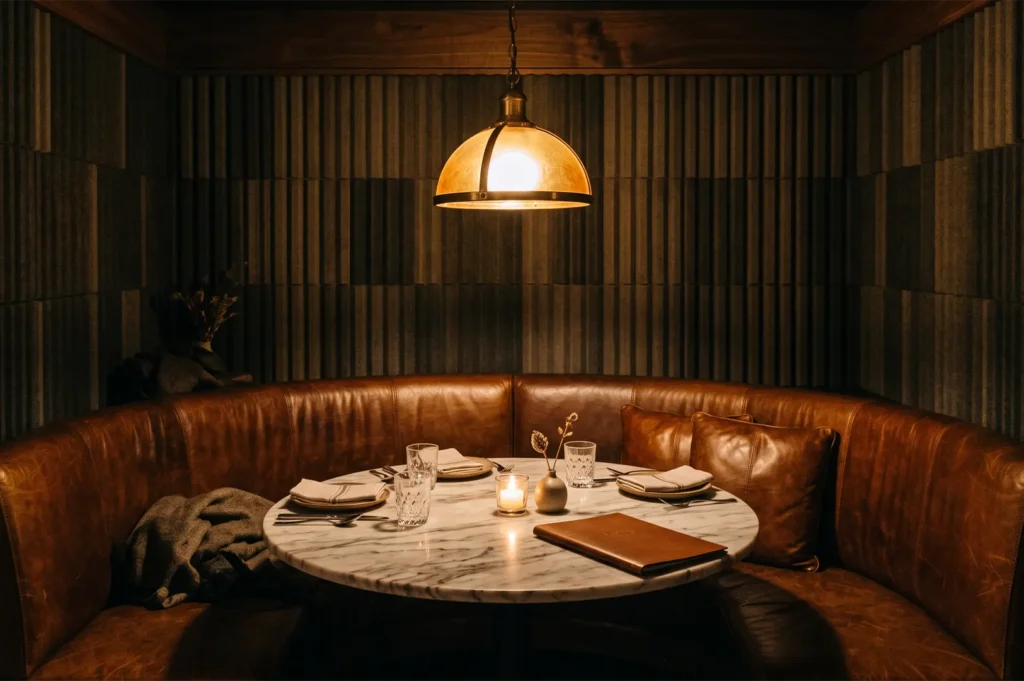
One of the strongest restaurant renovation trends in Singapore is the move towards more intimate dining environments.
As guests increasingly choose restaurants for celebrations, date nights and meaningful gatherings, designers are focusing on creating spaces that feel more personal. Large open layouts are being reconsidered, with more attention given to privacy, comfort and atmosphere.
Renovation projects often introduce elements such as:
- Private dining rooms
- Better spacing between tables
- Curved seating arrangements
- Softer lighting
These changes allow restaurants to provide a more comfortable experience without reducing their sense of energy.
To explore how restaurant renovations have changed the atmosphere and experience of dining spaces, learn more here.
Designing Restaurants Around Multiple Experiences
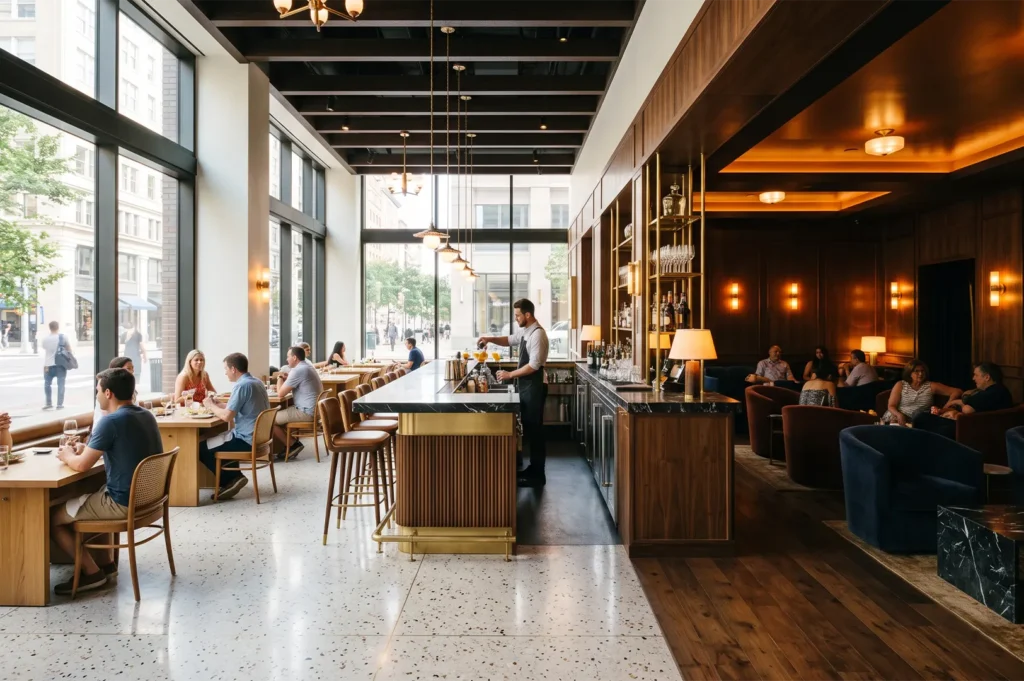
Modern diners expect restaurants to serve different purposes throughout the day. A venue may need to welcome guests for lunch, transition into dinner service and later become a cocktail or entertainment destination.
Restaurant renovations are increasingly designed around this flexibility.
Lighting, furniture placement and spatial planning allow restaurants to shift their atmosphere without requiring major changes between services. A bright daytime environment can gradually become warmer and more intimate in the evening.
A successful renovation considers the full journey, from the first impression when guests enter to the final moments before they leave.
Bringing Nature and Travel Inspiration Into Restaurant Design
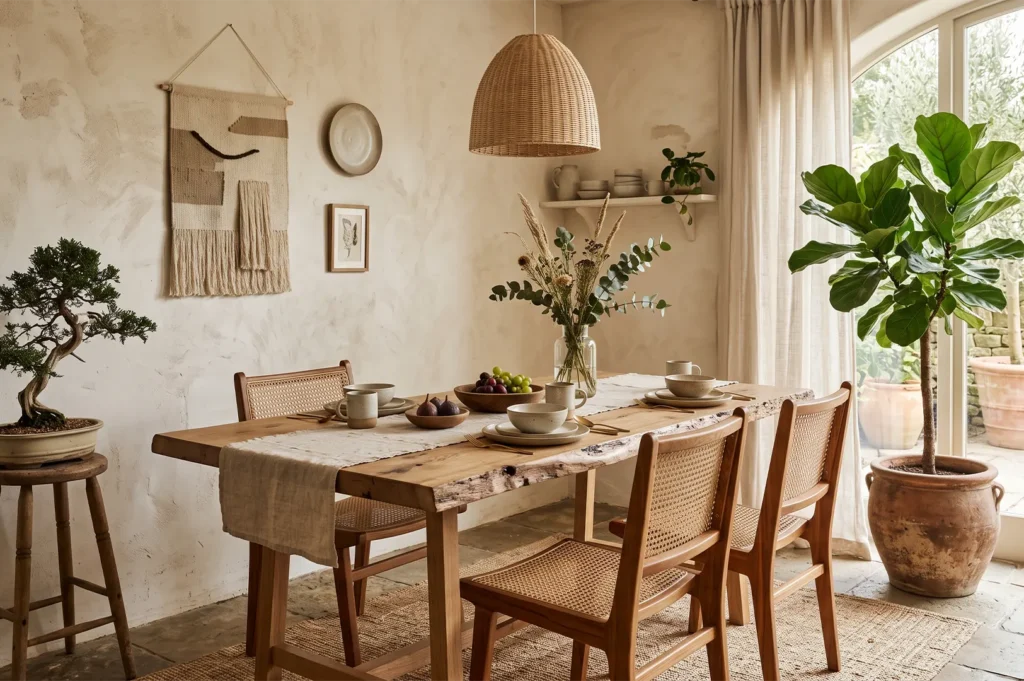
Another major trend in restaurant renovation is the use of design to create a sense of place.
Many restaurants are moving towards interiors inspired by destinations, cultures and natural environments. Instead of simply decorating a space, designers are creating an atmosphere that reflects a lifestyle or feeling.
This can be seen through:
- Natural materials
- Earth-inspired colours
- Greenery
- Handcrafted finishes
A Mediterranean-inspired restaurant may use warm textures and coastal elements to create a relaxed setting, while heritage restaurants may preserve historical details while introducing modern comfort.
The strongest designs avoid feeling artificial. They do not recreate another place completely; they capture the emotions associated with it.
Improving the Connection Between Kitchen and Dining Space
Restaurant renovation is not only about what guests see. Some of the most important improvements happen behind the scenes.
A well-designed restaurant must support the people working within it. Poor layouts can slow service, create unnecessary movement and affect consistency. Modern renovation projects increasingly consider kitchen workflow, staff movement and preparation areas alongside the guest-facing design.
Changes such as improved service paths, better storage and open kitchen concepts can create a smoother connection between the kitchen and dining room.
When operations improve, guests often experience the difference through better service and a more seamless meal.
The Growing Importance of Lighting Design
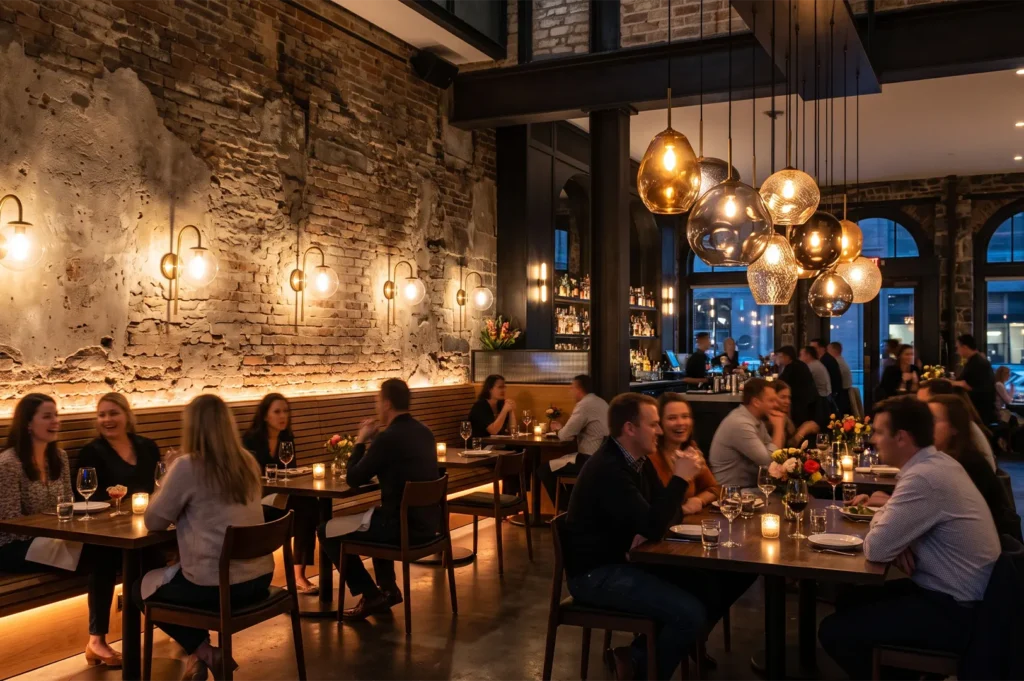
Lighting has become one of the most influential parts of modern restaurant renovation.
A restaurant’s lighting affects mood, comfort and even how guests perceive the space. Instead of relying only on overhead fixtures, designers are creating layered lighting systems that can adapt throughout the day.
Modern projects often combine:
- Ambient lighting for overall atmosphere
- Table lighting for intimacy
- Decorative fixtures for visual interest
- Natural light management
The same restaurant can feel bright and welcoming during lunch, then become warmer and more refined during dinner.
For restaurants competing in Singapore’s busy dining scene, this emotional impact can be just as important as the menu itself.
Balancing Heritage With Modern Expectations
Many established restaurants face the challenge of staying relevant while preserving their identity. Renovation provides an opportunity to refresh older spaces without removing the qualities that made them successful.
Rather than replacing their character completely, many restaurants are choosing to modernise carefully through updated furniture, improved layouts and refined finishes.
The most successful heritage renovations respect history while adapting to current expectations. A restaurant’s past can become one of its strongest advantages when combined with thoughtful design.
Designing Spaces for Social Dining and Celebrations
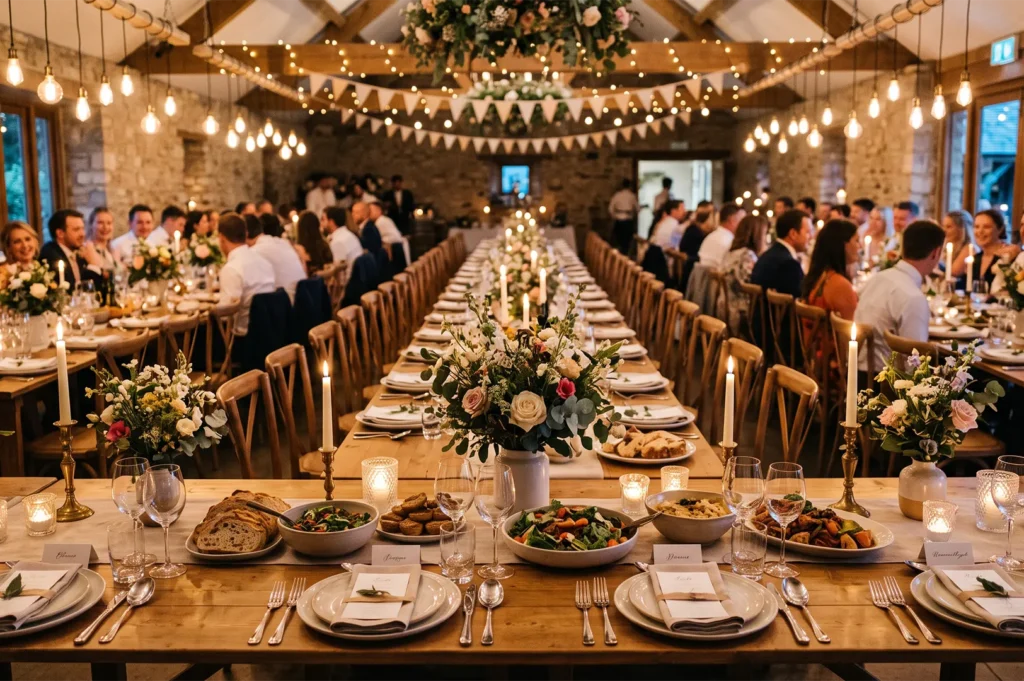
Restaurants are increasingly becoming destinations for experiences rather than simply places to eat.
Guests now choose venues for anniversaries, weddings, private gatherings and special occasions. As a result, renovation projects are creating spaces that can support different types of events.
Flexible layouts, private rooms and adaptable seating allow restaurants to accommodate different group sizes while maintaining their overall identity.
This shift reflects a broader change in dining culture. People are looking for places where they can create memories, not just consume a meal.
Sustainability and Long-Term Design Choices
Sustainability is also influencing how restaurants approach renovation.
Modern projects are paying more attention to durability, energy efficiency and responsible material choices. A successful renovation should continue working well years after completion rather than focusing only on immediate visual impact.
Long-term thinking benefits both restaurant owners and guests. Durable materials, efficient systems and practical layouts can create spaces that remain comfortable and relevant over time.
Why Restaurant Renovation Matters in Singapore’s Dining Industry
Singapore’s restaurant industry is highly competitive. New concepts appear regularly, and established restaurants must continue evolving to remain relevant.
Renovation provides restaurants with an opportunity to improve more than appearance. It can strengthen brand identity, improve operations and create a stronger connection with guests.
The most effective renovations understand that design and hospitality are closely connected. A restaurant’s interior is not simply a background for food—it influences how guests feel, interact and remember their experience.
The Future of Restaurant Design in Singapore
The future of restaurant renovation will likely focus on creating spaces that feel more flexible, personal and experience-driven. Restaurants will continue exploring designs that support different occasions, connect with their surroundings and respond to changing guest expectations.
The strongest restaurants will not be those that follow every trend. They will be the ones that understand their identity and use design to express it more clearly.
Good renovation does not replace great food or service. It strengthens them.
In Singapore’s evolving dining landscape, thoughtful restaurant renovation has become one of the most effective ways to create spaces that guests want to return to, and remember.
To explore more insights on restaurant transformations, renovation projects and design ideas, visit https://restaurantrenovations.com.sg/.