

Why Good Renovations Know What Not to Remove
A restaurant can remember.
Not in the way people do.
Its memory lives in worn timber, familiar corners, old tiles, faded signs, and the layout that regular guests have learned without thinking.
These details become part of the identity of a place.
Over time, guests stop seeing them as design elements.
They simply see them as the restaurant.
This is why renovation can be complicated.
Changing a restaurant is rarely just about making it newer.
It is about deciding what deserves to remain.
A founder may want a brighter dining room.
The kitchen may need a completely different workflow.
The furniture may have reached the end of its useful life.
Yet somewhere inside those changes is a question that matters more than colour palettes or finishes.
What should guests still recognise when they come back?
The answer is different for every restaurant.
Sometimes it is a counter that has been there since opening day.
Sometimes it is a particular wall, a window, or the way natural light enters the room.
Sometimes it is something as simple as the arrangement of tables.
These details can seem insignificant during a renovation meeting.
They are not insignificant to someone who has spent years dining there.
Renovation becomes more thoughtful when the existing space is treated as a starting point rather than an obstacle.
Not everything old needs to disappear.
Some things simply need to be understood.
A worn feature may be restored instead of replaced.
An old material can be reused in a new part of the restaurant.
A familiar visual element can remain while the surrounding layout evolves.
The result does not have to look exactly as it did before.
It only needs to retain a sense of continuity.
This balance is particularly important for restaurants with loyal regulars.
People return not only for food.
They return for familiarity.
They remember where they sat.
They remember the atmosphere.
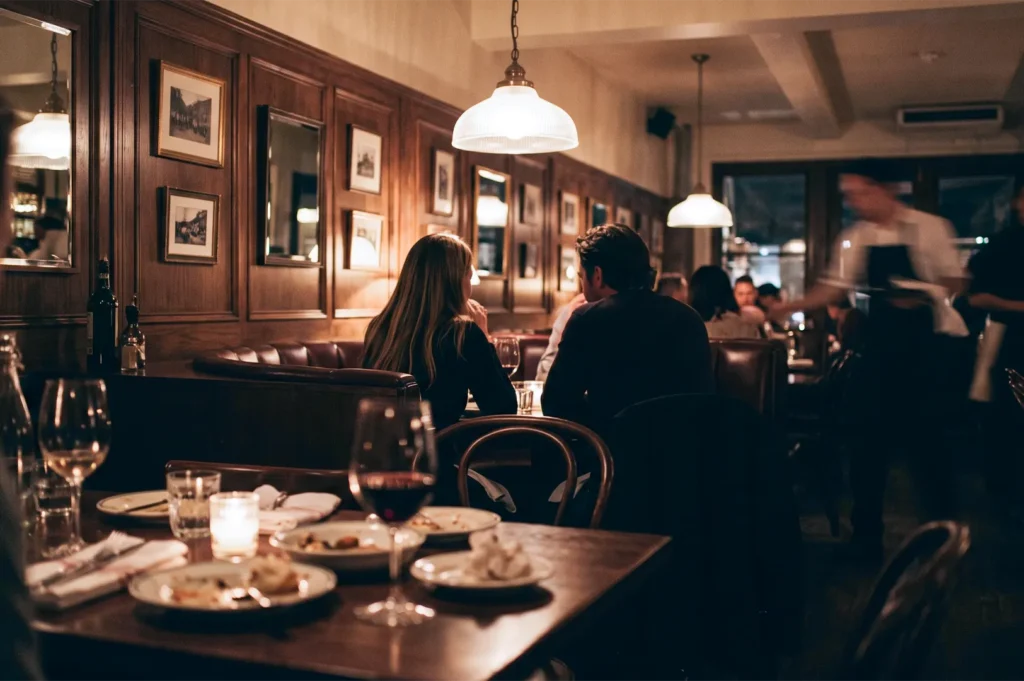
They remember how the restaurant felt during an important evening in their lives.
A renovation cannot preserve every memory.
Nor should it try to turn the restaurant into a museum.
The purpose of renovation is still progress.
Better workflow.
Better comfort.
Better use of space.
Better support for the people who operate the restaurant every day.
But progress does not require forgetting where the restaurant came from.
In fact, understanding the existing identity can make the new design stronger.
The new space feels less like a replacement.
It feels like the next chapter.
This is where restaurant renovation becomes more than construction.
It becomes an exercise in editing.
Some elements are removed.
Some are improved.
Some are kept precisely because they still matter.
The best renovations understand that a restaurant's character cannot always be designed from scratch.
Sometimes it has already been earned.
And the smartest thing a renovation team can do is recognise it before the walls come down.
For more on preserving character while creating something new, explore The Founder’s Dilemma: When Your Restaurant Needs to Change, But Your Guests Love It As It Is.