Princess Terrace: How Renovation Preserved a Penang Legacy in Singapore
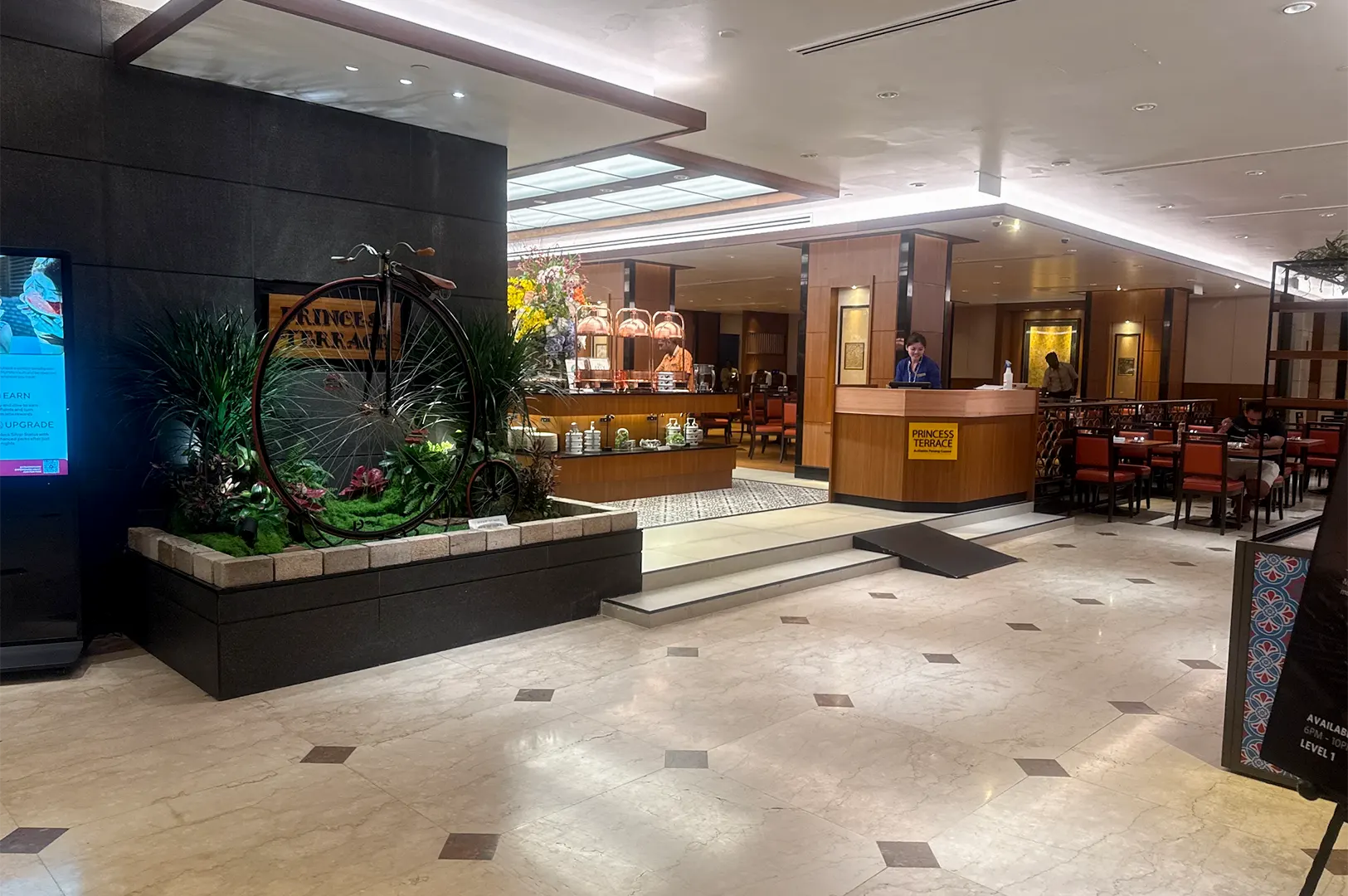
A restaurant that has served the same culinary tradition for more than five decades has something worth protecting. Princess Terrace has been associated with Penang food since 1970, so its renovation was never simply about making the room look newer. The restaurant has offered authentic Penang cuisine since 1970, giving guests a chance to enjoy familiar flavours and discover something fresh with every visit.
At Copthorne King’s Hotel Singapore, the restaurant has evolved while keeping its Penang identity at the centre. The changes, from an earlier introduction of an open kitchen and expanded dining areas to the more recent renovation in 2026, show how a heritage buffet can be refreshed without losing the character that made guests return. The buffet presents a wide array of dishes, and its extensive buffet selection gives families and friends time to explore different flavours together.
Princess Terrace: The Renovation at a Glance
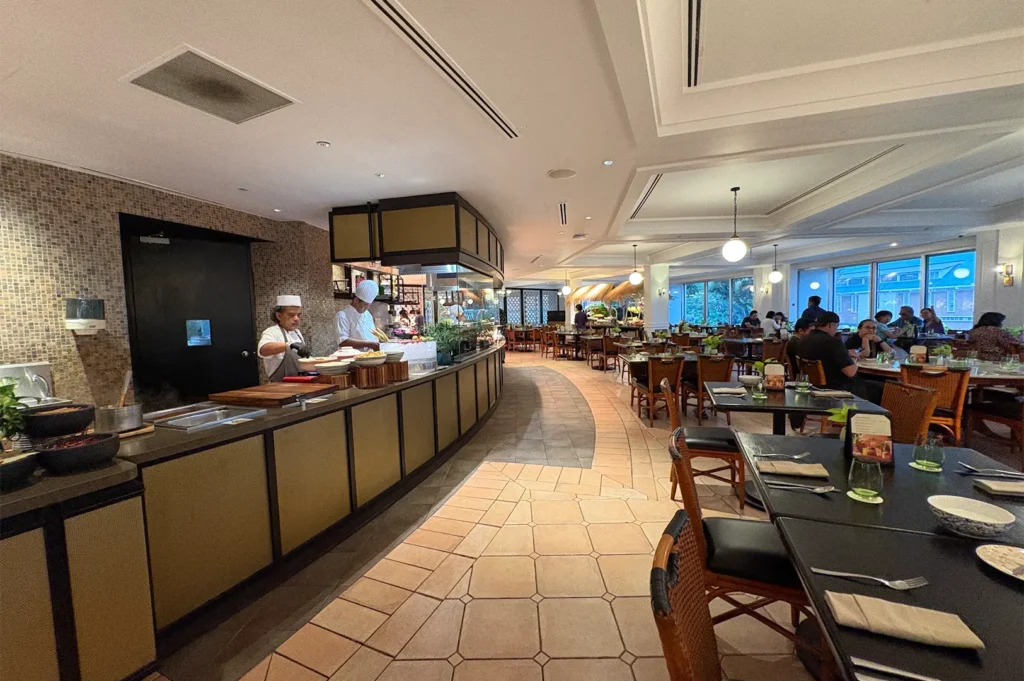
There are actually two important renovation chapters to consider. The first came during a major hotel refurbishment in the early 2000s. Princess Terrace received a refreshed interior, an open kitchen and additional dining space created from former lobby shops, including an alfresco area.
Then, in early 2026, the restaurant underwent another renovation. During the works, the buffet temporarily moved into a function space before returning to its regular restaurant setting.
What changed over the years?
Before the earlier refurbishment
- Princess Terrace was already known for Penang cuisine.
- Food preparation was less visible to diners.
- The dining footprint was more limited.
After the refurbishment
- An open kitchen brought chefs and food preparation into view.
- Former lobby shop areas became additional dining space.
- Alfresco dining was introduced.
- The restaurant became more interactive and spacious.
The 2026 renovation
- Temporarily relocated buffet operations while renovation works were carried out.
- Refreshed the restaurant for its next chapter.
- Retained the established Penang buffet concept.
Why the Open Kitchen Still Matters
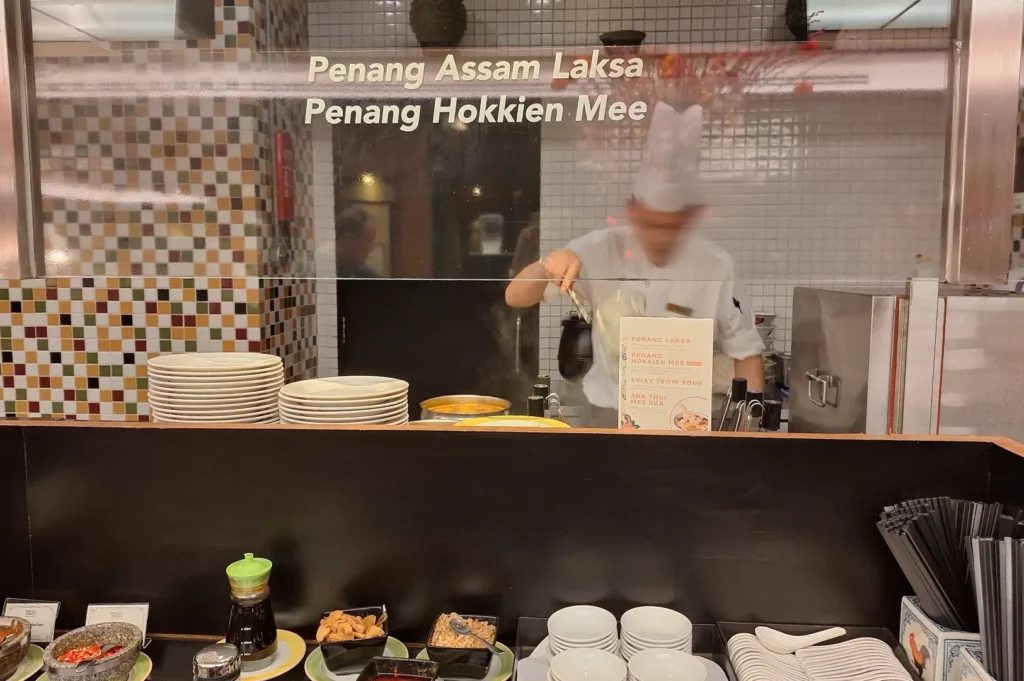
Of all the renovation changes documented publicly, the introduction of the open kitchen is perhaps the most meaningful. It changed the relationship between guests and food. Instead of receiving dishes from a hidden kitchen, diners could watch chefs prepare them. The restaurant became more than a place to eat; preparation became part of the experience and a moment to capture, from the lively cooking to the aromas drifting across the room.
That idea remains visible today. Live stations continue to feature dishes such as Penang Hokkien Mee, kway teow th’ng and Penang laksa, renowned for its rich and tangy broth. Other buffet highlights include Prawn Noodles and a live BBQ seafood station. There is something particularly appropriate about this for a heritage restaurant. Watching a dish being prepared gives the tradition a sense of movement rather than presenting it as something preserved behind glass. Guests can indulge in the food, enjoy the atmosphere and appreciate the craft behind each plate.
Copthorne King’s Hotel Singapore: A Buffet With a Sense of Place
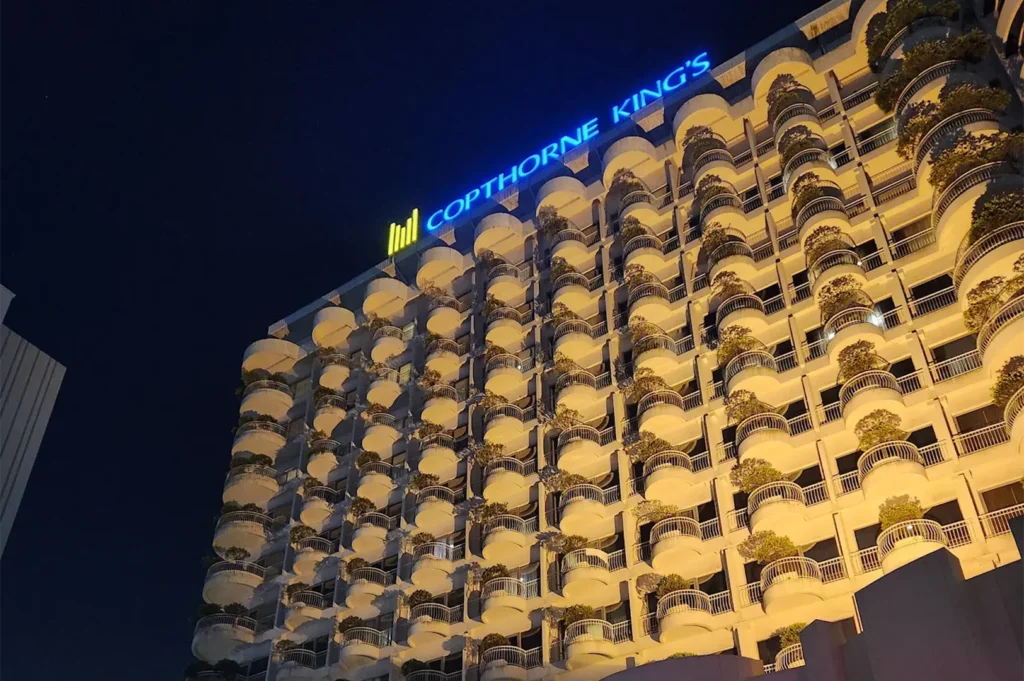
The setting is part of the story. Copthorne King’s Hotel Singapore is located at 403 Havelock Road, away from the most heavily visited dining areas of central Singapore. Princess Terrace consequently feels more like a destination within the hotel than a restaurant trying to compete through spectacle.
Its atmosphere continues to draw from Penang and George Town, with a rustic, nostalgic character and staff wearing traditional kebaya. That gives the renovated restaurant a clear purpose. The room does not need to imitate a fashionable modern buffet. It needs to provide an appropriate setting for the food, making guests happy to return and bringing a little of Penang’s character closer to home.
Authentic Penang Buffet: What Remains on the Table
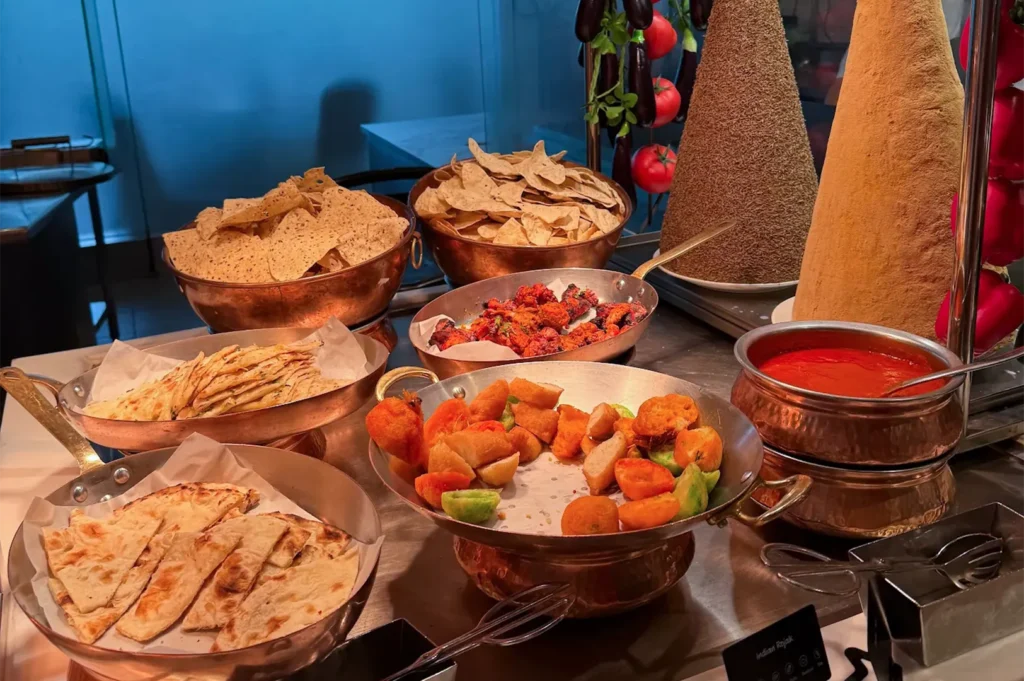
The strongest evidence that the renovation respected the restaurant’s identity is the food itself. Princess Terrace remains an authentic Penang buffet, with an extensive selection of dishes inspired by the island’s street-food culture. Its signature dishes include Penang Hokkien Mee and Belacan Chicken Wings, alongside homemade Nyonya Kuehs and Durian Bang Chang Kueh.
A typical spread can include:
- Penang laksa, known for its rich, tangy broth and familiar sour-spicy character.
- Char kway teow for its smoky, savoury depth.
- Kueh pie tee, crispy pastry cups filled with savoury turnip.
- Homemade Nyonya kueh for a traditional sweet finish.
- Satay and chicken wings for familiar crowd-pleasers.
- Prawn Noodles and other Chinese and Asian dishes that broaden the buffet.
The variety is useful for groups. Parents can introduce children to Penang flavours while still finding familiar dishes, and friends can build a meal around different tastes. Kids can sample a little at a time, and adults can explore the spice and depth of the regional dishes.
Authentic Penang Cuisine, Without the Formality
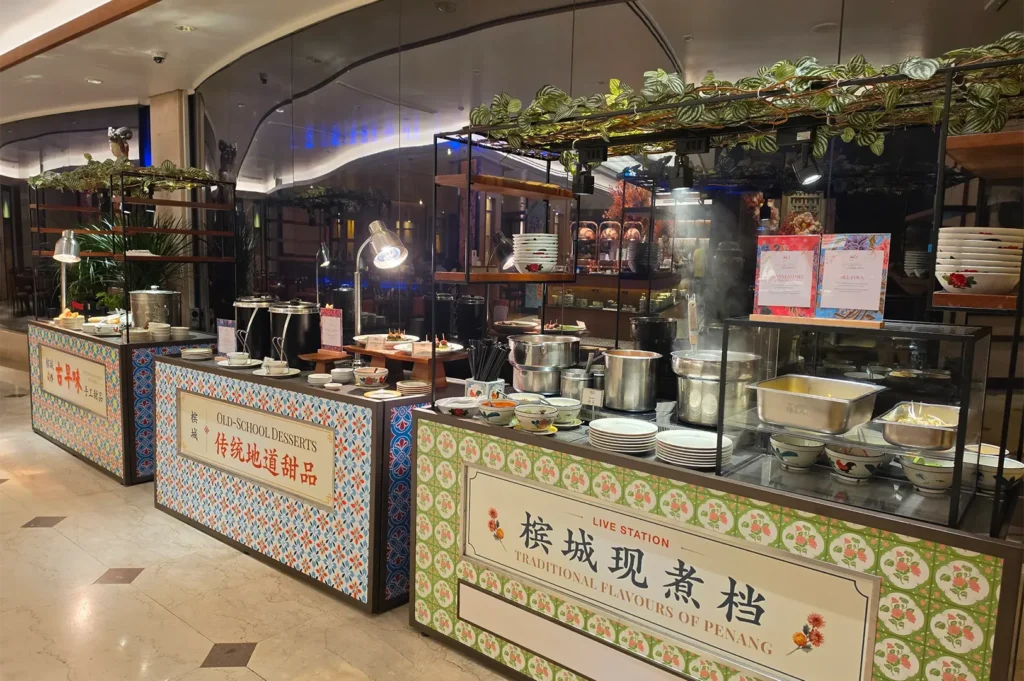
Princess Terrace’s strength is that it presents authentic Penang cuisine without making the experience feel overly formal. The buffet format encourages guests to explore. One plate might contain noodles, another seafood, and another a selection of snacks or desserts. The meal becomes a personal tour through Penang rather than a fixed progression. A refreshing drink can be a welcome pause between savoury dishes.
The live stations strengthen that feeling. Freshly prepared food adds sound, aroma and movement to the room, making the buffet feel active rather than static. For a restaurant built around tradition, that is important. The food feels alive, and guests can be excited to see familiar favourites prepared before them.
Penang Buffet Meets Family Dining
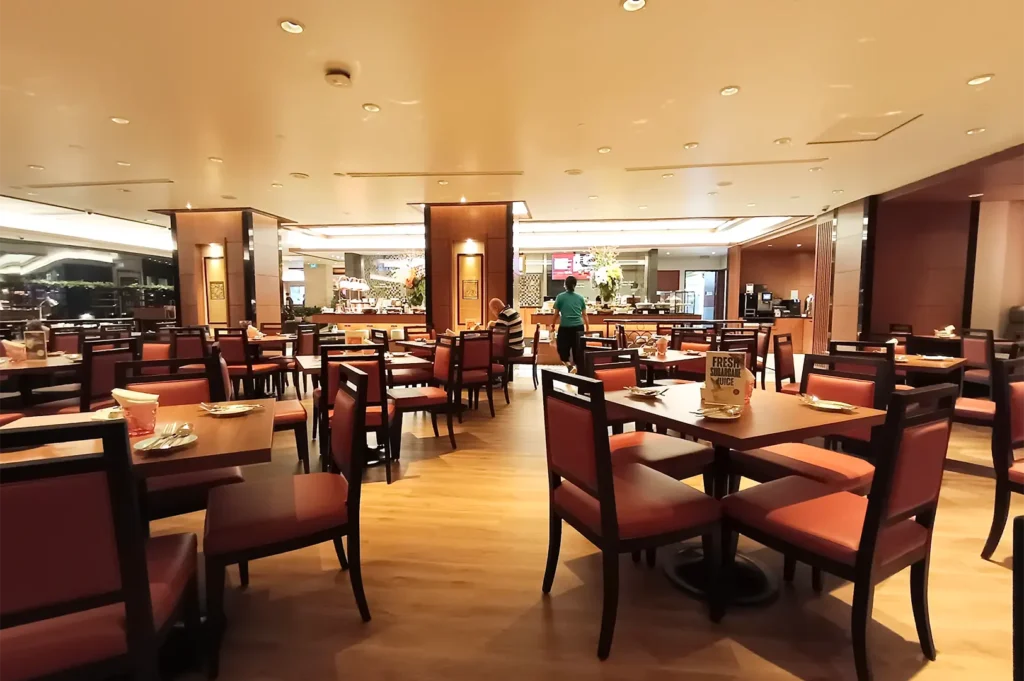
The restaurant’s format also explains why it remains suitable for family gatherings. A large group does not need to agree on one meal. There is enough variety for different generations and preferences, while the buffet encourages everyone to share the experience. Children 5 years old and below dine for free, making a visit easier for families planning a meal together.
The restaurant can work equally well for:
- Family dinners
- Meals with friends
- Casual celebrations
- Hotel guests exploring local food
- Visitors looking for a heritage dining experience
The renovated environment supports this flexibility without turning the restaurant into a generic all-purpose buffet. For current details, consult the hotel’s website or app before setting out.
Curious to see how other buffet Singapore venues have transformed their dining spaces? Explore the full renovation guide here.
Rich Heritage: What Should a Renovation Preserve?
This is where I think Princess Terrace’s renovation becomes most interesting. A restaurant with more than 50 years of history cannot renovate in the same way as a newly opened venue. Its history is part of its value. The danger is obvious: modernise too aggressively and the restaurant loses its personality; change too little and it risks feeling stuck in another era.
Princess Terrace appears to have taken the middle route. The rich heritage remains visible through its Penang food, live cooking, nostalgic setting and service traditions, while renovation allows the physical restaurant to continue evolving. That is a more meaningful measure of success than whether the interior simply looks new. The goal is to preserve what makes diners happy while giving the next generation a reason to visit.
Copthorne Kings: What to Know Before You Visit
For readers planning a visit to Copthorne Kings, the practical details are straightforward:
| Detail | Information |
|---|---|
| Location | 403 Havelock Road, Singapore |
| Lunch | 12pm–2:30pm |
| Afternoon tea | 3pm–5pm |
| Dinner | 6pm–10pm |
| Cuisine | Penang and Asian buffet |
| Reservations | Recommended for busy periods |
| Current offers | Check the hotel’s latest promotions and discounts |
Prices can vary by dining period and seasonal promotion, so guests should check the current rates before visiting. Lunch is generally served from Monday to Friday (Mon–Fri) and dinner schedules vary by day, including Thursday (Thu) and Friday (Fri); confirm the latest timings directly with the hotel to plan your visit.
The restaurant also continues to introduce new experiences. Its 2026 Penang Four-Hands Buffet collaboration with Beast & Butterflies brought another layer to the established concept, showing that the restaurant can experiment without abandoning its foundation. Whether visiting by day or night, check the latest details so you know what to expect and when the buffet service will end.
The Renovation’s Real Achievement
I would not describe Princess Terrace as a restaurant that became completely different after renovation. That would miss the point. Its real achievement is continuity. The earlier refurbishment made cooking more visible and expanded the dining environment. The 2026 renovation represents another investment in keeping the restaurant relevant, while its current food continues to honour the Penang tradition that has defined it for decades.
The result is a buffet where the physical environment supports the food rather than competing with it. For me, that is the most convincing form of dining enovation for a heritage restaurant. The goal is not to erase the past or make everything look new. It is to create a better place for that past to continue.