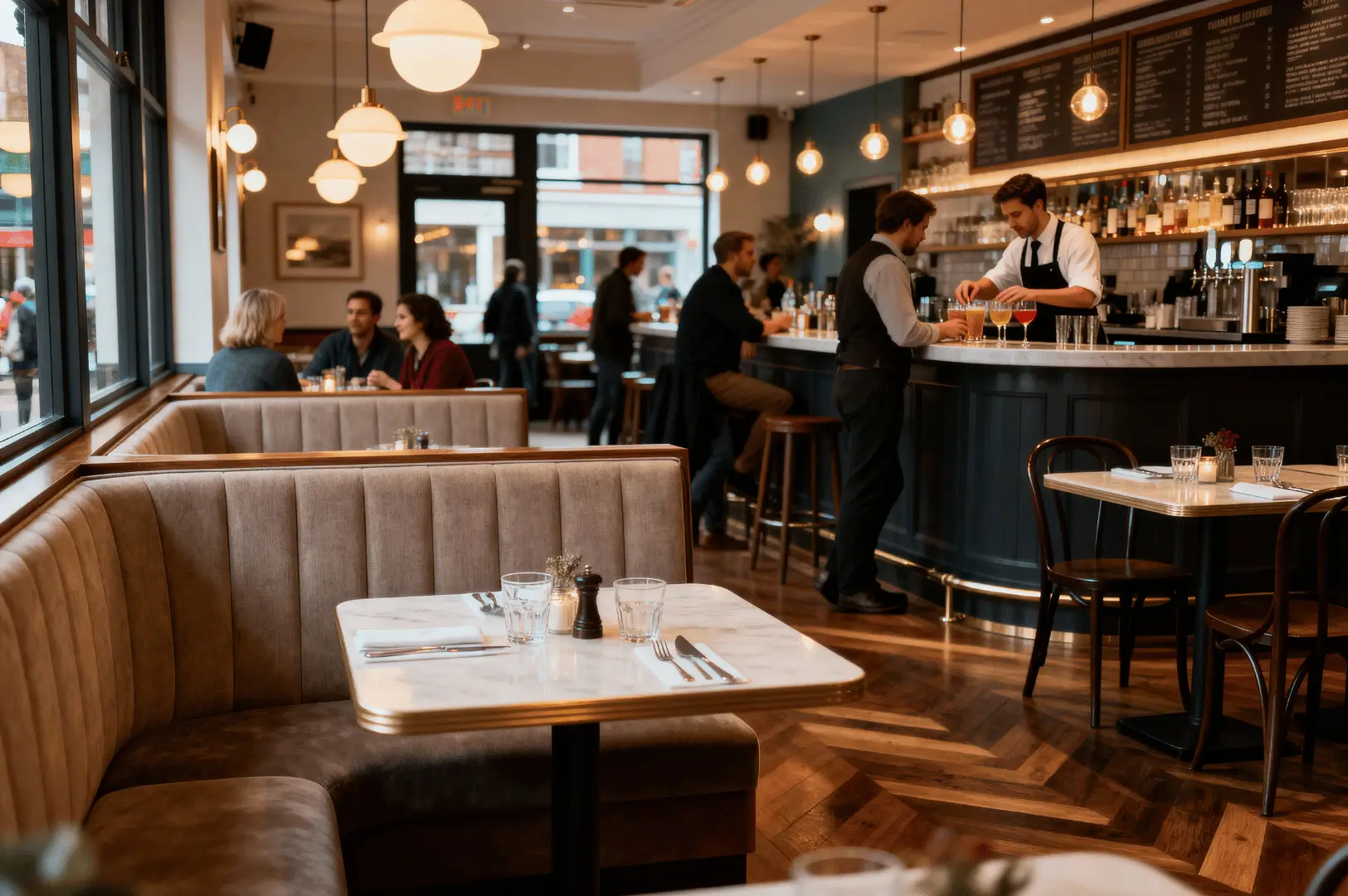

A few years ago, a beloved neighborhood bistro was on the brink of failure. The food was excellent, the service was friendly, but the dining room felt dated—faded upholstery, dim lighting, and a cramped bar that no longer fit the restaurant’s brand identity. The owners took a risk, securing financing not for advertising, but for a targeted restaurant renovation. They updated the lighting, refreshed the booths, and reimagined the bar as a lively social hub.
Embarking on a restaurant renovation is an exciting venture, filled with enthusiasm for transformation but also requiring significant investment and careful planning.
The result? Within six months, sales volume rose 30%, foot traffic increased, and reservations had a three-week waiting list.
This story highlights the power of strategic investments. For restaurant owners, renovations can be daunting due to renovation costs, hidden costs, and the challenge of balancing aesthetics with operational efficiency. Yet not all projects are created equal. This guide breaks down which upgrades deliver the strongest restaurant renovation ROI, how to budget effectively, and which key factors to consider before committing significant investments.
The Business Case for Restaurant Renovation ROI
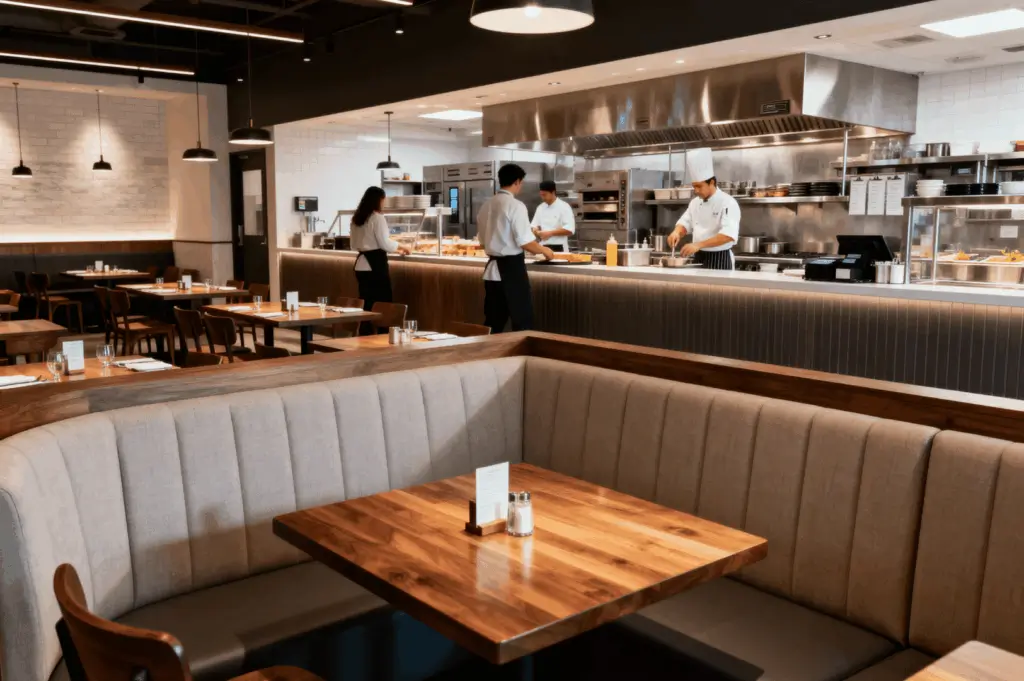
A well-planned renovation is more than cosmetic—it’s a strategic move in a competitive market. Data shows that targeted upgrades in the restaurant industry can boost revenue between 5% and 20%. But the benefits extend beyond immediate profit margins.
- Customer Experience & Satisfaction: A refreshed dining area elevates perception, helps justify menu price increases, and encourages repeat visits.
- Operational Efficiency: Back-of-house improvements streamline operations, cut ticket times, and reduce labor costs.
- Restaurant’s Profitability: Strategic design and layout updates can boost revenue streams while lowering operating costs.
With careful planning, renovation work becomes a long-term investment in your restaurant’s performance and brand identity. Monitoring and improving your restaurant’s performance is essential for maximizing ROI.
Commercial Renovation Costs: Spending Where It Counts
Studies show that exposure to natural elements reduces cortisol, the stress hormone, resulting in calmer and happier custoRenovation costs vary widely depending on the project’s scope, square foot pricing, and local building department regulations. For restaurants, every dollar of initial investment needs to be tied to measurable returns.
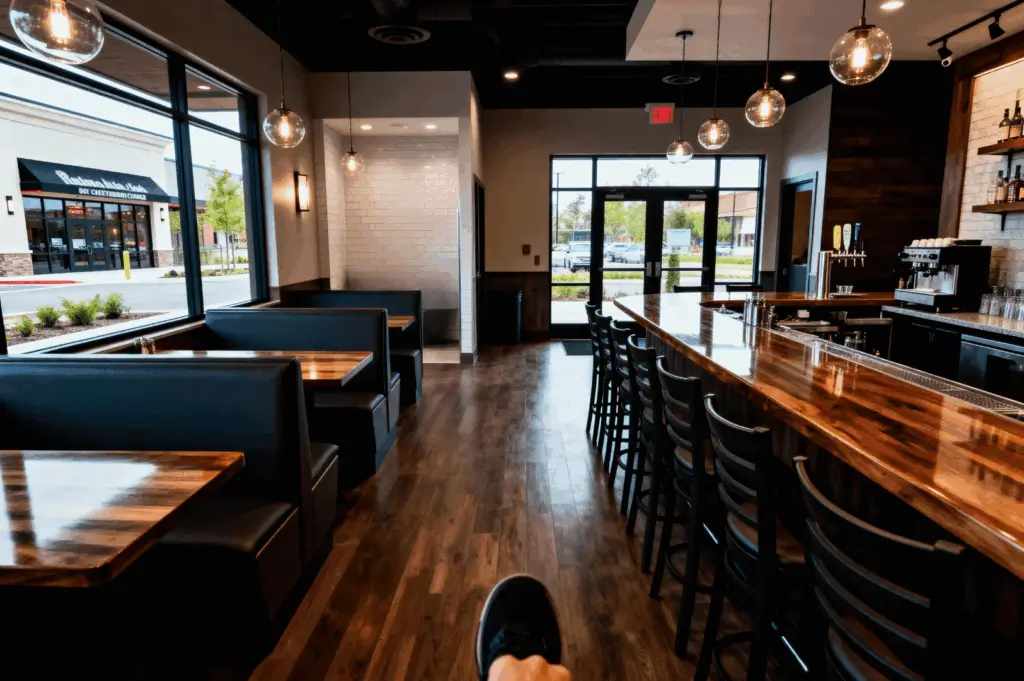
- Dining Room & Bar: $75–$250+ per square foot. High ROI, as refreshed interiors can significantly boost revenue and encourage repeat visits.
- Restrooms: $10,000–$35,000+. Small footprint, but customer feedback consistently ranks restrooms as a major factor in customer behavior.
- Exterior Transformations: $5,000 for signage to $100,000+ for full façade and patio renovations. ROI can be very high in high-traffic retail space.
Key factors such as project management, realistic budget setting, and securing permit approvals help prevent costly delays that eat into profit margins.
Dining Area Renovations: Where First Impressions Drive ROI
The dining room is your stage, and your customers’ perception starts the moment they walk in.
Strategic investments here consistently deliver strong returns:
- Flexible seating (booths, two-tops, communal tables) improves table turnover.
- Acoustic treatments enhance the overall dining experience.
- Updated lighting can reduce energy use while creating atmosphere.
- Bar redesigns often double as revenue stream centers through higher-margin alcohol sales.
Labor Costs and Operational Efficiency in Renovation Work
Even small restaurants, cafes, and bars can leverage biophilic design. For bars, consider sustainable and eco-friendly design Behind the scenes, the kitchen drives food quality and customer satisfaction. Renovating back-of-house spaces often provides one of the highest restaurant ROI opportunities.
- Kitchen Upgrades & Equipment Purchases: $5,000 for individual pieces to $200,000+ for complete overhauls. Gains include improved efficiency, lower operating costs, and better staff retention.
- Workflow Redesign: Organizing prep and cook lines reduces bottlenecks and ticket times.
- Technology Integration: Cloud-based POS, kitchen display systems, and pay-at-table solutions streamline operations, capture customer data, and improve business operations.
While labor costs increase during renovations, the long-term payoff comes from improved efficiency and reduced staff turnover.
Hidden Costs: What Restaurant Owners Must Anticipate
Many restaurant owners underestimate the hidden costs of renovations. Beyond actual costs of materials and equipment, projects often face:
- Permit approvals from the local building department.
- Fire suppression systems, grease traps, and electrical systems upgrades to meet fire safety codes.
- Extended construction timelines leading to lost sales and costly delays.
- Labor cost overruns if the project’s scope isn’t clearly defined.
Building a realistic budget that factors in multiple factors—such as construction labor, equipment purchases, and fire safety compliance—prevents unpleasant surprises.
Business Operations: How Renovations Impact Daily Performance
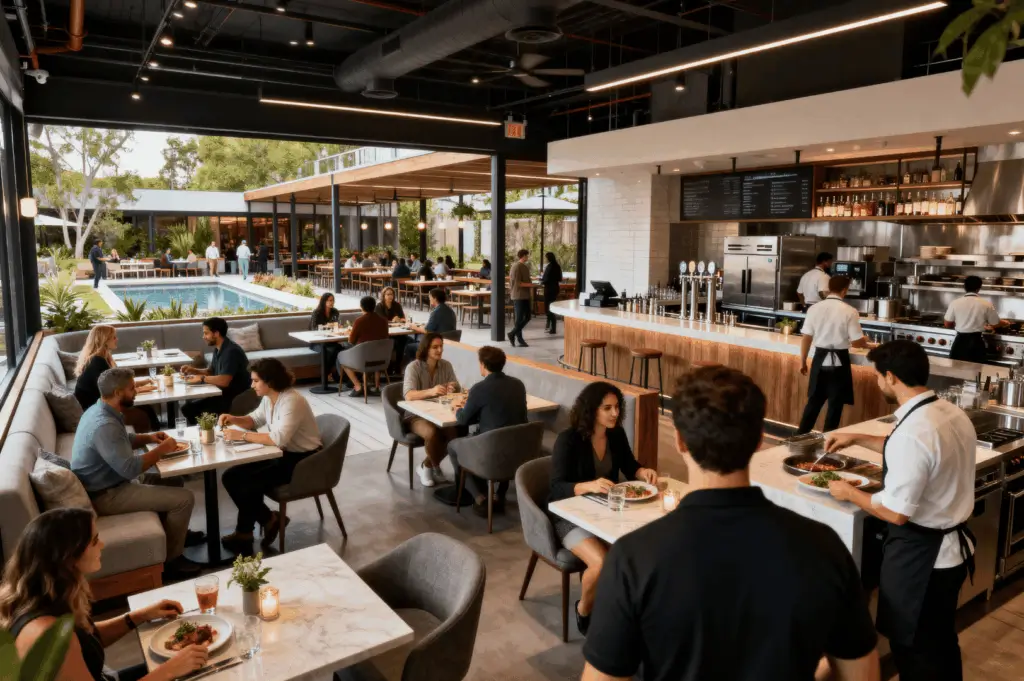
Every renovation touches your business model. For fine dining concepts, the focus may be luxury finishes; for casual diners, it may be maximizing seating efficiency. Either way, improvements should support long-term success.
Key areas of impact include:
- Customer Behavior: Modern, comfortable spaces increase dwell time and repeat visits.
- Sales Volume: Expanded patios, new bar layouts, or reimagined menu items directly increase revenue.
- Operational Costs: Energy efficiency upgrades reduce utility bills year after year.
- Restaurant’s Profitability: Investments in both FOH and BOH contribute to consistent net gain.
Cost Effective Renovations with Outsized Returns
Not every renovation requires significant investments. Smaller, cost-effective updates can still deliver strong return on investment:
- Paint & Lighting: Fresh colors and dimmable fixtures change mood and cut energy use.
- Uniforms: Present a professional image for less than $150 per employee.
- Menu Redesign: Clear, strategically designed menus highlight profitable menu items and boost revenue.
These projects allow restaurant owners to refresh their dining room without stretching their renovation budget.
Key Performance Indicators to Measure Renovation Success
Tracking key performance indicators (KPIs) ensures that renovation work translates to measurable business results. Metrics to monitor include:
- Sales revenue (food vs. alcohol).
- Table turnover and customer counts.
- Average check size.
- Repeat visits and customer feedback.
- Utility savings from energy upgrades.
- Staff turnover after kitchen upgrades.
Comparing these numbers before and after renovations helps calculate average ROI and guide future strategic investments.
Key Factors That Influence Restaurant Renovation ROI
MSeveral key factors determine how well renovations boost revenue:
- Type of restaurant (fine dining vs. casual diner).
- Size of renovation work and square foot costs.
- Location and foot traffic.
- Project’s scope and timeline.
- Financing options and initial investment capacity.
Recognizing that not all renovations are created equal helps restaurant owners allocate their renovation budget wisely.
Average ROI by Renovation Type
Industry benchmarks provide a reference point for restaurant ROI:
- Dining room/bar renovations: High average ROI, often exceeding 100% in two years.
- Restrooms: ROI driven by customer satisfaction and repeat visits.
- Kitchen upgrades: Strong ROI through improved efficiency and reduced operating costs.
- Exterior updates: ROI varies widely, but outdoor seating is consistently profitable.
Every project’s outcome depends on careful planning, actual costs versus estimates, and avoiding costly delays.
Fire Safety and Compliance: Essential Renovation Considerations
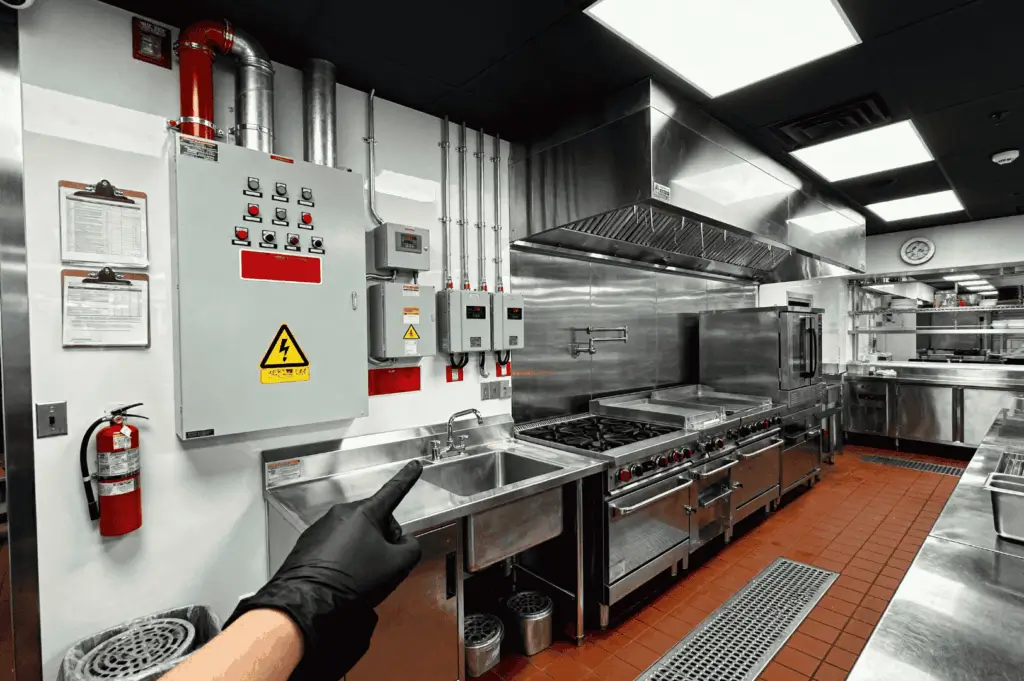
Any renovation in commercial kitchens must address compliance.
- Fire suppression systems and grease traps are mandatory in most jurisdictions.
- Electrical systems must meet updated codes for safety and efficiency.
- Fire safety compliance protects both staff and diners, while reducing insurance risks.
Ignoring compliance requirements can halt renovation work entirely and cost significantly in fines or legal issues.
Financing Options for Restaurant Renovations
Funding is often the biggest challenge for restaurant owners considering renovations. Available financing options include:
- Business Loans: Traditional or SBA-backed, best for established restaurants.
- Equipment Financing: Tied directly to kitchen equipment purchases.
- Merchant Cash Advances: Fast but high-cost option.
- Crowdfunding: Platforms supporting exciting ventures with community buy-in.
Selecting the right financing strategy ensures your initial investment doesn’t compromise long-term success.
Menu Item Pricing and Strategy: Leveraging Renovations for Profitability
When planning a restaurant renovation, it’s crucial for restaurant owners to look beyond the physical transformation and consider how menu item pricing and strategy can amplify their return on investment. A thoughtfully engineered menu, paired with a refreshed dining area, can significantly boost revenue streams, improve operational efficiency, and enhance the overall customer experience.
Menu engineering is a powerful tool in the restaurant industry, allowing operators to analyze customer feedback and sales data to identify which menu items drive profit margins and which may need rethinking. By strategically pricing popular items—think crowd-pleasers like french fries or signature dishes—restaurants can encourage guests to order more, increasing both sales volume and average check size. This approach not only attracts new customers but also helps retain existing customers by delivering great food at perceived value.
Renovations present the perfect opportunity to revisit your menu strategy. For example, upgrading kitchen equipment or integrating new technology can streamline operations, reduce labor costs, and improve food quality, making it easier to introduce new menu items or adjust portion sizes for better profitability. In a casual dining setting, a simplified menu with well-priced favorites can speed up service and boost repeat business. For fine dining, a unique, upscale menu can justify premium pricing and create a memorable dining experience that encourages repeat visits.
Budgeting effectively for both renovations and menu strategy requires considering multiple factors, including renovation costs per square foot, equipment purchases, and potential hidden costs like permit approvals or costly delays from the local building department. By setting a realistic budget and planning for these variables, restaurant owners can ensure their investment delivers measurable results.
Tracking key performance indicators—such as customer satisfaction, profit margins, and sales volume—before and after renovations helps identify which menu changes are most effective. Offering flexible pricing options, like happy hour specials or loyalty programs, can further boost revenue and encourage guests to return.
Sustainability is another key factor. Incorporating recycled materials in renovations and investing in energy-efficient kitchen equipment not only reduces operating costs but also appeals to environmentally conscious diners, enhancing your brand reputation.
Ultimately, integrating menu item pricing and strategy with your restaurant renovation plan creates a competitive advantage in a crowded market. By leveraging data-driven insights and making strategic investments, restaurants can boost revenue, streamline operations, and build a foundation for long-term success—whether launching a new restaurant or revitalizing an established one.
Conclusion: Building for Long-Term Success
Restaurant renovation is more than new paint or furniture—it’s a calculated investment in your restaurant’s profitability and long-term survival. By aligning your renovation budget with strategic goals, managing hidden costs, and tracking key performance indicators, you ensure every dollar contributes to measurable results.
With careful planning, improved efficiency, and a focus on customer satisfaction, the right renovation can boost revenue, retain customers, and strengthen your brand identity in a crowded market. For restaurant owners, it’s not just about creating a beautiful dining experience—it’s about building a sustainable business that thrives for years to come. To plan a renovation that maximizes results without overspending, explore our Restaurant Renovation Budget Allocation Guide on Restaurant Renovations.