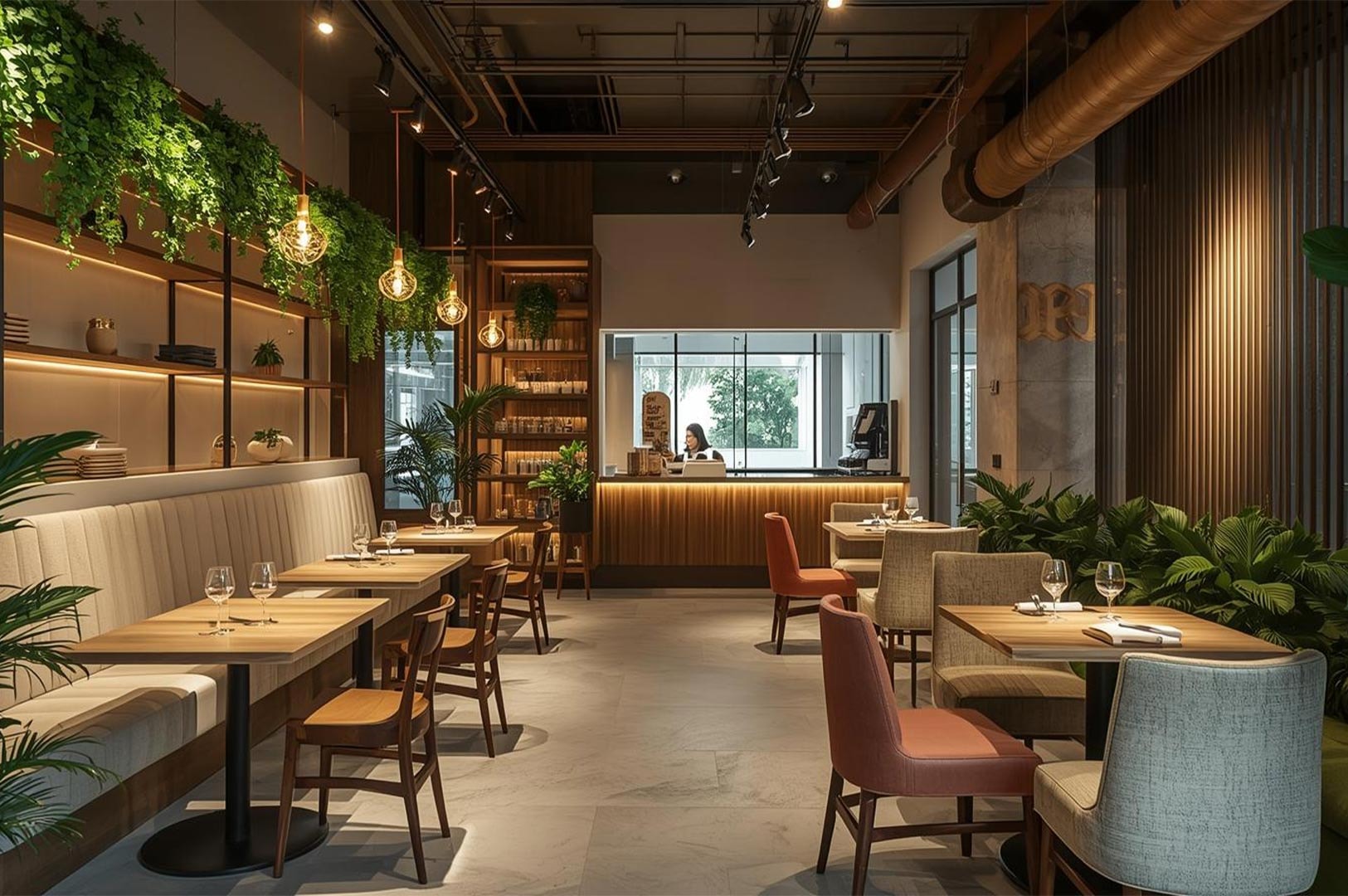

Answering Your Key Question: Can Restaurant Interior Design in Singapore Be Cheap Yet Effective?
F&B owners in Singapore can absolutely achieve impactful restaurant renovations on budgets ranging from approximately S$30,000 to S$150,000, depending on the size and scope of the project. The key lies in strategic decision-making, not cutting corners.
When we talk about cheap interior design singapore, we’re not referring to flimsy finishes or compromised quality. Instead, we mean cost-efficient, thoughtful design choices that improve revenue per seat and customer satisfaction. This approach prioritises functional design solutions over unnecessary luxuries while still creating a visually appealing environment that keeps diners coming back.
Whether you’re a first time homeowner of an F&B concept, planning a rebrand, or simply refreshing your existing space for 2025-2026, this guide targets restaurant owners and entrepreneurs who want results without overspending.
Three core benefits of strategic, budget-friendly restaurant design:
- Better customer experience through improved ambience and comfort
- Higher operational efficiency via smarter layout planning
- Controlled renovation budget with clear priorities and contingencies
Why Interior Design Matters for Budget-Conscious Restaurants in Singapore
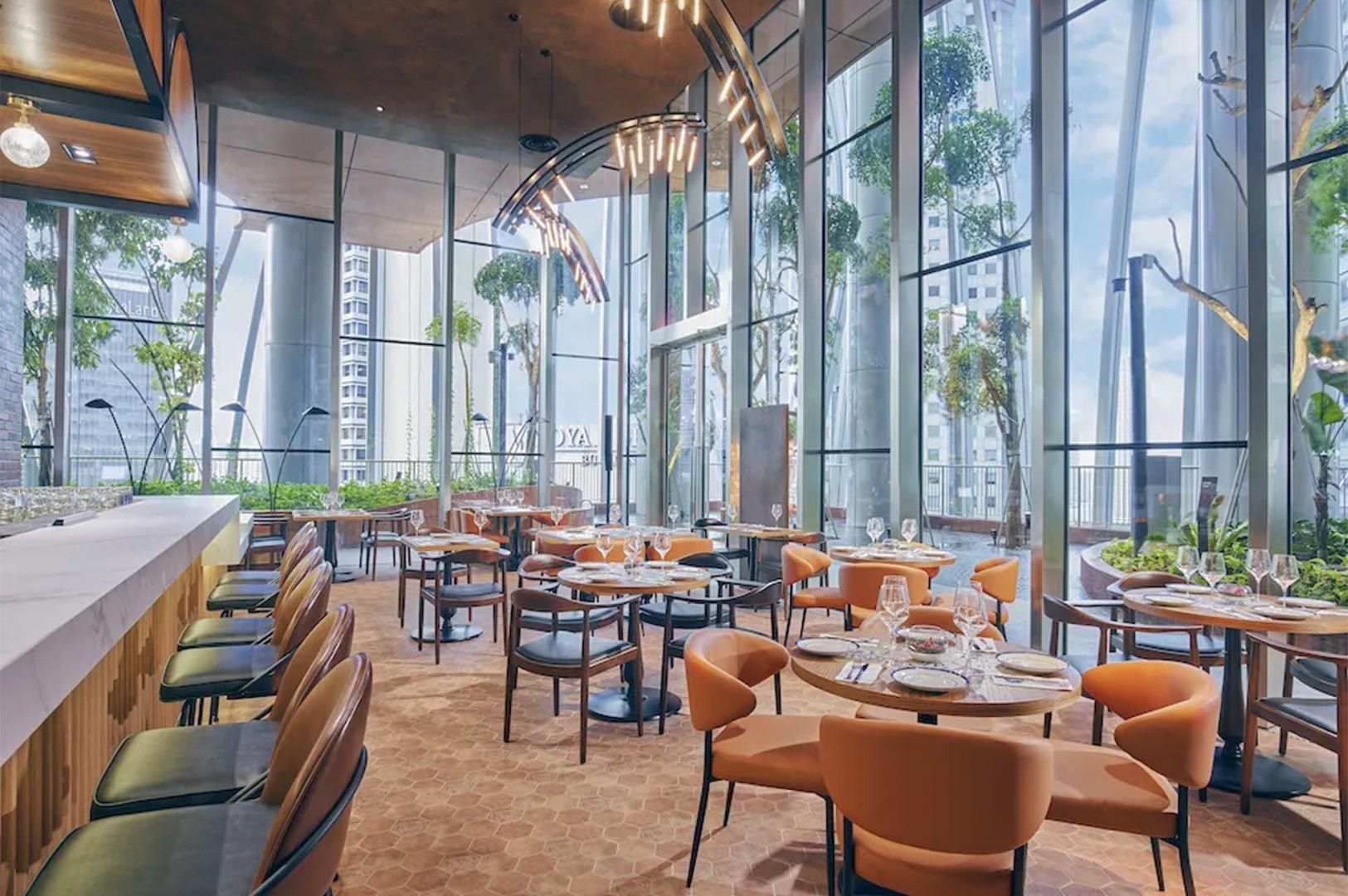
Singapore’s dense F&B scene—from CBD lunch spots to HDB estate eateries—makes interior design a genuine competitive advantage, even when you’re working with a tight budget. In a market where customers have endless dining choices within walking distance, your space becomes a silent salesperson.
The right interior designer understands that restaurant design isn’t just about aesthetics. It’s about creating functional spaces that directly impact your bottom line.
How layout and flow affect daily operations:
- Table turnover times during peak hours (e.g., lunch crowds in Raffles Place) can increase by 10-20% with optimised circulation paths
- Staff walking distance between kitchen, pass counter, and tables directly affects service speed and labour costs
- Visibility of high-margin items like dessert displays or bar counters influences impulse purchases and average bill size
Local examples of budget-conscious design impact:
- A compact 30-seat kopitiam-style modern eatery in Tiong Bahru optimised shared tables with banquette seating along walls, increasing capacity by 15% without expanding valuable floor space
- A shophouse wine bar in Chinatown used inexpensive warm lighting and a fresh coat of paint in terracotta tones to upgrade ambience—spending under S$15,000 on cosmetic changes that transformed the entire mood
These aren’t luxury renovations. They’re smart applications of space planning principles that any interior design company familiar with Singapore’s commercial spaces can execute affordably.
Budget Planning for Cheap Restaurant Interior Design in Singapore
Before you commit to any renovation package project, you need a clear understanding of what things actually cost in Singapore’s market. Interior design services for restaurants differ significantly from residential work due to commercial licensing, higher traffic durability needs, and kitchen-heavy layouts.
Typical budget ranges in Singapore for restaurant renovations:
Scope | Size | Budget Range |
|---|---|---|
Basic refresh (paint, lighting, minor carpentry) | 600-800 sq ft | S$25,000-S$60,000 |
Mid-level renovation with custom carpentry and new kitchen layout | 800-1,200 sq ft | S$60,000-S$150,000 |
Larger restaurant revamp including M&E work | 1,500-2,000 sq ft | S$150,000-S$300,000 |
Understanding where your budget actually goes helps you make informed trade-offs. Most restaurant owners are surprised by how quickly mechanical and electrical work consumes their funds.
Setting priorities to save money:
- Prioritise kitchen and service flow first, then dining ambience, then decorative decor items
- Decide early if you’re reusing existing kitchen equipment and flooring—this alone can save 15-20% on materials
- Consider vinyl flooring (S$16,390-S$17,890 for bare units) versus pricier tiles (S$18,490-S$20,690), saving 10-15% while still meeting hygiene codes
Example allocation for an S$80,000 budget:
Category | Percentage | Amount |
|---|---|---|
Kitchen and M&E | 40% | S$32,000 |
Carpentry | 30% | S$24,000 |
Finishes and furniture | 15% | S$12,000 |
Contingency | 15% | S$12,000 |
Affordable Restaurant Design Trends in Singapore That Still Look Premium
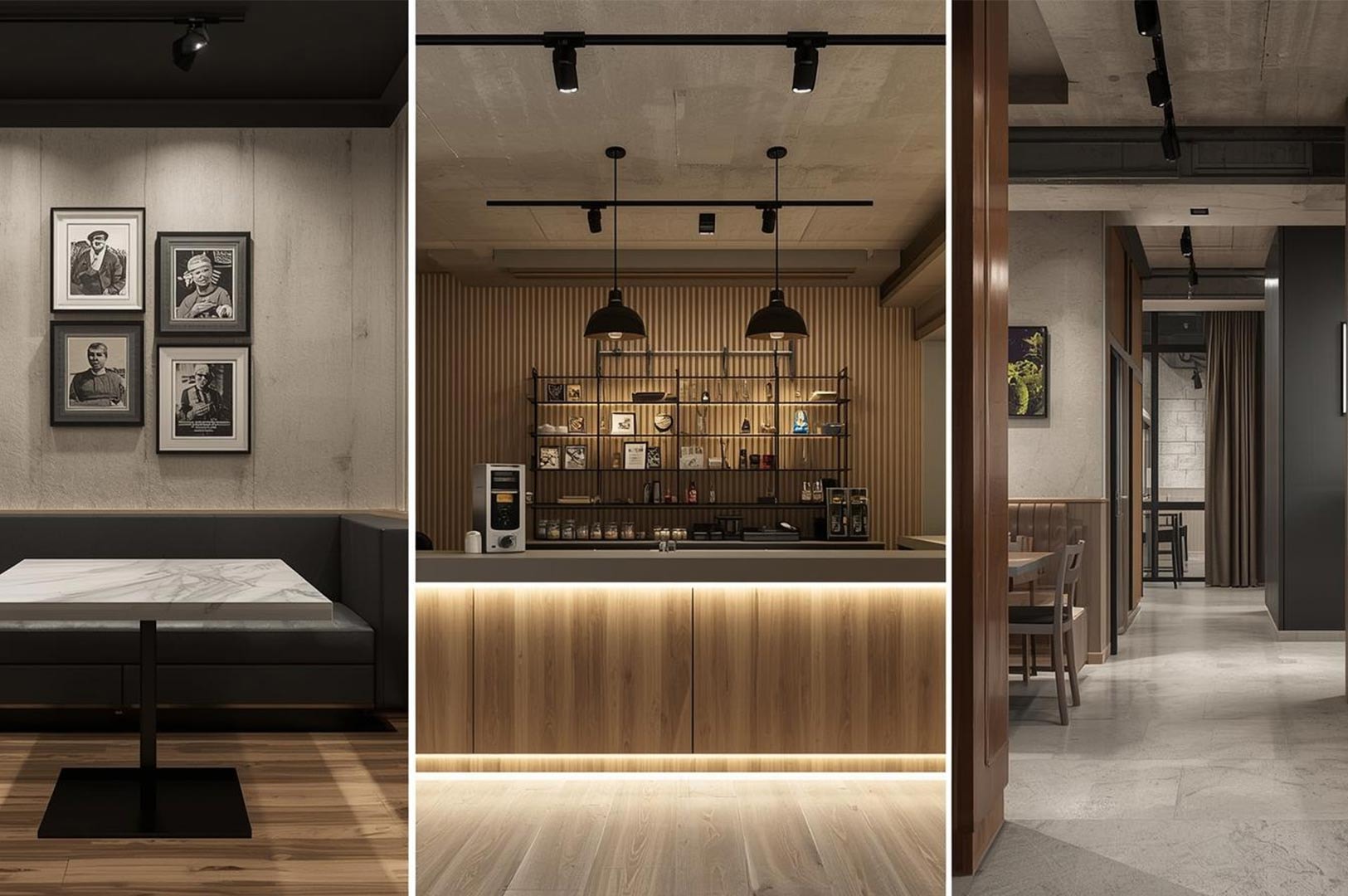
Design trends can absolutely be executed with budget friendly options if you plan carefully during concept development. The key is choosing trends that rely on affordable materials and smart styling rather than expensive imports.
Current trends popular in Singapore (2024-2025) and how to achieve them cheaply:
Modern kopitiam / local heritage look Create nostalgic charm with budget-friendly wall tiles, terrazzo-look vinyl flooring, vintage metal chairs, and framed old photos. Use printed tile-effect wallpaper to save costs on feature walls.
Japandi / minimalist cafés Blend Japanese minimalism with Scandinavian coziness using light-toned laminates and plywood-look carpentry. Source loose furniture locally. Use laminate surfaces and LED strips as cost-saving swaps.
Industrial casual dining Achieve exposed ceiling looks with track lighting and painted existing floors. Paint and polish concrete instead of new flooring.
Tropical / resort-inspired bars Use rattan chairs, potted plants, ceiling fans, and textured paint instead of stone. Source plants from flea markets.
Social-media-ready dessert or bubble tea shops Feature one photo wall with neon signage and built-in bench seating. Limit hero installations to one corner.
Each trend can be scaled to your budget and should reflect your style and target customers. Experienced interior design firms can help identify impactful design elements.
Practical Styling Tips to Keep Your Restaurant Interior Cheap Yet Cohesive
This section focuses on cosmetic upgrades that can be done quickly, sometimes even without closing for extended periods. These are the moves that bring new life to a tired space without major construction.
Quick wins for budget-conscious upgrades:
- Choose a simple 2-3 colour palette and repeat it across walls, menu boards, staff uniforms, and throw pillows. Consistency creates a polished look without expensive materials.
- Use affordable track lights and warm LED bulbs to highlight key zones (entrance, food pass, bar). Smart lighting can reduce utility bills by 20-30% compared to older fixtures.
- Mix fixed banquette seating along walls with loose tables to increase flexibility and seat count. This approach works well in compact living space situations common in Singapore.
- Add budget wall art or graphics that tell the story of your brand or local neighbourhood. This creates a personal style without custom premium pieces.
- Incorporate soft furnishings like cushions and fabric elements to add warmth—these can be swapped seasonally at minimal cost.
Where to source affordably in Singapore:
Consider furniture warehouses in Sungei Kadut, lighting shops along Geylang, and online platforms offering commercial-grade options. Many interior designers in singapore have established relationships with local suppliers that can pass on trade discounts to clients. Don’t overlook flea markets for unique accessories and old furniture that can be refreshed with a little imagination.
Storage ottomans that double as seating, modular shelving systems, and multi-purpose service stations all help maximise your compact homes-sized restaurant footprint while keeping costs down.
Planning the Renovation Timeline: From Concept to Soft Opening
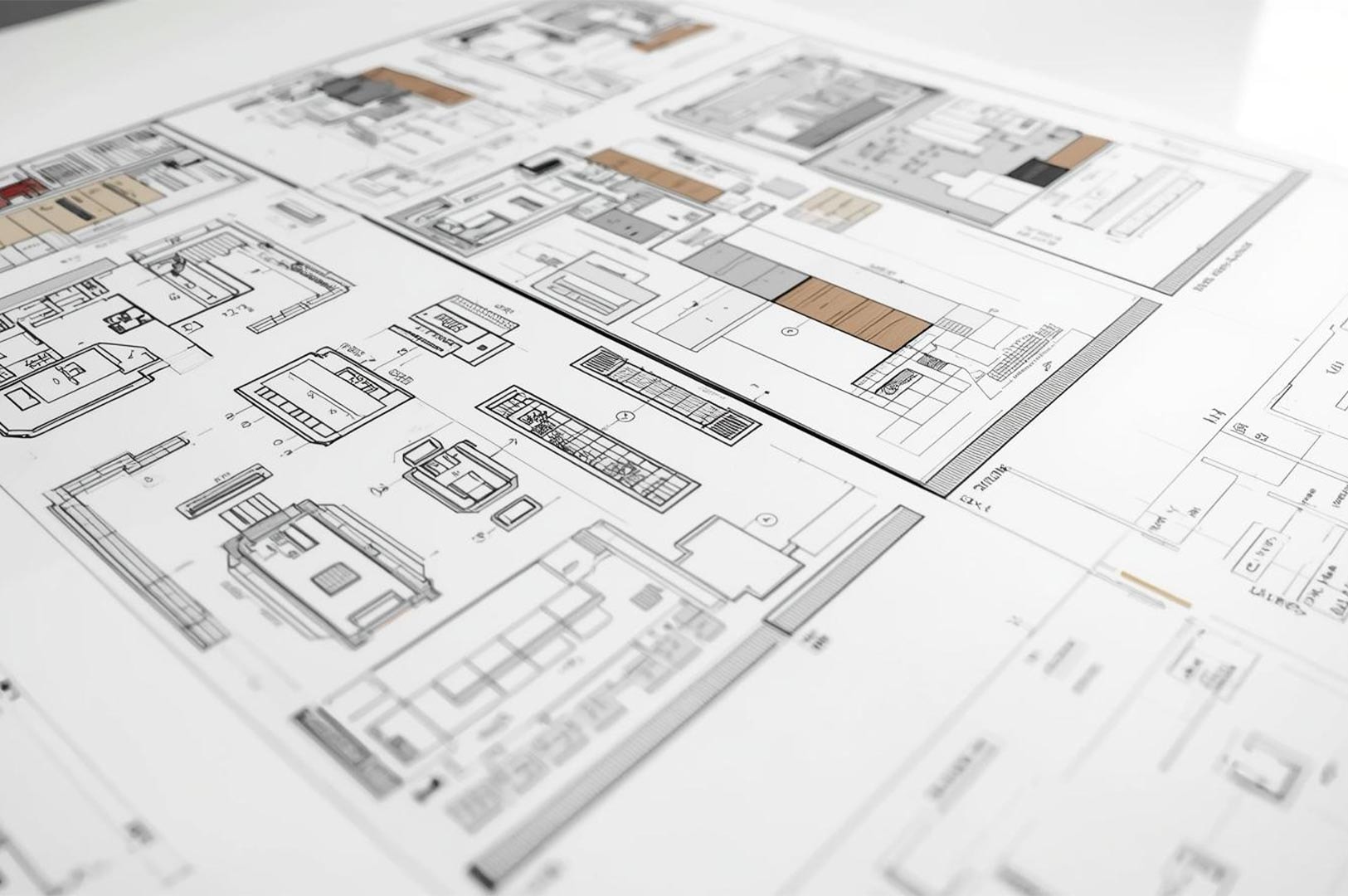
Even affordable interior design requires disciplined scheduling. In Singapore, landlord approvals, fire safety coordination, and licensing add complexity that residential projects don’t face. Rushing leads to quality dips—uneven tiling, improperly sealed surfaces, and equipment that fails inspection.
Realistic timeline for a typical 800-1,200 sq ft restaurant or café renovation:
Phase | Duration | Activities |
|---|---|---|
Concept and Planning | 2-4 weeks | Design style, floorplan, mood boards, preliminary budget, initial consultation with contractors |
Documentation and Approvals | 3-6 weeks | Detailed drawings (MEP, carpentry), landlord submission, URA/HDB approvals if needed, SCDF-related coordination |
On-Site Works | 4-8 weeks | Demolition, M&E installation, carpentry, finishing touches |
Final Preparation | 1-2 weeks | Furniture installation, styling, equipment testing, soft launch |
Older shophouses in areas like Joo Chiat and Kampong Glam may require extra time for structural checks and landlord approvals. Build in buffer time for inspections and potential reworks when planning your renovation journey.
Renovating While Operating: Phased Upgrades for Existing Restaurants
Many F&B owners cannot afford full closure and need overnight or off-day renovation works. This is entirely possible with careful planning, though it requires extra coordination and slightly higher labour costs.
Key considerations for phased renovations:
- Work zone by zone (e.g., bar, then dining, then façade) over weeks to maintain revenue
- Schedule noisy tasks during off-peak hours, usually early mornings for dinner venues
- Use temporary seating and signage to ensure safe customer flow and clear communication
Practical examples:
- A heartland mall café upgraded lighting and paint over 3 Mondays without closing during peak hours
- A Chinatown eatery renovated mornings while opening for dinner, completing refresh in 6 weeks
This suits renovation services experienced in F&B work and operational constraints.
Measuring the Payoff: How Design Changes Affect Revenue and Operations
Linking interior design projects to measurable results helps justify the investment to yourself, partners, or investors. Your next project should have clear success metrics defined before work begins.
Simple KPIs restaurant owners can track before and after renovation:
- Average bill size per cover
- Table turnover per hour during weekday lunch and weekend dinner
- Staff steps per shift, or time from order to food arrival
- Customer satisfaction from Google reviews and feedback forms
Realistic improvement examples:
- After reconfiguring seating and adding a clearer waiting area, a café increased lunchtime covers by 20% with no rental increase. Better space utilisation directly translated to revenue.
- By improving lighting and menu visibility at the counter, a dessert shop saw higher attachment rates for add-on items—customers could finally see what else was available.
The perfect balance is achieving these gains while staying within your budget constraints.
Working with Affordable Restaurant Interior Designers and Contractors

Partnering with experienced but budget-sensitive designers can prevent cost overruns and rework that destroy your financial planning. The right interior designer for restaurant projects does far more than select colours and furniture.
What restaurant-focused designers handle beyond aesthetics:
- Coordinate with kitchen consultants and M&E engineers to ensure functional needs are met
- Liaise with mall management and authorities on technical requirements specific to F&B
- Optimise seating plans based on target menus and service style (full-service, fast casual, kiosk)
What to look for in a cost-conscious renovation partner:
- Proven F&B portfolio in Singapore (hawker-style stalls, cafés, bistros, bars)
- Transparent quotations with breakdown of labour, materials, and provisional sums
- Ability to propose value-engineering options (e.g., alternative materials, modular furniture)
- Many satisfied clients who can vouch for project completion on time and on budget
- A good sense of how to balance aesthetic purposes with practical operations
Questions to ask during initial meetings:
- How do you plan to keep my renovation within S$XX,XXX and still meet fire and landlord requirements?
- Which parts of the design are flexible if site conditions change?
- How many restaurant projects have you completed in malls or conserved shophouses?
- What’s your approach to value-engineering when budgets are tight?
- How do you handle variations and unexpected costs during the project?
- Can you provide references from satisfied clients with similar project scopes?
- What does your project timeline look like, and how do you communicate progress?
Choosing the go to choice for your concept means finding someone who understands both crafting beautiful spaces and the commercial realities of F&B operations.
Leveraging Specialist Resources for Restaurant Renovations
These platforms serve as a helpful starting point, but always verify credentials and portfolios independently. For DIY projects or initial interior design ideas, they clarify what’s achievable within your budget.
Whether you’re creating a unique space for a new concept or breathing life into an existing singapore home for food, the combination of clear priorities, realistic budgets, and experienced partners makes affordable interior design achievable. Your renovation works should support a more sustainable future for your business—both environmentally through energy-efficient choices and financially through smart investment.
The goal isn’t to spend the least. It’s to spend smart, creating functional spaces that reflect your unique personality while driving profitability. With different styles available at every budget level and space atelier approaches that maximise even the smallest footprint, your dream home for hospitality is within reach. The stress free path forward starts with understanding what truly matters for your concept, your customers, and your bottom line.
Owners seeking focused support for restaurant transformations can explore specialist platforms like restaurantrenovations.sg for ideas and to connect with experienced renovation partners familiar with Singapore’s F&B scene.