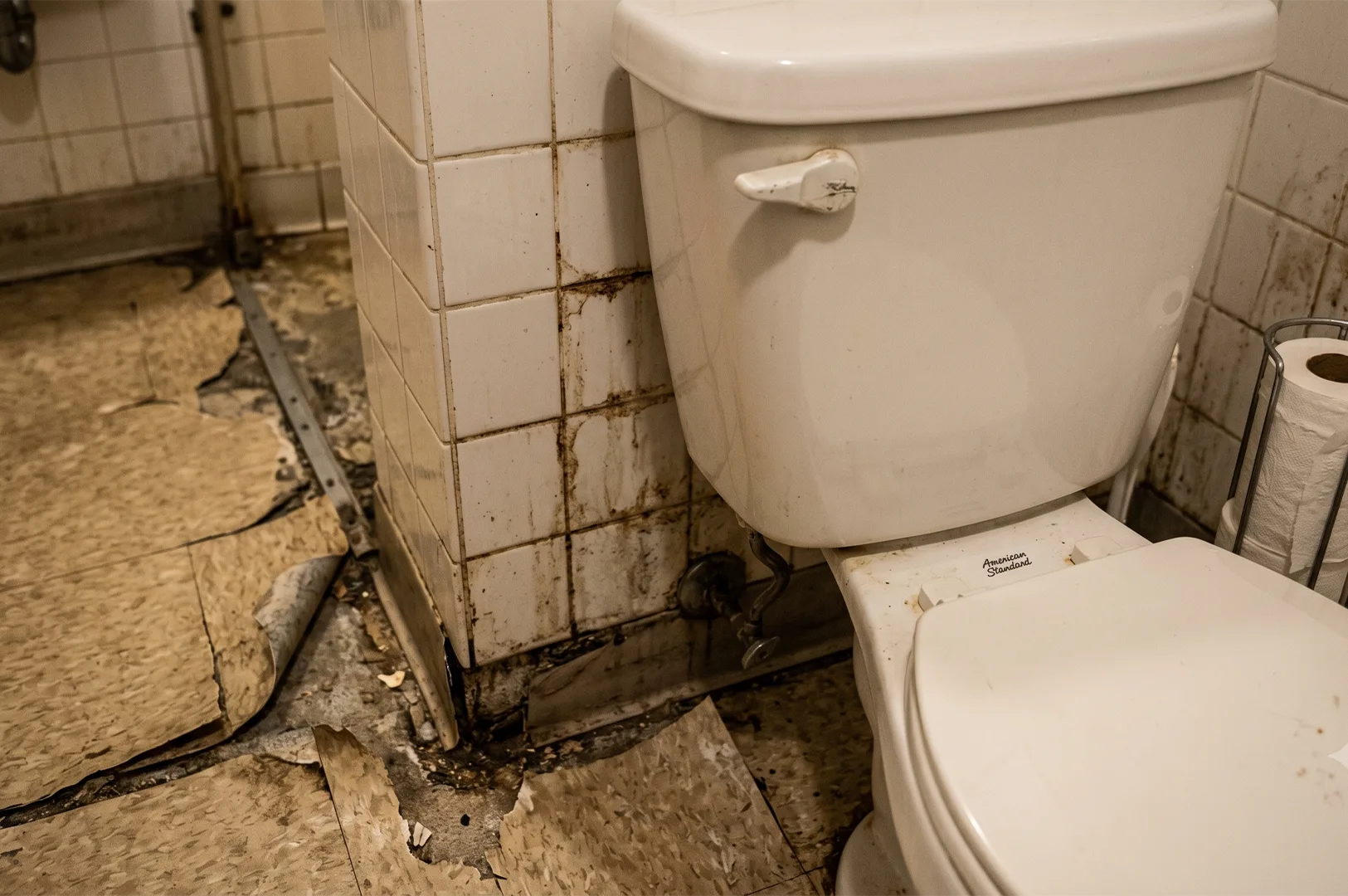

I’ve learned the hard way: I once tried to cut costs on a cafe restroom renovation in Tiong Bahru by accepting the absolute lowest bid for the customer’s washroom. I assumed a cheap toilet renovation package would cover everything I needed. Six months later, the cheap residential-grade vinyl flooring was peeling up, the drainage was choked, and the exhaust fan couldn’t handle the heavy commercial traffic. I ended up spending twice as much to fix the water damage and replace the flooring, which required the replacement of failed fixtures and materials due to the initial poor-quality renovation.
In my experience, most F&B owners over-complicate the dining room design but completely under-budget for their washrooms. Customers absolutely judge your kitchen’s hygiene by the cleanliness of your bathroom. If you are looking for affordable bathroom renovations Singapore, you need to know exactly what you are paying for.
Here is my honest, step-by-step roadmap to navigating a cheap toilet renovation package Singapore without compromising on commercial durability.
Why a Cheap Toilet Renovation Package Isn’t Always What It Seems
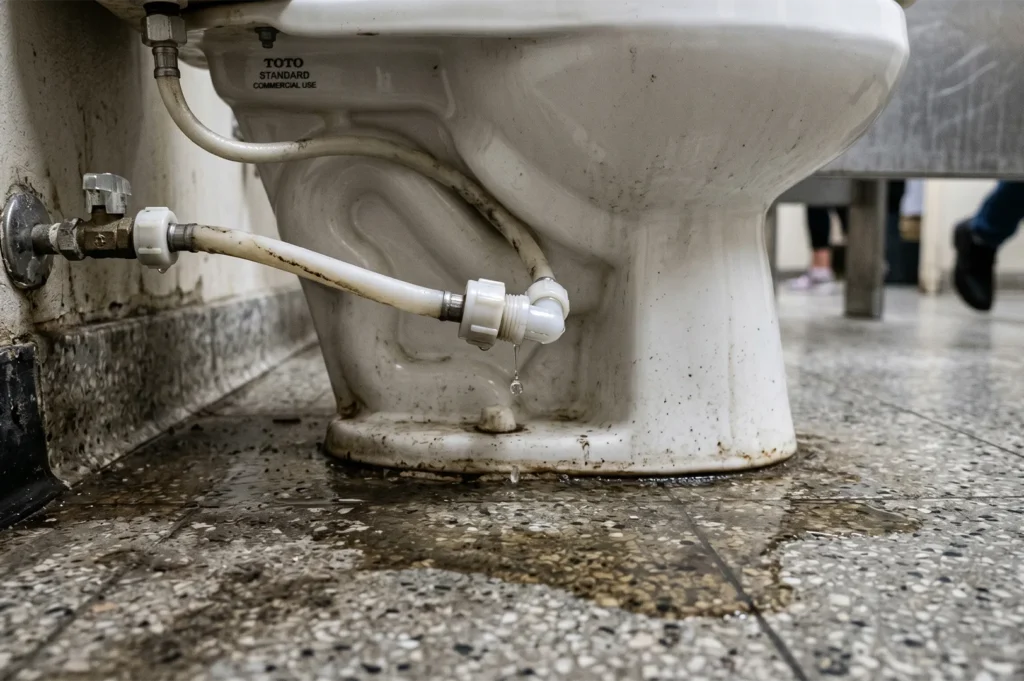
Many people worry about the price to renovate bathroom spaces in a commercial setting, assuming they can just buy a standard package off a flyer. Here is the deal: a residential toilet renovation package is not built for a restaurant.
When contractors advertise ultra-low prices, you have to look closely at the job scope. Often, these packages cover basic labour, a standard toilet bowl, a basic basin, and simple ceramic tiles. They usually exclude commercial-grade waterproofing treatment, heavy-duty bathroom accessories, and the removal of existing concealed pipes. If your cafe sees hundreds of flushes a day, those residential fixtures will break down quickly.
Commercial Bathroom Renovation vs. Standard HDB Toilet Renovation
I’ve found that owners often get confused by Google search results heavily skewed toward HDB flats and BTO flats. A commercial bathroom renovation is a completely different beast compared to an HDB toilet renovation.
In a home, a common toilet only handles a few people. In a restaurant, the space deals with constant wet environments, heavy foot traffic, and rigorous cleaning chemicals. While homeowners might prioritize patterned tiles or a luxurious shower stall, a restaurant owner must prioritize an z, a powerful exhaust fan, and commercial-grade plumbing works including the install stainless steel piping. The size of the bathroom significantly influences renovation cost, as larger commercial spaces require more materials and labor, which increases expenses.
Navigating HDB Permits and Rules for HDB Toilets
If your F&B concept is located in an HDB shophouse, you still have to deal with HDB renovation guidelines. Many first-timers don’t realize that altering HDB toilets in commercial spaces requires strict HDB permits. Your interior designer or contractor must submit plans for any hacking works or changes to the structural layout. Do not skip this step, or you risk heavy fines and forced closure.
Understanding the Job Scope and True Renovation Cost
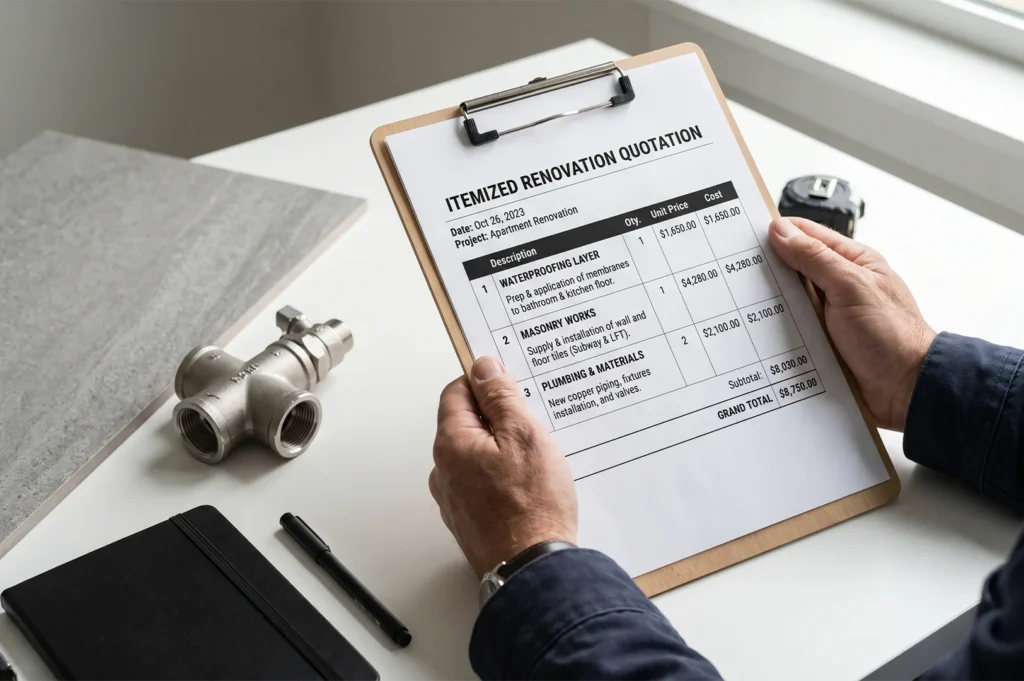
To save money effectively, you need transparent pricing. So, what should a realistic renovation cost look like?
For a basic cosmetic refresh involving chemical washing and general cleaning of existing fixtures, expect to spend around $3,000.
For a solid, budget commercial renovation that includes new floor and wall tiles, a new sink, a heavy-duty toilet bowl, and replacement of plumbing works, expect to spend $6,000 to $12,000.
Always ask for an itemized quote. You want to see the exact breakdown for materials, supply, and professional services so there are no hidden costs later.
Hacking Works and Masonry Works: Setting the Foundation
The renovation process begins with demolition works. If your restaurant is taking over an older unit, the hacking works are where things get messy and expensive. Contractors must strip away the old wall and floor surfaces down to the bare concrete.
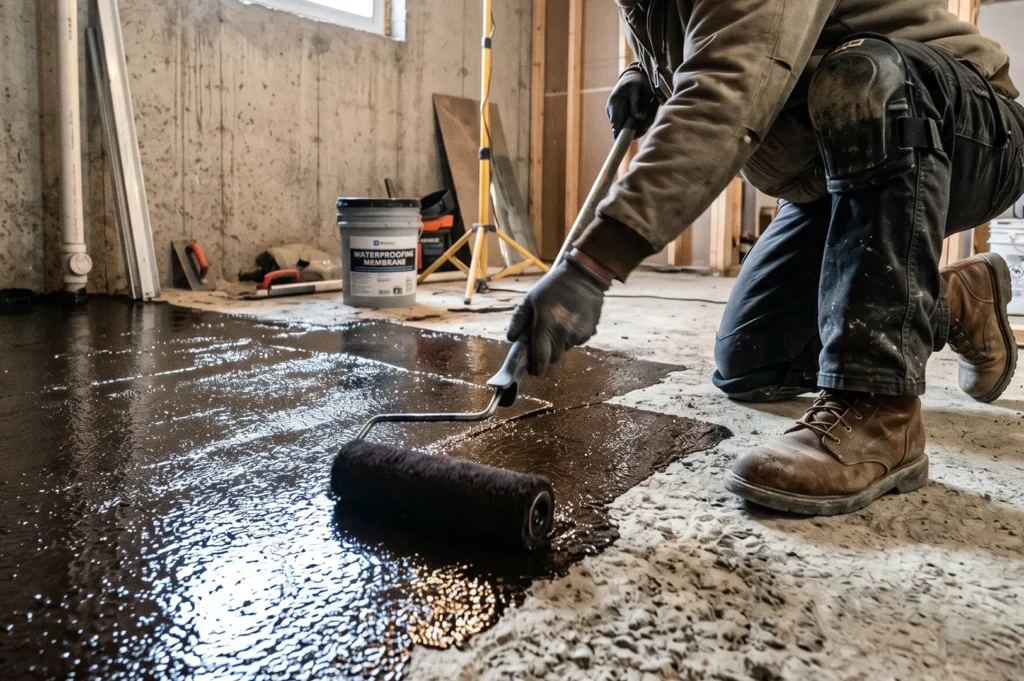
Following this, the masonry works begin. This is arguably the most critical phase. Your contractor will lay down a thick waterproofing layer (often a liquid waterproofing membrane) before any new tiles are laid. I cannot stress this enough: do not cheap out here. Skipping proper waterproofing treatment leads to severe water damage that will leak into neighboring units.
Plumbing Works and Choosing Floor and Wall Tiles
Older shophouses often hide corroded pipes. During the plumbing works phase, I always advise owners to replace old PVC with durable materials. Ask your contractor to install stainless steel piping if the budget allows, as it holds up significantly better under commercial pressure.
When it comes to your floor and wall tiles, prioritize maintenance over trendy aesthetics. I’d suggest using large-format tiles for the walls because fewer grout lines mean less scrubbing for your staff. You can use patterned tiles on one wall to create a modern focal point without replacing all the tiles, making it a budget-friendly design option.
Floor Tiles: Why Anti-Slip is Non-Negotiable

This is a hill I will die on: your floor tiles must be commercially rated anti-slip. I once saw a beautiful cafe install glossy tiles in their washroom. After one rainy Tuesday, three customers slipped.
For those seeking ideas to combine safety and style, consider using patterned tiles on one wall—this can modernize the look of your toilet without replacing all the tiles, making it a budget-friendly design option.
When you select your materials, specifically ask for high-friction floor tiles designed for wet environments. They might cost slightly more than standard residential tiles, but they protect you from massive liability and ensure your customers feel safe.
If you’re interested in design inspiration beyond just functionality, check out our article on Tea Room Design That Stays Traditional: Modern Does Not Mean Fusion for ideas on maintaining authentic aesthetics while incorporating modern comforts.
Budgeting and Cost Management Tips for Restaurant Owners
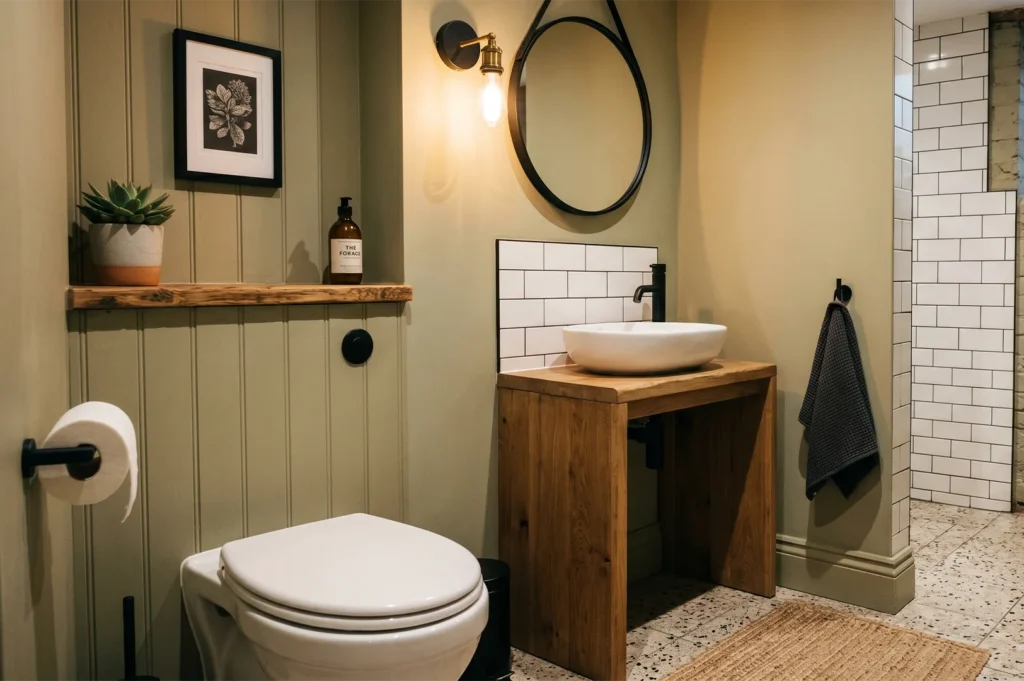
Smart renovation cost management becomes an art form when we think about what guests truly notice the moment they step into your space. Begin by crafting a thoughtful budget that honors both the essential foundations—waterproofing treatment that protects your investment, anti-slip floor tiles that offer confidence underfoot, and a robust toilet bowl that speaks to durability—alongside those atmospheric touches that make people feel welcomed.
Preserve Your Existing Layout and Floor
Here’s something we often discover: preserving your existing floor and wall layout can be surprisingly liberating, freeing up funds from expensive plumbing rerouting or electrical work that could be better invested in elements guests actually experience. Saving money here can give you more room to invest in quality materials and bathroom accessories.
Request an Itemized Quote with Transparent Pricing
When you request an itemized quote, you’re not just hunting for hidden costs—you’re creating a clear picture of where each dollar transforms into comfort and perception.
Compare Renovation Packages Carefully
Compare renovation packages with the understanding that the lowest price often whispers a different story than quality materials and careful installation; cutting corners tends to echo through your space in ways that cost far more than money.
Take Advantage of Free Consultations
Take advantage of those generous free consultations, where seasoned eyes can guide you toward investments that truly enhance the guest experience and away from spending that goes unnoticed.
Track Expenses Throughout the Renovation Process
As your renovation unfolds, track each expense like you’re curating an experience—this vigilance ensures your vision stays within reach and surprises remain the delightful kind.
When we approach cost management as storytelling, balancing practical needs with atmospheric details, we create toilet renovations that don’t just function beautifully—they become spaces that elevate your restaurant’s character without straining your resources.
Free Consultation: Top FAQs for Restaurant Washroom Renovations
“Can I just renovate cosmetically to save time?”
I think cosmetic fixes like peel-and-stick tiles or painting over old wall tiles are a waste of money in F&B. They peel within six months. If your budget is tight, keep the layout the same to avoid electrical work and plumbing rerouting, but invest in a proper installation of new hard surfaces.
“How long does the installation take?”
For a standard commercial toilet renovation, expect the project management timeline to take about 1 to 2 weeks. Hacking, laying the waterproofing membrane, and waiting for it to cure takes time. If a contractor promises completion in two days, they are cutting dangerous corners.
“Should I get a free consultation first?”
Always. Call at least three contractors offering professional services and ask for a free consultation and site visit. A good contractor will check your drainage slope and ventilation before giving you a final price.
Your restaurant’s washroom is an extension of your brand. By understanding exactly what goes into a cheap toilet renovation package, demanding commercial-grade materials, and focusing on proper waterproofing and ventilation, you can build a clean, modern bathroom that survives the daily F&B grind without blowing your budget.