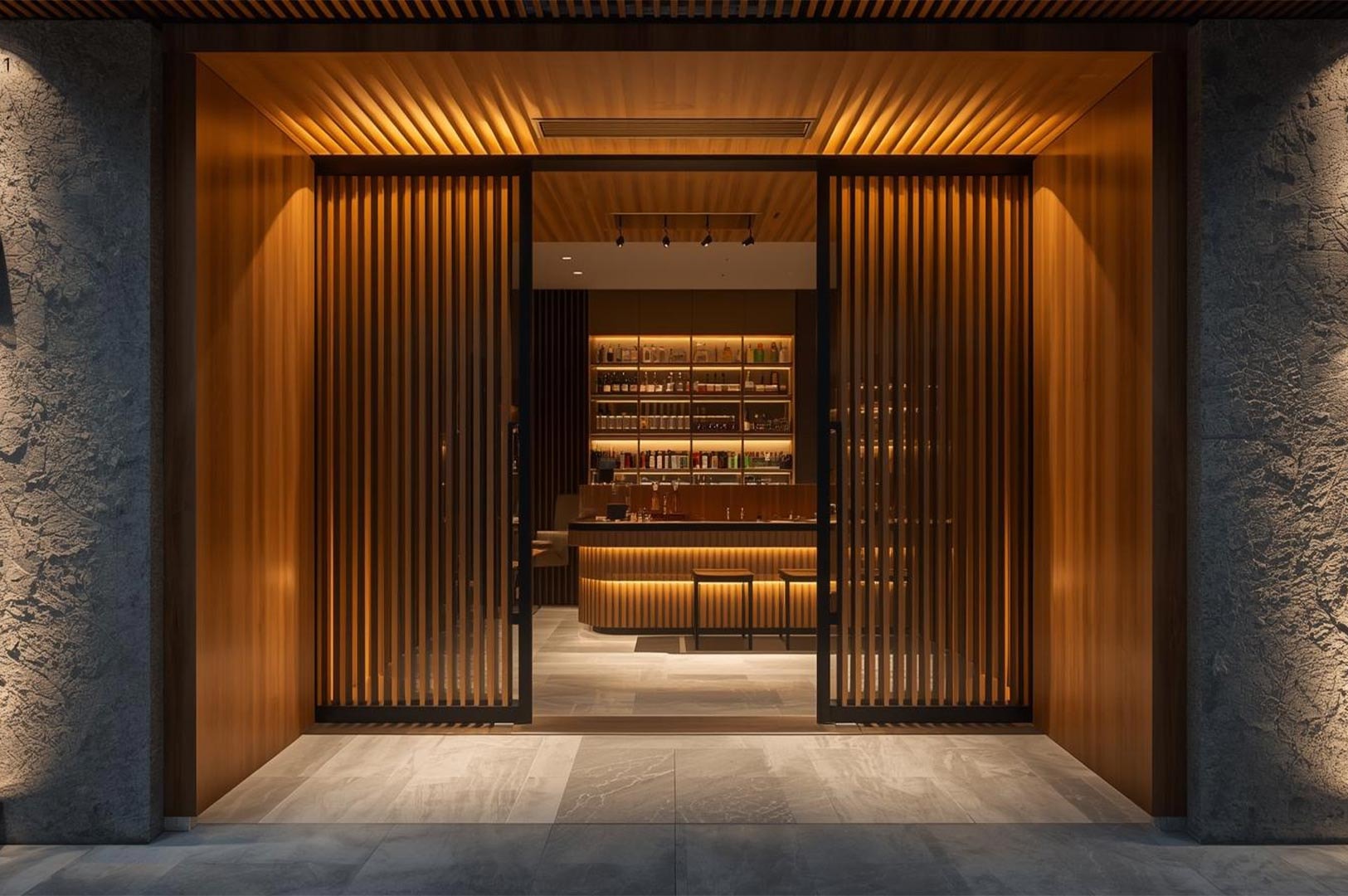

The moment a guest steps into a restaurant, before the first menu is opened or a single dish is served, a story begins to unfold. It’s a narrative told not with words, but with light, texture, and space. In Singapore’s vibrant and competitive dining scene, a restaurant’s interior design is its first, most immersive form of communication. It shapes how guests feel, what they anticipate, and whether they feel a connection that invites them to return.
Singaporean homeowners and F&B owners alike seek interior design ideas that reflect both local culture and personal style, ensuring their spaces are both functional and meaningful.
For a restaurant owner or café entrepreneur, design is the physical embodiment of a brand’s soul. It’s the visual handshake, the mood-setter, and the backdrop for countless shared moments. Homeowners and business owners aspire to create their dream home or dream space through thoughtful design that brings their vision to life. We often notice the feeling of a space before we understand why it feels that way. Is it the warm glow from a pendant lamp that encourages a long, lingering conversation? Or the clean, open lines that make a quick lunch feel refreshing and efficient? Exploring creative restaurant interior design is about discovering the language of space and learning how to speak it fluently to your audience, often facilitated by a comprehensive renovation package.
Weaving a Narrative Through Design Aesthetics
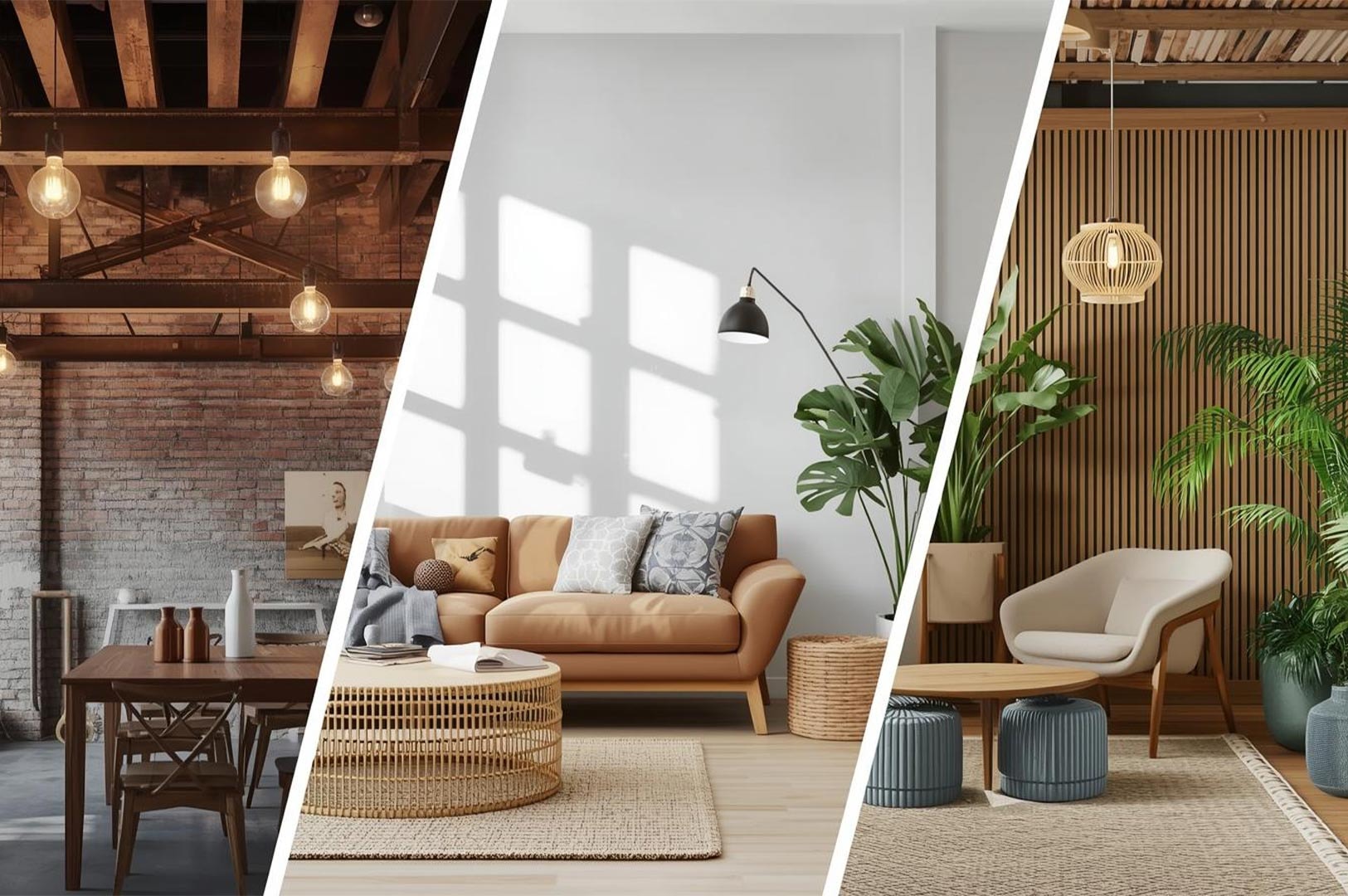
The industrial chic of a converted warehouse, with its exposed brick and raw metal, speaks of authenticity and craftsmanship. It’s an aesthetic that feels honest and grounded. In contrast, Scandinavian minimalism, rooted in the nordic countries, is known for its minimalistic design style, light woods, clean lines, and focus on uncluttered comfort. This approach emphasizes simplicity and functionality, creating a calm, serene space that invites people to breathe a little deeper.
In Singapore, we see a beautiful fusion of global movements adapted to our tropical urban context. Unique Singaporean interior design trends focus on Biophilic Japandi, a harmonious blend that merges nature with Japanese simplicity and Scandinavian warmth. Japandi interior design is a fusion of Japanese culture and Scandinavian minimalism, focusing on clean lines and natural materials. Tropical modernism brings the outside in, blurring the lines between a lush garden city and a cool, contemporary interior with rattan, timber screens, and abundant greenery. We also see a rise in heritage fusion, where the Peranakan tiles of a shophouse floor are celebrated alongside modern furniture, telling a story of past and present. This is where Singapore interior design ideas truly shine, creating a dialogue between culture and contemporary style through a harmonious blend of influences.
Then there is the quiet confidence of contemporary Asian design, which reinterprets traditional motifs with modern materials, and the joyful rebellion of maximalist eclectic spaces, bursting with colour, pattern, and personality. Minimalist design style is also gaining popularity in Singapore, with minimalistic principles and simplicity shaping uncluttered, elegant interiors. Each aesthetic is a world of its own, waiting for a brand story to inhabit it.
The Psychology of Colour and the Art of Atmosphere
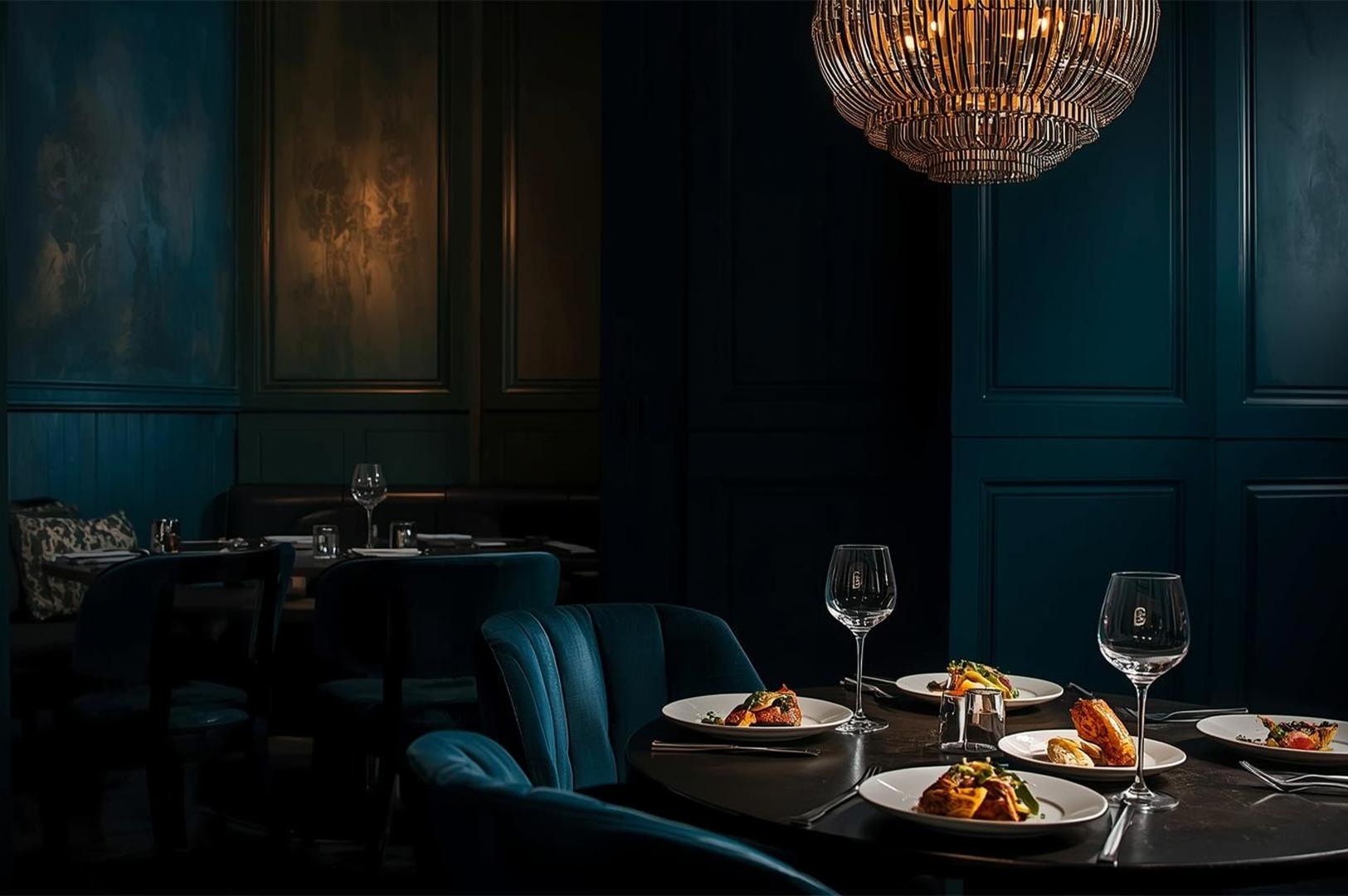
Colour does more than just decorate a wall; it influences mood and perception on a subconscious level. The deep, rich blues and greens often found in intimate fine dining establishments can create a sense of calm sophistication and luxury. In Singapore, the tropical climate plays a significant role in the selection of colour palette and neutral colours, as these choices help create a cool, inviting atmosphere that feels comfortable year-round. Warm terracottas, ochres, and earthy tones evoke a feeling of comfort and rusticity, perfect for a casual eatery focused on wholesome food. Using different shades within these earthy tones can add depth and contrast, resulting in a visually appealing and sophisticated space.
But atmosphere is not painted with a single brushstroke. It is built in layers, and lighting is perhaps the most powerful tool in an interior designer’s kit. Neutral colour palettes paired with warm lighting contribute to a warm and inviting atmosphere and a sense of elegance, enhancing the overall design. Careful planning of colour palettes and lighting ensures the space remains sophisticated and inviting without feeling overwhelming.
- Ambient Lighting: This is the base layer, the overall illumination that sets the foundational mood. Soft, warm, and diffuse light creates intimacy, while bright, cool light feels energetic and clean.
- Task Lighting: This is the functional layer. It’s the focused light over a table that allows guests to read the menu, or the bright light in an open kitchen that ensures chefs can work safely.
- Accent Lighting: This is the dramatic layer, used to highlight architectural features, artwork, or a statement bar. It draws the eye and creates points of interest.
- Decorative Lighting: These are the jewels of the space—the beautiful pendant lamps or sculptural chandeliers that act as art in their own right.
Together, these layers create a dynamic, visually interesting environment that can shift from a bright, airy lunch spot to a moody, intimate dinner destination with the flick of a switch.
Materials That Speak and Touchpoints That Tell a Story
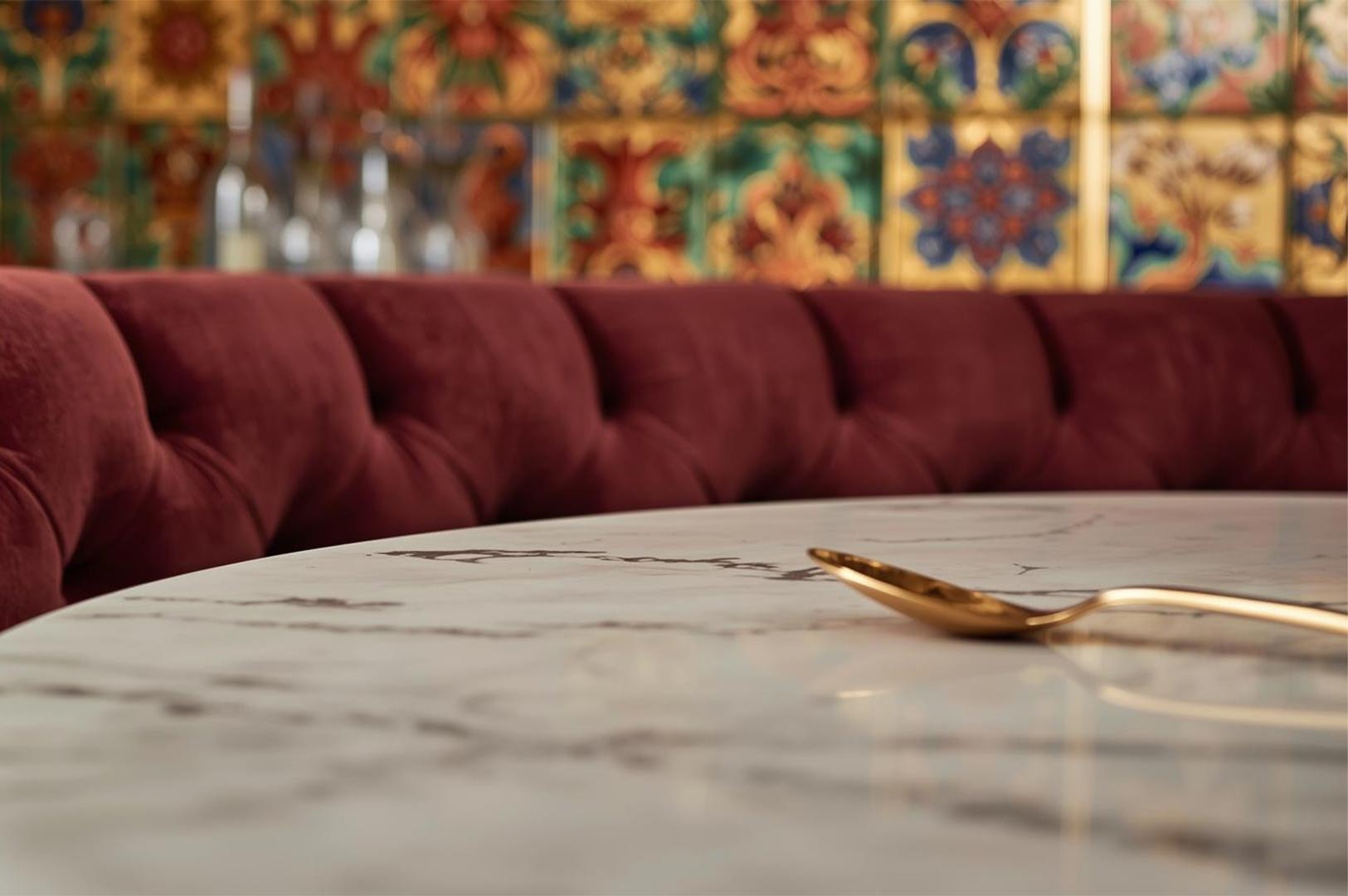
What guests notice first is often a sensory experience. It’s the contrast between the cool smoothness of a marble tabletop and the warmth of a wooden chair, or the texture of a raw concrete wall against a soft velvet banquette. The interplay of materials is a form of spatial storytelling.
Natural materials, subtle textures, and patterns contribute to visual interest and elegance in interior design, enhancing the overall ambiance. The ruggedness of aged metal can speak of industrial heritage, while the transparency of glass can create a sense of openness and modernity. Fabric and upholstery soften a space, adding comfort and acoustic warmth.
Incorporating metallic accents, opulent materials, and modern luxury design—such as high-quality marble and brass—can further elevate these moments, creating a sense of sophistication and glamour. These are the moments that elevate a well-designed room into an unforgettable one. These “Instagrammable moments” feel most authentic when they are a genuine expression of the brand’s story, not just a gimmick.
Furnishings and decor choices, including decor ideas that incorporate local culture, can add warmth and personality to a space, making it truly unique and welcoming.
Designing with Context and Conscience
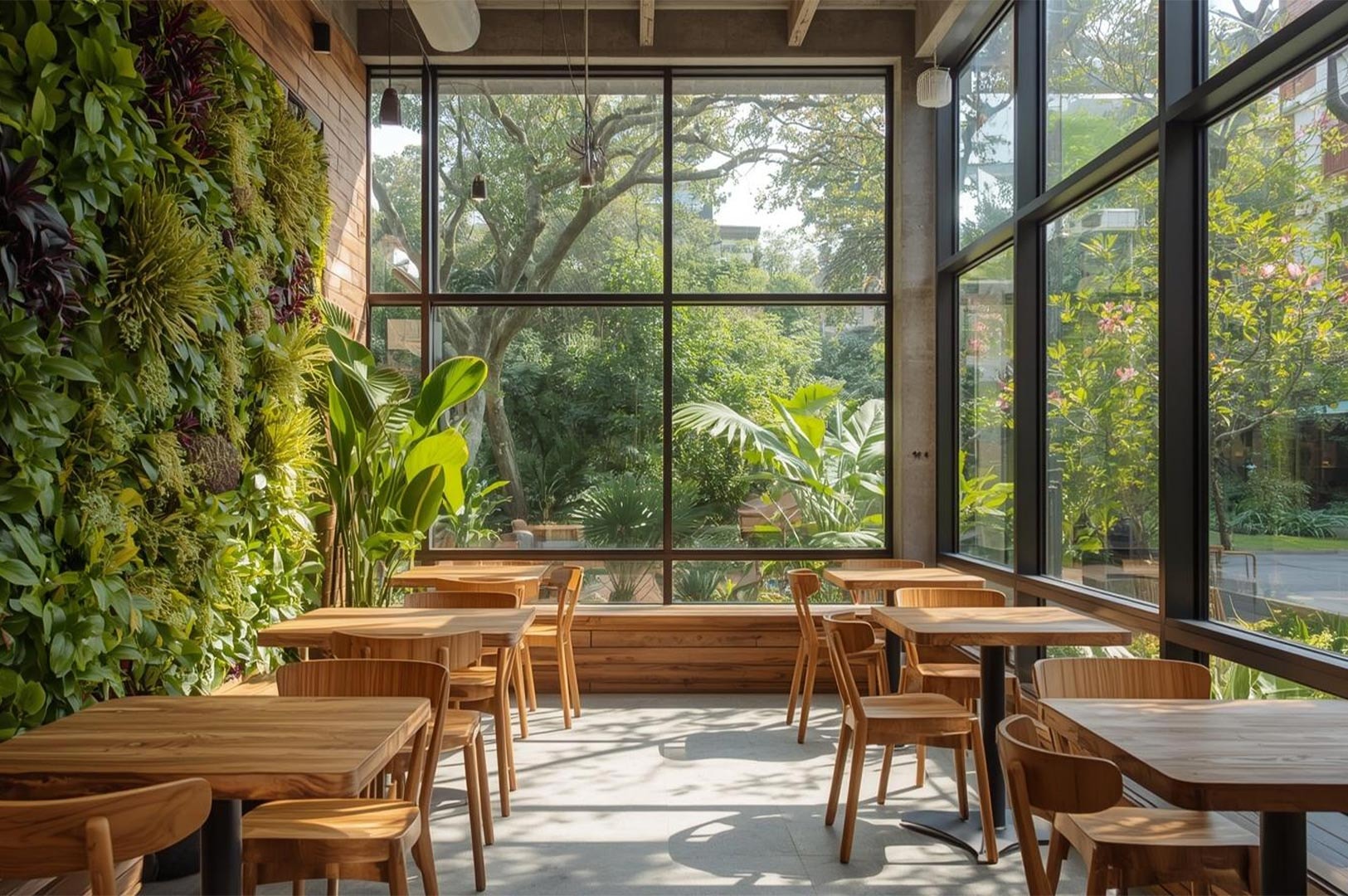
The most compelling café design Singapore has to offer is often deeply connected to its surroundings. A café in the heart of the CBD might adopt a sleek, efficient design, while one nestled in a leafy neighborhood like Dempsey Hill might embrace a more relaxed, biophilic approach. Biophilic design, which incorporates natural elements like plants, natural light, and organic materials, is more than a trend; it’s a response to our innate need to connect with nature, creating spaces that feel restorative and calming. The significant role of Singapore’s tropical climate also influences interior design choices, especially in the selection of materials and colour schemes to ensure comfort and durability.
Alongside this, a growing number of F&B owners are embracing sustainable and eco-conscious design. Sustainable house design ideas are gaining popularity and are becoming increasingly stylish among Singaporean homeowners, reflecting a shift towards responsible living. This can manifest in the choice of reclaimed wood, recycled materials, or energy-efficient lighting. It’s a design philosophy that communicates a sense of responsibility and care, creating an emotional connection with diners who share those values. Sustainable house design ideas can be both environmentally responsible and stylish, aligning with current trends that are gaining popularity. It’s about building a space that is not only beautiful today but mindful of tomorrow. This is where we find some of the most compelling interior design ideas Singapore has to offer—spaces that do more than just seat diners; they create worlds within a specific budget.
Ultimately, the goal is to create a timeless space that can evolve, balancing an awareness of current trends with classic design principles of proportion, scale, and balance. Key emerging trends for 2025 include softer minimalism, a strong connection to nature, and blending heritage with modernity. A truly great design feels both current and enduring. Leading interior design firms in Singapore offer comprehensive services, including renovation ideas, project management, and expertise in both home renovation and commercial spaces. Eight Design specializes in both home renovation and commercial projects, while Design4Space is one of the highest recommended interior design companies in Singapore, known for innovative, functional, and beautiful designs for residential and commercial buildings for over a decade. These firms manage renovation projects from concept to completion, ensuring every detail is tailored to the client’s needs.
Turning Inspiration into Reality
Exploring these F&B interior concepts is an exciting first step. The journey from a mood board filled with inspiration to a fully realised dining space, however, requires practical planning and execution. For those feeling inspired by these ideas but needing guidance on bringing them to life within a specific budget, understanding how to work smartly is key. You can find practical strategies and insights in our article on Cheap Interior Design Singapore: Restaurant Makeovers That Attract Diners Without Breaking the Bank.
Let’s Build Your Story
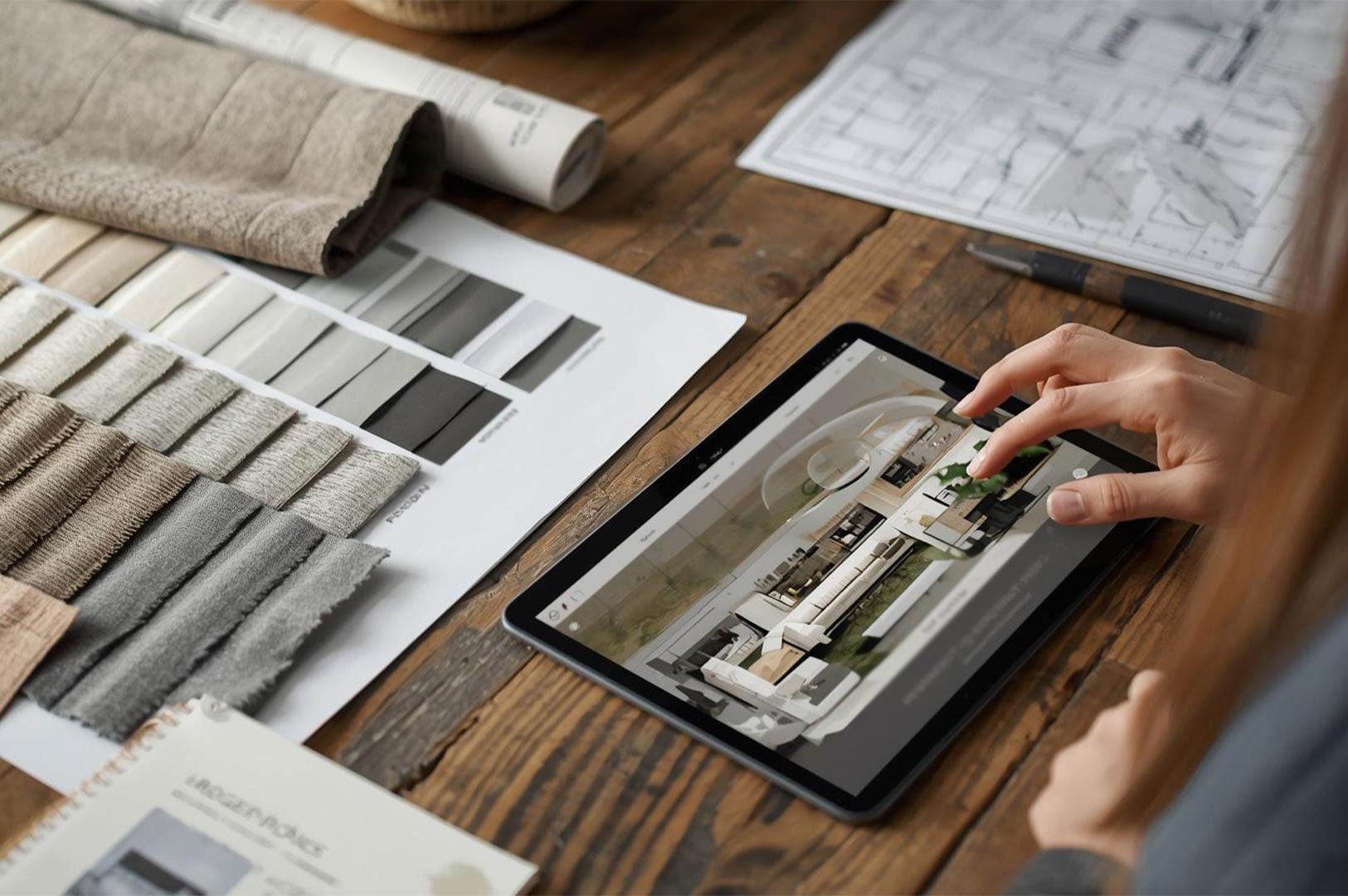
The journey of creating a dining space is one of the most exciting parts of building an F&B brand. Your restaurant’s interior is a powerful tool for connection, a canvas on which your brand’s story can be told in a way that every guest can see, touch, and feel. Hiring professional interior designers is essential, as their services can transform your interior design ideas into reality with expertise and creativity. Choosing the right interior designer is crucial to ensure your vision is brought to life by top designers in Singapore.
If you are ready to translate your vision into a physical space that captivates and delights, our team at Restaurant Renovations SG is here to help. We specialize in comprehensive services for both residential and commercial renovation projects, transforming creative concepts into functional, beautiful, and successful F&B environments. Reputable firms like Eight Design and Design4Space are known for their experienced teams—Eight Design’s team, in particular, works tirelessly to bring your vision to life during the renovation process. Let’s start the conversation and build a space that tells your unique story. When renovating your space, working with experienced designers ensures a seamless process and outstanding results.