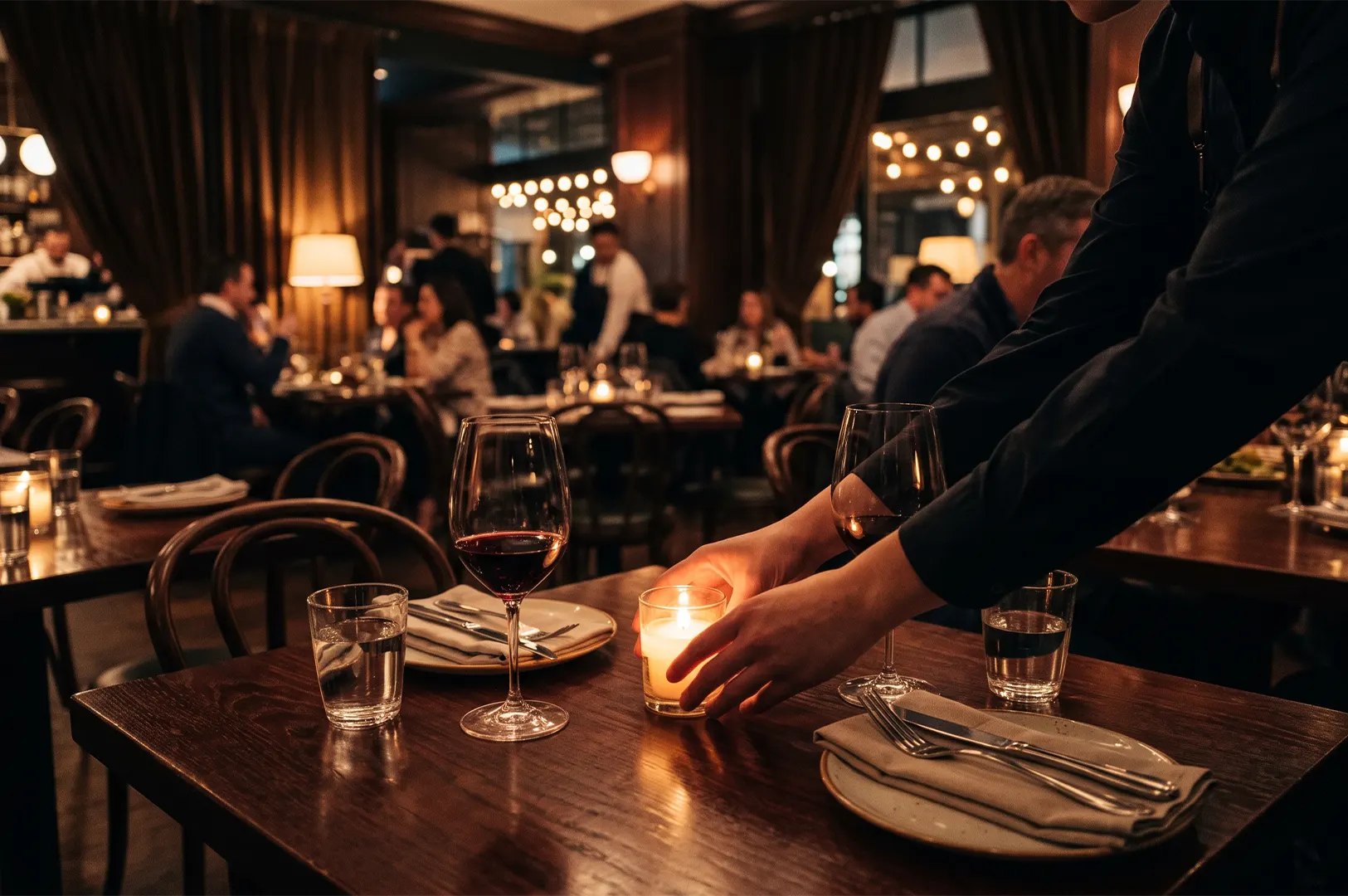

A restaurant is remembered for more than its food. While the menu may be the reason guests arrive, the space around them often determines how they feel, how long they stay and whether they return.
A thoughtful restaurant renovation can transform more than an interior. It can improve comfort, strengthen a brand identity and create an atmosphere that turns an ordinary meal into a memorable dining experience. Today, successful restaurants are renovating not only to look better, but to respond to how guests want to eat, socialise and celebrate.
Why Restaurant Design Influences the Guest Experience
The dining experience begins before the first dish reaches the table.
Guests immediately notice the lighting, layout, seating arrangement, materials and overall atmosphere when they enter a restaurant. These elements influence expectations and shape how they perceive the quality of the experience.
A well-designed restaurant can create:
- A stronger first impression
- Greater comfort during the meal
- Better interaction between guests and staff
- A more memorable emotional connection
For example, a romantic restaurant may use softer lighting, comfortable seating and better spacing between tables to encourage private conversations. Meanwhile, a lively restaurant may focus on open layouts, a visible bar and flexible seating to support social energy.
Good renovation decisions are therefore not only aesthetic. They are about understanding how people experience a space.
Renovation Is About More Than Making a Restaurant Look New
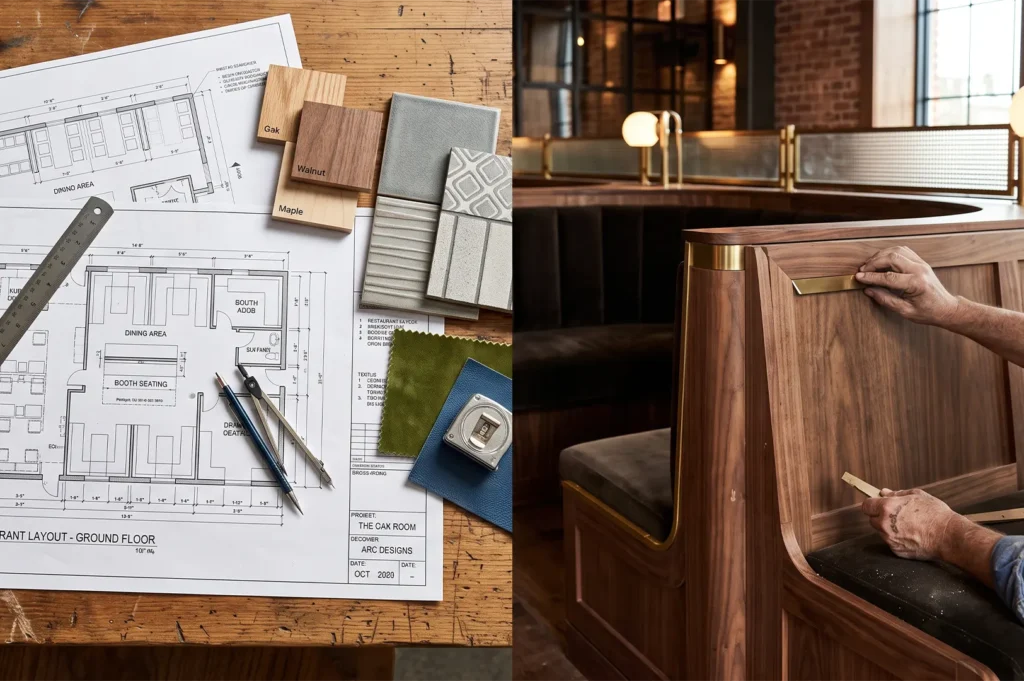
Many people associate renovation with visual changes such as new furniture, colours or decorative features. However, successful restaurant renovations usually address deeper concerns.
A restaurant may renovate to improve:
- Customer flow
- Staff efficiency
- Seating comfort
- Noise control
- Lighting quality
- Privacy between tables
A beautiful dining room can still fail if guests feel uncomfortable or if the layout creates unnecessary distractions. The best renovations balance appearance with function. They create spaces that look appealing while making the entire dining process smoother.
The Role of Lighting in Restaurant Renovation
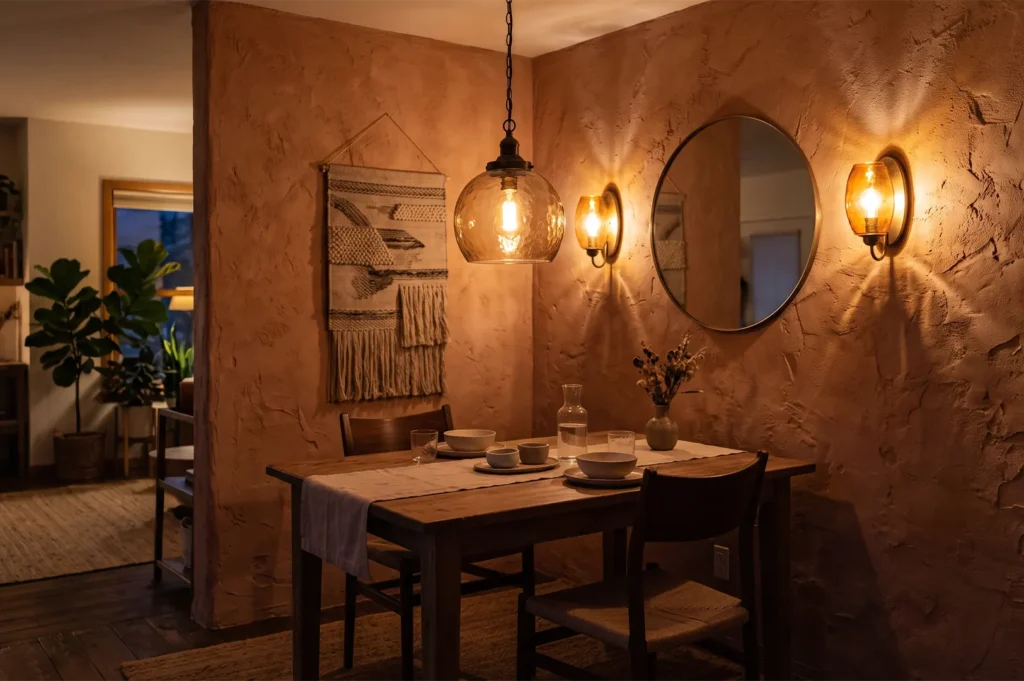
Lighting is one of the most powerful tools in restaurant design.
The same dining room can feel completely different depending on how it is illuminated. Bright lighting may support daytime dining, while warmer lighting can create a more intimate atmosphere during dinner service.
Modern restaurant renovations often use layered lighting, combining:
- Ambient lighting for overall atmosphere
- Table lighting for intimacy
- Accent lighting to highlight design features
- Natural light where possible
For romantic dining spaces, lighting can influence the entire mood of the evening. A carefully designed room does not need excessive decoration when the lighting already creates warmth and comfort.
Creating Better Layouts Through Renovation
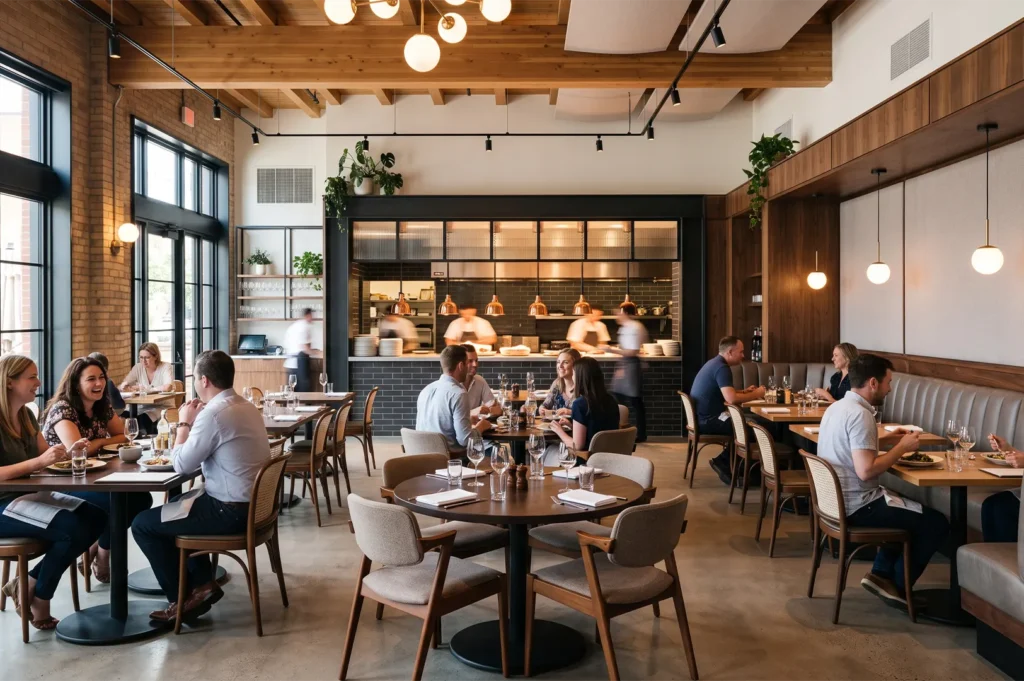
Restaurant layouts directly affect both guests and employees.
Older restaurants may have spaces that no longer match current expectations. Tables may be positioned too closely together, service paths may be inefficient, or certain seats may feel less desirable.
A renovation provides an opportunity to reconsider:
- Table placement
- Walking paths
- Private dining areas
- Bar locations
- Kitchen visibility
For guests, improved layouts can create more privacy and comfort. For staff, better movement can improve service efficiency.
This is why many successful restaurant renovations focus on redesigning the flow of the space rather than simply changing its appearance.
Designing Restaurants for Different Experiences
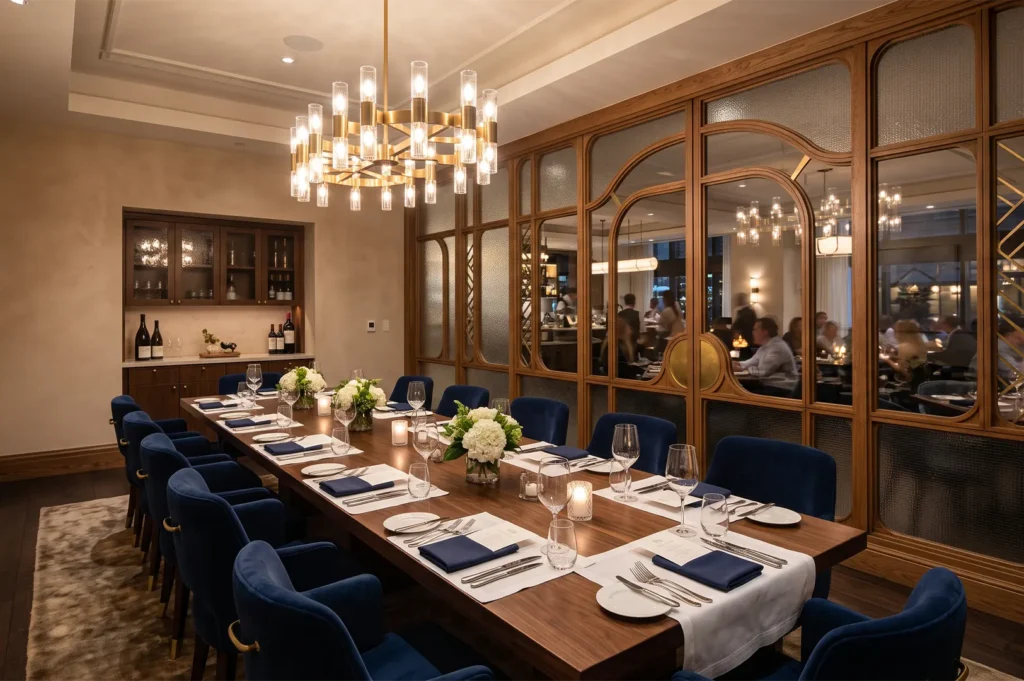
Modern restaurants are no longer designed for only one type of visit.
A single restaurant may need to accommodate:
- Casual lunches
- Romantic dinners
- Business meetings
- Private celebrations
- Cocktail evenings
- Large events
Renovation allows restaurants to create different experiences within one location. Private dining rooms, flexible seating arrangements and separate lounge areas can help restaurants serve different customer needs without losing their identity.
This approach is especially valuable for destination restaurants, where guests may visit for celebrations or special occasions rather than everyday dining.
Why Materials and Details Matter

Materials influence how a restaurant feels.
Wood, stone, fabric, glass and metal all create different impressions. Natural materials can make a space feel warmer, while polished surfaces may create a more modern atmosphere.
Successful renovations often use materials that support the restaurant’s story.
For example:
- Mediterranean-inspired restaurants may use textured finishes, natural tones and greenery.
- Fine dining restaurants may use refined materials, elegant lighting and carefully selected artwork.
- Heritage restaurants may preserve historical details while introducing modern comfort.
The goal is not simply decoration. Every design choice should contribute to the overall experience.
How Restaurant Renovations Strengthen Brand Identity
A restaurant’s design communicates what it represents. A renovation gives restaurants the opportunity to clarify their identity and adapt to changing expectations.
Some restaurants use renovation to become more intimate and refined. Others create more energetic spaces focused on entertainment and social dining.
The strongest transformations do not abandon the restaurant’s history. Instead, they evolve it. A successful renovation answers an important question:
How can this restaurant become more relevant while remaining recognisable?
Examples of Restaurants Transformed Through Renovation
Across Singapore, several restaurants have demonstrated how thoughtful renovation can improve the dining experience.
- Odette refined its dining room by creating a warmer atmosphere, improving table balance and introducing a more comfortable layout.
- LAVO transformed its rooftop setting by introducing a coastal Italian design direction, allowing the restaurant to feel more connected to its food, drinks and skyline location.
- CÉ LA VI redesigned its rooftop environment with clearer zones for dining, cocktails and entertainment, creating more flexibility for different occasions.
- Grand Shanghai refreshed its heritage-inspired interiors, strengthening its connection to old Shanghai while creating a more polished environment for modern diners.
These examples show that renovation is not only about visual improvement. It is about creating spaces that support the emotions restaurants want guests to experience.
For more examples of dining spaces transformed through thoughtful renovation, explore Restaurant Renovations’ feature on romantic restaurants in Singapore that have become more memorable through design evolution.
The Future of Restaurant Renovation
As customer expectations continue to change, restaurants must consider every part of the guest journey, from the moment someone enters the space to the final moment they leave.
The most successful renovations understand that design is not separate from hospitality. It is part of the experience itself.
A restaurant is not only a place where food is served. It is a place where memories are created, conversations happen and moments are shared.
That is why thoughtful renovation matters. When design, function and identity work together, a restaurant can become more than a dining space—it can become a place guests remember.