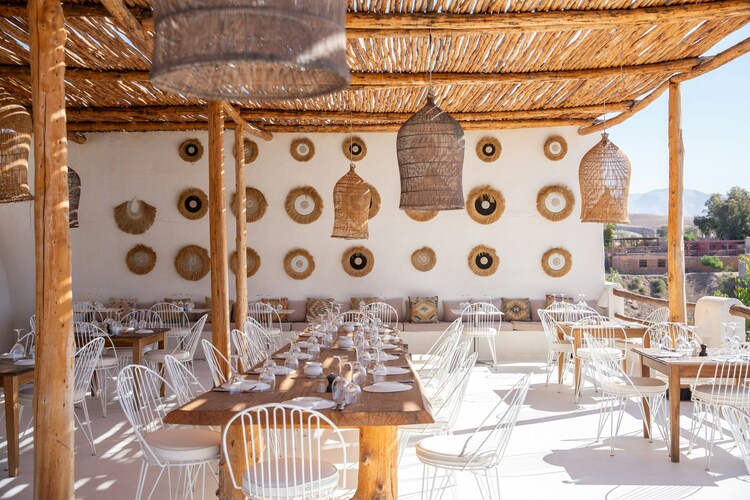

The allure of Mediterranean design lies in its ability to transport diners from Singapore’s busy streets to the sun-drenched coasts of the Greek islands or the rustic Tuscan hillsides. Rooted in warmth, natural beauty, and relaxed sophistication, this timeless style is popular among restaurant owners aiming to create memorable dining experiences. In Singapore’s competitive F&B scene, Mediterranean-inspired interiors offer a unique way to stand out and encourage guests to linger and return. Discover what makes Mediterranean restaurant interior design unique in Singapore.
Emotional Connection Through Design
Mediterranean design isn’t just about aesthetics—it’s about creating an emotional connection with your guests. The style evokes feelings of vacation, relaxation, and authentic hospitality that can significantly enhance customer satisfaction and loyalty. By focusing on the needs and preferences of customers,
Mediterranean-inspired interiors can elevate the overall experience and comfort for both customers and staff, supporting the business objectives of the restaurant through increased engagement and brand recognition. In Singapore’s fast-paced urban environment, restaurants that successfully capture this coastal elegance often see increased customer dwell time, higher average spending, and stronger word-of-mouth marketing.
Core Elements of Mediterranean Design for Modern Restaurant Interiors
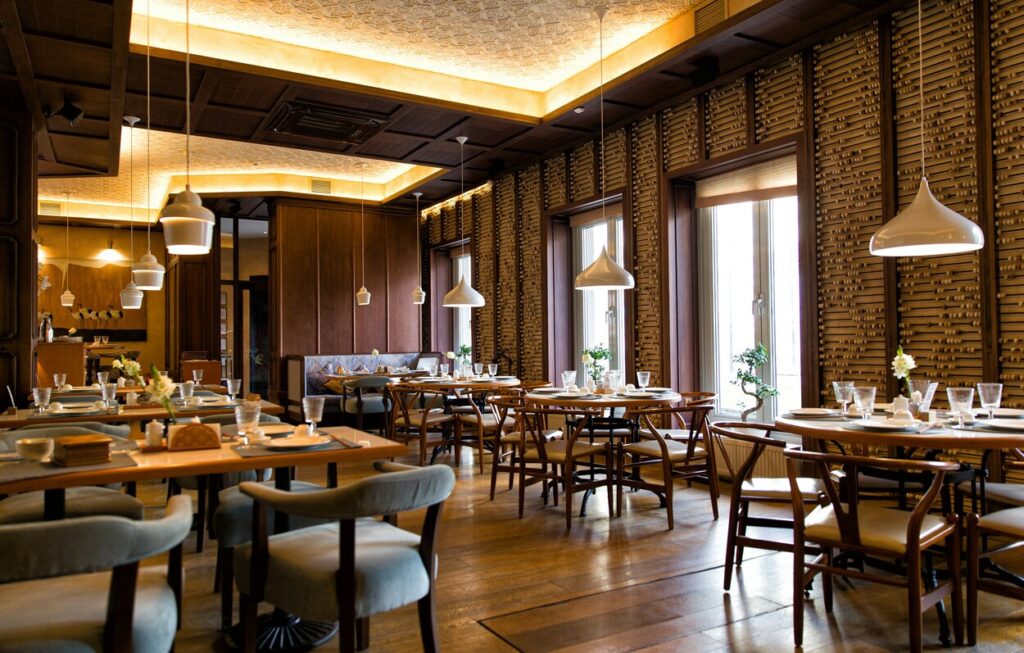
Mediterranean design draws its inspiration from the countries surrounding the Mediterranean Sea, creating spaces that feel both refined and effortlessly casual. Understanding these fundamental elements is crucial for successful implementation in restaurant interior design Singapore projects. Brainstorming and sharing ideas is essential for developing a Mediterranean-inspired concept that truly reflects the desired ambiance and character.
Embracing Natural Authenticity
The foundation of Mediterranean style rests on natural authenticity. This approach emphasizes organic textures, handcrafted details, and materials that show honest wear and patina. Unlike minimalist trends that strip away ornamentation, Mediterranean design celebrates imperfection and the beauty of aging materials.
Key Architectural Elements
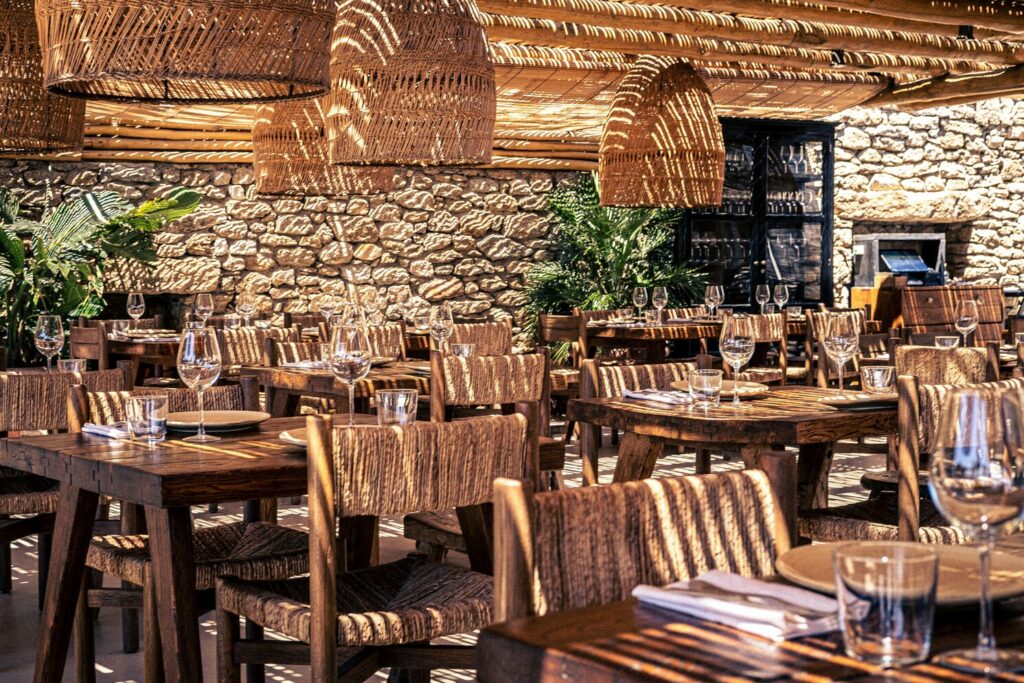
Key architectural elements include arched doorways and windows, exposed wooden beams, and stone or stucco walls. These features create visual interest and depth while maintaining the relaxed, lived-in feel characteristic of Mediterranean homes and tavernas. For modern restaurant interiors, these elements can be adapted through decorative arches, faux beam treatments, and textured wall finishes that capture the essence without requiring major structural changes. The layout of the restaurant is carefully planned to reinforce the Mediterranean atmosphere and optimize space for both functionality and aesthetic coherence.
Lighting for Authentic Ambiance
Lighting plays a crucial role in achieving authentic Mediterranean ambiance. The style favors warm, golden light that mimics the soft glow of sunset over the Mediterranean. Wrought iron chandeliers, ceramic pendant lights, and strategically placed candles or lanterns create intimate pockets of illumination that encourage conversation and relaxation.
Furniture Selection
Furniture selection should emphasize comfort and durability. Heavy wooden tables, wrought iron chairs with cushions, and banquette seating with rich fabrics create a welcoming atmosphere. Designs can be tailored to reflect each restaurant’s unique character, making the space feel like an extension of a Mediterranean home rather than a formal dining room.
The Mediterranean Color Palette: Creating Ambiance in Singapore Restaurants
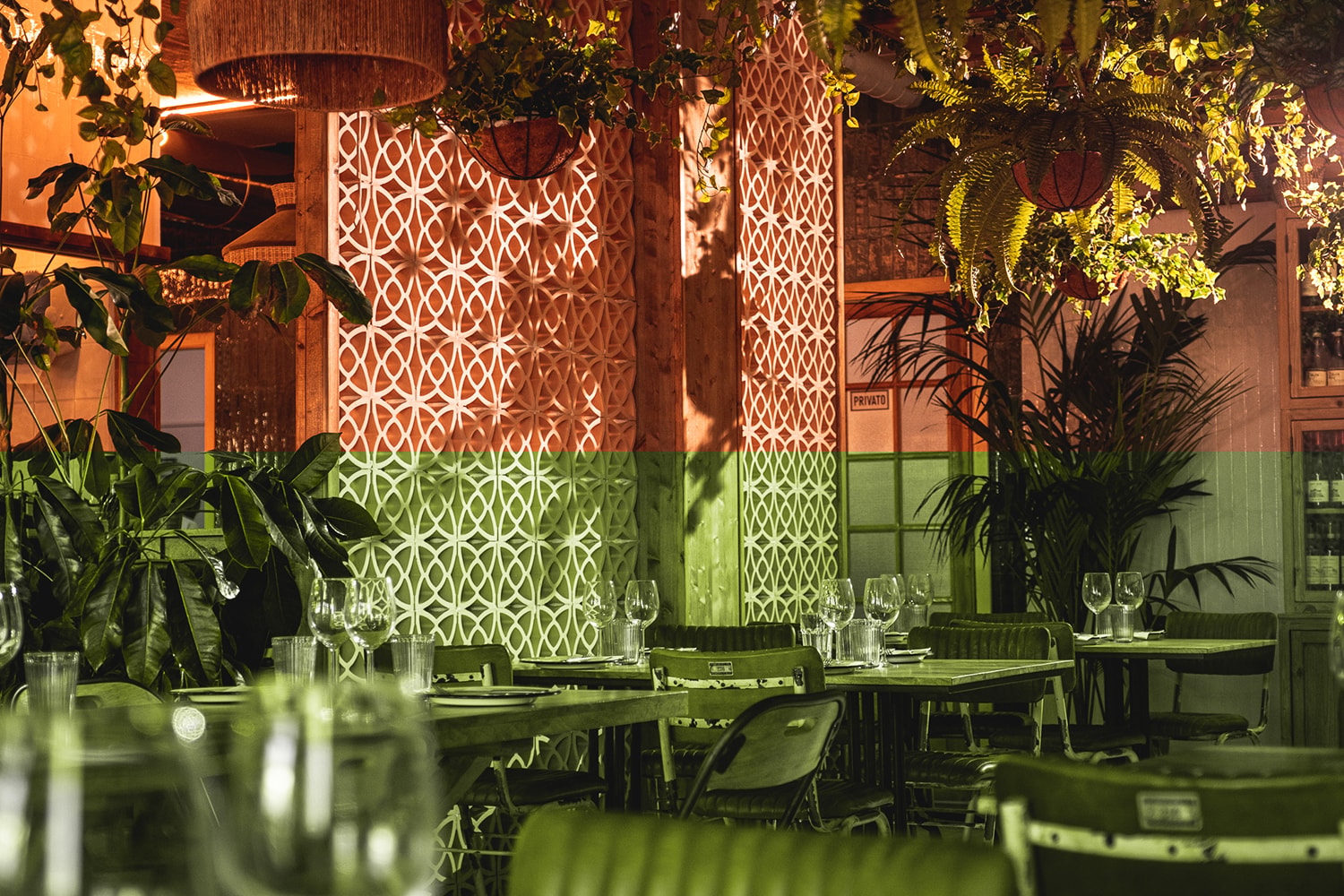
The Mediterranean color palette draws directly from the natural landscape—azure blues of the sea, warm terracotta of sun-baked earth, golden yellows of sunshine, and the sage greens of olive groves. These colors work exceptionally well in Singapore’s urban environment, providing a welcome contrast to the concrete and steel of the city. This palette creates a visually appealing environment that enhances the dining experience.
Brand Identity – Innovative Design for Commercial Space
Blue serves as the anchor color, ranging from deep navy to soft azure. Use deeper blues for accent walls or upholstery, while lighter blues suit decorative elements or painted furniture. Terracotta and warm ochre add earthiness through ceramic tiles, planters, or accent walls. These colors enhance ambiance and reinforce the restaurant’s brand identity by visually communicating its personality and values.
Practical Application and Maintenance
White and cream create brightness and openness, essential in Singapore’s compact restaurant spaces. These neutral tones also reflect natural light, reducing artificial lighting needs during daytime service.
For practicality, use washable finishes in these colors. Glazed ceramic tiles in Mediterranean blues and earth tones add authenticity and are easy to maintain in Singapore’s humid climate.
Natural Materials: The Foundation of Mediterranean Commercial Interiors
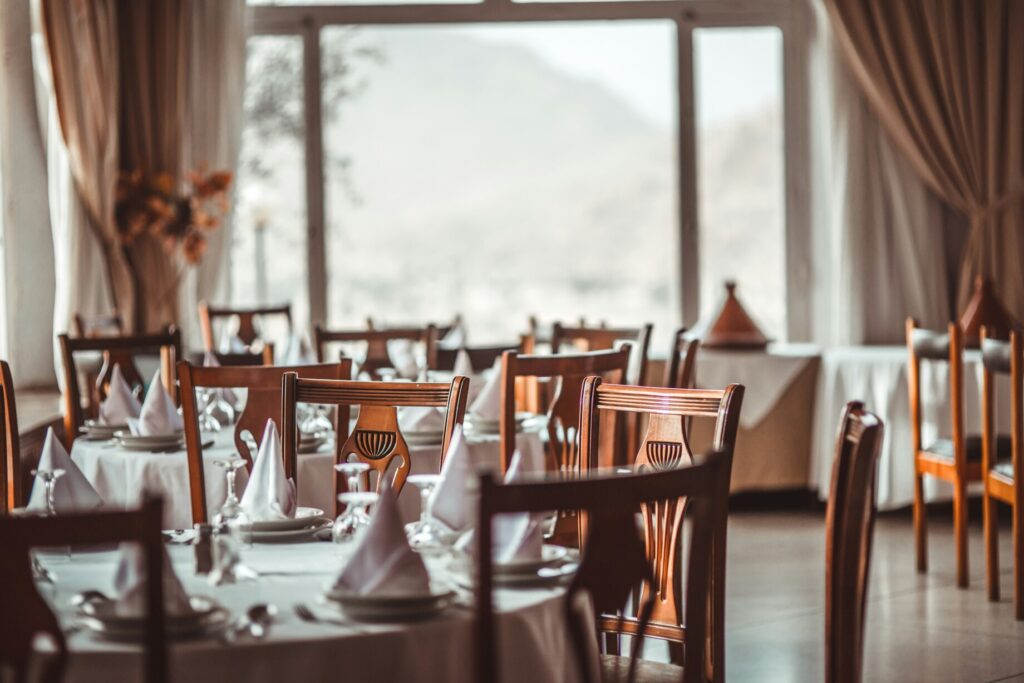
Natural materials are non-negotiable in authentic Mediterranean design. Stone, wood, ceramic, and metal each play specific roles in creating the desired atmosphere while meeting Singapore’s commercial requirements.
Stone Elements for Durability and Cooling
Stone elements like travertine or limestone flooring provide durability and natural cooling, ideal for Singapore’s climate. For budget-friendly options, high-quality porcelain tiles mimic natural stone’s look with easier maintenance.
Wood Selection for Humidity Resistance
Wood must withstand Singapore’s humidity. Teak is an excellent choice for furniture and décor. Using reclaimed or distressed wood adds authentic patina while ensuring durability in tropical conditions.
Ceramic and Terracotta Accents
Ceramic and terracotta add texture and authenticity through hand-painted tiles, planters, and pottery. Sourcing locally helps control costs and ensures timely delivery.
Integration During Construction
Careful planning during construction ensures natural materials blend seamlessly, maintaining both aesthetic appeal and practical performance.
Regional Variations: Greek, Italian, Spanish, and North African Influences
Greek Influence
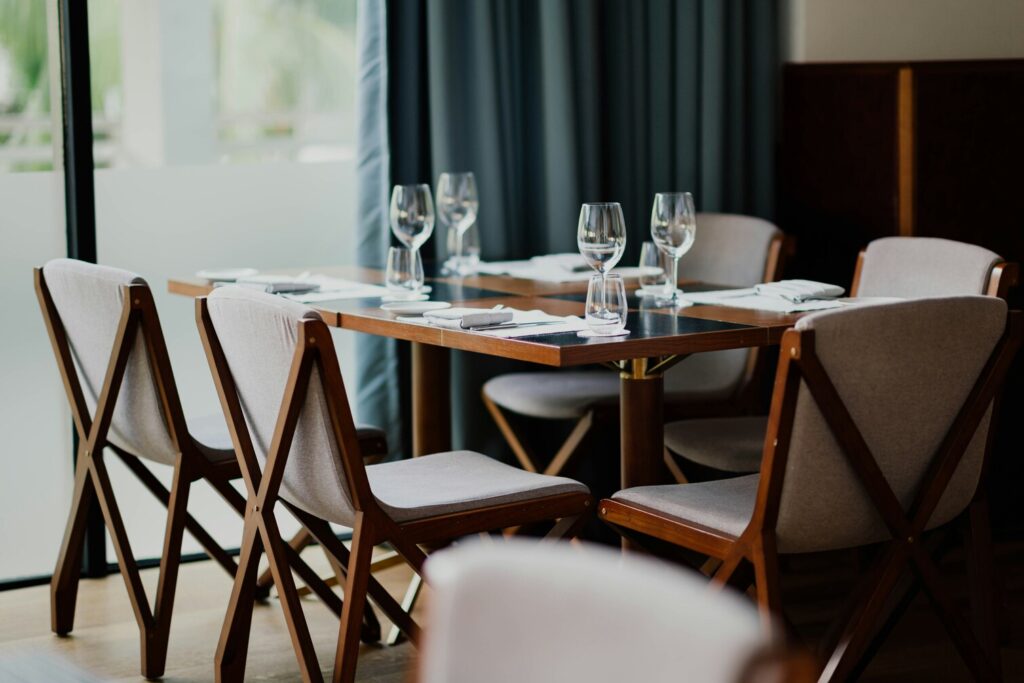
Greek influence emphasizes white and blue color schemes, simple clean lines, and nautical elements. This style suits seafood restaurants or casual dining concepts. Key features include blue-painted shutters, white-washed furniture, and maritime artifacts.
Italian Inspiration
Italian Mediterranean design favors warm earth tones, rustic textures, and sophisticated craftsmanship. Ideal for upscale or family-style dining, it includes rich wood furnishings, decorative ironwork, and warm amber lighting to create an intimate atmosphere.
Spanish Mediterranean Style
Spanish design incorporates Moorish tilework, wrought iron details, and bold geometric patterns. Perfect for tapas bars or contemporary spaces, it features vibrant bar areas that encourage social interaction and capture the lively Mediterranean spirit.
North African Elements
North African influence adds exotic sophistication with rich jewel tones, intricate metalwork, and luxurious textiles. This style elevates Mediterranean design for fine dining or unique private spaces.
Practical Implementation Tips for Singapore’s Climate and Context
Adapting Mediterranean Design to Singapore’s Tropical Climate
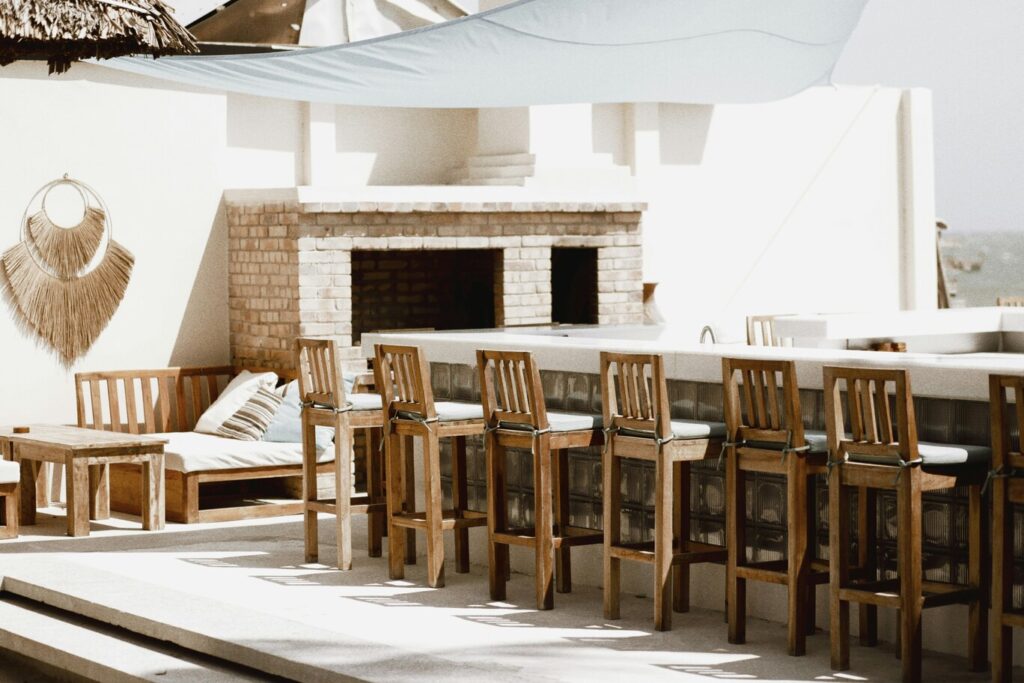
Singapore’s tropical climate brings both challenges and opportunities for implementing Mediterranean design. High humidity means choosing materials carefully and planning good ventilation, while plenty of natural light can highlight the bright, airy feel that Mediterranean style is known for. Using ergonomic furniture and flexible layouts helps improve employee comfort and productivity, making sure the space supports both well-being and efficient work.
Collaborative Design Approach
A dedicated design team should work closely with clients to understand their unique needs and make sure every design element fits the restaurant’s concept and operations. This teamwork is important for both restaurant and office projects, where balancing aesthetics with functionality is key.
Ventilation and Material Considerations
Ventilation is especially important when using natural materials like wood and fabric. Proper air circulation through HVAC systems and moisture-resistant treatments for wood can help. Materials like ceramic and stone naturally handle humidity well and help keep the space cool.
Indoor-Outdoor Connections and Flexibility
Take advantage of Singapore’s warm weather by creating indoor-outdoor connections where possible, such as retractable glass walls, covered terraces, or courtyard seating. These features extend the Mediterranean feel while handling occasional rain. Flexible design also supports smooth operations and lets the space adapt to changing business needs.
Compliance and Accessibility
Be mindful of local rules about outdoor dining, fire safety for decorative items like candles, and accessibility standards, which may affect traditional Mediterranean seating like floor cushions or raised platforms.
Budget Considerations
Budget needs will vary depending on the concept and level of detail. Casual dining spots can focus spending on standout features like a tile backsplash, unique lighting, and authentic furniture. Upscale restaurants may invest more in custom woodwork, imported materials, and architectural details like decorative arches or stone walls.
Commercial Renovations for Mediterranean-inspired Restaurants in Singapore
Successful Mediterranean-Inspired Restaurants in Singapore
Several Mediterranean-inspired restaurants like Prego at Westin Singapore and Basilico at Regent Singapore effectively blend this style with local hospitality needs, ensuring operational efficiency.
Return on Investment and Marketing Benefits
Well-executed Mediterranean design renovations typically yield positive returns within 12-18 months. Their timeless appeal fosters customer loyalty and enhances social media marketing through photogenic interiors.
Collaborating with Professionals for Authentic Results
Restaurant owners should work closely with experienced restaurant interior design Singapore teams to create authentic, functional spaces that balance Mediterranean aesthetics with local commercial demands, ensuring long-term success.
Mediterranean charm offers Singapore restaurateurs a proven path to creating memorable dining experiences that transport guests while remaining practical and profitable. With careful planning and professional execution, this timeless style can provide the differentiation needed to thrive in one of the world’s most competitive F&B markets. Ready to transform your dining space into an experience? Visit Restaurant Renovations to see how thoughtful design brings restaurants to life.