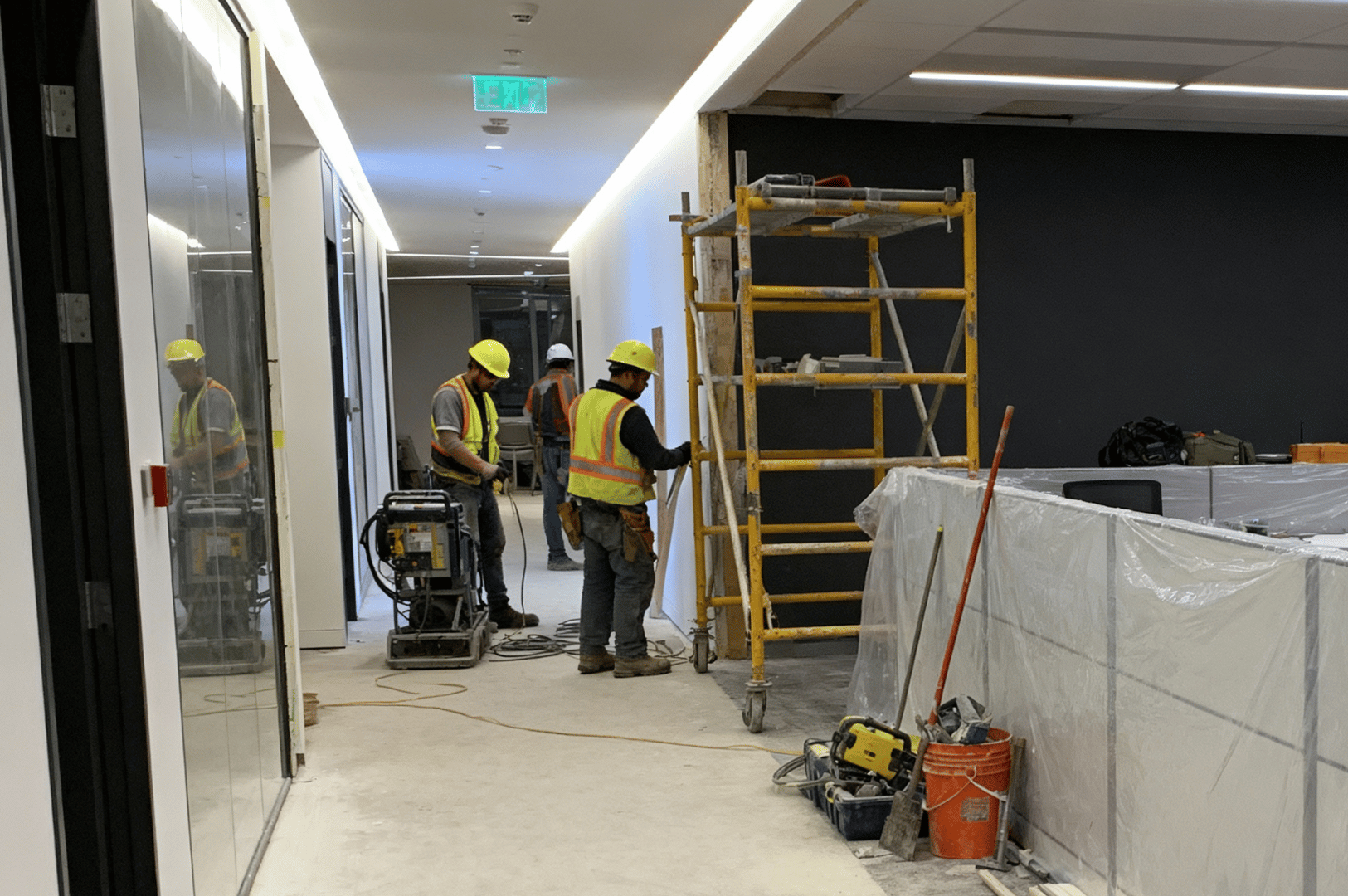

The decision has been made: your business needs a facelift. Your office space might feel outdated, your retail floor in need of modernization, or your clinic ready for expansion. Amid the excitement of a fresh look comes a pressing question: how can you renovate without shutting down and losing revenue? Phased renovation strategies offer a practical solution—allowing you to stay open during construction while maintaining business operations.
A well-planned renovation project ensures your business continues daily operations, your staff stays engaged, and your customers remain satisfied. By minimizing disruption to daily life, phased renovation enables staff and customers to maintain their routines throughout the construction process.
This guide provides a step-by-step approach to business renovation planning, combining strategic insights with actionable tactics.
Introduction to Office Renovation

Office renovation is a multifaceted process that transforms existing office space to better align with the evolving needs of a business. From updating interior design to reconfiguring layouts and upgrading infrastructure, a successful renovation project requires careful planning and execution.
Project managers play a pivotal role in overseeing the renovation process, ensuring that each phase is completed on time and within budget. Leveraging project management software can streamline communication, track progress, and coordinate various aspects of construction and design. By approaching office renovation with a clear strategy and effective project management, businesses can create a workspace that supports productivity, innovation, and long-term growth.
Phased Renovation Strategies

Phased renovations divide a project into multiple phases, carefully sequencing construction to minimize disruption. This strategic approach ensures continuity in business operations while work progresses. A phased approach is particularly useful in office renovation, retail, and hospitality settings, where closure can result in significant financial loss and reduced client engagement.
Key elements of successful phased renovation strategies include:
- Initial consultation: Discuss goals with project managers and contractors to define scope, set priorities, and clarify client expectations.
- Design phase: Allocate funds for interior design, material selection, and energy efficiency upgrades.
- Phased approach: Divide the renovation journey into different phases to maintain daily operations and control costs.
- Monitoring progress: Use project management software to track milestones, manage unexpected issues, and ensure consistency across the entire project.
Office Renovation
Office renovations present unique challenges, including structural changes, plumbing adjustments, and energy efficiency considerations. Maintaining operations during construction requires careful planning.
Practical strategies for office renovation:
- Sectional renovation: Renovate one department or floor at a time while the rest of the office remains functional.
- Modified operations: Introduce temporary housing for staff, reroute workflows, or create alternative meeting spaces.
- Nighttime construction: Schedule noisy or disruptive work outside business hours to protect the customer and employee experience.
When planning your office renovation, don’t overlook the must haves: uninterrupted power, clear signage, and safe access routes are essential for keeping your business running smoothly and ensuring safety during the project.
Office Space Considerations

When embarking on an office renovation, it’s crucial to evaluate how your current office space supports your business objectives and employee needs.
Start by assessing which areas require improvement—whether it’s optimizing layouts for better collaboration, increasing energy efficiency, or updating materials for a modern look. Thoughtful office space planning might include introducing open-concept work areas, maximizing natural light, and selecting sustainable materials that contribute to a healthier environment. By focusing on these elements, businesses can create an office space that not only looks appealing but also enhances productivity and reflects company values.
Office Renovations and Office Space
Office space planning is integral to phased renovations. Consider the entire process—from initial consultation through the final phase—to ensure a cohesive workspace. Maintaining functional office space requires balancing construction schedules with operational priorities.
Example strategies:
- Use temporary partitions to separate construction zones.
- Implement daily cleaning protocols to maintain safety standards.
- Provide staff with clear communication about operational changes.
Business Operations
Phased renovation projects must integrate seamlessly with daily business operations. Project managers play a key role in coordinating construction crews, staff, and contractors to minimize disruption.
Tips for maintaining operations:
- Schedule work in different phases to allow continued service.
- Communicate consistently with staff and customers to manage expectations.
- Monitor progress daily to quickly address unexpected changes or structural issues.
Business Continuity Planning
Maintaining business operations during an office renovation requires a robust business continuity plan. This plan should outline how daily operations will proceed, how communication will be managed, and what temporary housing solutions are available for employees if certain areas become inaccessible.
Phased renovations are particularly effective for minimizing disruption, as they allow portions of the office to remain operational while work is completed in other areas. By proactively addressing potential challenges and planning for unexpected costs, businesses can ensure that the renovation project progresses smoothly without compromising service delivery or employee productivity.
Financial Planning
A phased approach allows for controlled financial planning. Instead of a full shutdown, revenue continues, helping cover operational costs such as payroll, utilities, and rent.
Financial planning essentials:
- Create a realistic budget including unexpected costs.
- Allocate funds for each phase to prevent overspending.
- Monitor progress to track cost control and ensure financial efficiency throughout the renovation project.
Building Codes
Compliance with local building codes is crucial. Renovation projects often require multiple permits and approvals from relevant authorities.
Steps to ensure compliance:
- Obtain necessary permits for each phase.
- Schedule inspections to prevent delays.
- Consult experts to address safety standards, structural issues, and regulatory requirements.
Monitor Progress
Tracking milestones is essential for keeping phased renovations on schedule. Project management software can provide centralized oversight of:
- Construction progress
- Material delivery and selection
- Workflow adjustments
- Communication with contractors and stakeholders
Monitoring progress ensures that each phase aligns with the overall renovation journey and supports consistent operations.
Interior Design

Interior design is more than aesthetics—it impacts functionality, energy efficiency, and employee experience. Incorporate design considerations during the phased approach to avoid rework in the final phase.
Focus areas:
- Material selection for durability and energy efficiency
- Layout adjustments to improve workflow
- Coordination with construction to minimize operational disruption
Necessary Permits
Phased renovation projects often require staging permits for different aspects of construction:
- Demolition permits
- Electrical or plumbing permits
- Final occupancy approvals
Securing permits in advance helps prevent unexpected delays and ensures the renovation journey proceeds smoothly.
Risk Management and Mitigation
Risk management is a critical component of any office renovation project. Identifying potential risks—such as structural issues, safety hazards, or unexpected changes to the renovation plan—enables businesses to develop effective mitigation strategies.
A thorough risk assessment at the outset of the renovation process helps anticipate challenges and create contingency plans. Regularly monitoring the renovation process and maintaining open communication with all stakeholders ensures that unexpected issues are addressed promptly, minimizing their impact on the project timeline and budget. By prioritizing risk management, businesses can keep their renovation project on track and avoid costly setbacks.
Communication and Stakeholder Management
Clear and consistent communication is essential for the success of any office renovation project. Keeping all stakeholders—including employees, customers, and contractors—informed about the renovation process, timelines, and expectations fosters trust and alignment.
Regular updates, meetings, and progress reports help ensure that everyone involved understands the goals and status of the entire project. Addressing concerns promptly and considering the needs of all stakeholders can lead to a more positive renovation experience and a final office space that meets the expectations of everyone involved. Effective stakeholder management not only supports the renovation process but also contributes to the overall success of the project..
Different Phases
PA phased renovation breaks down the project into manageable segments, each with a defined scope. Common phases include:
- First phase: Demolition or preparation of a specific zone
- Middle phases: Structural changes, interior finishes, or energy efficiency upgrades
- Final phase: Completion of aesthetic details and inspection approvals
A phased approach allows you to address structural issues, manage unexpected changes, and maintain business operations throughout the project.
Full Scope
PhSuccessful renovations consider the full scope of the project, including:
- Structural changes and safety standards
- Plumbing, electrical, and HVAC upgrades
- Interior design and material selection
- Client expectations and financial planning
Project managers and contractors must coordinate closely to ensure consistency, mitigate risks, and maintain operational continuity.
Ensure Consistency
Consistency across the entire project ensures quality and protects your business reputation. Key actions include:
- Documenting standards for each phase
- Using project management tools to track progress
- Regular check-ins with stakeholders to align on design, timeline, and budget
Building Your Future Without Closing Your Doors
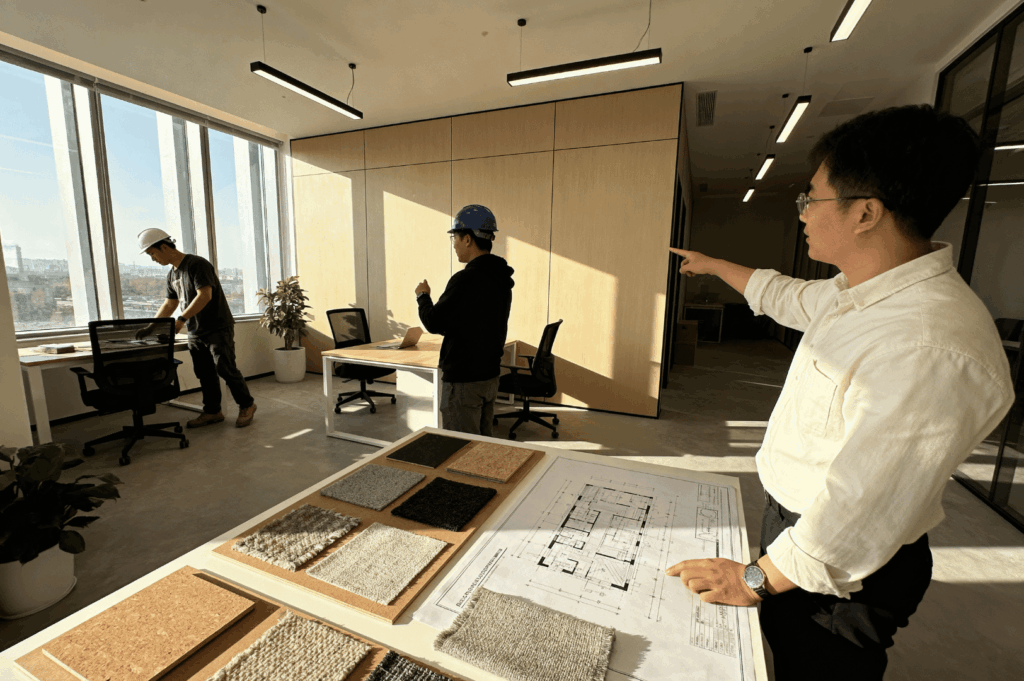
Your renovation journey doesn’t have to halt business operations. By implementing phased renovation strategies, you can stay open during construction, maintain revenue, and engage both staff and customers. Success hinges on meticulous planning, effective communication, compliance with building codes, and the expertise of experienced project managers.
With the right strategic approach, each phase—from initial consultation through the final phase—can be executed smoothly, turning a potentially disruptive renovation process into a controlled, cost-effective, and rewarding project. Beyond the practical benefits, this approach demonstrates resilience, reassures clients, and sets your business apart as one that can adapt and grow while delivering consistent value, even in the middle of change. For a deeper look at planning costs wisely and avoiding budget overruns, read our Restaurant Renovation Budget Allocation Guide in Restaurant Renovations.