

Renovation costs in Singapore continue to rise in 2025, with an average increase of 8-12% compared to last year. Homeowners in Singapore wondering how to manage renovation costs and budget effectively should pay close attention to financial planning and available funding options. Whether renovating a new BTO flat, resale property, or commercial space like a restaurant, understanding the renovation cost landscape is vital to avoid costly mistakes and manage your renovation budget effectively. For expert guidance on planning and executing kitchen and restaurant renovations, it is important to ensure you have enough cash or access to financing options, such as renovation loans or personal loans, before starting your renovation.
This overview presents estimated renovation costs across various property types, highlights the key factors influencing pricing, and provides a detailed cost breakdown alongside financing options such as renovation loans and personal loans. It also identifies common hidden costs and discusses aspects like light hacking, custom carpentry, and the complexities involved in renovating older properties.
Renovation Cost Singapore and Renovation Costs: Price Ranges by Property Type
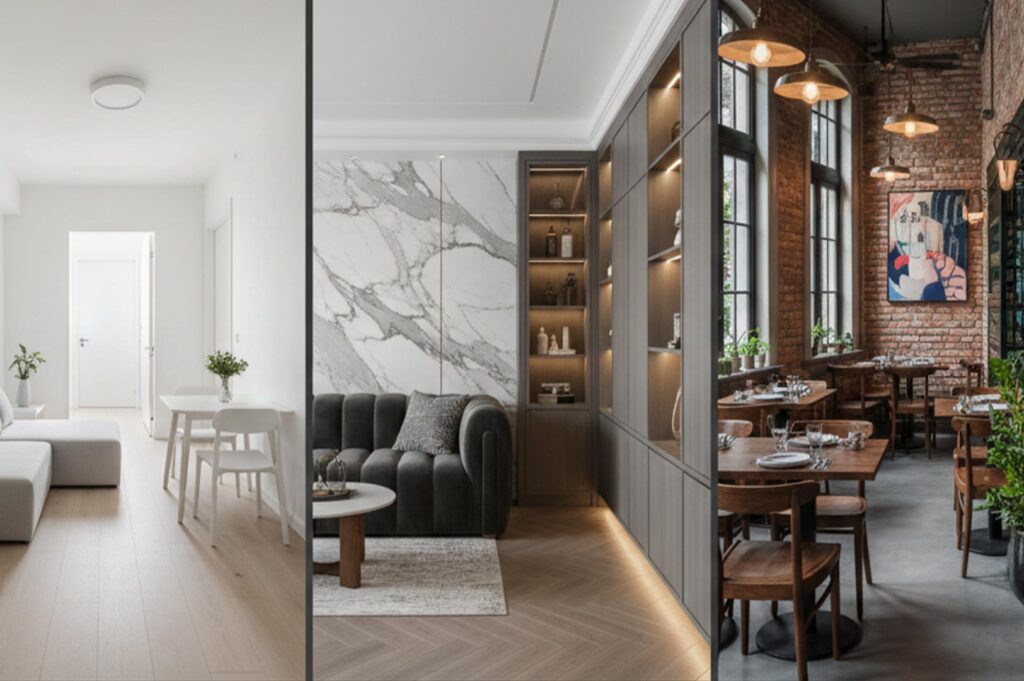
Renovation costs in Singapore vary depending on property type, size, condition, and the scope of work involved. For instance, the average renovation cost for a 3-room HDB flat typically ranges from $30,000 to $45,000 for a new BTO unit, while renovating a similar 3-room resale flat usually costs between $45,000 and $65,000. New condominiums generally see renovation costs ranging from $50,000 to $80,000, whereas resale condo renovations can be more expensive, often between $80,000 and $120,000. These figures provide homeowners with a benchmark for planning their renovation budgets.
HDB flats, especially resale units, often incur higher renovation costs due to additional work such as light hacking, electrical rewiring, and upgrading existing structures. The complexity arises from the need to address wear and tear, demolition, and compliance with updated regulations, all of which contribute to the increased average renovation cost compared to newer BTO flats.
Similarly, condominium renovations reflect a range of costs influenced by whether the unit is new or resale. Resale condo renovations tend to be more expensive because of the extensive updates required, including hacking and customization to match the new owner’s preferences. These renovations often involve incorporating built-in cabinets and premium finishes, which add to the overall expenses.
Commercial spaces, such as restaurants, present a different scale of renovation costs. Basic fit-outs for such spaces may start from $25,000 and go up to $50,000, while more extensive renovations can exceed $100,000. The higher costs are usually due to specialized requirements like commercial-grade electrical wiring, ventilation systems, and durable materials designed to withstand heavy use.
Overall, renovation costs in Singapore are influenced by the property type, the extent of renovation work, and the choice of materials. Resale flats and condos generally require more structural changes, electrical rewiring, plumbing upgrades, and the use of premium materials and finishes, all of which contribute to higher renovation expenses.
Renovation Cost Singapore for Landed Property and Commercial Renovations: Major Works and Permit Requirements
Landed property renovations involve complex permit requirements, including Building Control Authority approvals and architect involvement, which increase costs by 15-25%. When undertaking such projects, it is important to ensure compliance with financial regulations and insurance policies as regulated by the monetary authority, which provides oversight and protection for renovation-related financial matters. Restaurant renovations require specialized work such as commercial-grade electrical wiring, ventilation, and durable materials, leading to higher labour costs and material expenses.
Renovation Cost Breakdown: Detailed Quotations and Where Your Money Goes

- Labour costs form a significant portion of renovation expenses, especially for carpentry and masonry. A huge chunk of the renovation budget often goes to these categories, so it’s important to prioritize custom carpentry work like built ins, feature walls, and platform beds based on your needs and budget.
| Renovation Component | Percentage of Total Cost | Description |
| Carpentry and Custom Carpentry | 35-45% | Bespoke details like kitchen cabinets, built-in fixtures, wardrobes, shelving, platform beds, and feature walls that create intentional and functional spaces. |
| Masonry and Wet Works | 20-25% | Foundational elements including flooring, tiling, bathroom renovations, and plumbing upgrades that ensure durability and functionality. |
| Electrical Wiring and Lighting Points | 8-12% | Includes false ceilings, ambient lighting fixtures, rewiring, and lighting points that enhance the ambiance and safety of the space. |
| Plumbing Works | 5-8% | Essential infrastructure for water systems that ensures reliable and efficient plumbing throughout the home. |
| Painting and Finishes | 5-7% | Final touches such as fresh paint and aesthetic upgrades that refresh and personalize the living space. |
| Flooring Installation | 8-15% | Installation of materials like hardwood, marble, ceramic, vinyl, and laminate, calculated per square foot but impactful on the overall feel. |
Commercial Kitchen Renovations: Full Renovation Costs and Specialized Work
Commercial kitchens require specialized carpentry, stainless steel surfaces, and compliance with health regulations, resulting in higher costs than residential kitchens. Expect basic renovations from $8,000 to $15,000, mid-range with built-in appliances from $15,000 to $25,000, and premium finishes up to $40,000.
Key Factors Affecting Renovation Costs in Singapore: Property Type, Scope, and More

| Factor | Impact on Renovation Cost |
| Property Type and Size | Larger spaces and complex layouts increase costs by 15-30%. |
| Design Complexity | More intricate designs, partial partition walls, and custom carpentry add to expenses. |
| Material Quality | Premium materials and finishes can double or triple costs. |
| Scope of Work | Structural changes, hacking (including light hacking), electrical rewiring, and plumbing upgrades increase the renovation budget. |
| Contractor Choice | Interior designers typically charge 20-40% more than direct contractors but provide expert advice, space planning, and project management. |
| Timing and Market Conditions | Material price fluctuations and labour shortages can raise costs by 10-20%. |
| Permit and Compliance Fees | Structural works require permits, adding $300-$800 in fees. |
| Location and Accessibility | Delivery and labour costs may be higher for high-rise or remote properties. |
Financing Your Renovation Journey: Renovation Loans vs. Personal Loans
Renovation loans offer cost-effective financing with structured disbursement, ideal for full renovation costs. Personal loans provide flexibility to cover additional renovation expenses like furniture and temporary accommodation but may have higher interest rates.
| Feature | Renovation Loan | Personal Loan |
| Purpose | Renovation-specific | Any purpose (including renovation) |
| Interest Rate | Typically lower (1.99%-3.5%) | Generally higher (1.85%-12%) |
| Maximum Amount | Up to $30,000 or 6x monthly income | Up to 10x monthly income |
| Disbursement | Staged payments to contractors | Lump sum to borrower |
| Proof Required | Contractor invoices and quotes | Not required |
| Loan Tenure | Up to 5 years | Up to 7 years |
Hidden Costs to Factor Into Your Renovation Budget and the Renovation Journey
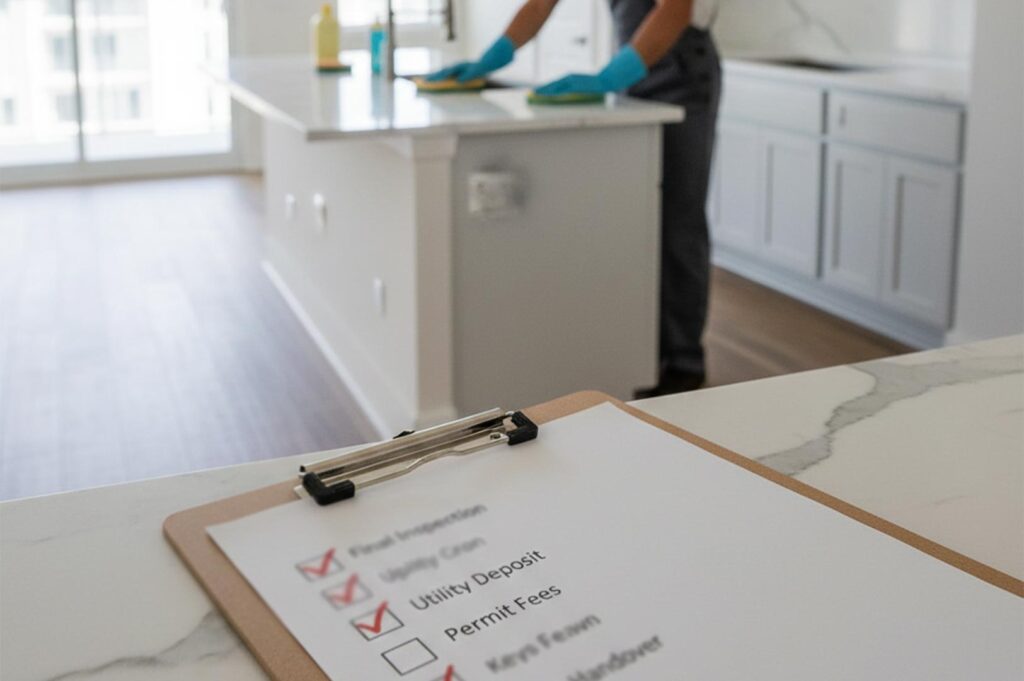
Many restaurant owners overlook hidden costs that can significantly increase the total renovation cost of their commercial space. Permit fees, which vary between $300 and $800 depending on the renovation scope and regulatory requirements, are often an initial expense that must be accounted for. Debris removal is another essential consideration, with costs ranging from $500 to $1,500 based on the project’s size and complexity. If the restaurant must close or relocate during renovations, temporary relocation or accommodation expenses can add $2,000 to $5,000 per month to the budget. After construction, professional deep cleaning typically costs between $300 and $800 to prepare the space for operations.
Additionally, it is wise to set aside 5-10% of the total renovation expenses for touch-up work and potential warranty claims to cover unexpected repairs or adjustments. Utility deposits and reconnection fees, usually between $200 and $500, are also necessary for temporary disconnections and reconnections of water, gas, and electricity. Accounting for these costs upfront helps restaurant owners avoid unexpected expenses and ensures a smoother renovation journey.
Conclusion: Managing Renovation Cost Singapore and Your Renovation Journey with Confidence
Renovation costs in Singapore for 2025 reflect rising prices but also increased options for managing your renovation budget. Whether renovating a resale flat, BTO unit, condo, or commercial property, thorough planning, detailed quotations, and awareness of hidden costs are essential to avoid costly mistakes.
Focus on value and quality by working with licensed contractors and interior designers to bring your dream space to life within budget. With careful budgeting and expert advice, your renovation journey can transform your property into the perfect home or commercial space.
Start by obtaining detailed renovation quotes and setting a realistic renovation budget that includes all expected and unexpected costs. This approach will help you navigate the renovation process confidently and cost-effectively.