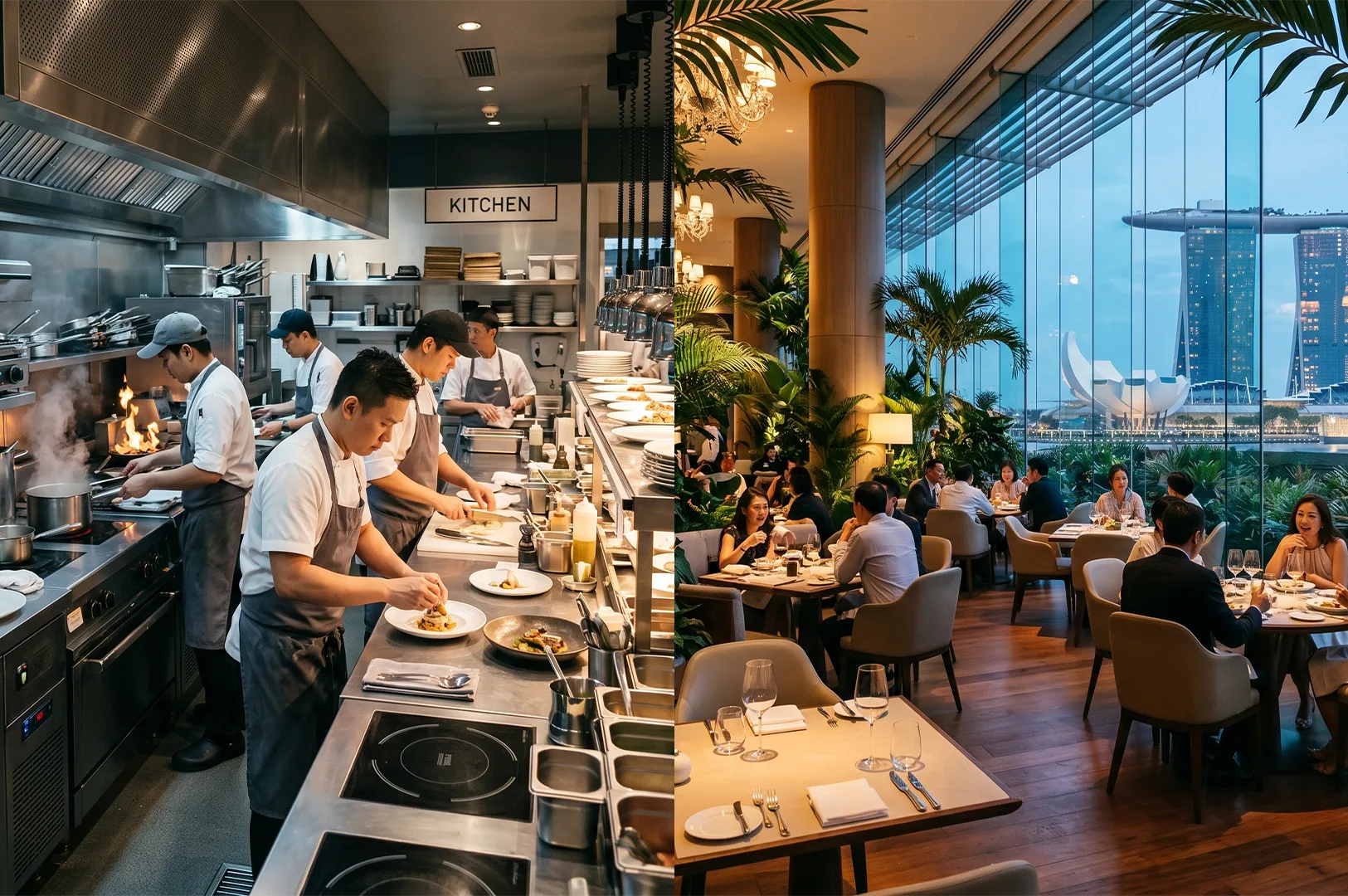

In Singapore’s highly competitive dining scene, restaurant renovation is essential for long-term success. With over 30,000 food and beverage establishments nationwide, I know that restaurant owners must strategically renovate to stay relevant and attract customers. Whether I am running a small cafe in Chinatown or a fine dining restaurant in Marina Bay, understanding the entire renovation process is critical.
Restaurant Renovation Singapore encompasses everything from interior design and kitchen upgrades to structural changes and compliance with safety regulations. For those of us looking to renovate our restaurant, it requires careful planning, budgeting, and strict adherence to Singapore’s regulatory requirements. Working with reputable renovation contractors and trusted renovation companies ensures access to reliable service providers in the industry.
Introduction to Restaurant Renovation and Interior Design in Singapore

Restaurant transformation in Singapore unfolds as a contemplative journey of craftsmanship, where meticulous curation meets visionary refinement. Whether I seek to cultivate my residential sanctuary into a cherished dwelling or breathe renewed vitality into my culinary establishment, the artistry of reputable renovation craftsmen becomes essential.
Before embarking upon this contemplative process of renewal, I must navigate the carefully curated approval pathways established by the Building and Construction Authority. Homeowners like me, whether renovating a resale flat, a 4 room BTO, or a condominium unit, and culinary visionaries should immerse themselves in the BCA’s comprehensive repository of wisdom, where required documentation, submission rituals, and completion guidelines await contemplation.
Overview of Restaurant Renovation Projects and House Renovation in Singapore
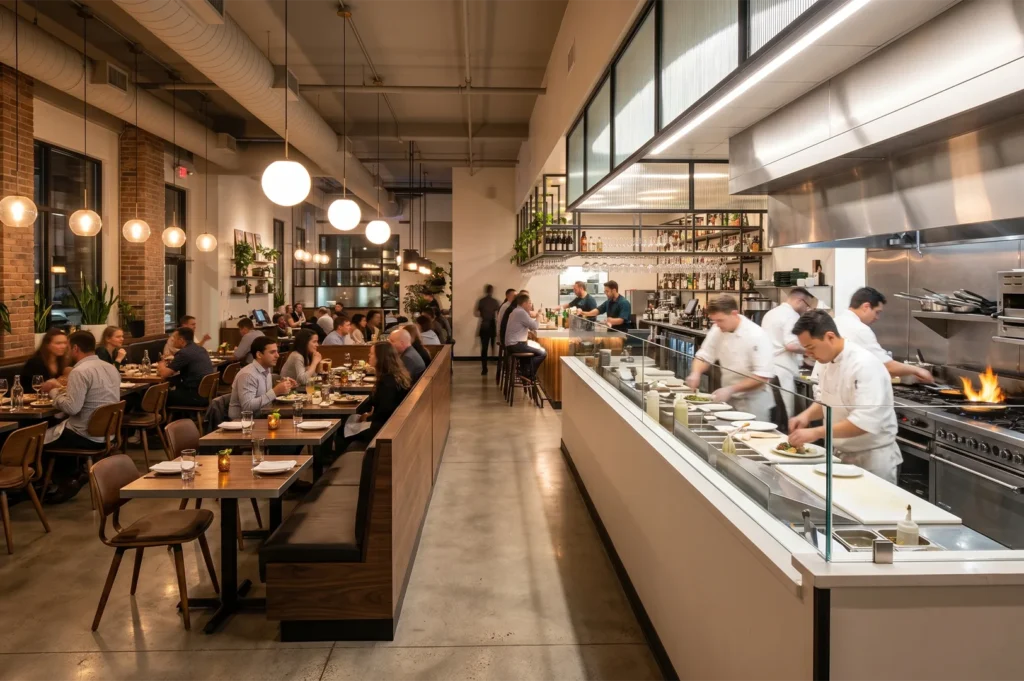
Restaurant renovation transforms dining spaces to improve functionality, aesthetics, and customer experience. Renovation projects typically occur every 3–5 years to keep up with evolving trends and customer demands. These projects range from minor kitchen upgrades to full concept overhauls involving dining areas, bars, and outdoor spaces.
Compared to house renovation and home renovation, restaurant renovation often involves more stringent regulatory requirements and permits, while residential renovation projects may focus more on personal comfort and residential regulations, but all share the goal of enhancing the space for its users.
How Long Does Restaurant Renovation Take? Timeline for Renovation Contractors and Home Renovation in Singapore
Renovation timelines depend on project scope, contractor availability, and permit approvals.
| Restaurant Type | Renovation Scope | Typical Duration |
|---|---|---|
| Small Cafe | Basic interior updates | 2-4 weeks |
| Mid-sized Restaurant | Moderate makeover | 6-10 weeks |
| Fine Dining | Complete transformation | 12-16 weeks |
| Hawker Stall | Modernization project | 3-6 weeks |
| Small cafe renovations focus on interior design and furniture, allowing quick completion without major structural work. Mid-sized projects involve kitchen and dining area changes requiring coordination among specialists and renovation contractors. Fine dining renovations are comprehensive, often needing temporary occupation permits and multiple inspections. |
Before commencing any construction activities, it is essential for me to obtain a permit to carry out building works to ensure regulatory compliance and proper approval. Permit approvals, contractor availability, and equipment installation complexity can extend timelines. Peak renovation seasons and public holidays may also affect project schedules, especially for outdoor dining spaces.
Restaurant Renovation Costs in Singapore: Budgeting for Your Dream Home or Commercial Space

Costs vary widely based on scope, materials, and design complexity.
- Basic cafe renovations: $200–400 per sqm covering paint, flooring, lighting, and furniture.
- Mid-range projects: $500–800 per sqm including upgraded interiors, kitchen equipment, and ventilation.
- High-end fine dining: $1,000–2,000 per sqm with premium materials and custom installations.
Kitchen equipment upgrades can cost $50,000–200,000 depending on size and needs, often the largest single expense.
Cost Breakdown for Renovation Contractors and Interior Designers
- Interior Design and Materials (30–40%): Flooring, walls, furniture, lighting, sound systems, and custom cabinets.
- Kitchen Equipment (35–45%): Cooking, refrigeration, ventilation, storage.
- Permits and Fees (8–12%): Registered architect, qualified person consultations, permit applications, and project management fees.
- Labor and Miscellaneous (15–20%): Construction, electrical, plumbing, and cleanup.
Budgeting should include a 15–20% contingency for unexpected issues. I prioritize kitchen efficiency improvements over purely aesthetic upgrades to maximize operational benefits. Homeowners and business owners like me should refer to experienced renovation contractors to help balance cost and quality effectively.
Permits and Approvals for HDB Renovation and Restaurant Renovation in Singapore
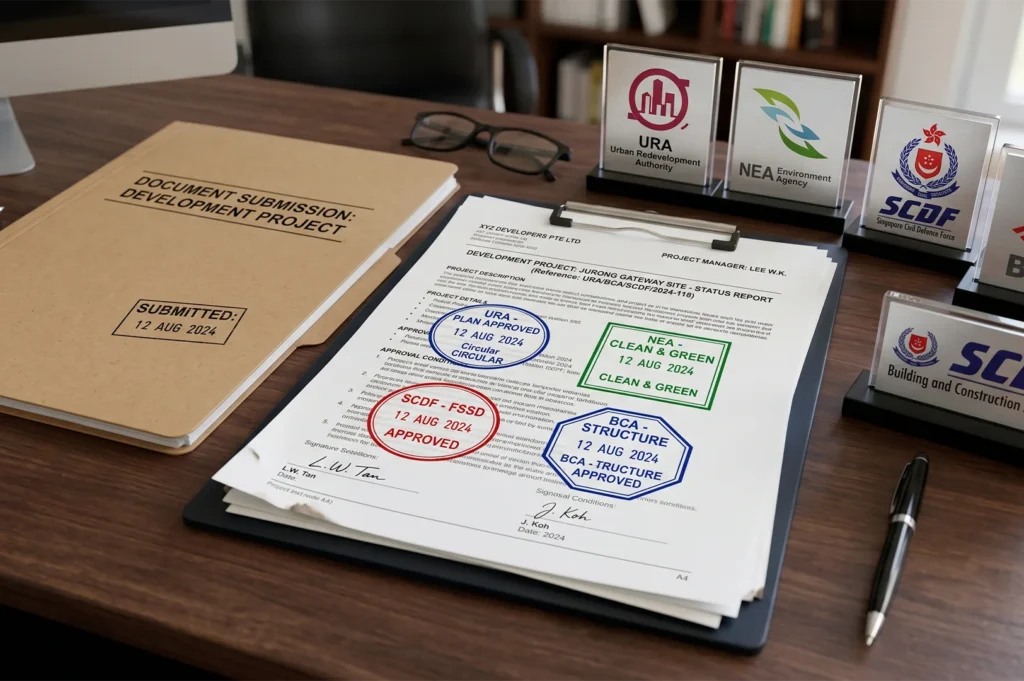
Renovation works in Singapore require multiple approvals from agencies such as URA, NEA, SCDF, and BCA. For HDB renovation, it is crucial for me to obtain the necessary permits before starting any work, as the approval process typically takes 2 to 4 weeks depending on the scope of the renovation.
- URA** approval** is mandatory for layout or facade changes affecting building structure or appearance. Plans must be prepared by a qualified person, typically a registered architect.
- NEA** food shop license renewal** is required if kitchen layout or operations are significantly altered.
- **SCDF **approval covers fire safety systems, ventilation, emergency exits, and gas installations.
- BCA** permits** are needed for structural modifications, requiring engineering assessments before renovation contractors can commence work.
Permit Application Process for Home Renovation and House Renovation
- I engage qualified professionals, including registered architects, interior designers, and a qualified person.
- Develop detailed renovation plans and identify required permits.
- Submit applications with necessary documents, fees, and print copies for record-keeping.
- Respond promptly to agency queries and arrange inspections.
- Await approval and comply with conditions.
- Proceed with renovation works as approved.
Approval timelines vary: simple modifications take 4–6 weeks; complex structural changes may require 8–12 weeks. Note that public holidays and weekends can affect processing times. Proper paperwork and documentation facilitate smoother approval.
Types of Restaurant Renovation Projects and Interior Design Ideas for 4 Room BTO and 5 Room HDB
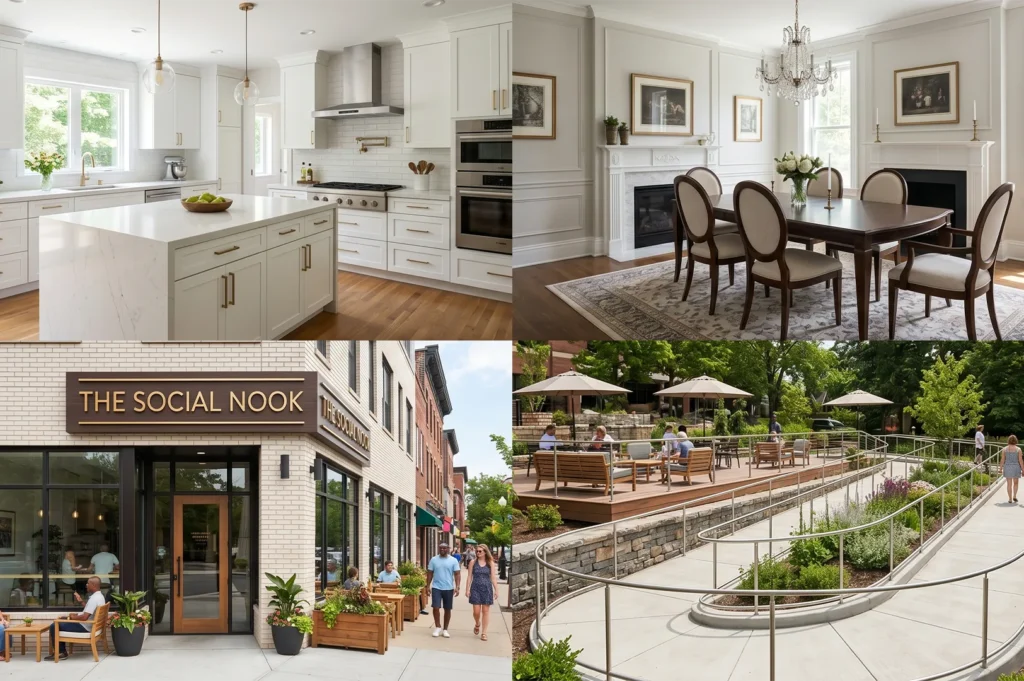
- Kitchen Modernization: Equipment upgrades, workflow optimization, and new cabinets without major dining area changes.
- Dining Area Makeovers: Interior design, furniture, lighting, and acoustic improvements.
- Concept Transformation: Complete rebranding requiring structural changes and total redesign.
- Accessibility Improvements: Barrier-free access including ramps, restrooms, and seating adjustments.
Popular Renovation Themes and Design Ideas in Singapore
- Industrial Chic: Exposed brick, metal fixtures, Edison bulbs, distressed wood.
- Modern Minimalist: Clean lines, neutral colors, natural light, polished concrete.
- Heritage-Inspired: Peranakan tiles, rattan furniture, tropical elements.
- Japanese-Influenced: Natural wood, zen principles, subdued lighting, sustainable materials.
Interior designers provide tailored renovation ideas that balance aesthetics and functionality, ensuring my restaurant stands out in the competitive market.
Contractor Evaluation Checklist for Those Looking to Renovate
- Experience with restaurant-specific requirements and local regulations.
- Project management and quality control processes.
- Technical expertise in kitchen installation, ventilation, and cabinetry.
- Financial stability and transparent pricing.
I avoid contractors demanding large upfront fees or lacking proper licenses. Engaging a reliable team minimizes effort and ensures smooth project execution.
Restaurant Renovation Financing Options and Budgeting for 4 Room and 5 Room HDB Renovation
Renovation projects require significant capital. Financing options include:
- SME Loans: Competitive rates (4–8%) from DBS, OCBC, UOB. Banks play a key role in providing and processing home renovation loans, requiring applicants to submit necessary documentation and encouraging them to explore different banking options.
- Equipment Financing: Spread kitchen appliance costs over 3–7 years.
- Government Grants: Up to 70% support for innovation and sustainability.
- Alternative Lenders: Cash flow-based lending for established businesses.
To be eligible for most renovation loans, I typically need to meet criteria such as minimum income requirements, good credit history, and property ownership. Checking these requirements helps me determine if I am eligible to apply.
Quality Control and Assurance in Renovation Projects by Renovation Contractors and Interior Designers

Ensuring refinement and artisanal excellence throughout my sanctuary’s transformation requires a contemplative approach to achieving truly exceptional outcomes. Engaging seasoned craftspeople whose heritage speaks through carefully curated portfolios and reverent client testimonials can elevate my renovation from mere construction to the creation of something transcendent.
Through patient research, reverent review of artisanal portfolios, and unwavering devotion to excellence at every stage, I can rest in the serene confidence that my contemplative sanctuary will manifest exactly as envisioned. This commitment to refinement not only honors my precious investment but creates a haven of tranquility, comfort, and timeless elegance that will nurture my spirit for generations to come.
Conclusion: Achieving Your Dream Home and Successful Renovation
In contemplation, the artistry of restaurant renovation in Singapore rests upon meticulous curation, masterful craftsmanship, and an unwavering devotion to refinement. Homeowners and business owners like me seeking transformation should invariably understand renovation in Singapore and collaborate with artisans and interior designers who possess the wisdom to guide me through each contemplative stage of this sacred journey.
Through embracing innovative design philosophies, mindful budgeting practices, and stringent quality stewardship, I may cultivate a sanctuary that authentically embodies my vision and honors my deepest aspirations.