

Nostalgia vs. Modern Reality
I often walk into restaurants and feel an immediate sense of nostalgia. The worn-in booths, the familiar hum of the kitchen, the scuff marks on the floor that tell a thousand stories. There is a certain romance to a place that has stood the test of time. But recently, I have started to see these spaces through a different lens, and it has left me with a sense of quiet urgency.
I believe there is a silent killer stalking the restaurant industry, and it is not high rent or food costs, at least not directly. It is the slow, creeping obsolescence of physical space. In today’s market, with its paper-thin margins and relentless pressures, an outdated restaurant layout is no longer a charming quirk. It is a critical business liability.
The Changing Demands of Restaurants
We are asking our restaurants to do more than ever before. We want them to be beautiful stages for our Instagram stories, but also efficient hubs for a constant stream of delivery drivers. We expect seamless service from a shrinking labor pool. We demand perfection, and we expect it to be affordable. A space designed ten or even five years ago was simply not built for this reality.
A Real-World Example of Inefficiency
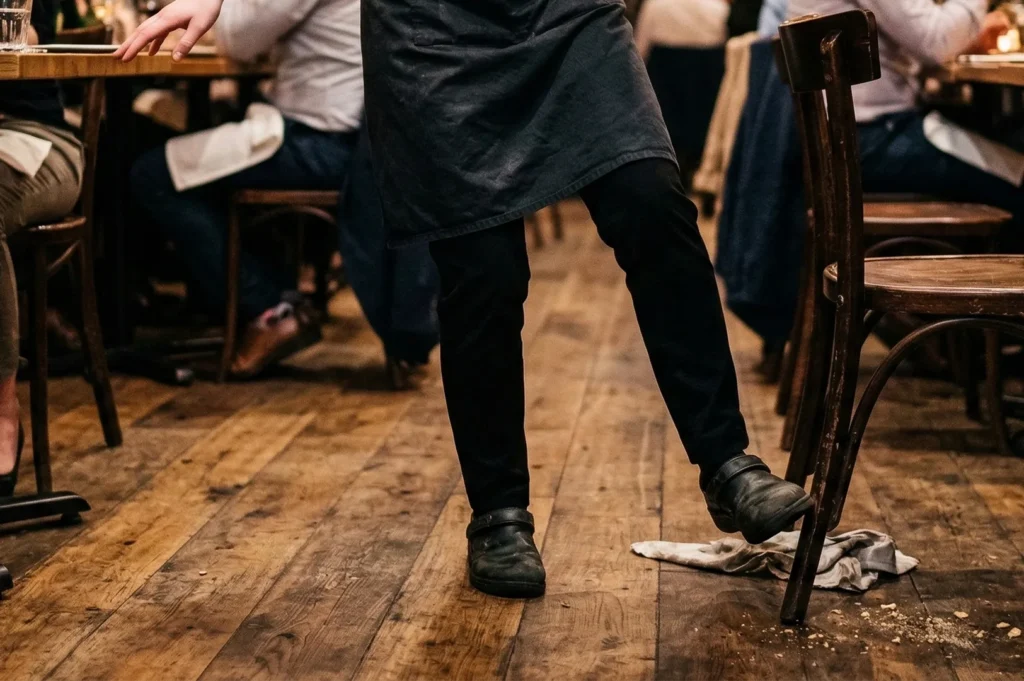
I recently spoke with an owner who was struggling to keep his doors open. His food was fantastic, his staff were loyal, but he was losing money. When we walked through his restaurant, the problem became clear. His kitchen was designed for a dine-in-only world. Now, every time a delivery order came in, a cook had to step away from the main line, breaking the rhythm and causing delays for the guests in the dining room. The layout was forcing his team to choose between serving their in-house guests and their online customers.
His space was also fighting against his staff. The server station was too far from the main seating area, forcing servers to take hundreds of extra steps each shift. It was a small inefficiency, but compounded over a year, it was contributing to burnout and turnover. The restaurant was not just outdated; it was actively working against his people.
Renovation as Survival
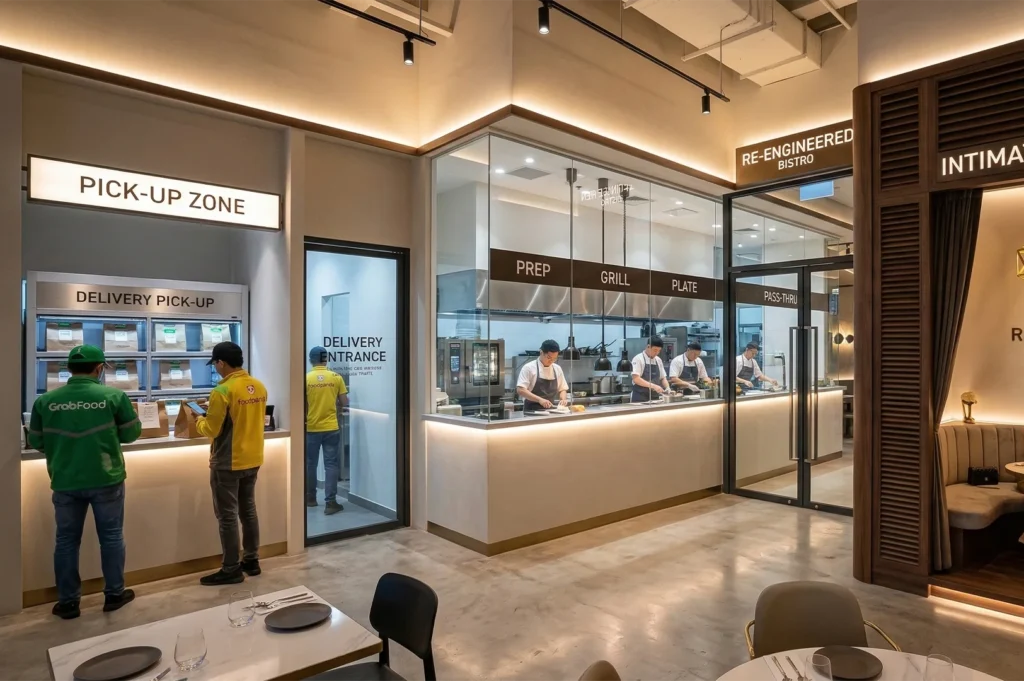
This is what I mean when I say renovation has become a matter of survival. It is no longer about just picking new paint colors or updating the chairs. It is about fundamentally re-engineering a space to meet the demands of a new era. It is about creating dedicated pick-up zones for delivery drivers so they do not crowd the entrance. It is about redesigning kitchens for more logical workflows so a smaller team can achieve more with less stress. It is about carving out intimate corners that give guests an experience they cannot get at home.
Why Space Matters
An outdated space slowly erodes a business from the inside out. It drains efficiency, frustrates staff, and fails to meet the evolving expectations of guests. We cannot keep asking our restaurants to perform modern miracles in antiquated environments. The most successful operators I see are the ones who understand that their physical space is not a backdrop; it is a vital piece of operational machinery. They are treating their renovations not as a decorative luxury, but as an essential investment in their own survival.To see how innovative layouts are creating new revenue streams, explore our deep dive: Private Dining Singapore: The New Intimacy Reshaping Restaurants and Experiences.