The Day the Restaurant Has to Let Go
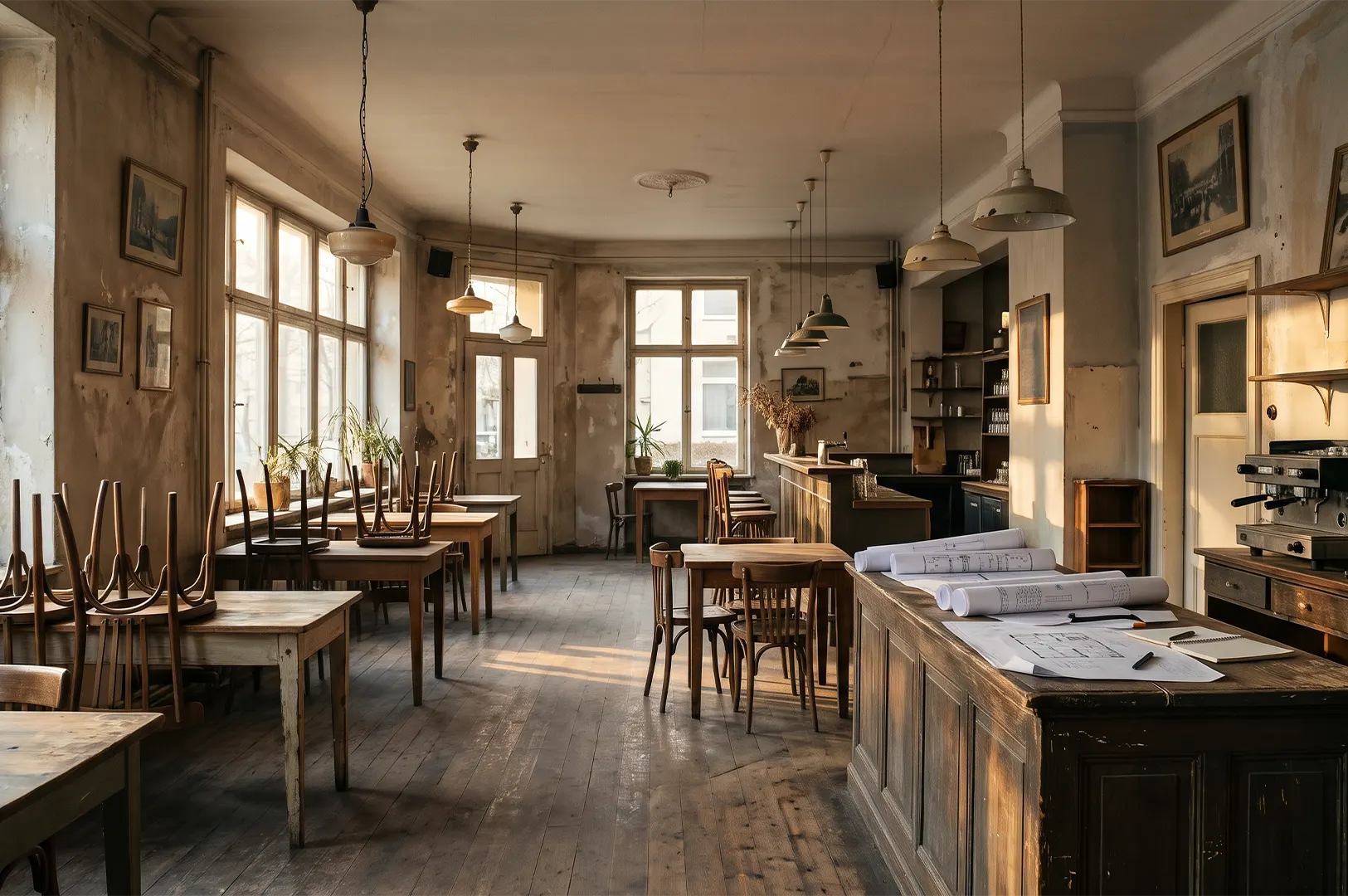
There is a point when a restaurant stops fitting the business it has become.
The menu has changed.
The team has grown.
Customer numbers are different.
Service moves at a different pace.
Yet the layout remains exactly as it was years ago.
At first, everyone adapts.
Staff find shortcuts.
Furniture gets moved occasionally.
Storage spills into unexpected corners.
The team learns to work around the limitations.
But adaptation has a cost.
People spend more time walking.
Service becomes harder during busy periods.
Guests notice small frustrations.
The restaurant is still functioning.
It is simply working harder than it should.
This is often the moment when renovation becomes necessary.
Not because the old restaurant was badly designed.
It may have been perfect for the business at the time.
The problem is that the business changed.
A restaurant's layout should evolve with it.
A small kitchen that once handled the menu comfortably may struggle after the menu expands.
A dining room designed for slower service may become congested as turnover increases.
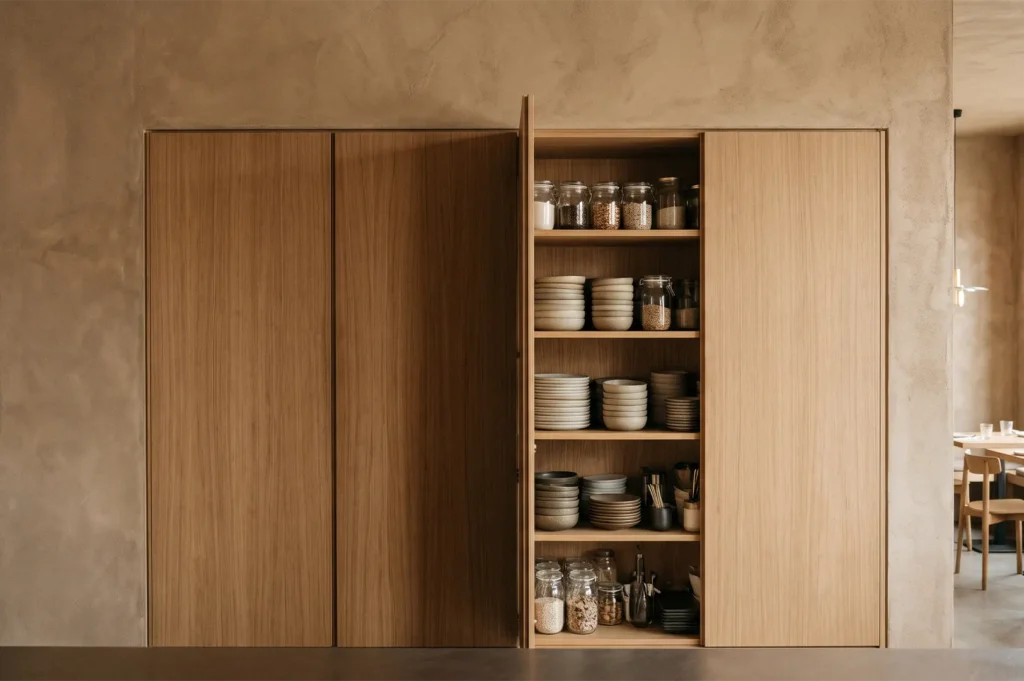
Storage that was sufficient at opening may become inadequate years later.
These are signs of growth.
They are also signs that the space needs to catch up.
Renovation provides an opportunity to look at the restaurant without being overly attached to old habits.
Which areas still work?
Which ones create daily frustration?
Which features are part of the restaurant's identity?
Which ones simply remain because nobody has changed them?
These questions can be difficult.
Familiarity often feels like functionality.
But they are not the same thing.
Sometimes letting go of an old layout allows the restaurant to become what it was always trying to be.
The goal is not to erase the past.
It is to make room for the next stage.
A successful renovation respects what worked before while correcting what no longer does.
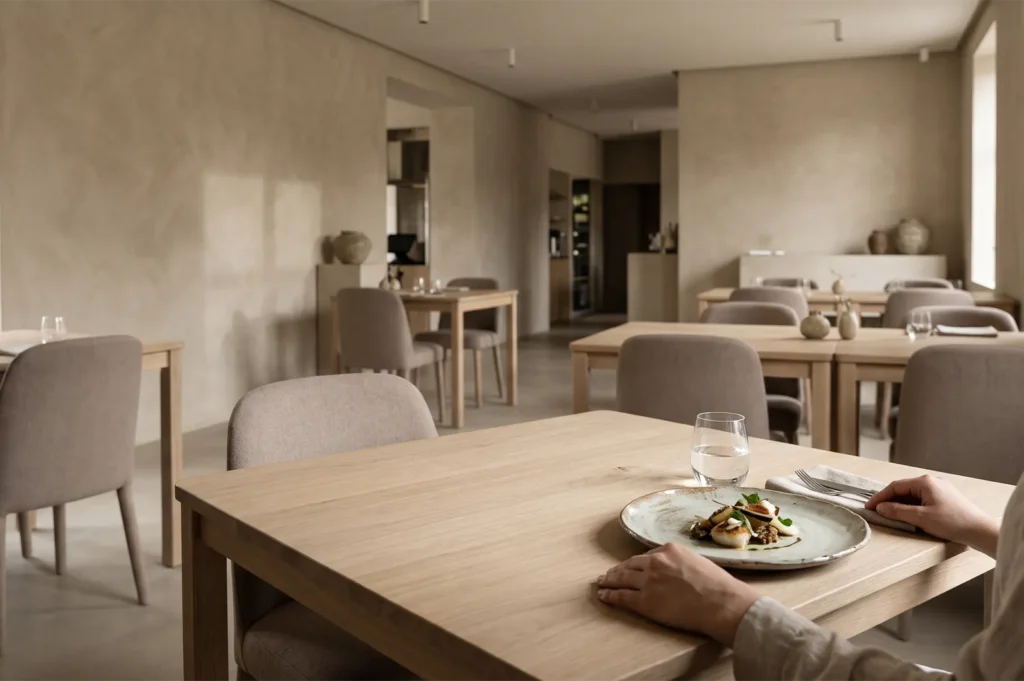
The result should feel recognisable, but easier.
Better movement.
Better storage.
Better service.
Better comfort.
The restaurant has not lost its identity.
It has simply grown into it.
For more perspective on recognising outdated spaces before they become larger problems, explore The Silent Killer of Restaurants: Outdated Spaces and Renovation Survival.