
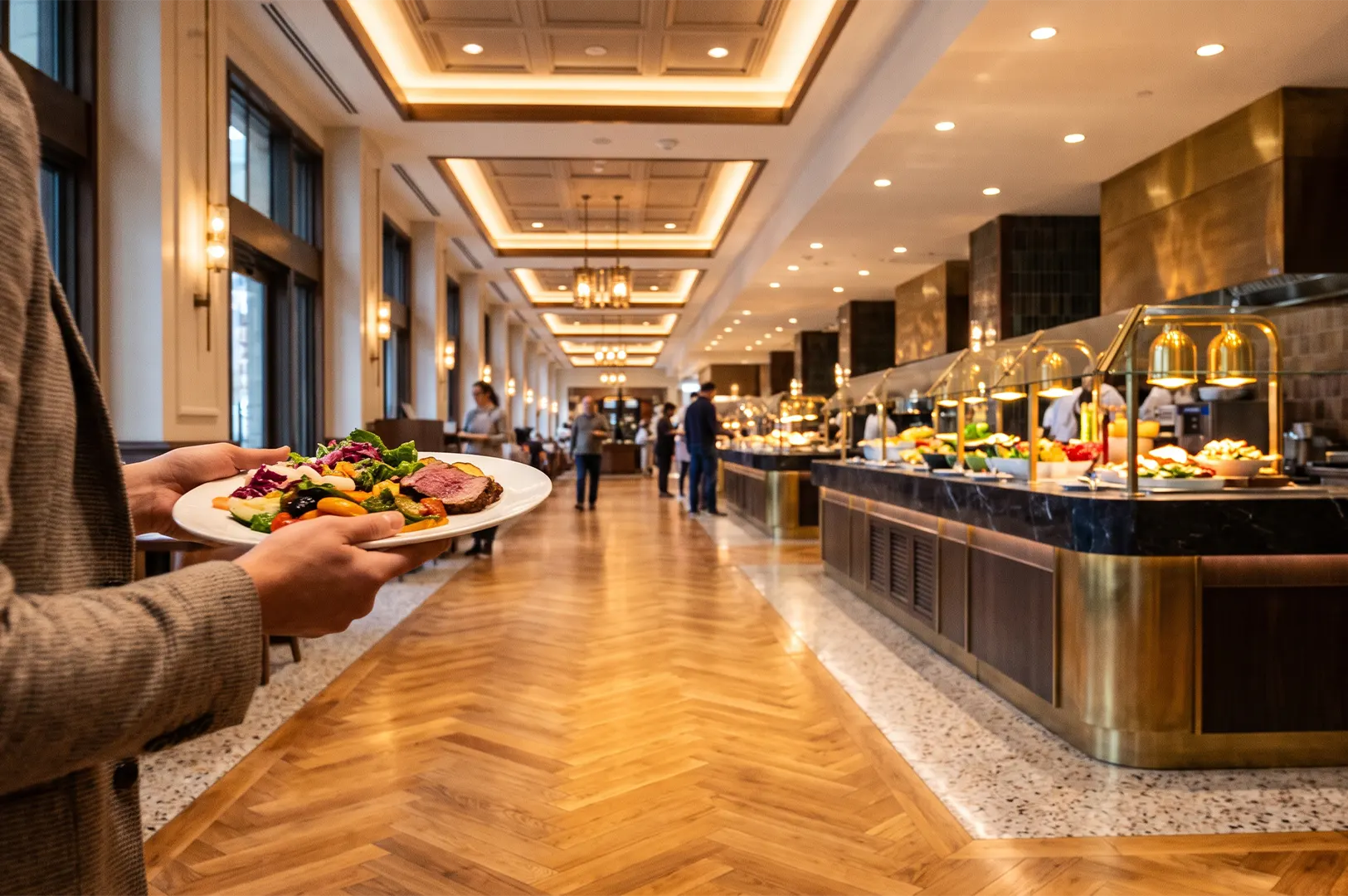

A buffet restaurant has a different relationship with space than most other restaurants.
Guests do not simply sit down and wait for food to arrive. They get up, explore, compare dishes, return to the table and often make the journey several times during one meal. The dining room therefore becomes part of the experience in a way that is easy to underestimate.
That is why renovation matters. In a buffet, changing the space can change how guests discover food, how comfortably they move and even how long they want to stay.
The Buffet Is More Than a Dining Room
In a conventional restaurant, the table is usually the centre of attention. Once guests are seated, most of the experience happens around that table. A buffet has several centres at once: the dining table, food stations, live kitchens, beverage areas and dessert displays. All of them need to work together.
This makes spatial planning particularly important. A poorly positioned station can create a queue that blocks a walkway. Tables placed too close to popular counters can make the room feel crowded. A dessert area hidden at the back may receive less attention than it deserves.
Renovation gives operators the opportunity to reconsider these relationships rather than simply replacing old furniture.
A Better Layout Can Change the Entire Meal
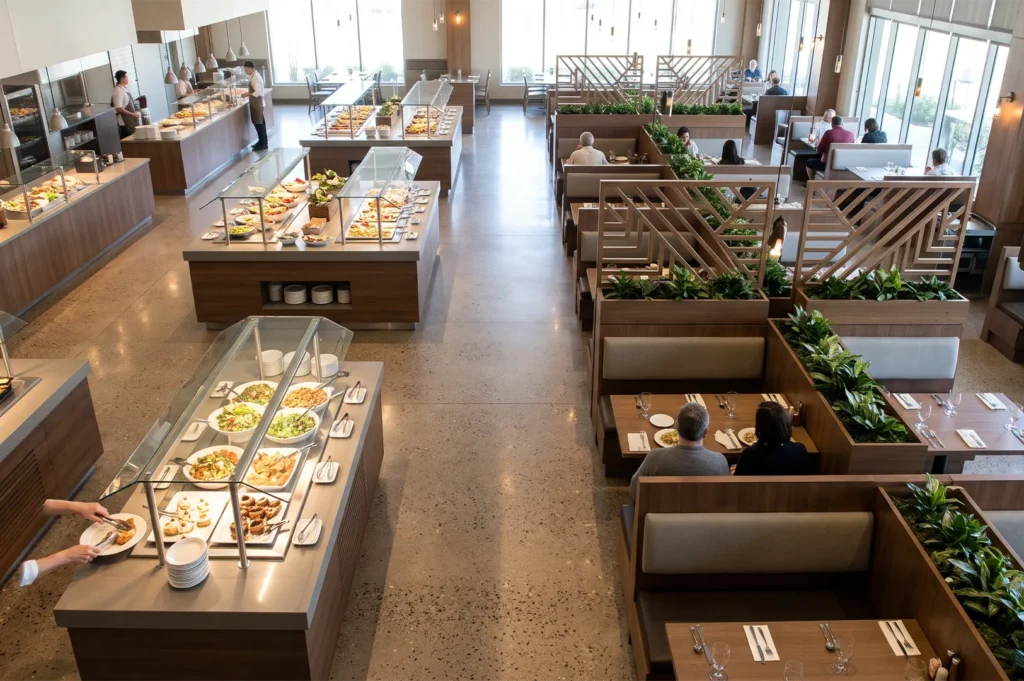
One of the most valuable things a restaurant renovation can achieve is better movement.
Guests should be able to understand the restaurant almost instinctively. They should know where to find the food, where to wait, how to return to their table and how to move around other diners. A successful layout can create a sense of abundance without creating confusion.
It can also make a large restaurant feel smaller in a positive way. Changes in lighting, furniture placement, partitions and seating zones can give different areas their own identity while keeping the overall buffet connected.
The goal is not necessarily to create more space. It is to make the existing space work harder.
The Food Should Guide the Design
A buffet renovation should begin with an understanding of how people interact with the food.
Consider a restaurant with a popular seafood counter. If guests must queue through the main dining route to reach it, congestion is almost inevitable. If the same station is positioned with enough circulation space around it, the experience becomes considerably easier.
The same applies to desserts, drinks and live cooking.
A thoughtful renovation asks:
- Which stations attract the most guests?
- Where do queues naturally form?
- Which dishes need live preparation?
- How far do staff need to travel?
- Can guests move without interrupting seated diners?
These questions are practical, but they ultimately affect how enjoyable the meal feels.
Live Kitchens Turn Cooking Into Part of the Experience
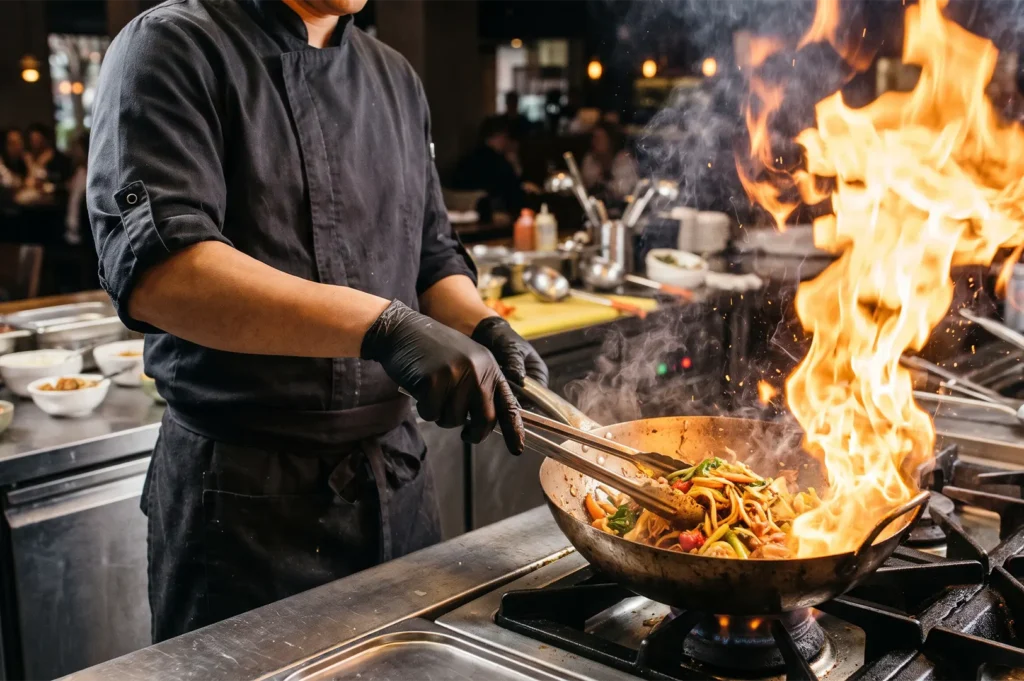
Live cooking is one of the strongest features of contemporary buffets. Watching a chef prepare noodles, grill seafood or finish a dish creates anticipation that a static tray cannot provide. It adds sound, movement and aroma to the room. But visibility also needs planning.
The kitchen must be positioned so guests can watch without obstructing staff. There needs to be enough room for people waiting for their food, and heat and cooking smells need to be managed properly.
When these elements are considered during renovation, the kitchen becomes part of the restaurant's atmosphere rather than simply a functional area.
Comfort Matters More When Guests Stay Longer

Buffet meals often take time. A family may spend an entire afternoon around one table. Friends may return for another plate before settling into conversation. A couple may linger over dessert long after the main meal is finished. That makes comfort especially important.
Renovation can improve details that guests may never consciously identify:
- More comfortable seating
- Better table spacing
- Easier access to service areas
- Improved acoustics
- More appropriate lighting
A chair that remains comfortable for two hours matters more than one that simply looks good in photographs.
The Quiet Influence of Lighting
Lighting can determine whether a buffet feels energetic, elegant or exhausting. During lunch, natural or brighter illumination can make the room feel open and welcoming. At dinner, warmer lighting can create a calmer atmosphere and give the dining room greater depth.
Rather than relying on one lighting system, renovated buffets can use several layers. General illumination provides visibility, while decorative fixtures and table-level lighting create more intimate areas.
This is particularly useful when one restaurant needs to support different occasions throughout the day. The space can feel bright for lunch and more relaxed by evening without changing its physical layout.
Creating Identity Without Creating a Theme Park
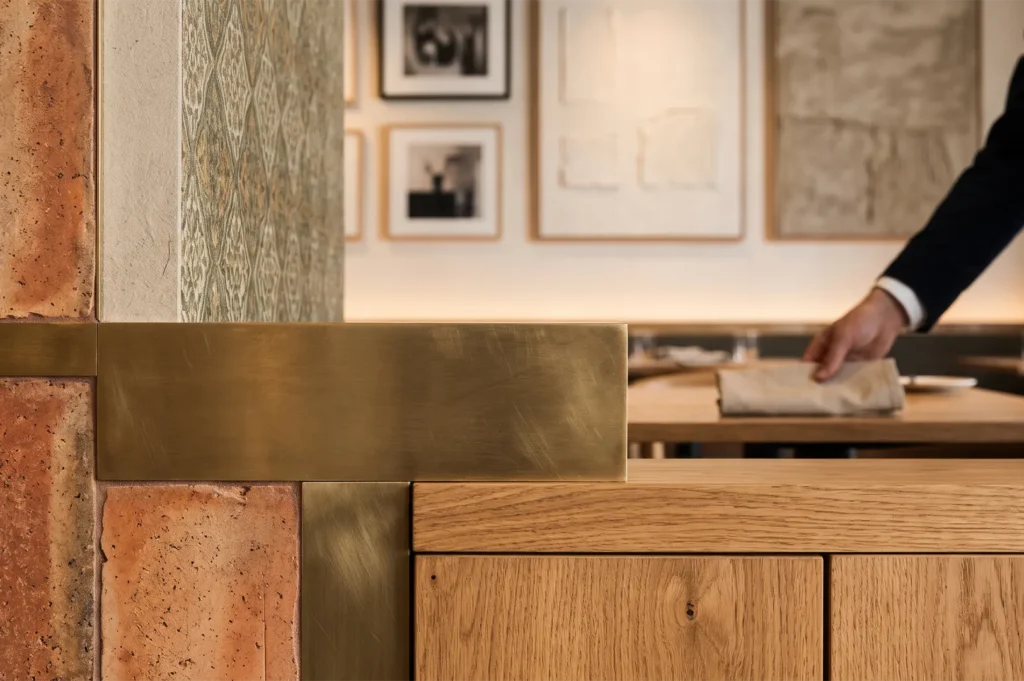
A buffet can serve food from several countries while still having a clear identity. This is where renovation can be particularly effective. Materials, colours, artwork and architectural details can reinforce the story behind the menu.
A restaurant celebrating local heritage might preserve historical references. A Mediterranean-inspired buffet might use natural textures and warm colours. An Italian concept might draw inspiration from markets, piazzas or regional architecture.
The important distinction is between inspiration and imitation. A successful restaurant does not need to look like a film set. It needs enough visual character to make the food and surroundings feel connected.
Heritage Restaurants Need a Different Approach
Renovating an established buffet can be more complicated than renovating a new concept. Returning guests may have emotional connections to the original space. Certain architectural details, artworks or seating areas may be part of the restaurant's identity.
Removing everything can make the venue look newer while making it feel less familiar. A more thoughtful approach is selective: Preserve what carries meaning. Improve what no longer works. Introduce new elements where they genuinely add value.
This allows a restaurant to move forward without pretending its history does not exist.
Renovation Should Consider Everyone at the Table
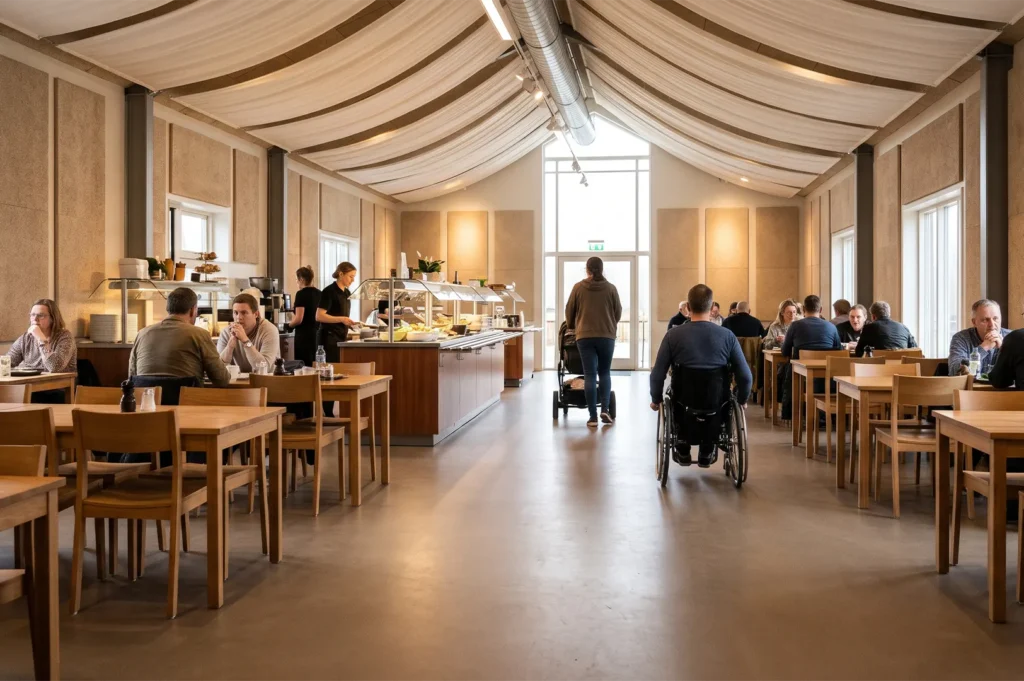
Accessibility and comfort should also be part of the planning process. Buffets require movement, and guests may be carrying plates while navigating between tables and stations. Clear pathways are therefore important for everyone, particularly older diners, wheelchair users and families with young children.
Acoustics matter too. Large dining rooms with hard surfaces can become extremely noisy when full. Soft furnishings, partitions and acoustic materials can help control sound without making the restaurant feel enclosed.
Good design quietly removes obstacles from the dining experience.
The Business Benefits Are Not Only Visual
Renovation also affects the people working behind the scenes. A better layout can shorten staff routes, improve replenishment and make service stations easier to access. Better storage can reduce clutter, while improved kitchen planning can support more consistent preparation.
These changes may never appear in a restaurant's photographs, but they can have a lasting effect on service. A renovation that makes a restaurant easier to operate can ultimately make it easier to enjoy.
What Should a Buffet Renovation Achieve?
A useful renovation does not need to make every guest notice something new.
Instead, guests may simply notice that:
- The restaurant feels easier to navigate.
- Popular stations are less chaotic.
- Their table feels more comfortable.
- The room sounds calmer.
- Food preparation feels more engaging.
- The atmosphere changes naturally from day to night.
These are small observations, but together they can change the character of a meal.
Six Buffet Transformations Worth Looking At
Singapore has several established buffet restaurants where renovation has become part of a larger evolution. Some have used redesign to strengthen heritage. Others have improved circulation, introduced new culinary zones or created more intimate dining areas.
Looking at these transformations side by side reveals an important point: there is no single formula for renovating a buffet. The best approach depends on the restaurant's food, audience, history and operational needs.
For a closer look at six Singapore buffet venues where renovation has transformed the dining environment, explore Top 6 Buffet Singapore Renovations: Elevating Dining Spaces into Culinary Masterpieces.
A Better Buffet Begins With a Better Space
The purpose of renovation is not to make a buffet look new for the sake of novelty. It is to make the relationship between food, people and space work better.
When guests can move comfortably, discover dishes naturally, watch food being prepared and settle into a welcoming table, the buffet becomes more than an extensive selection of food.
It becomes an experience with rhythm. And that is ultimately why renovation matters. The most successful changes are not necessarily the ones guests photograph. They are the ones they feel throughout the meal—and remember when they decide where to dine next.