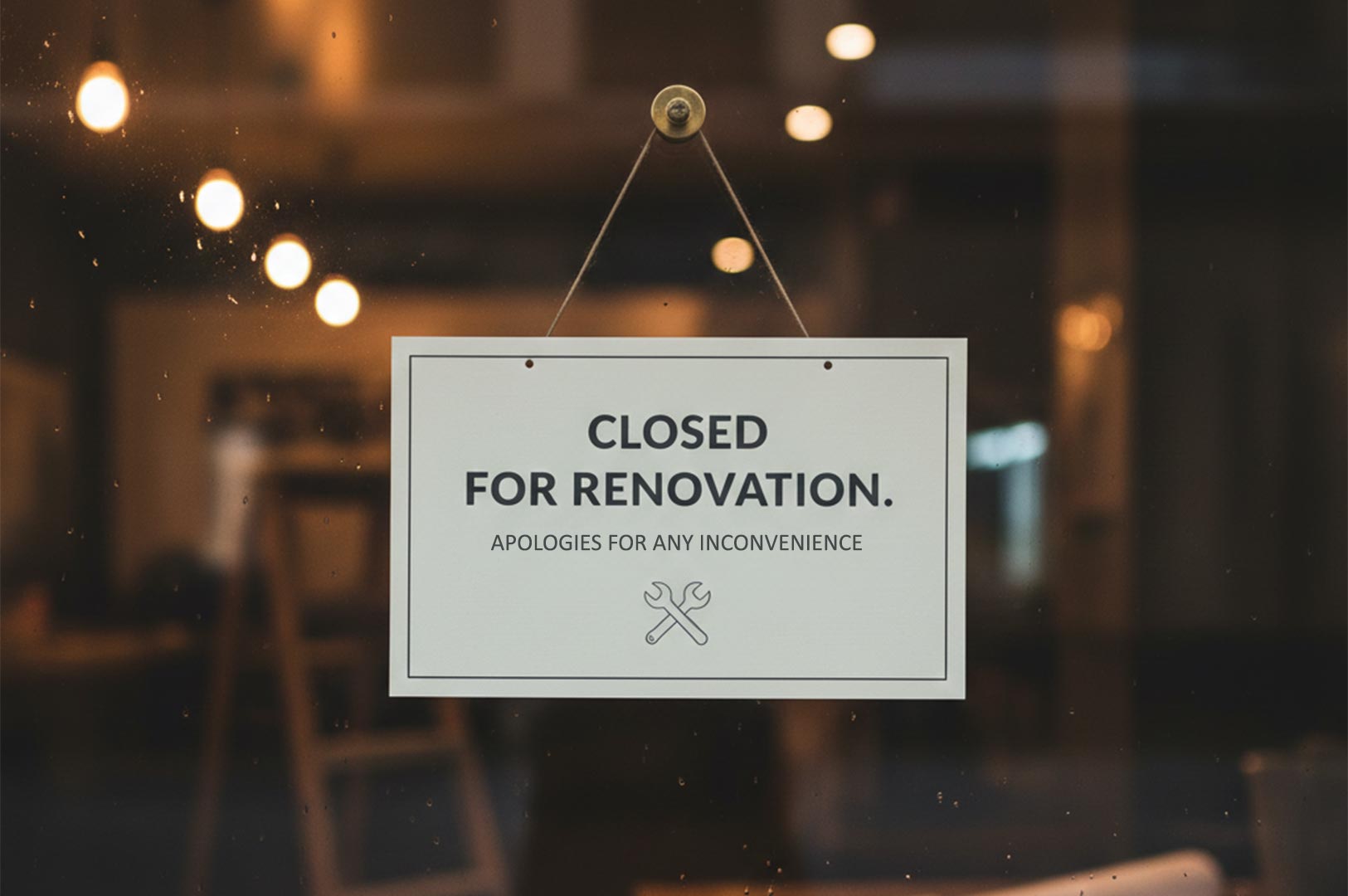

There is usually a brief moment of disappointment when you walk up to a favorite restaurant and see a sign that says, “Closed for Renovation.” It means changing plans. It means coming back another day.
But from an operational perspective, that sign represents something much more important.
It signals that the business is investing in improvement.
Most people see a temporary closure.
I see a strategic decision.
Choosing to pause operations is not easy. It means giving up short-term revenue to fix deeper issues, improve efficiency, and prepare the business for long-term growth. Owners do not close unless they believe the changes will strengthen the foundation of the restaurant.
That decision alone speaks volumes.
Renovation Is About Operational Improvement, Not Just Appearance
Many people assume renovation is mainly about new furniture, fresh paint, or updated decor. In reality, most renovations focus on functionality.
It may involve correcting workflow bottlenecks that have slowed service for years.
It could mean relocating a poorly positioned service station.
It might include upgrading plumbing systems that can no longer handle demand.
Or installing proper ventilation and acoustic solutions to improve working conditions.
These upgrades are not visually dramatic, but they are critical.
Customers may never notice a new grease trap or an improved electrical panel. However, they will feel the difference in smoother service, faster turnaround times, and a more comfortable dining environment.
Renovation creates the opportunity to fix structural and operational flaws that were built into the original layout. It allows owners to evaluate what is working and what is not, and to make corrections that are otherwise impossible during daily operations.
Addressing Long-Standing Design and Workflow Issues
Every restaurant develops friction points over time.
High-traffic areas become congested.
Storage proves insufficient.
Kitchen layouts force unnecessary movement.
Bar setups slow down peak-hour service.
These issues are often tolerated because daily operations leave little room for major changes.
Renovation creates the space to address them properly.
It allows owners and designers to rethink traffic flow, optimize kitchen layouts, improve storage solutions, and redesign service paths. The goal is not simply to refresh the space. The goal is to build a layout that supports the realities of the business.
When the physical space works better, the entire operation becomes more efficient.
Improving Staff Efficiency and Workplace Conditions
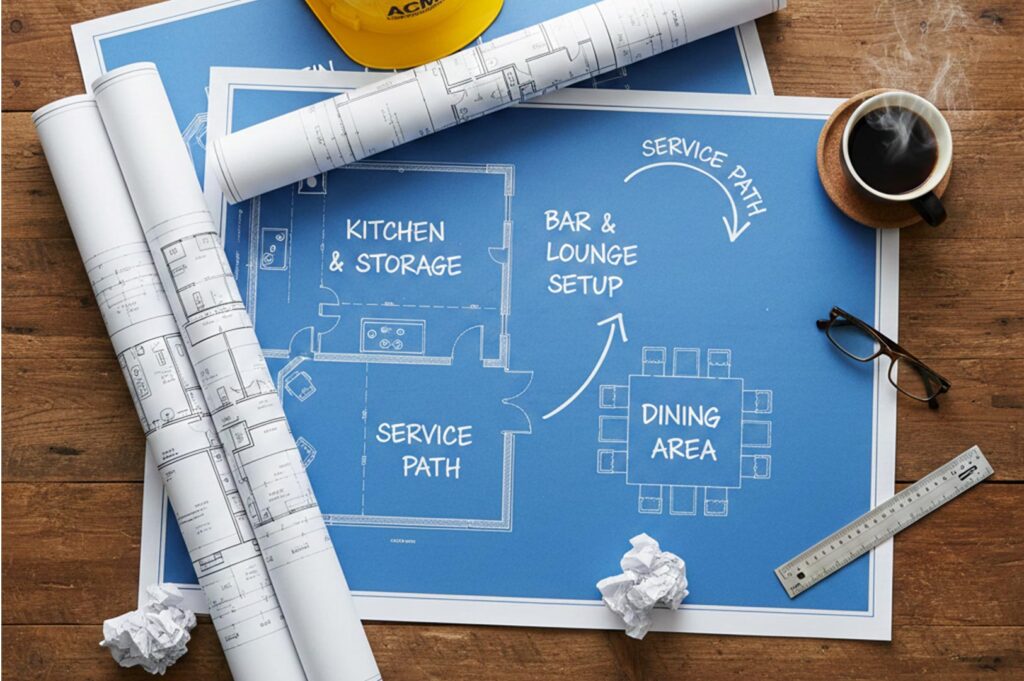
Renovation is also a direct investment in the people who work inside the restaurant every day.
Better lighting reduces fatigue.
Improved ventilation enhances comfort and safety.
Ergonomic layouts minimize unnecessary steps and physical strain.
Smarter storage reduces daily frustration.
These improvements may seem small individually, but collectively they have a meaningful impact on staff morale and performance.
A well-designed space supports the team instead of working against them. It helps reduce stress during peak hours and improves overall job satisfaction.
When staff feel supported by their environment, service quality naturally improves.
Short-Term Closure for Long-Term Stability
Closing for renovation is rarely convenient. It requires planning, budgeting, and confidence in the future.
However, avoiding necessary upgrades often costs more in the long run. Inefficient layouts, outdated systems, and unresolved structural issues can quietly erode profitability and staff retention over time.
Renovation allows a business to reset.
It strengthens infrastructure.
It improves workflows.
It modernizes systems.
It prepares the restaurant for the next stage of growth.
So the next time you see a “Closed for Renovation” sign, consider what it represents.
It is not simply a pause in service.
It is a deliberate decision to improve, adapt, and build something stronger.
And in the restaurant industry, that kind of commitment is always a positive sign.For more practical tips and design ideas, check out this guide on Japanese Minimalist Restaurant Design Inspiration to see how thoughtful design can transform a space.