
Once, I helped a small coffee shop owner add shelves, stools, menu boards, plants, and signs about beans, pastries, loyalty programs, Wi-Fi, and milk options. It looked busy, which I thought meant lively. It did not. It felt anxious.
Customers entered, paused, scanned too many things, then drifted to the counter confused. The barista’s workflow was unclear. The queue blocked seating. Tables were too close. Good coffee, but the renovation made the space feel smaller and messier.
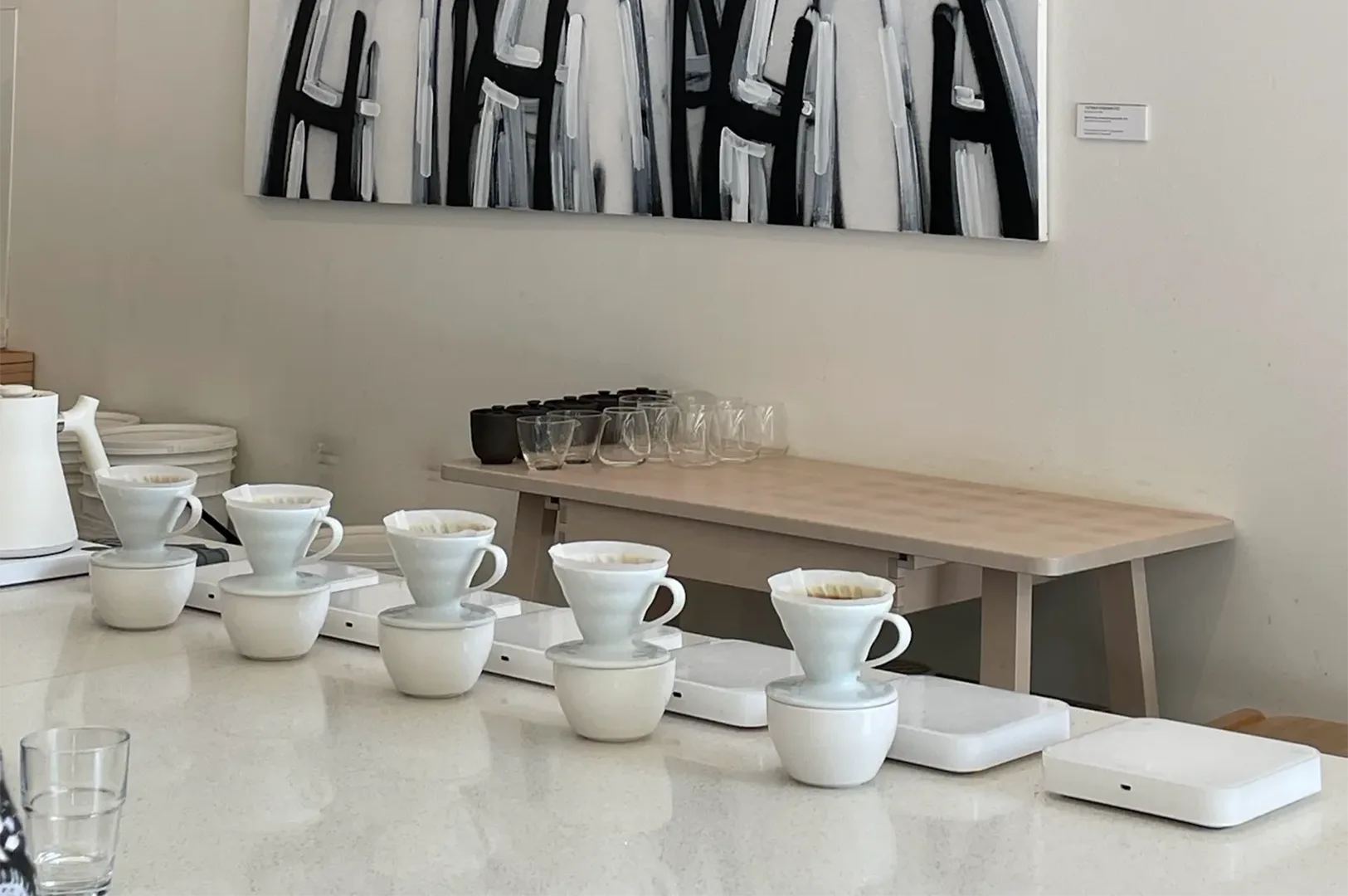
That’s why Apartment Coffee Singapore, a standout coffee shop and one of the best coffee shops in Asia and the world, is a useful case study. It shows minimalism isn’t emptiness but focus.
Apartment Coffee: Minimalism as a Renovation Strategy for the Best Coffee Shop Experience
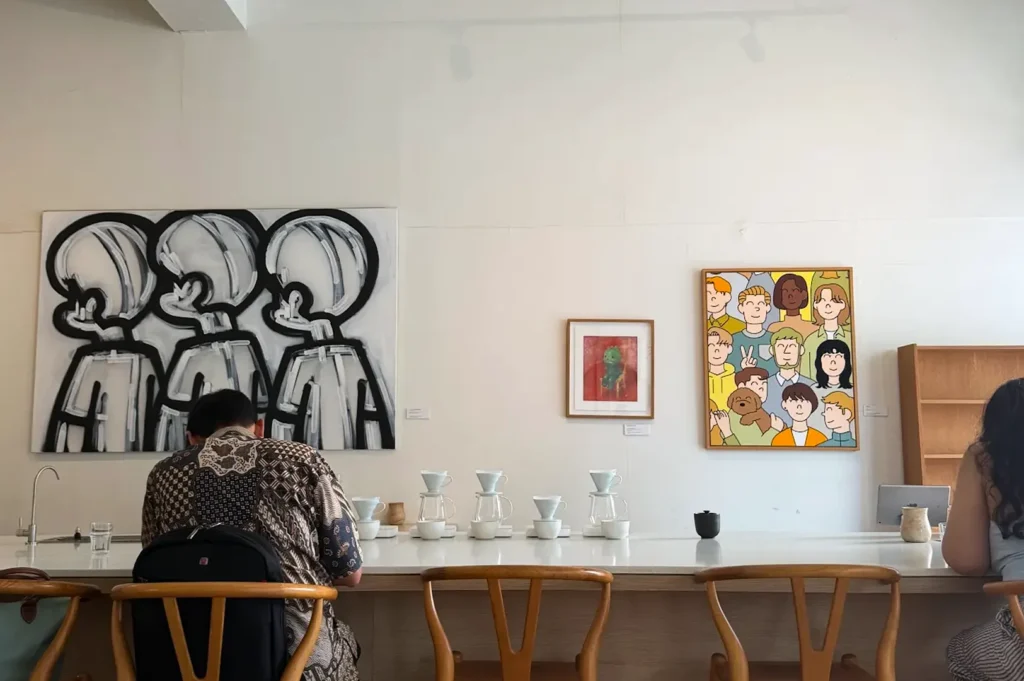
When people look at Apartment Coffee photos, the first thing they usually notice is the brightness. White walls. Clean lines. A soft, airy feeling. A modern but home-like atmosphere. It has that quiet “coffee studio” energy rather than a loud brunch cafe mood.
But from a renovation point of view, the important lesson is not just that the space is white. Many cafes paint walls white and still feel cheap, cold, or unfinished.
Apartment Coffee works because the restraint is intentional.
In my experience, most cafe owners treat minimalism as a style. I prefer to treat it as a system. A minimalist cafe must have fewer distractions, better storage, cleaner workflow, and stronger discipline. Otherwise, it becomes a plain room with nowhere to hide its operational mess.
Why Apartment Coffee on Selegie Road Feels Bigger Than It Is
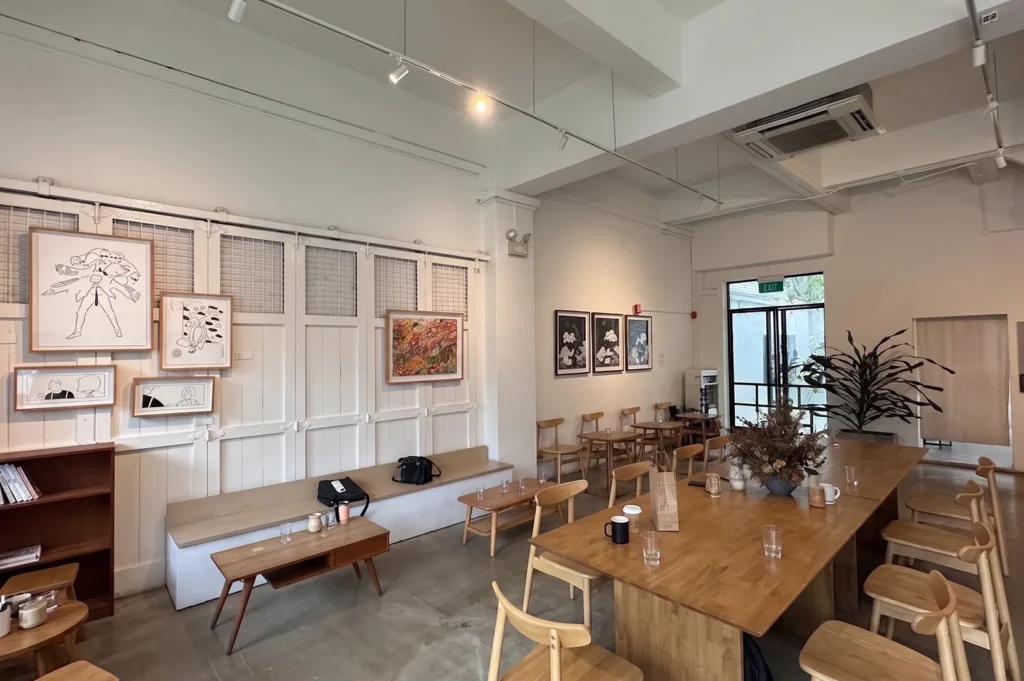
Apartment Coffee is located at 139 Selegie Road #01-01, Singapore 188309, near Rochor MRT. It is not a huge space, and that is exactly why the renovation choices matter so much.
A small coffee shop can feel cramped or calm depending on how you control three things:
- Sightlines
- Furniture density
- Customer movement
Apartment Coffee uses a light palette and simple furniture to keep the room visually open. Sofa seats, bar seats, small tables, and a communal table create different ways to use the space without overloading it.
This matters because customers do not only judge size by square footage. They judge size by how easy the room feels.
Can they see where to order?
Can they understand where to wait?
Can they sit without feeling watched by the queue?
Can the barista move without looking stressed?
A cafe feels premium when these answers are obvious.
My Tip:
Before adding more seats, stand at your entrance and look across the room. If your eye hits five obstacles before it reaches the counter, your cafe will feel smaller than it is.
The Best Coffee Shop Lesson: Let the Apartment Coffee Menu Shape the Room
I always tell owners to plan the menu before the renovation. Not after. Not “roughly.” Not “we’ll decide later.”
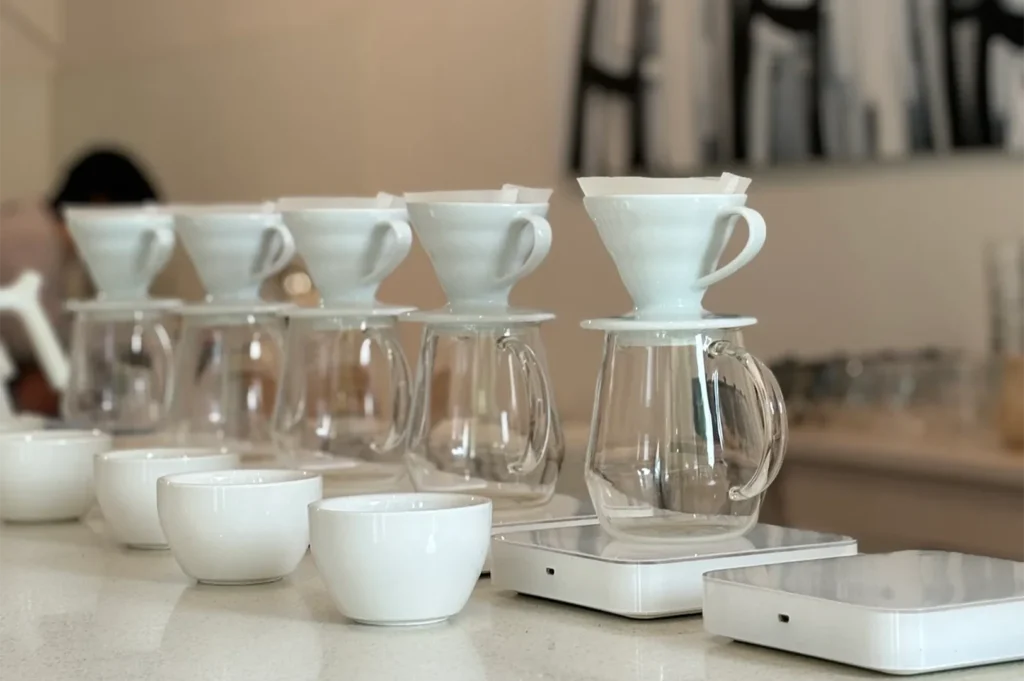
The Apartment Coffee menu is drink-led. Customers come mainly for hand-brewed coffee, pour-over selections, white coffee, iced latte, and some non-coffee drinks like chocolate. You may see single origin beans from places like Rwanda, Colombia, Kenya, or Taiwan, depending on the season and sourcing.
That kind of menu needs a very different layout from a brunch-heavy coffee shop.
A filter-focused coffee shop needs:
- A visible brewing counter
- Space for slow preparation
- Clean water access
- Good storage for beans and equipment
- A calm waiting area
- Baristas who can talk to customers without blocking service
It does not need a huge hot kitchen, heavy exhaust, or a long food preparation line.
This is why Apartment Coffee feels aligned. The renovation supports the menu. It does not pretend to be a full restaurant.
If you want to study what makes a cafe in Singapore worth returning to, this broader design guide is helpful because it shows how different cafes solve layout, atmosphere, and customer flow in very different ways.
Selegie Road and Customer Pacing at Apartment Coffee, a Best Coffee Shop
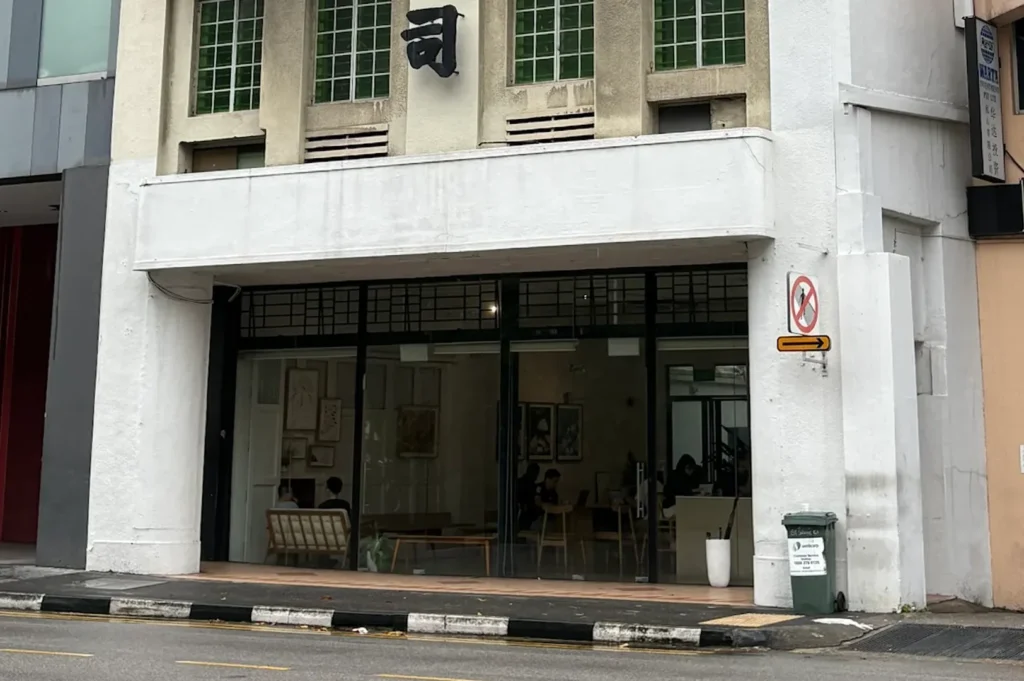
The Selegie Road location matters because Apartment Coffee sits in an urban, walkable part of Singapore. People may come before errands, after class, during a quiet afternoon, or as part of a cafe-hopping route.
That means pacing is everything.
Apartment Coffee is not designed like a rushed takeaway kiosk, but it is also not ideal for large groups settling in for a three-hour meal. It sits in that delicate middle zone: slow enough for coffee appreciation, compact enough that turnover still matters.
When I visited similar minimalist cafes, I noticed something interesting. Customers often behave more quietly when the room itself is calm. They lower their voices. They watch the brewing. They take their time with the cup. The renovation sets the tempo.
That is a powerful tool for cafe owners.
If your space is loud, cluttered, and packed with signs, customers will move and speak differently. If your space is visually calm, they often slow down.
Single Origin Beans Need a Counter That Teaches at Apartment Coffee
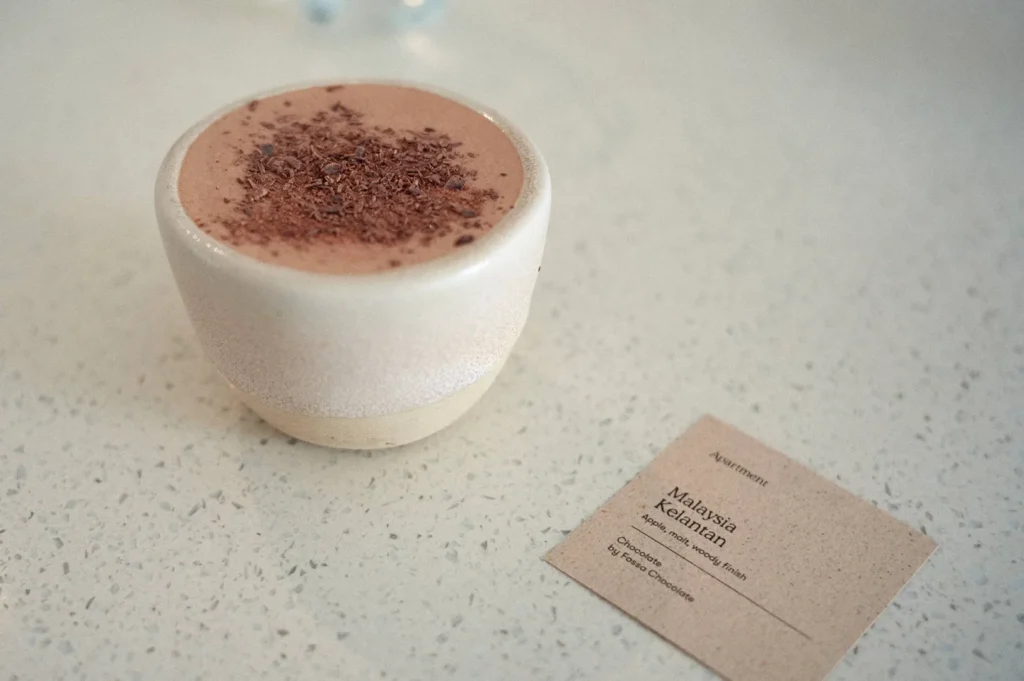
Specialty coffee is not always self-explanatory. If you are serving single origin beans with notes like apple, tea, florals, stone fruit, or cacao, some customers will need guidance.
This is where the counter becomes more than a transaction point.
At Apartment Coffee, the bar counter helps turn service into education. Customers can ask about beans, brewing, and flavor profiles. The barista becomes part of the experience.
That is very different from hiding coffee production behind a machine wall or a cluttered back counter.
If you want to build a coffee studio feel, your counter should allow:
- Eye contact between staff and customers
- Enough room for brewing tools
- Clear display of beans
- Simple menu visibility
- Smooth handoff of drinks
- No messy storage in customer view
I think many owners underestimate how much trust is built at the counter. When customers see care, precision, and calm movement, the coffee tastes more intentional before they even drink it.
For another example of minimalist coffee renovation and workflow discipline, you can read more here.
Practical Renovation Steps Cafe Owners Can Steal from Apartment Coffee, a Best Coffee Shop in Asia
If planning a minimalist coffee shop, start with operations, not Pinterest.
1. Define Your Menu First
Are you coffee-led, brunch-led, pastry-led, or takeaway-led? A pour-over and white coffee focus needs a bar priority. Adding food later complicates design.
2. Map the Customer Journey
Walk through as a first-time guest. Note pauses, menu reading, queue, drink pickup, seating options, and standing spots. Use masking tape and a floor plan to avoid costly mistakes.
3. Protect Natural Light
Apartment Coffee’s bright, airy feel comes from unblocked windows. Preserve natural light to make small spaces feel larger and improve photos.
4. Build Hidden Storage
Good storage prevents clutter. Store cups, lids, cleaning supplies, beans, and staff items out of sight to maintain calm.
5. Choose Furniture for Behavior
Decide if customers stay 20 minutes or longer. Apartment Coffee’s mix of bar seats, small tables, sofas, and communal seating offers flexibility without overcrowding.
What to Expect When Visiting Apartment Coffee Singapore, a New Addition to the Best Coffee Scene
If visiting or studying Apartment Coffee, set the right expectations.
Best for:
- Specialty coffee lovers
- Solo visitors
- Quiet catch-ups
- Design-conscious customers
- Owners studying minimalist renovation
- Those who enjoy slow coffee service
Less ideal for:
- Large groups
- Full brunch seekers
- Long laptop sessions during peak hours
- Customers wanting big food portions
Typical spend is $5 to $15 per person, depending on your order.
Best times to visit are weekday mornings near opening or quiet early afternoons. Avoid weekends to skip queues and better observe the layout.
The Calmest Room Often Works the Hardest at Apartment Coffee, a Coffee Shop to Find in Singapore
Apartment Coffee Singapore proves that renovation is not just about making a cafe beautiful. It is about making the business feel clear.
The white walls, natural light, simple counter, restrained furniture, and quiet pacing all support one idea: let the coffee lead.
In my experience, that kind of discipline is harder than it looks. It takes courage not to add more. It takes planning to make a small room feel calm. And it takes operational honesty to design only for what your coffee shop does best.
If you are a cafe owner, I would start there.
Not with the wall color.
Not with the Instagram corner.
Start with the cup, the counter, the queue, and the customer’s pace.
Because when those pieces work together, even a simple apartment cafe can become the best coffee experience someone remembers all week.