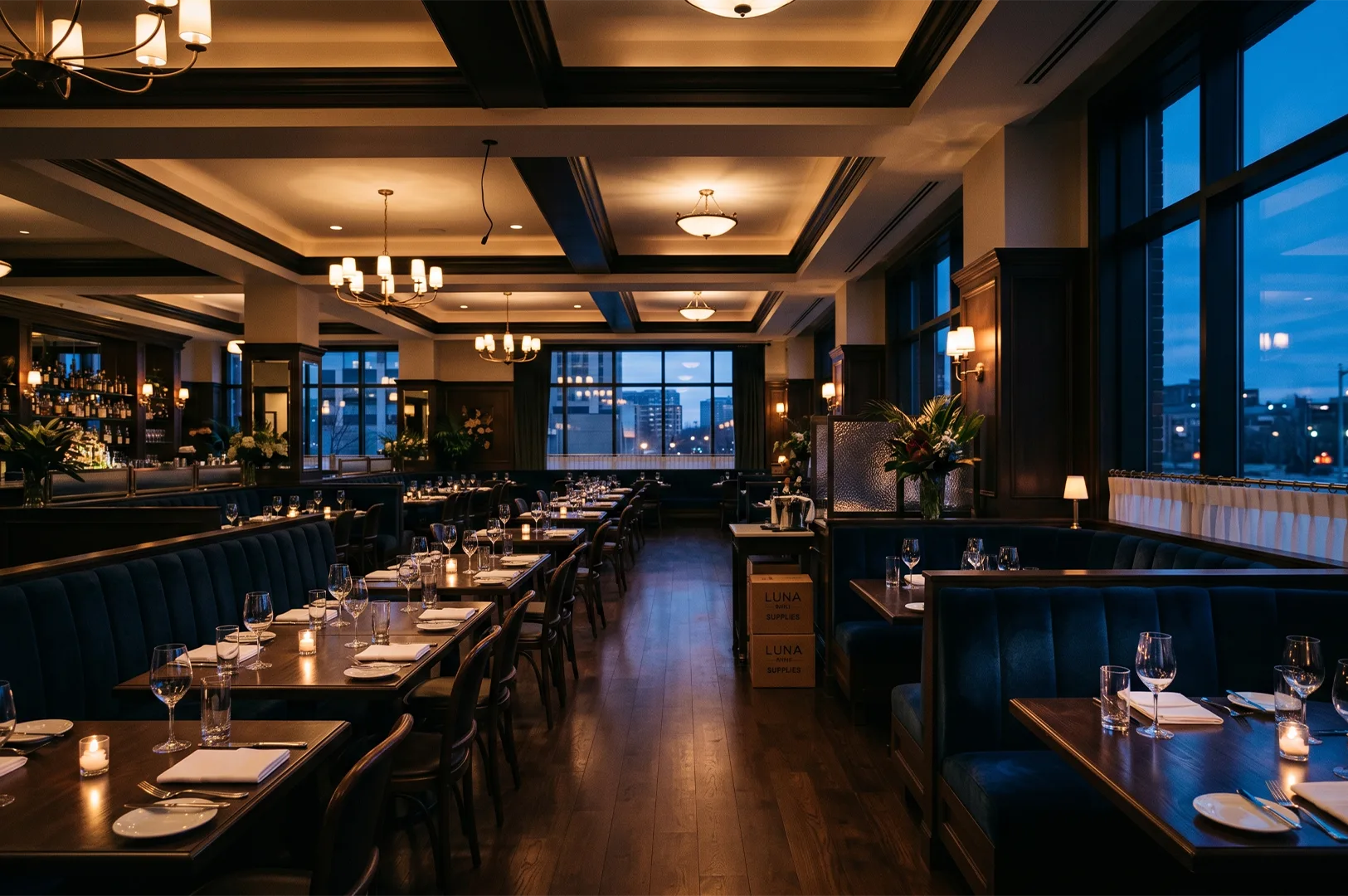

The Dangerous Beauty of a Restaurant That Looks Finished Too Soon
There is a tricky stage in every restaurant renovation when the space begins to look done.
The walls are painted. The lights are installed. The furniture arrives. The owner walks in and feels a rush of relief because, at last, the restaurant resembles the picture they had been carrying in their mind.
This is a beautiful moment.
It is also a dangerous one.
Because a restaurant can look finished long before it is ready to work.
The dining room may be photogenic, but the kitchen still needs testing. The bar may glow beautifully at night, but the storage behind it may not function during service. The entrance may feel elegant when empty, but awkward when five guests arrive at once.
This is where many renovation timelines become emotionally difficult.
The visible work creates excitement. The invisible work demands patience.
Owners naturally want to reopen once the restaurant looks complete. Every extra day feels expensive. Staff are waiting. Customers are asking. Social media needs updates. The pressure to announce the reopening grows louder.
But restaurants are not showrooms.
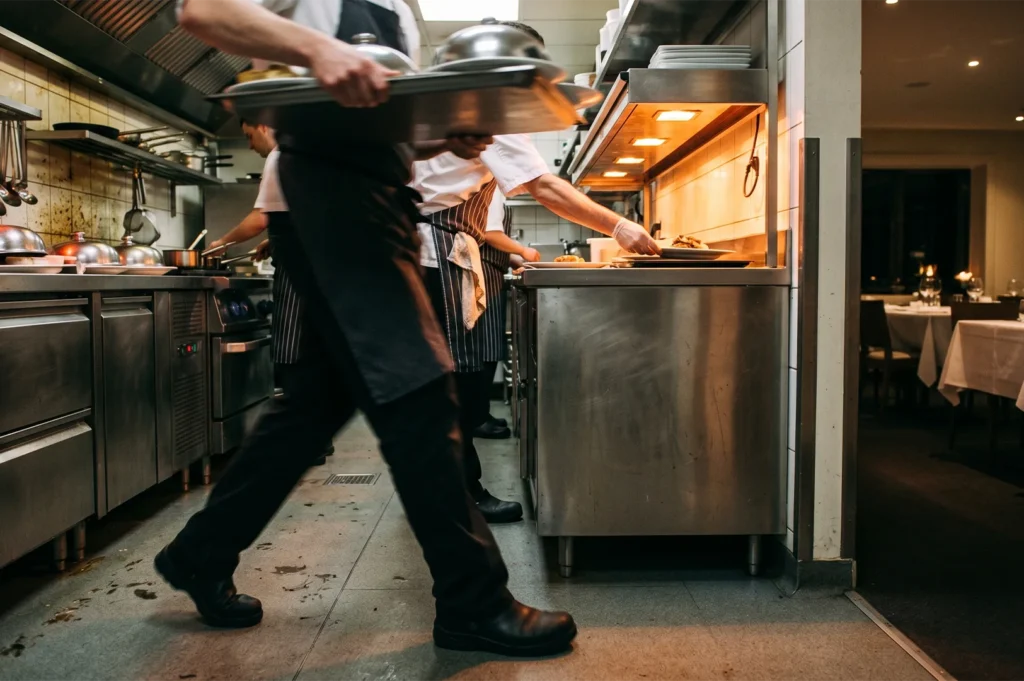
They are working machines with emotion, heat, timing, sound, service, and human movement built into every hour.
A finished-looking space still needs to be tested.
Can servers move through the dining room while carrying full trays? Can the kitchen handle peak order volume without creating bottlenecks? Is the lighting right at dinner, not just during afternoon inspections? Does the music sit comfortably under conversation? Does the air feel fresh after two hours of cooking?
These questions do not reveal themselves in drawings.
They reveal themselves in rehearsals.
A thoughtful renovation timeline leaves room for this. It respects the final stretch, even when that stretch feels frustratingly slow. The last stage of a renovation is not only about correcting defects. It is about listening to the space before guests fully return.
Sometimes that listening changes things.
A table is removed. A pendant light is raised. A shelf is added near the service counter. A staff path is adjusted. A noisy corner gets softened. The host area receives one more practical surface because the team realizes they need somewhere to place menus, receipts, and small chaos.
These are not glamorous decisions.
They are the decisions that protect the guest experience.
The danger of reopening too soon is not always disaster. More often, it is a slow accumulation of avoidable friction. Staff feel unprepared. Guests sense uncertainty. Small problems become part of daily service before anyone has time to correct them.
The first few days after renovation matter.
They shape how returning guests talk about the new space. They influence staff confidence. They decide whether the restaurant feels refreshed or merely redecorated.
That is why the most mature owners learn to separate visual completion from operational readiness.
One belongs to the eye.
The other belongs to the body of the restaurant.
A restaurant is ready not when it looks good in photos, but when it can carry the weight of service without losing its composure.
That takes time.
It takes testing.
It takes the humility to admit that the most important renovation work often happens after the room already looks beautiful.
For a practical planning companion, read Restaurant Renovation Timeline Guide: How Long Each Stage Really Takes.