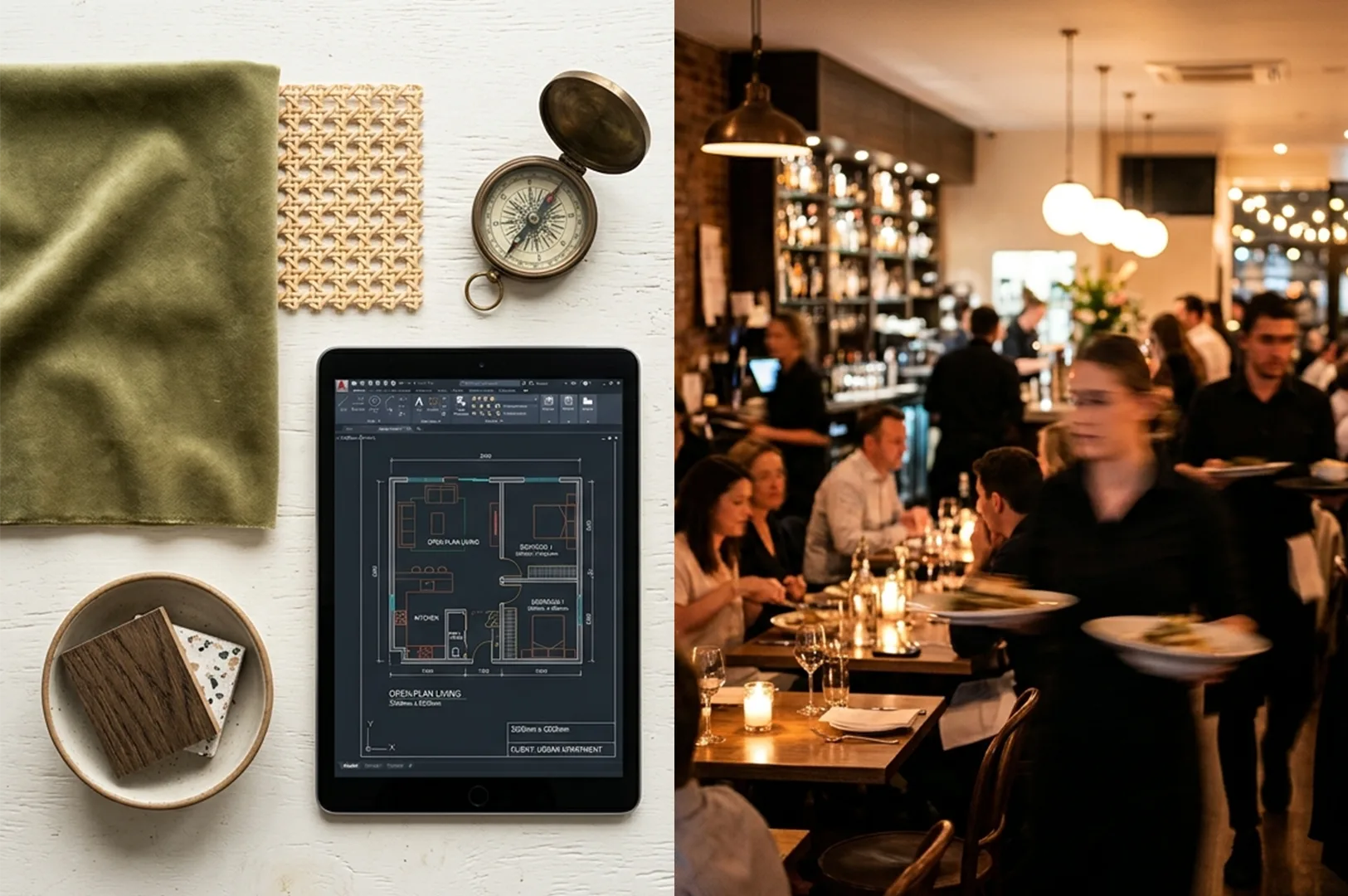

I made this mistake once: I assumed a beautifully styled moodboard would translate into a functional, profitable restaurant. Early in my career, I worked with a café owner in Tiong Bahru who had completed an interior decorating diploma. She designed a stunning space with plush seating and rattan fixtures. But on opening day, operational realities hit hard. Diplomas in interior decorating provide essential skills in space planning, technical drawing, and software proficiency, often within 6 months to 2 years. The walkways were too narrow for staff, fabrics stained quickly, and lighting cast unflattering shadows.
Many wonder if a formal design course is necessary before renovating. An education in design is valuable but won’t make you a commercial architect overnight.
If you’re a restaurant owner considering application fee payment for a formal program, know there’s a gap between theory and commercial reality. Most owners overcomplicate their role. You don’t need perfect AutoCAD blueprints; you need smart, cost-effective decisions that enhance guest experience. Interior decorating diploma programs cover fundamental knowledge like color theory, lighting design, material selection, and furniture layout. These skill-based diploma programs are shorter than degree courses, typically lasting 6 months to 2 years.
The Reality of an Interior Decorating Diploma vs. Commercial Design
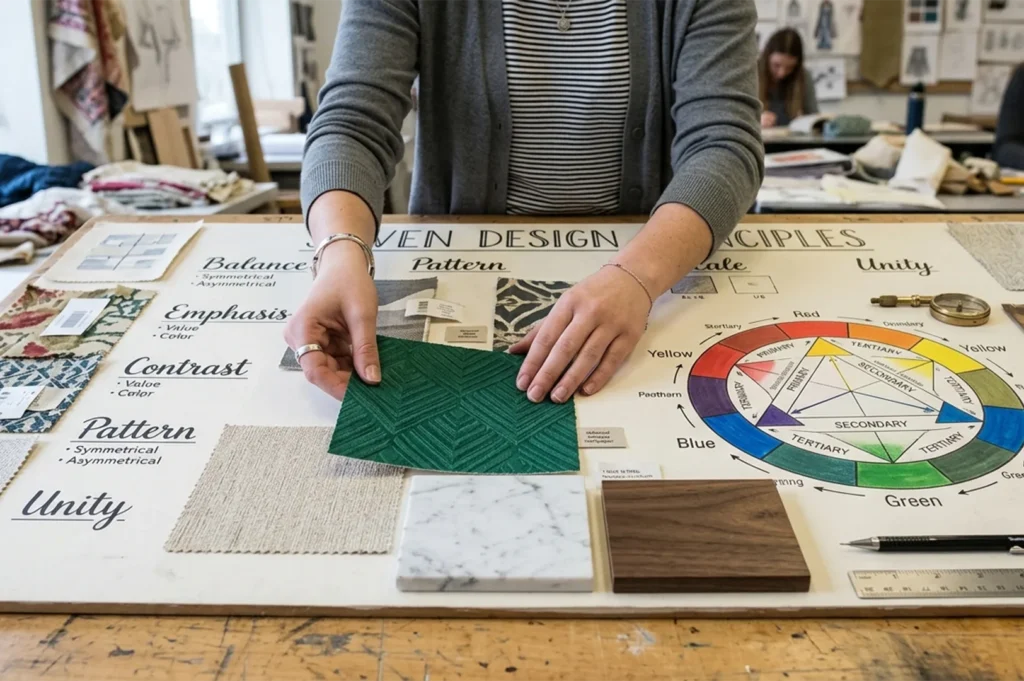
When owners start looking into formal education, they often blur the lines between decorating and design. An interior decorating diploma typically focuses heavily on the visual and tactile aspects of a space. You will learn about color theory, furniture curation, soft furnishings, and creating cohesive aesthetic themes. Students also master the ‘Seven Design Principles‘—balance, rhythm, contrast, harmony, emphasis, scale, and proportion—to develop a designer’s eye. Training includes identifying and specifying various fabrics, floor and wall finishes, and decorative accessories based on their technical properties and durability.
This foundational knowledge is excellent for understanding how to express your brand’s identity and craft a welcoming ambience. Color theory programs teach how to use the color wheel to create harmonious schemes and how color influences the mood and perception of a space. Lighting design coursework covers sources of light, how light affects color, and how to create lighting plans that enhance a room’s atmosphere.
Programs typically include studio projects where students work on real or simulated client briefs, creating everything from initial concepts to final material boards. A polished portfolio created through studio projects and real-world briefs is crucial for securing interviews or attracting freelance clients. Interior design diploma programs often require students to complete a combination of coursework, including written assignments, projects, and presentations, to assess their understanding and application of design principles.
However, an interior decorating diploma rarely touches upon the grueling operational mechanics of a restaurant. You might learn how to pick a stunning velvet for your banquettes, but the course won’t warn you that velvet absorbs food odors and requires high-maintenance industrial cleaning.
What Part Time Interior Design Courses Singapore Actually Teach
For business owners who cannot step away from their operations, part time interior design courses Singapore offer a more accessible route. These programs, often run by polytechnics or private academies, bridge the gap between pure decoration and technical education.
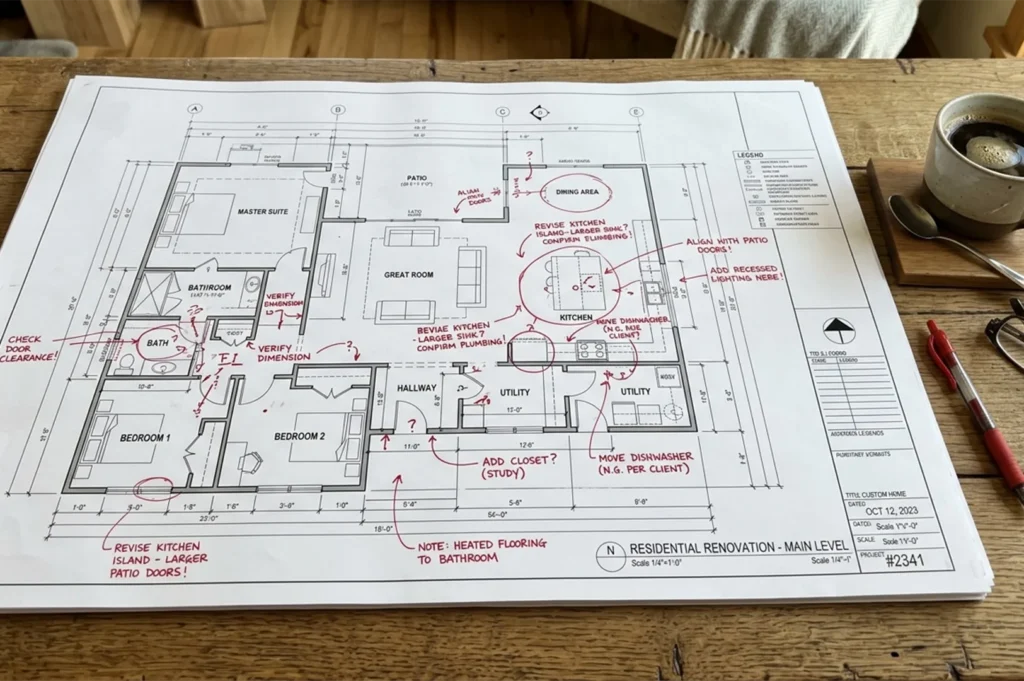
In a structured diploma programme, students learn space planning, technical drafting, building materials, and project management. You will be introduced to CAD software and technical documentation. I think these courses are incredibly useful for owners who want to understand the “language” of contractors. When you know how to read a technical floor plan, you can spot potential bottlenecks before the first wall is demolished.
However, even the most rigorous part-time diploma course has limitations. They offer a strong foundation in spatial design, but they are often generalized. They teach you how to layout functional spaces in a broad sense, but they might skip over the nuances of grease trap placements, commercial ventilation requirements, or the strict fire safety codes mandated by the SCDF.
The Institute of Interior Design and Understanding Fundamental Principles
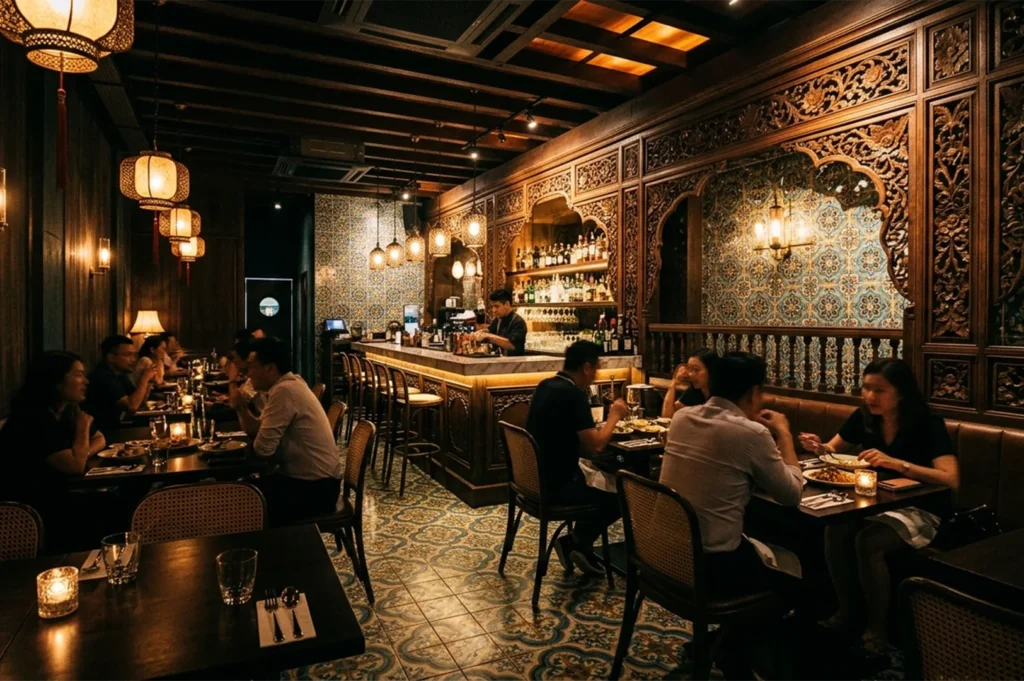
Many operators turn to flexible or online options, such as an institute of interior design program. These are fantastic for grasping the fundamental principles of creative design without a massive time commitment.
Through these programs, you will develop your design communication skills and understand how to evaluate a floor plan critically. You learn the importance of lighting layers—ambient, task, and accent lighting—and how they dictate the mood of a space.
But here is where you must exercise caution. I’d suggest treating an institute of interior design course as a tool to become a better client, not a replacement for an experienced industry professional. A short course will teach you that warm lighting (around 2700K) feels more premium, but it won’t teach you how to calculate the electrical load capacity required for a commercial kitchen alongside an intricate dining room lighting grid.
Arts and Culture in Interior Design
Walk through a thoughtfully designed space in Singapore’s cultural quarter during the evening hours, and something becomes immediately apparent—the way traditional motifs cast familiar shadows, how locally sourced materials invite touch, and how the layout itself seems to anticipate the natural rhythms of gathering and conversation. This is where arts and culture intersect with interior design most meaningfully, creating environments that resonate beyond visual appeal.
The Singapore Interior Design Awards recognize this deeper level of integration, highlighting projects where cultural context becomes operational advantage rather than decorative afterthought. What emerges from studying this intersection of arts, culture, and design is a more grounded approach to creative practice—one where relevance and respect aren’t simply aspirational goals, but fundamental requirements for projects that must function seamlessly within their environment.
Navigating the Application Fee, Early Admissions Exercise, and Advanced Standing
If you decide to pursue a formal diploma in interior design, the process can be complex. Many institutions offer an early admissions exercise for graduating O level students, higher Nitec holders, and integrated programme students, allowing early or conditional offers before final grades are out. Final grades affect eligibility for scholarships or advanced standing. Adult learners and business owners usually follow different paths.
Before paying an application fee, review the course structure carefully. Check if the curriculum covers commercial spaces or focuses mainly on residential interiors. Experienced candidates should ask about advanced standing to skip basic modules, focusing on design projects and interior design practice, saving time and money. A formal qualification builds trust with clients and can increase earning potential by qualifying you for salaried roles or higher freelance consultation fees.
Costs range from $1,000 to $8,000+ for part-time certificates, while full diploma programmes can cost $10,000 to $25,000 depending on eligibility for subsidised fees. Singapore citizens and local applicants may access tuition grants and financial aid. Ensure the module equips students with practical skills aligned to real world challenges before committing.
Where the Design Studio Fails: Execution and F&B Compliance
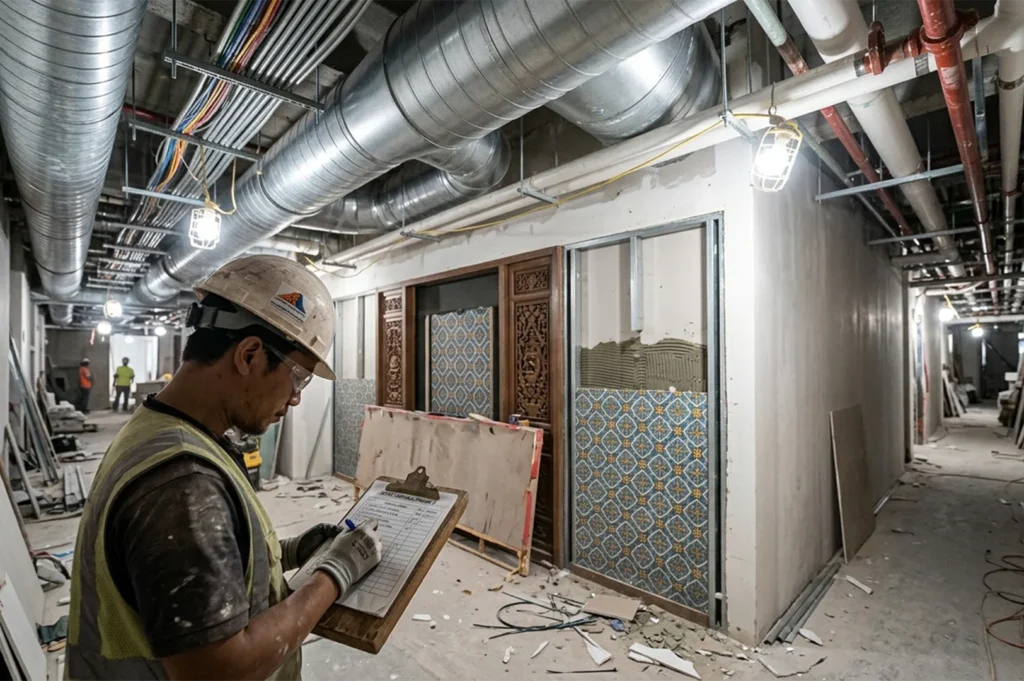
The most glaring gap in any formal design education is the lack of real-world friction. In a pristine design studio, your budget is hypothetical, and your contractors always deliver on time.
In reality, restaurant renovations involve managing delays, unforeseen structural issues, and strict authority approvals. Engaging with real-world scenarios and professional environments during education is crucial to bridge the gap between theory and practice. Your drafted layout means little if it fails NEA food safety or building management exhaust regulations.
Students gain access to guest lectures, site visits, and internships, connecting them with vendors, contractors, and employers. Internship modules offer industry insights, professional skills, and growth opportunities. Placements may be at startups, SMEs, MNCs, or government agencies, providing diverse experiences.
A formal course equips you with creative design concepts but not the challenges like backordered tiles or lighting fixtures violating fire safety codes. Education informs choices, but execution demands industry experience.
Career Opportunities and Advancement

In the final weeks of an interior design programme, a diploma serves as a solid foundation for understanding practical industry demands. Graduates can enter residential or commercial design roles, project management, or start independent practices—each requiring a blend of creativity and technical skills. The technical proficiency and problem-solving abilities gained are vital in Singapore’s competitive market, covering diverse projects from residential to complex commercial spaces balancing aesthetics and operations.
Education shapes professional paths by combining creative vision with essential technical competence and project management. Communication skills link design intent with collaboration among clients, contractors, and teams—skills honed through practice beyond theory. Typical minimum entry requirements include a C6 grade in English and Mathematics at O-level, with institutions setting specific criteria. Completing a diploma builds a solid foundation to navigate an industry where functional beauty and environmental impact demand creative and strategic thinking. Whether specializing commercially or pursuing independent practice, formal education provides the framework for professional growth.
Bringing Design Communication to Arts Singapore: The True Value

So, what do restaurant owners actually gain from studying design in the bustling hub of arts Singapore?
Studying in Singapore provides high quality education, with interior decorating diploma programs designed and taught by industry experts. These programs equip students with design expertise, critical thinking, and creative practice through hands-on studio modules and real-world projects. Students enrolled benefit from collaboration with fellow students and active community engagement, fostering professional growth and valuable networking opportunities. The integrated approach of these programs covers emerging trends such as artificial intelligence and sustainability, helping students gain insights into the latest industry developments. The curriculum increasingly incorporates sustainability, teaching students to use sustainable materials and design practices that minimize environmental impact—an essential focus as the interior design industry is projected to expand by 25% from 2021 to 2030.
Empowering Restaurant Owners with Design Knowledge
You gain the ability to protect your vision. When you sit down with your interior designers and main contractors, you are no longer blindly nodding along. You can challenge a poorly planned service route. You can explain exactly why a proposed material won’t survive the humidity of a busy dining room. You become an active, educated participant in the creative development of your own business.
From Classroom to Real-World Application
Taking an interior design class or pursuing an interior decorating diploma gives you the vocabulary to articulate your vision. But the real-world application of these concepts in restaurant renovations requires balancing those aesthetic dreams with unforgiving budgets, strict regulations, and daily operational chaos. Some portfolio projects may be required to be created solely by the applicant to demonstrate originality and individual effort.
Career Prospects and Industry Opportunities
Successful completion of the diploma opens up diverse career prospects and prepares graduates for a successful interior design career. Graduates can pursue various career paths, including roles such as design manager, project manager, design researcher, service designer, or business strategist. Career opportunities span residential, commercial, healthcare, hospitality, and exhibition design, allowing for a wide range of professional options.
To see how these foundational design concepts translate into practical, cost-effective renovation decisions on the ground, explore our in-depth guide on Tea Room Design That Stays Traditional: Modern Does Not Mean Fusion.